
For businesses
Communion and Confirmation season: how to win the family lunches
Mosey · 22 November 2026 · 11 min read
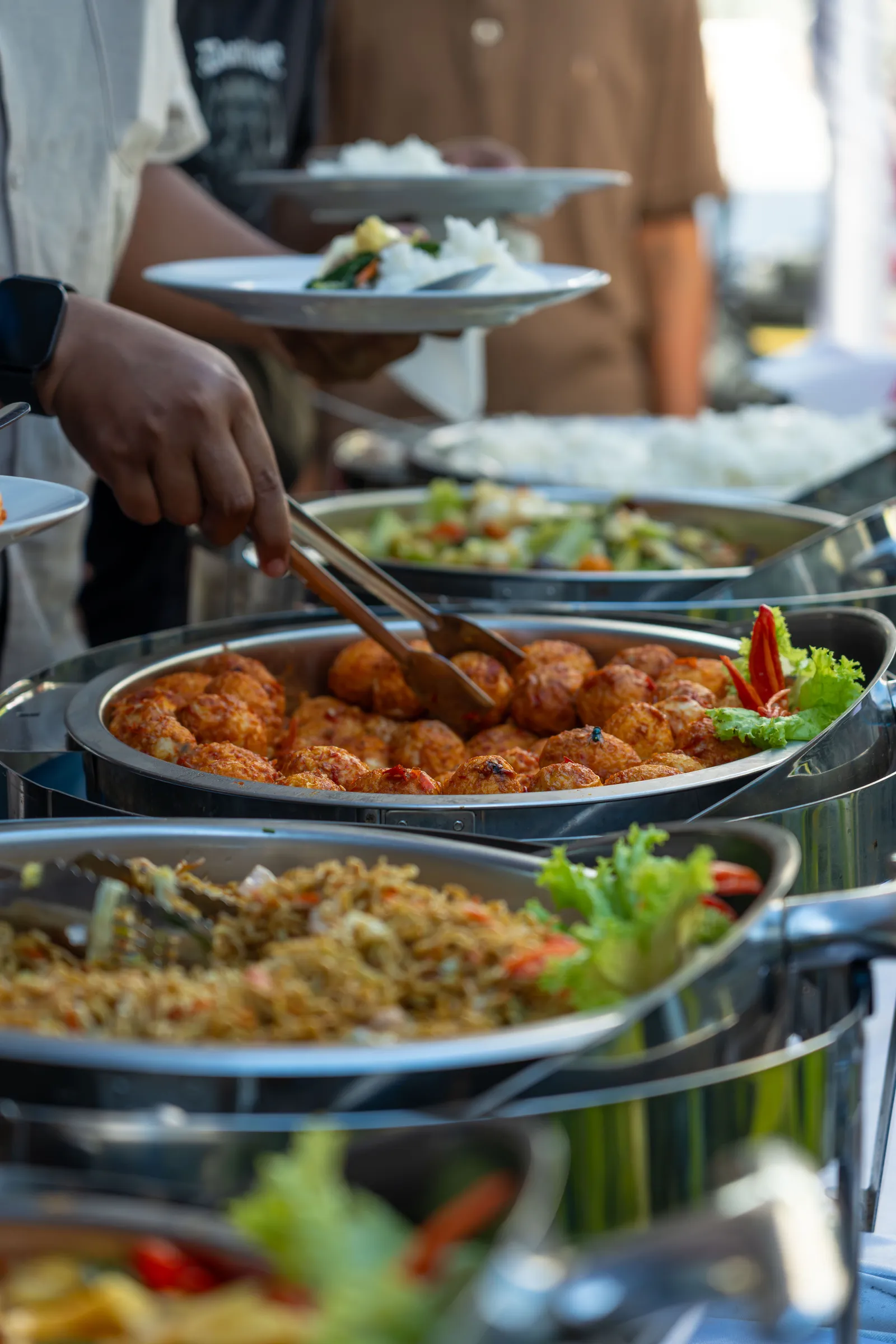
To win Communion and Confirmation lunches, build one fixed package, price it per head from your real costs, and answer enquiries fast. Hold the table with a deposit, collect every guest's allergies before the day and confirm final numbers in writing. These are family tables on a date you do not choose, so the restaurant that is clear, quick and organised gets the booking.

Why is a Communion or Confirmation lunch not an ordinary group booking?
Because the date is fixed, the table is big and the guest of honour is a child. A parish or school sets the day. The family cannot move it, and many families in the same area want a table on the same weekend. That makes it a seller's market for a few days, and a stressful search for the family.
The group is also unlike a work night out. It may stretch from a toddler to a great-grandparent. The adults want a relaxed meal and a drink. The children want food that arrives fast and a place to move. Someone has a cake in a box, someone has a camera, and the organiser, usually a parent, wants to hand over one number and not think about it again.
That is good news for a restaurant. A family that books a table for twenty spends on food, soft drinks, wine and dessert, and may come back for a birthday, a christening or the next child's day. Mosey also has a diner guide to booking a family Communion or Confirmation lunch, so the families who find you know what to ask for. This guide is your side of the same table.
When should you open your books and how do you tell families?
Open them as soon as you can name your package, and before families start searching. Families begin looking once the parish or school gives the date, and they ask whoever answers first. A restaurant with a page that says what is on offer beats one that says "call us".
Do this before the season starts:
- Write the package (the next section) and put a price per head on it.
- Decide how many family bookings you will take on a given day, so you do not give away the whole room to one big party.
- Set your enquiry route: one inbox, one person, a promise of a reply within a day.
- Tell your regulars and followers first. Many of them have a child in the right class.
- Say which days are open and which are held, so families are not left guessing.
Speed matters more than polish. A family who sends three enquiries often picks the one that replies with a clear price and a next step.
A note on the calendar: the family season sits alongside the rest of your year, and the guide to planning the restaurant year around Irish seasons shows where it fits. Do not name dates on your page that the parish or school has not confirmed to you. Ask the family.
What should a Communion package include?
One menu, one price per head, one clear time and a short list of what is in and out. A package is easier to sell, easier to cook and easier to explain than a free choice for twenty people.
Build it from five parts:
- A set menu. Two or three courses, a choice of two mains and a vegetarian option, all dishes your kitchen can plate in volume.
- A children's menu. A smaller plate that comes out first, so a seven-year-old is not waiting for the grown-ups.
- Soft drinks and tea or coffee, priced into the package or listed apart.
- A time and a table. How long the table is held, and where it sits in the room.
- The cake. Say whether you welcome a cake from home, and whether you cut and plate it for a stated charge.
State what is not in the package: wine and other drinks, extra courses, decorations and a hard stop if another sitting follows. Families respect a clear edge. They resent a surprise on the bill.
If your kitchen cannot cook twenty roast dinners at once, do not offer them. Pick dishes that hold well, such as braises, bakes and pastas, and test them for a table of twenty before the season.
How do you price a per-head package?
Work from the plate cost, add your margin and your extras, and divide by the guests you expect. Use a worked example, clearly an example, with round figures.
Say a family of twenty books. Twelve are adults and eight are children. You decide on a main course and dessert. Take the cost of an adult plate, add the cost of a children's plate for each child, then add the extra labour of a long table and a cake to cut. Add your usual margin to the total, then divide by twenty. You now have a per-head price for adults and a lower one for children, and you can say both aloud.
Three habits keep the price honest:
- Cost the whole table, not the plate. Extra staff for a large group, a reserved section and a slow-turning table are real costs.
- Price children separately. A smaller plate has a smaller cost, and families expect a lower price.
- Round to a figure you can say. A clean number is easier to agree than a clever one.
The floor-price method in the guide to pricing private hire works for this too. If the family wants the whole room, it is a private hire quote and the same method applies.
How do deposits, final numbers and cancellations work?
Take a deposit to hold the table, set a date for final numbers and write down what happens if the numbers change. A deposit tells you the family is serious. A final-numbers date lets you order food. A written policy keeps the conversation friendly.
Set out four things in the quote:
- The deposit, per head or a flat figure, and when it is due.
- The final-numbers date, after which the number you cook for is the number you charge for.
- What happens if a guest drops out. Illness is common with children, so decide how much flexibility you will give before the date.
- What happens if you cancel, which should be a full refund.
Be warm about it. A sick child is not a customer being difficult. A clear rule written before the booking is kinder than an argument after. The guide to writing a cancellation and deposit policy guests accept gives wording you can adapt, and it is worth reading before you send your first quote of the season.
Keep a copy of every quote and every reply. If a dispute arises, a written record settles it.
How do you price drink for the adults?
Price it apart, and never bundle it. A family often wants a bottle on the table. The temptation is to include a free glass of fizz in the package to win the booking. Keep it out: S.I. No. 4 of 2020 says a person shall not sell or supply alcohol at a reduced price or free of charge on the purchase of any other product or service.
So list drinks at their ordinary prices, keep the package to food and soft drinks, and let the family choose. Ask a solicitor if you are unsure about an offer that touches drink. You can still be generous with the rest: a jug of water, a pot of tea for the grandparents and a juice for each child are part of a good package.
Serving alcohol at all depends on your licence. If you are still working out which licence your restaurant holds, the guide to the licences you need sets it out.
How do you feed twenty guests with twenty different needs?
Ask for allergies and dietary needs early, from every guest, and put them on one sheet. With a mixed-age group you can expect coeliac guests, nut allergies, vegetarians and children who will eat three things. You do not want to learn that on the day.
The organiser should not have to chase twenty relatives one by one. On Mosey, the organiser of a group request shares one link with the family, each guest opens it to tell you their needs, and the answers come back as totals and a prep sheet for the kitchen. The guest list stays with the booking, so the chef sees it before service.
On the day, label each plate that differs. Brief the floor staff on who has what. Never promise a dish is free of an allergen unless your own process proves it. The guide to making and keeping an allergen matrix is the foundation for all of this.
For the children, offer a short list they will eat, such as plain pasta, a small grill or a simple sandwich, and mark the common allergens on it.
How do you run the day so it runs on time?
Plan the room, the kitchen and the clock the day before. A big family lunch is a short event with a lot of moving parts, and most problems come from the same few places.
Use this run sheet:
- Table. Set it early, with the children where they can see the adults and the grandparents where they can hear.
- Space. Leave a clear path for the child in the family outfit and the photographer. Children will want to move, so keep a corner free.
- Kitchen. Fire the children's plates first and the adults' mains together. Stagger the dessert so the cake does not collide with it.
- Cake. Agree where it is kept, who cuts it and when it appears.
- Floor. Assign one server to the table and give them the allergy sheet.
- Bill. Agree how the family pays. One bill for the organiser is the usual wish, so settle it before the meal.
- Close. Say when the table ends, and tell the family kindly if another booking follows.
Staff the table as if it were two. A table of twenty makes the same demand as several smaller ones, and the family will notice a slow glass of water more than a slow dessert. If another sitting follows, build in a short gap so the room is reset without a rush.
How do you turn one family lunch into a family of regulars?
Treat the day as the first visit. A family that had a good Communion lunch has relatives who live nearby, younger siblings and a birthday next month.
Several things help:
- A thank-you message to the organiser the next day, with a link to rate the meal. A rating that names the dish helps the next family decide.
- A gift voucher. Relatives often want to give something to the child, and a voucher for a family meal at your restaurant is an easy gift. On Mosey it is bought in the app and spent at your till. Mosey takes 4.5% of the value when a voucher is sold, and the buyer pays a flat booking fee on top. See pricing.
- A note for next year. A younger sibling is a booking you can see coming. Ask if you may remind the family.
- A birthday or a quiet-day offer on food, never on drink, so the family returns for a smaller occasion.
If you run a café or bakery, a Communion cake is its own product. The guide to taking deposits for cakes and custom orders shows how to quote it, hold it with a deposit and let the family collect.
How does Mosey help a restaurant in Communion season?
Mosey fills the room and keeps the paperwork in one place. It does not set your menu or your prices, and your money goes to your own Stripe account.
- Group requests and quotes. A family asks for a table, a floor or the room. You confirm, decline or send a quote, and they accept or counter. A deposit link holds the date, and the guest allergy link feeds the prep sheet. Quoting is free, and Mosey takes 4.5% plus VAT of a gathering deposit. See group bookings and private hire.
- A set menu for a big table. You choose the party size at which a booking becomes a set-menu sitting, with a deposit per head. Switching it on has no charge of its own, and a reservation deposit carries no Mosey fee. Deposits on ordinary tables come with the paid Starter reservations plan at €79.99 a month. See set menus for large group bookings.
- Dishes chosen ahead. On the Host plan at €169.99 a month, guests can pick dishes after booking, and your prep sheet adds them up. It is a preference for the kitchen, not a payment. See pre-ordering food with a booking.
- Gift vouchers for relatives who want to give a meal. See gift vouchers for restaurants.
- An inbox for the enquiries, so every family message, booking and group request is in one place. See the business inbox.
In Ireland, Mosey keeps member discounts, loyalty rewards and promotions off items you mark as alcohol, so mark every drink on your menu. The guide to pre-ordering for groups covers the kitchen side in more detail. When you are ready, Host on Mosey free, add your package to your page and open the family dates before the parish letters go out. Every guide for Irish food businesses is on the business guides page.
This guide is general information, not legal, tax or financial advice. Rules change and depend on your business and where it is, so check the current rule with the official body named in the guide and take advice from a solicitor or accountant in your area before you act.
Questions
Common questions
How do I get Communion and Confirmation lunch bookings at my restaurant?
Write one package with a per-head price, put it on your page before families start searching, and reply to every enquiry within a day. Tell your regulars and followers first. Families book with whoever is clear and quick, because the parish or school has already fixed the date.
What should a Communion lunch package include?
A set menu with a vegetarian choice, a smaller children's menu that comes out first, soft drinks and tea or coffee, a stated time for the table and a rule on the cake. State what is not included, such as wine and decorations, so there is no surprise on the bill.
How much deposit should I take for a family lunch?
Take enough to hold the table and cover your food order, set per head or as a flat sum, with a due date. Write down your final-numbers date and what happens if a guest drops out. On Mosey a table deposit carries no Mosey fee, a group request deposit carries 4.5% plus VAT, and the money goes to your own Stripe account.
Can I include a free glass of wine in a Communion package?
Keep drink out of the package. S.I. No. 4 of 2020 bars selling or supplying alcohol at a reduced price or free of charge on the purchase of any other product or service. Keep the package to food and soft drinks, list drinks at their normal prices and ask a solicitor if you are unsure.
How do I handle allergies for a table of twenty?
Ask every guest early and gather the answers on one sheet. On Mosey the organiser of a group request shares one link, and the guests' answers come back as totals and a prep sheet. Label every plate that differs and never promise a dish is allergen free unless your process proves it.
What if a child falls ill and the family has to cancel?
Decide your rule before you send the quote and put it in writing. You might allow a reduction in numbers up to a set date and keep the deposit for a full cancellation. Be warm and clear. A rule written beforehand is kinder than an argument after.
How do I turn a family lunch into repeat business?
Thank the organiser the next day with a link to rate the meal, offer a gift voucher relatives can buy, note younger siblings for next year and offer a quiet-day food offer. Keep any offer on food, and drink at its usual price.
How does Mosey help with Communion and Confirmation bookings?
A family sends a group request, you quote, they accept or counter, and a deposit link holds the date. A guest allergy link feeds your prep sheet. Set menus, dishes chosen ahead and gift vouchers are there too. Mosey does not set your prices or sell your drink.
More like this
Read next
A hotel restaurant that locals use too
A hotel dining room earns local trade when it acts like a restaurant of its own. Here is why locals stay away, how to set the dining room up on Mosey beside your hotel, and which offers fill it.
An alcohol-free drinks menu that still makes margin
More guests are drinking less, in January and the rest of the year. Here is how to cost, price, name and sell an alcohol-free menu so it earns as well as the wine list, with the Irish VAT and offer rules checked.
A pub that does food: making the kitchen pay
A pub kitchen pays when its gross profit covers its own wages and running costs. Here is how to count it, which services to fill, what the alcohol rules say and how Mosey fits.
Auto-enrolment pension for Irish restaurants and cafés: what you pay and do
Since 1 January 2026 an Irish employer matches the pension contribution of each eligible employee. Here is who counts, what it costs on a wage bill, the payroll steps and what staff can opt out of.
Get started
Host your business on Mosey. It is free to claim.
Free to list, no set-up fee, and Order Ahead is 1.5% commission when you start taking orders.