
For businesses
How to price and sell private hire of your restaurant
Mosey · 15 November 2026 · 11 min read
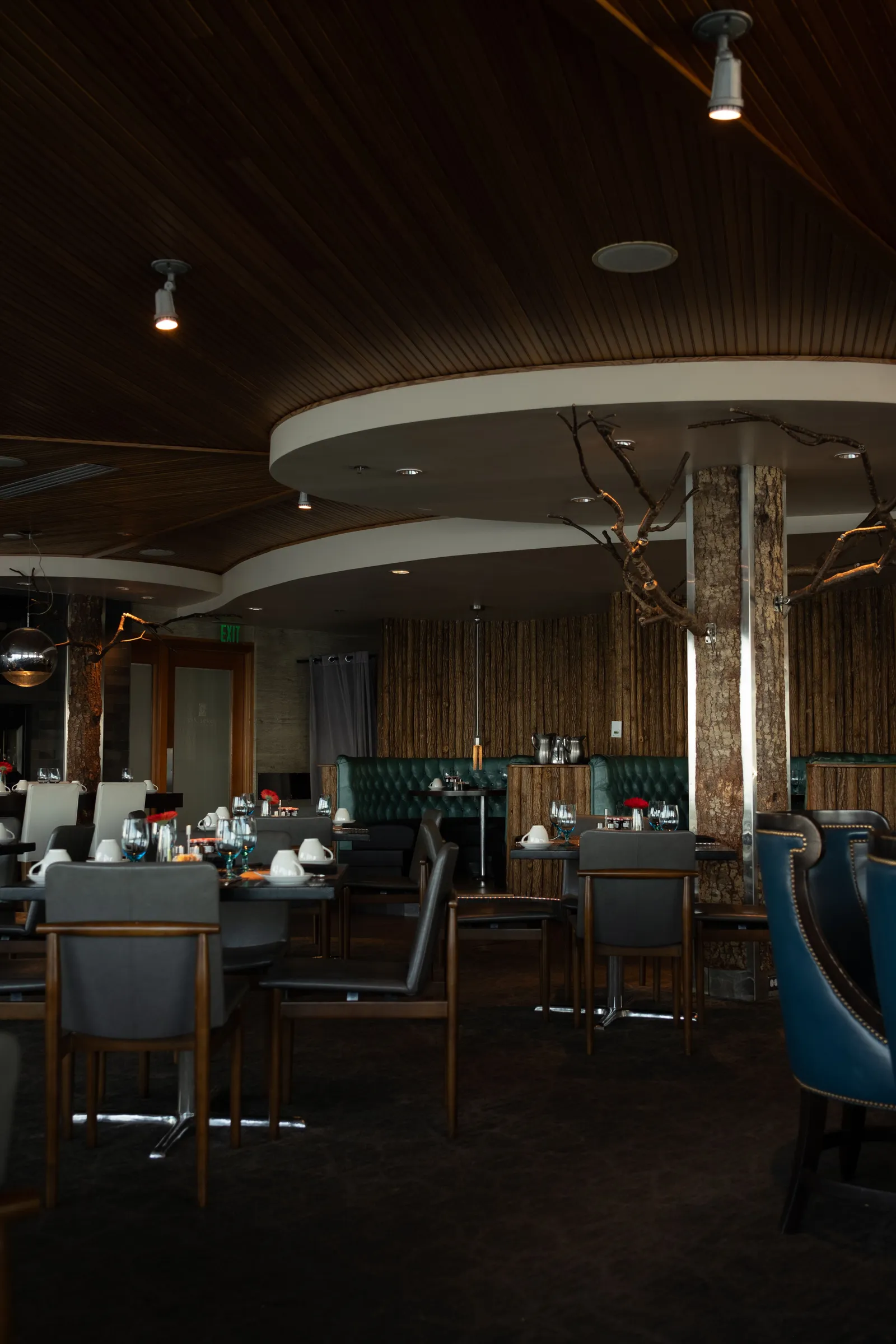
To price private hire, work out what your room would earn on an ordinary night, add the extra cost of the booking and the margin you want, and divide by the number of guests. Charge per head for a menu, or a flat fee for the room, quote it in writing and take a deposit before you hold the date. A worked example follows.

Why does private hire so often lose you money?
A party of twenty-four on a quiet Tuesday looks like a gift. The room is empty anyway, the bill is big and the customer is delighted. Then you count the extra staff, the hour of set-up, the table moved for a cake and the two phone calls about numbers, and the night left you less than a normal Thursday would have.
It goes wrong in three places. The price was a guess made on the phone. The deposit was promised and never arrived. The allergy list turned up as a text on the afternoon.
That is not the customer's fault. It is having no floor price, no written terms and no single place where the booking lives. Fix those and private hire becomes predictable income: a known number of guests, a known date and money in hand before the night. It suits a back room, an upstairs or a quiet weekday. If you can only seat tables of six, take larger parties through ordinary bookings instead.
What does your room earn on an ordinary night?
Start with what you give up. Private hire is only worth taking if it leaves you with more than the same hours would have done anyway.
Take the room on a typical night when you would otherwise be quiet, and write down three figures:
- Covers. How many people sit there on an average night of that day.
- Spend. What an average cover spends, before VAT.
- What it leaves you. Sales less ingredients. Staff you rota anyway are not a cost of the booking, so leave them out.
Here is an example with round numbers, all before VAT. The room averages fifteen covers on a Thursday at €32 each, so €480 in sales. Ingredients run at 30%, so €144, and the night leaves €336. That €336 is the number a private hire has to beat before it earns you anything.
If you do not know your food cost, price a set menu first. The sums there give you an ingredient cost for each plate.
How do you work out your floor price?
Your floor price is the least you can charge and still be better off than on an ordinary night. Use this checklist:
- What the room leaves on an ordinary night. From the step above.
- The extra cost of this booking. Staff you would not otherwise have, set-up and reset, flowers or decoration, a cake plate, a card machine for a bar tab, the manager's hour on the phone.
- The margin you want for the effort. Pick a sum you would be happy to be paid for the trouble.
- Ingredients for the menu. Per head, multiplied by the number of guests.
Add the first, second and third, add ingredients, and that is the sales you need. Divide by the guests for a per-head floor.
Continuing the example, with twenty-four guests:
- Ordinary night: €336
- Extra staff, set-up and reset: €200
- Margin for the effort: €150
- Ingredients at €13.50 a head: €324
You need €1,010 in sales. Divided by twenty-four, that is about €42.10 a head. A set menu at €45 a head brings in €1,080 and clears the floor by €70. At €40 a head you would take the booking and be worse off than staying quiet.
Round up to a price that reads well. When a customer asks for a discount, the floor tells you how much you can give.
Should you charge per head, a flat fee or a minimum spend?
Three ways to charge work for different rooms. Pick the one that matches what you are really selling.
Per head suits a set menu or a buffet. The price moves with the numbers, and your ingredient cost moves with them, so your margin holds if the party grows or shrinks. It is the easiest for a customer to compare.
A flat room fee suits a space with few seats that you close to everyone else. If the party is small, you still need the room paid for. Add it as a separate line beside the menu, so the customer sees what the room costs and what the food costs.
A minimum spend suits a bar or a room where guests order as they go. It is a promise about what the group will spend on the day, not a price, so write it into the quote as a note and agree the fallback if they fall short: the difference is charged as a room fee.
On Mosey, a quote is built from lines that are either per head or flat, and you can save packages once and reuse them: a set menu priced per head, a room fee priced flat, each with a minimum number of guests if you need one. The server works out every line itself, so the total the customer sees is always the sum of the lines. Editing a package later never changes a quote you have already sent.
A flat room fee plus a per-head menu keeps the floor price honest on a night when fewer people come.
A set menu for a group
Keep it short: two or three choices a course, with a vegetarian dish designed in. Price for the dearest plate, because a table of twenty-four will not order the cheap one; how to price a set menu has the method. For a group on your ordinary floor rather than a hired room, set menus for large group bookings takes a menu choice and a deposit per head.
What should a quote say?
A quote is a short contract. Write it so that a stranger on your team could run the night from it.
Include:
- The date, the start time and the finish time.
- Which space they have, and whether it is exclusive.
- The number of guests the price is for, and what happens above or below it.
- Each line priced: menu per head, room fee, drinks, extras.
- The deposit, when it is due and how to pay it.
- Your cancellation terms, in plain words.
- How long the quote stands.
On Mosey, a customer sends a request from your page in the Mosey app with a date, a number of guests, the occasion and the space they want. You can confirm it, decline it or send a quote. The customer can accept your quote or counter it with a different time, number of guests or note, and you answer on the same booking. Only one quote is open at a time, so there is never a question of which offer stands.
Two details save a muddle. You give a confirmed time before a quote can be accepted, because accepting turns the request into a table on your floor. And rejecting a quote closes the booking, so if the customer wants a change, ask them to counter it rather than reject.
Answer quickly. An unanswered request sends you a reminder after a day and a firmer one after three, and after fourteen days it closes and any deposit goes back.
How much deposit should you take, and when?
A deposit is what turns a promise into a booking. Without one, a large party is the most expensive no-show you can take, because you will have turned others away.
Think about what you lose if they do not come at three days' notice, after you have bought food and rostered staff. The deposit should be enough that the customer feels it too. As an example, a quarter of the agreed price is a sensible place to start.
On Mosey, set the policy once so you do not type an amount each time:
- A fixed sum, whatever the size of the party.
- A sum per guest, which grows with the party.
- A percentage of the agreed price, worked out when the quote is accepted.
- Manual, if you prefer to decide each time.
You choose how many days after confirmation it falls due, from one to sixty. You can have the link sent automatically when you confirm or the customer accepts a quote, and you can have the booking cancelled if it is not paid in time, so the date goes back on sale. A link you send yourself stays open for three days unless you change it, up to thirty.
If a customer hands you cash, mark the deposit as paid in person and the date is held. The catch is that Mosey cannot refund cash, so if the booking is cancelled you hand it back yourself.
How do you let a group split the deposit?
An organiser should not be the person who chases eight friends for twenty euro. Once you have sent the deposit link, the organiser can split it between the guests. A deposit can be split between two and forty people, equally or in amounts that add up to the total. Each guest pays their own share in the Mosey app, so they need an account, and the organiser can pay anyone's share. When the last share lands, the deposit counts as paid and you are told.
One difference from a split on an ordinary table booking matters. A gathering split does not charge the organiser's card for a share nobody paid. If a share is late, you chase through the booking, and if the link runs out, the unpaid shares are cancelled. With auto-cancel on, the date is released and anyone who did pay is refunded. With it off, the booking stays and you decide what to do. Pick a due date that leaves you time to act.
The same idea, a group paying its own part, is covered in group orders and split bills. See also the split the bill feature.
What happens if you or the customer cancels?
Write this down before the first enquiry, because it is the part that causes arguments.
Set refund tiers. They say how much of a deposit comes back depending on how long before the event the customer cancels. You can set up to five. For example: everything back a week or more before, half back at three days, nothing after that. Tiers are shown to the customer before they ask, so they know the terms before they pay.
If you cancel or decline, or a customer's rejected quote closes the booking, they get the whole deposit back. That is fair, and it keeps you honest about which dates you can really hold. A request nobody answers also closes with a refund.
On a refund, Mosey returns its commission in proportion to what is refunded. Stripe's card fee is not returned, so it is a small cost on a deposit you have to give back.
On the law, the CCPC says the statutory right to cancel an online purchase does not apply to catering or leisure activities for a specific date or period, so the terms you agreed decide. That is why the terms must be clear and agreed up front. Have a solicitor read your terms once, and keep them short.
If a customer feels a kept deposit was unfair, they can raise it within thirty days of the booking ending. The decision stays with you.
How do you handle thirty sets of allergies?
A dish list sent on the afternoon is how an allergic guest ends up at the pass. Collect it early, from each guest, in one place.
The organiser creates a link and drops it in the group chat. Each guest opens it with no account, ticks their allergens and adds any dietary or access needs. You see the totals by allergen, a list by guest and a prep sheet for the kitchen before the day. The link runs until the end of the day of the gathering and the organiser can cancel and reissue it if the group changes.
The tally tells you who must avoid what. It does not make any dish safe, so your kitchen still checks every plate against it. Use it for the briefing, and brief the floor too.
What does it cost, and where do you start?
Taking requests, sending quotes, the calendar, the prep sheet and the invoice carry no charge on Mosey. The commission applies to a deposit paid through Mosey: 4.5% plus 23% VAT on that commission, with Stripe's card fee at cost. The money goes to your own Stripe account. If you take no deposit, private hire on Mosey costs you nothing. The pricing page lists every rate.
Before you open the diary, do these in order:
- Work out your room's ordinary-night figure and your floor price.
- Decide per head, flat fee or both, and save one or two packages.
- Write your cancellation tiers and your deposit rule.
- Photograph the room in daylight and describe how many it seats.
- Send yourself a test request and quote it back.
Pair private hire with events that pay ahead, and if a customer wants your food at their own venue, corporate catering is the next step. The guide to private hire and large group bookings has the set-up steps, and the group bookings feature page shows how it looks.
Ready to sell your room? Host on Mosey free, turn on group requests and answer your next enquiry with a quote. More in the guides for food businesses.
This guide is general information, not legal, tax or financial advice. Rules change and depend on your business and where it is, so check the current rule with the official body named in the guide and take advice from a solicitor or accountant in your area before you act.
Questions
Common questions
How much should I charge for private hire of my restaurant?
Work out what the room leaves you on an ordinary night, add the extra cost of the booking and a margin for the effort, then divide by the number of guests. That is your floor price. Charge per head for a menu, plus a flat fee for the room if you close it to others.
Should I charge a room hire fee or a minimum spend?
Charge a room fee when you close a small space to everyone else, because the room is paid for whatever the group orders. Use a minimum spend for a bar or room where guests order as they go, and agree in writing what is charged if they fall short.
How big a deposit should I ask for on a private party?
Ask for enough that losing the date would cost the customer something real. As an example, a quarter of the agreed price is a common place to start. On Mosey you set a fixed sum, a sum per guest or a percentage once, and the deposit link is worked out for you.
Can a group split the deposit between guests?
Yes. After you send the deposit link, the organiser can split it between two and forty people, equally or in set amounts. Each guest pays their own share in the Mosey app. A gathering split does not charge the organiser for missing shares, so set a due date and follow up.
What happens to the deposit if I have to cancel?
If you cancel or decline a paid booking, the customer gets the whole deposit back. Mosey returns its commission in proportion to the refund, and Stripe keeps its card fee. A deposit marked as paid in cash cannot be refunded through Mosey, so you hand it back yourself.
Does the 14-day right to cancel apply to a private party booking?
The CCPC says the statutory online cancellation right does not apply to catering or leisure activities for a specific date or period, so your own terms decide. Set clear refund tiers before the customer pays, and have a solicitor read your terms once.
How do I collect the dietary needs of a big group?
The organiser shares one link with the group. Each guest ticks their allergens and adds any other needs, with no account. You see the totals and a prep sheet before the day. The tally does not make any dish safe, so your kitchen still checks every plate.
How do I take private hire bookings on Mosey?
Host on Mosey, turn on group requests, describe your space and save a package or two. Customers send a request from your page in the Mosey app, you confirm or quote, and a deposit link holds the date. Quotes and the calendar have no charge, and the pricing page shows the deposit commission.
More like this
Read next
A hotel restaurant that locals use too
A hotel dining room earns local trade when it acts like a restaurant of its own. Here is why locals stay away, how to set the dining room up on Mosey beside your hotel, and which offers fill it.
An alcohol-free drinks menu that still makes margin
More guests are drinking less, in January and the rest of the year. Here is how to cost, price, name and sell an alcohol-free menu so it earns as well as the wine list, with the Irish VAT and offer rules checked.
A pub that does food: making the kitchen pay
A pub kitchen pays when its gross profit covers its own wages and running costs. Here is how to count it, which services to fill, what the alcohol rules say and how Mosey fits.
Auto-enrolment pension for Irish restaurants and cafés: what you pay and do
Since 1 January 2026 an Irish employer matches the pension contribution of each eligible employee. Here is who counts, what it costs on a wage bill, the payroll steps and what staff can opt out of.
Get started
Host your business on Mosey. It is free to claim.
Free to list, no set-up fee, and Order Ahead is 1.5% commission when you start taking orders.