
For businesses
How to price a set menu or early-bird menu
Mosey · 23 October 2026 · 5 min read
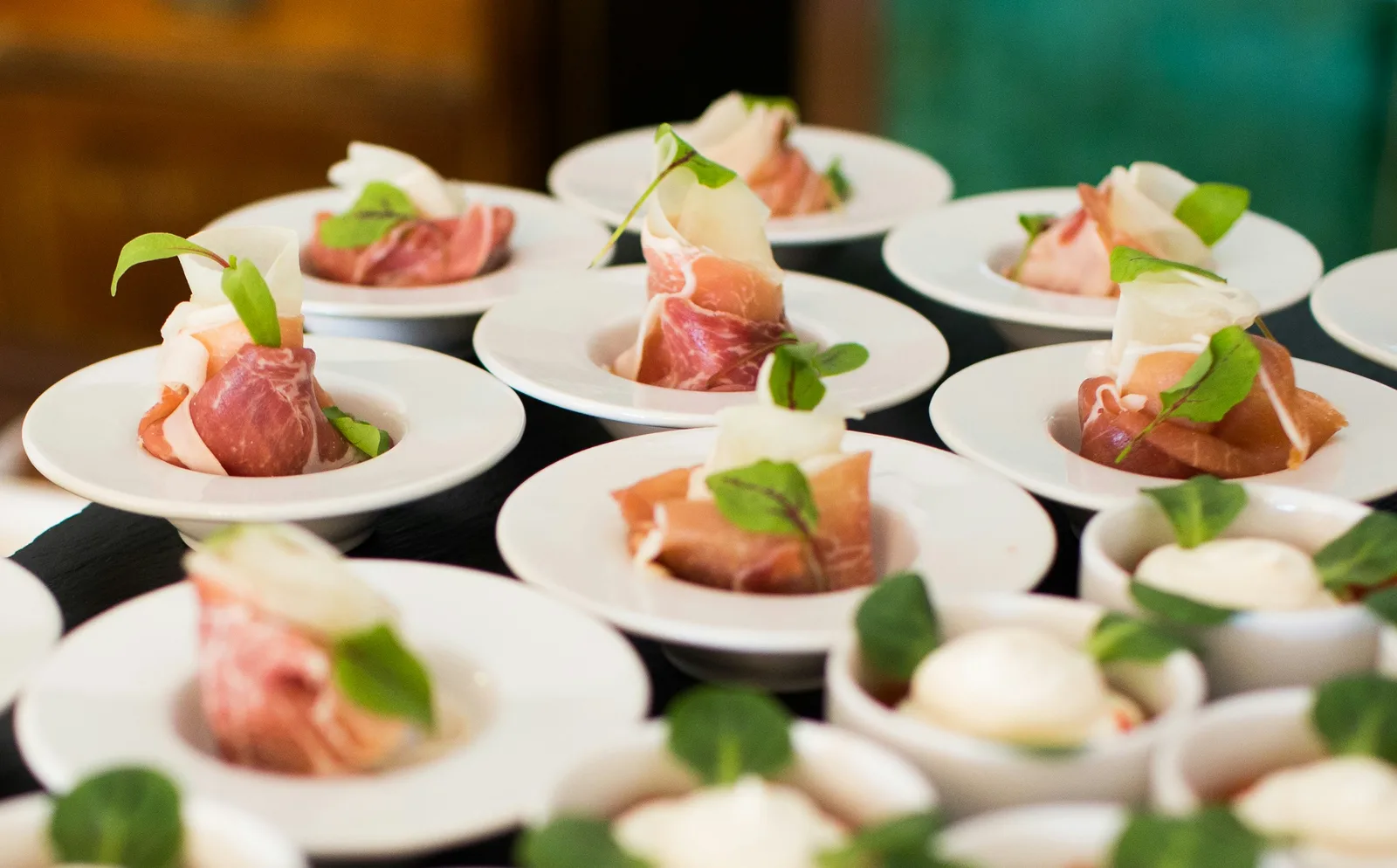
To price a set menu, cost the dearest choice in each course, add anything that goes on every table, divide the total by your food cost target, then add VAT and round up. That price still works if every guest picks the most expensive option. Then check what an average cover leaves you after ingredients, because that figure, not the percentage, is what pays the wages.
An early-bird menu is priced the same way with one difference: you can accept a slightly higher food cost, because the covers it brings would otherwise be empty seats.
Start from the dearest plate, not the average
A set menu is a promise: any starter, any main, any dessert, one price. So price it for the guest who orders the hake, the goat's cheese and the cheeseboard, not the one who has soup and the chicken.
Most nights the mix will be kinder than that, and the difference is your cushion. Pricing on the average works until a table of eight all choose the fish, and on a Christmas party or a busy Saturday that is exactly what happens.
How do you work out a set menu price?
- Cost every choice at the amount on the plate, garnish, sauce and sides included.
- Take the dearest in each course and add them together.
- Add what goes on every table: bread and butter, an amuse-bouche, petits fours.
- Divide by your food cost target. Commonly 25% to 35% of the price before VAT.
- Add VAT and round up to a price that reads well on the menu.
A worked example with round figures. A three-course menu with three choices a course:
- Starters cost €1.40, €2.30 and €3.10 a plate.
- Mains cost €5.20, €7.40 and €3.90.
- Desserts cost €1.50, €1.90 and €2.60.
- Bread and butter adds €0.60 a head.
The dearest combination is €3.10 + €7.40 + €2.60 + €0.60 = €13.70. At a 30% target that is €45.67 before VAT. Add VAT at 9% and it is €49.78, so the menu says €50.
At €50 the price before VAT is €45.87. The dearest combination runs at about 30%, and the average of the choices, €10.37 a head, runs at under 23%. That average cover leaves you about €35.50 after ingredients to cover staff, rent, energy and profit.
The menu price calculator does these sums for one plate at a time, VAT and rounding included, which is the quickest way to cost each choice before you add them up.
How many choices should a set menu have?
Fewer than you think. Two or three per course covers almost every table, including one vegetarian choice designed in rather than improvised.
Every extra choice costs you: more prep, more waste, more space in the fridge and more time on the pass. A set menu earns its margin by being simpler than your à la carte, and a set menu with five mains is your à la carte with a discount on it.
Use the choices to balance the cost, too. If one main is dear, make another cheap and good, so the mix comes out kinder than the worst case.
When should you charge a supplement?
When one choice costs so much more than the rest that it would drag the whole price up. Steak, shellfish and a full cheeseboard are the usual ones.
Price the supplement on the difference in ingredient cost, at the same target. If a sirloin costs €9.80 against the €7.40 hake, the €2.40 difference at a 30% target is €8.00 before VAT, so a supplement of €9 with VAT. The guest who wants the steak pays for it, and everybody else gets a fair price.
Keep it to one supplement per menu. Three supplements turn a set price into a sum the guest has to do at the table.
How do you price an early-bird menu?
The same way, with a lower ceiling and a higher target. An early bird is usually two courses from a shorter list, and it exists to fill seats that would otherwise be empty at half five.
Using the menu above, offer the soup or the pâté, then the chicken or the risotto. The dearest combination is €2.30 + €5.20 + €0.60 = €8.10. At a 35% target that is €23.14 before VAT, or €25.23 with VAT, so €25.50 on the menu. Each early cover then leaves about €15.30 after ingredients, on a table that would have left nothing.
The risk is not the price, it is the window. An early bird that runs into eight o'clock gives a discount to people who were coming anyway. Our guide to early-bird and weekday specials covers where to draw the line, and on Mosey an early-bird offer can be badged on your earliest booking slots, at no commission because no money moves through Mosey.
Where VAT and fees come in
Every price a customer sees must include VAT, so do your sums before VAT and add it last. Food and hot drinks served by restaurants, cafés and hot takeaways have been at 9% since 1 July 2026; alcohol and soft drinks are at 23%. If the menu includes a glass of wine or a soft drink, the drink carries the higher rate, so ask your accountant how to split the price.
How you sell the menu changes what you keep. Served at the table and paid at the till, you keep the menu price less your card fees. Sold in advance as a capped promotion, it carries 4.5% commission, and the money arrives before the guest does. Sold on a delivery app commonly charging around 30%, the €35.50 that cover was leaving you shrinks to very little, which is why a set menu priced for the dining room rarely works on an app.
Check it after a month
The price is a forecast. The sales mix tells you whether it was right.
After a few weeks, count which choices actually sold. If almost everybody takes the dearest main, your real food cost is near the worst case and the menu needs a cheaper main people want, or a small rise. If a choice barely sells, take it off and simplify the prep. Recost whenever a supplier puts a price up, because a set menu priced in spring can quietly lose its margin by autumn.
Cost your next set menu before you print it. Claim your business free or See pricing.
Questions
Common questions
What food cost percentage should a set menu run at?
Commonly somewhere between 25% and 35% of the price before VAT, the same range most kitchens use for à la carte. An early-bird menu can run a little higher, because the covers it brings would otherwise be empty seats.
Should I price a set menu on the average dish or the dearest?
Price it on the dearest combination, then check the average. If every guest picks the most expensive choice in every course, your price should still hit your target.
How many choices should a set menu have?
Two or three per course is plenty for most places. Each extra choice adds prep, waste and time on the pass, and rarely sells an extra cover.
Do set menu prices have to include VAT?
Yes. Any price shown to customers in Ireland must include VAT. Work your sums on the price before VAT, then add it and round the result for the menu.
What VAT rate applies to a set menu?
Food served in restaurants and cafés has been at 9% since 1 July 2026, while alcohol and soft drinks are 23%. If a drink is included in the price, ask your accountant how to split it.
When should a set menu have a supplement?
When one choice costs far more than the others, such as a steak or shellfish. Price the supplement on the difference in ingredient cost at the same target, so that choice earns its keep.
Is an early-bird menu worth it if the margin is lower?
Yes, if it fills seats that would otherwise be empty and does not pull in customers who would have paid full price later. Judge it by what each early cover leaves you, not by its percentage.
More like this
Read next
How to run a supper club or tasting night that sells out
A supper club is a fixed menu, a fixed number of seats and a fixed night, sold as tickets paid in advance. Here is how to cost it, sell it and make it a habit.
How to add catering to your restaurant or café
Office lunches, platters and parties, quoted properly, with a deposit up front, the balance before the day and a prep sheet for the kitchen.
How to make a quiet Monday or Tuesday pay
First decide whether the quiet day should open at all. If it should, shrink it to the hours that trade and give it a reason to come that only exists on that day.
How to get more ratings and reviews for your restaurant, honestly
Ask, at the right moment, every customer, and make it easy. Never offer anything in return. A steady stream of honest ratings is worth more than any burst you could buy.
Get started
Claim your business free
Free to list, no set-up fee, and Order Ahead is 1.5% commission when you start taking orders.