
For businesses
A hotel restaurant that locals use too
Mosey · 22 November 2026 · 10 min read
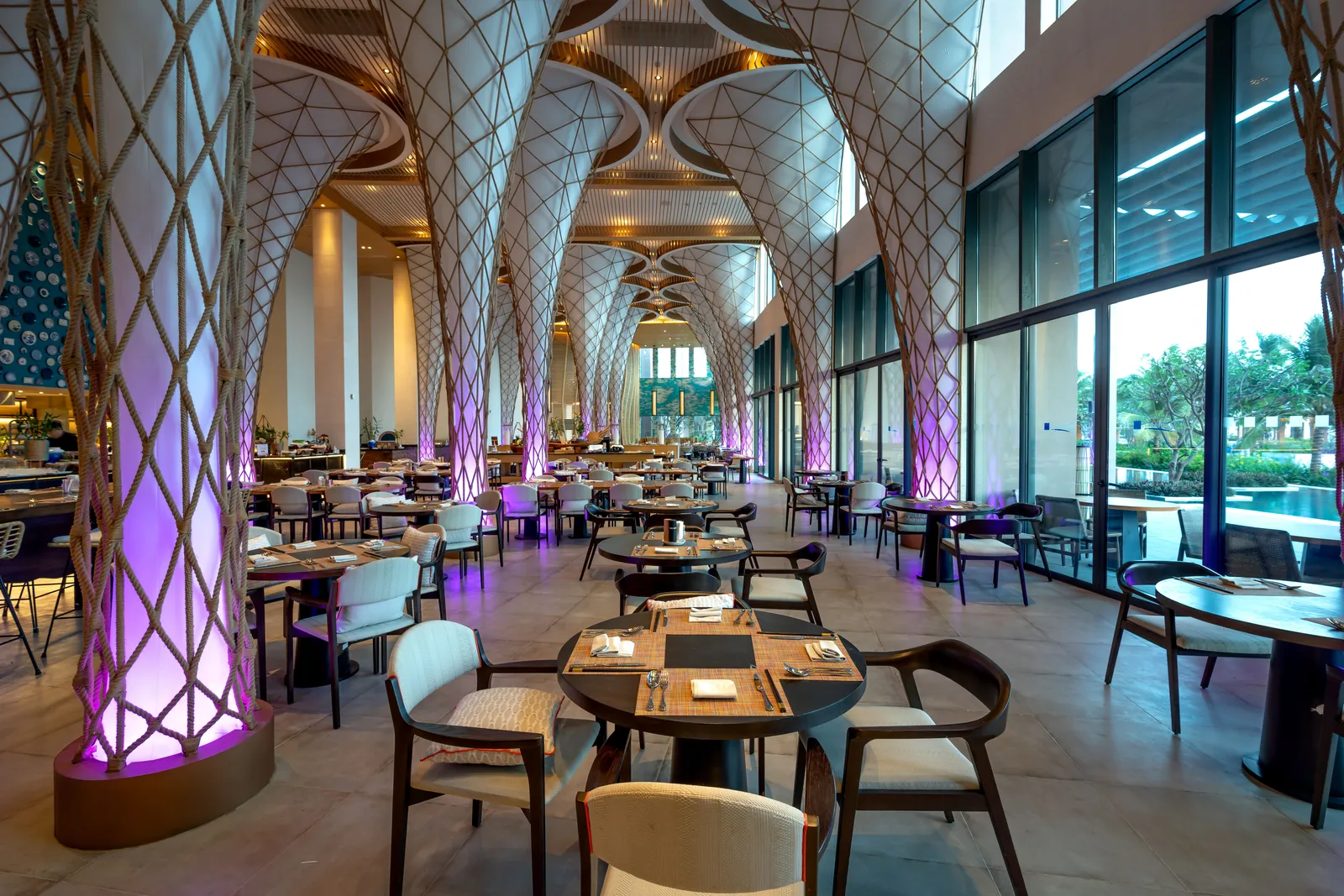
A hotel restaurant earns local trade when it behaves like a restaurant of its own: a name and menu people can find, hours that suit people who live nearby, a way to book without a room, and reasons to come back that have nothing to do with a stay. On Mosey, give the dining room its own listing, linked to the hotel, so locals and travellers both find it.

Why do locals stay away from the hotel restaurant?
Because the dining room was built for residents, and it shows. Locals seldom say so, and the room never comes to mind. Read this list as a set of questions to ask about your own room:
- It feels like it is for guests. A lobby entrance and a reception desk tell a local that the room belongs to someone staying.
- It has no identity of its own. If the restaurant appears only as a line on the hotel's website, a local searching for dinner never sees it.
- Booking goes through the hotel. A phone call to a switchboard is a bigger step than a booking link.
- The menu does not say what locals want. A residents' menu built for a captive audience reads as expensive or formal.
- There is no reason to return. A local who came once for a birthday has no prompt to come again.
None of these is a reason to cut the hotel out of the picture. They are reasons to run the dining room as a business with two audiences: the people sleeping upstairs, and everyone else.
Should the dining room be a business of its own?
Yes, in how it is listed, priced and talked about, even if the hotel owns it. A local choosing dinner compares it with every other restaurant nearby. It has to stand up on its menu, its ratings and how easy it is to book.
On Mosey that means two listings. The hotel is listed as a hotel, for Food Stays. The dining room is listed as a restaurant, with the full set of tools. The reason is how Mosey is built: a listing set up as a hotel is left out of the lists that show restaurants, such as Order Ahead and the restaurant search, and its dashboard is trimmed to Food Stays, so it carries no reservations, orders, loyalty or Gatherings. A dining room that lives only inside the hotel listing is invisible to a local looking for dinner.
If the hotel already has a listing that takes bookings or orders, keep it as the dining room. Mosey will not turn a listing into a hotel once it has taken orders or bookings, or has members. The hotel then becomes a second listing. The multi-site page shows how one login runs both.
Two ratings result, and Mosey never blends them. Guests rate the dining room for the food and the hotel for the break, and a traveller reading your hotel's page sees the two side by side. Local diners rating their Sunday lunch build the dining room's own record, and that record shows next to your break.
How do you set up the hotel and the dining room on Mosey?
In this order. Listing both costs nothing, and Food Stays takes no commission on a booking.
- Host the dining room. Host on Mosey as a restaurant, with the dining room's own name, photographs, hours and menu. A new listing goes through the same approval as any other.
- Host the hotel for Food Stays. Choose the option to set up for Mosey Food Stays when you create the hotel listing, write your food story and pick a plan. The plans run from €19.99 a month to €99.99 a month, plus VAT, by the number of live breaks. There is no commission and no fee per booking.
- Link the two. A break must link the restaurant that cooks the food. Because you own both listings, and your ownership of the dining room is approved, the link confirms itself. A neighbour's restaurant accepts the link from its own dashboard instead.
- Publish a break. The guide to selling food breaks without commission covers it. Guests book on your own website.
- Open the dining room to locals. The rest of this guide covers what to switch on.
The break sends travellers to your website. The dining room's listing is what a local finds. Treat them as two doors to the same kitchen. The Food Stays page lists the details.
What should the dining room's menu and hours say to locals?
That it is open to them, and what to order. The menu page is the sales pitch a local reads before booking.
- Name the dishes. Guests on Mosey find restaurants by the dish, so write each dish the way a diner would search for it.
- Show the hours that suit locals. If lunch runs on weekdays and Sunday lunch is the big sitting, say so. Residents' breakfast hours are not what locals look for.
- Declare allergens. Mosey shows the allergens you declare beside each dish. Never describe a dish as allergen free. The menu guide shows how to scan a printed menu.
- Add photographs of the food and the room. A local wants to see a dining room, not a lobby.
If the hotel's menu is long, write a shorter one for locals. A kitchen that cooks fewer dishes well beats a menu that tries to please everyone. The menu engineering guide helps you decide which to keep.
Does the hotel's name help or hurt the dining room?
It can do both, so decide what the dining room is called before you write a word of copy. A hotel's name tells a traveller the room is reliable and close to their bed. It can tell a local that the room is for someone else.
Give the dining room a name of its own where you can, and say in its description that it belongs to the hotel and that everyone is welcome. Put the chef's cooking, the dishes and the local suppliers first and the hotel second. A diner choosing dinner on Mosey sees the menu, the photographs and what other guests rated, so let the food carry the page.
Keep the two stories apart in your own head too. The hotel's story is a night away with dinner at the centre. The dining room's story is a good meal, on a Tuesday or a Sunday, for anyone who lives within reach. The same kitchen serves both, and each story needs its own page.
Ask a few regular guests, and a few people who have never come in, what they think the room is. Their answers tell you which of the five reasons above to fix first.
Which offers bring locals in midweek?
Offers that sit in the hours the hotel's own guests leave empty, and that are about food. Residents take breakfast and some dinners. Locals can take lunch, early evening and midweek.
- An early menu. A set menu for the early evening gives locals a reason to try you. The early bird guide shows how to price one that pays.
- A midweek lunch deal. A Deal Hour takes money off the food in a weekly window and applies by itself, with no code to leak. See the Deal Hours page.
- Afternoon tea or a set menu with a pairing. Price the pairing as its own item at its normal price.
Keep drink out of the discount. Regulation 4 of S.I. No. 4 of 2020 says a person shall not sell or supply an alcohol product at a reduced price or free of charge on the purchase of any other product or service. Mosey has its own check in Ireland: a Deal Hour or a member discount takes money off the food and leaves a line you have marked as alcohol at its menu price, so mark every drink. Ask your solicitor to check your own offers.
A hotel's drink licence is a conditional publican's licence, according to Revenue. Ask your solicitor what its conditions mean for serving people who are not staying and for a function.
How do you sell Sunday lunch, celebrations and gifts to locals?
Locals book the days that matter to them: Sunday, a birthday, an anniversary, a Christmas meal. Make each one easy to book and easy to pay for.
Bookings. Guests book a table from the app, a link or the phone, with no room needed. The paid Starter reservations plan at €79.99 a month (see pricing) adds booking deposits, the waitlist and party rules. The deposit goes to your own Stripe account, and Mosey takes no commission on it (the usual card fee applies). See table bookings with deposits.
Large parties. At a party size you choose, a booking can become a set-menu sitting with a deposit per head. Set-menu bookings are taken in the Mosey app, not through the website widget. The set menus page explains it.
Private dining. A communion lunch or a retirement dinner in a corner of the restaurant is a request, a quote and a deposit through Gatherings on the dining room's listing. Mosey takes 4.5% of the deposit, plus VAT. Wedding rooms and function suites that the hotel sells itself stay with the hotel's own systems, because the hotel listing has no Gatherings. See private hire.
Gift vouchers. A voucher for dinner or afternoon tea is a present locals buy for each other. The buyer pays at once, into your own Stripe account, and Mosey takes 4.5% of the value. The voucher is for the dining room, so a guest cannot spend it on a room. See gift vouchers.
How do you turn a local into a regular?
Give people a reason to return that does not depend on a stay or a discount on drink. Three tools do the work.
- Reply to every rating. A local who rates a dish and hears from the owner knows someone is listening. Replying is free.
- A food-led membership. A locals' supper club can carry a reserved Sunday table, a members' night, a food perk and priority for a new menu. Mosey takes 8% of membership payments, and in Ireland member discounts apply to food and leave drinks out. The supper club guide shows how to build one.
- A loyalty card. Stamps are free on every plan, and the reward can be a dish or a soft drink. See loyalty.
Say the offer out loud. Ask each server to mention the club, so a local hears about it at the table as well as on the page.
How do residents and locals share one kitchen?
By deciding who the room is for at each service, then setting the tools to match.
- Breakfast belongs to the residents. Plan it around the hotel's own bookings, which stay in the hotel's systems.
- Lunch and early evening belong to locals. Open your online bookings here.
- Keep a few tables for residents at dinner. Set a limit on covers for each sitting, and party rules on Starter, so the kitchen is never overbooked.
- Use the queue for the door. The walk-in queue is free on every plan. A guest scans a code and joins from their phone, and you call the next party that fits.
Mosey is not the hotel's booking system for rooms. It does not take payment for a room or run a channel manager. It fills the dining room.
What should you do this month, and how will you know it worked?
Work down this list.
- Give the dining room its own listing, with its own name, photographs, hours and menu.
- Link it to the hotel's breaks, and check that the food rating shows beside the break rating.
- Cut the menu for locals to what the kitchen does best.
- Pick one midweek hour and give it a food-only offer.
- Open bookings for Sunday lunch and take deposits on large parties.
- Put one gift voucher and one supper club in front of regulars.
- Ask every server to say the offers aloud.
- At the end of the month, count the covers that came from locals and compare with last month.
Mosey tracks where bookings come from on every plan, and loyalty shows who returned. Use the weekly measures guide to decide what to watch. If the numbers rise, repeat what worked. If they do not, change one thing and count again.
Ready to start with the dining room? Host on Mosey free, add your menu and open a Sunday for bookings. Every other guide for Irish food businesses is on the business guides page.
This guide is general information, not legal, tax or financial advice. Rules change and depend on your business and where it is, so check the current rule with the official body named in the guide and take advice from a solicitor or accountant in your area before you act.
Questions
Common questions
How do I get locals to eat in my hotel restaurant?
Run the dining room as a restaurant of its own. Give it a name, a menu page, hours that suit locals and a booking link that needs no room. Add a midweek food offer, a Sunday lunch and a reason to return, such as a supper club or a loyalty card.
Does a hotel restaurant need its own listing on Mosey?
Yes, if you want locals to find it. A listing set up as a hotel is left out of the lists that show restaurants, such as Order Ahead and the restaurant search, and its dashboard has no reservations or loyalty. List the dining room as a restaurant and link it to the hotel.
How do I link my restaurant to my hotel on Mosey?
When you build a break, you link the restaurant that cooks the food. If you own both listings and your ownership of the restaurant is approved, the link confirms itself. If the restaurant belongs to a neighbour, they accept the link from their own dashboard.
Do I pay Mosey commission on a Food Stays booking?
No. Food Stays carries a flat monthly fee by plan, with no commission and no fee per booking. Guests book on your own website at your own rate. See the [pricing page](/pricing/) for the Food Stays plans.
Can I discount drinks for local members or midweek diners?
Keep discounts on the food. Regulation 4 of S.I. No. 4 of 2020 bars alcohol at a reduced price or free on the purchase of another product or service. In Ireland, Mosey keeps discounts and rewards off any item you mark as alcohol. Ask your solicitor to check your offers.
Can I sell wedding packages and function rooms on Mosey?
Not for the hotel listing. A hotel listing has no Gatherings, and Mosey does not take payment for rooms. Private dining inside the restaurant can be a Gathering on the dining room's listing, with a quote and a deposit. Keep wedding sales in your own systems.
How do I stop locals filling the tables residents need?
Decide which services are for locals and open your bookings there. Set a limit on covers for each sitting, add party rules on the Starter reservations plan at €79.99 a month, keep some tables back for dinner, and use the free walk-in queue for the door.
How do I know whether locals are using the restaurant?
Count covers by source each month. Mosey tracks where bookings come from on every plan, and loyalty shows who returned. Compare locals this month with last month, and read the ratings for the kind of guest who is writing. Change one thing at a time.
More like this
Read next
An alcohol-free drinks menu that still makes margin
More guests are drinking less, in January and the rest of the year. Here is how to cost, price, name and sell an alcohol-free menu so it earns as well as the wine list, with the Irish VAT and offer rules checked.
A pub that does food: making the kitchen pay
A pub kitchen pays when its gross profit covers its own wages and running costs. Here is how to count it, which services to fill, what the alcohol rules say and how Mosey fits.
Auto-enrolment pension for Irish restaurants and cafés: what you pay and do
Since 1 January 2026 an Irish employer matches the pension contribution of each eligible employee. Here is who counts, what it costs on a wage bill, the payroll steps and what staff can opt out of.
Buying an existing café or restaurant in Ireland: what to check
Buying a café or restaurant means buying its debts, staff and paperwork as well as its regulars. Here is what to check at the CRO, Revenue, the council and the HSE, and what the staff transfer rules mean.
Get started
Host your business on Mosey. It is free to claim.
Free to list, no set-up fee, and Order Ahead is 1.5% commission when you start taking orders.