
For businesses
Serving alcohol in an Irish restaurant: the licences you need
Mosey · 22 November 2026 · 12 min read
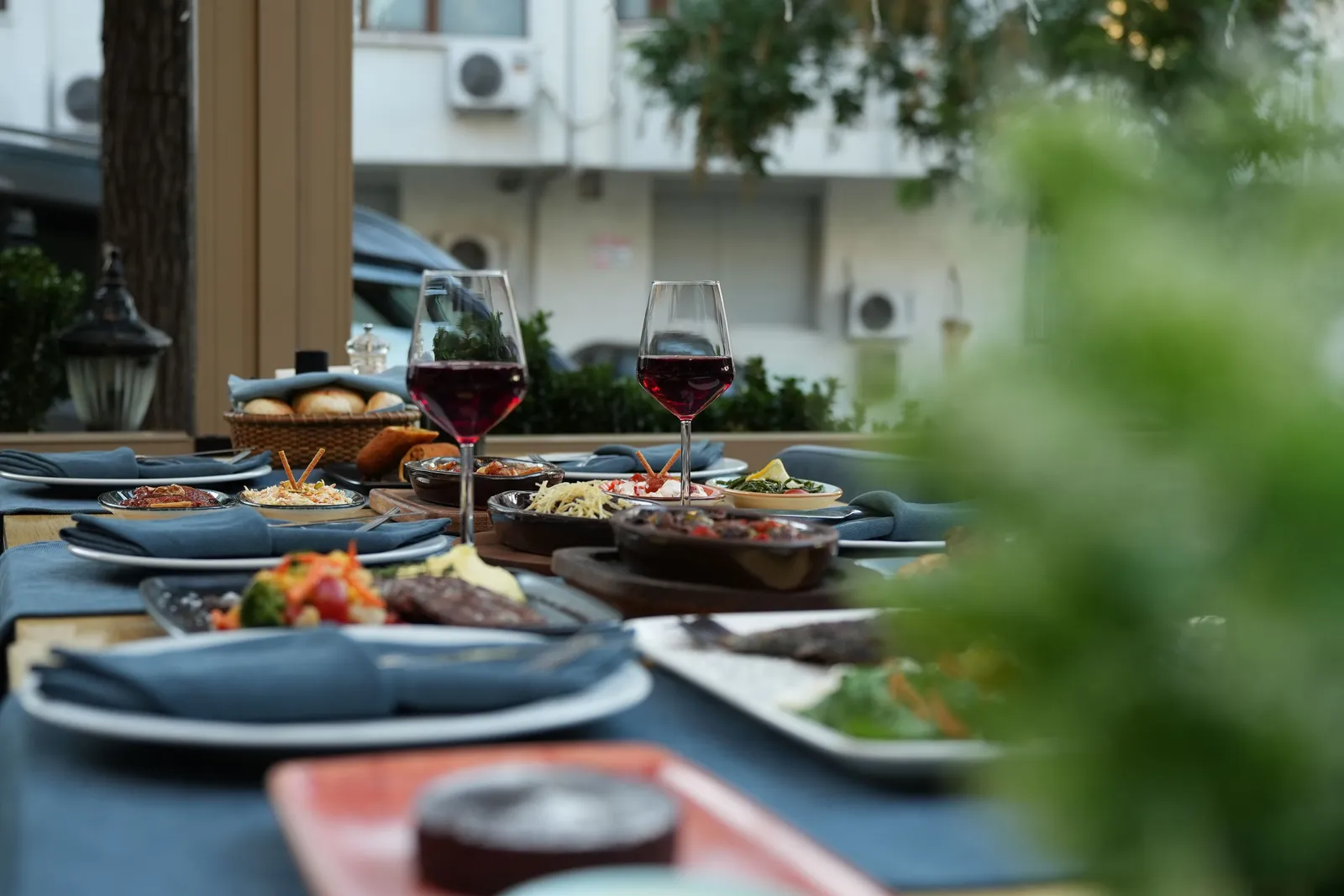
To serve alcohol in an Irish restaurant you need an on-licence from Revenue, often after a court certificate, not a council permit. For most restaurants that means a special restaurant licence (all drinks, served with a substantial meal, no bar) or a wine retailer's on-licence (wine and some other drinks). Check the current rule with Revenue and the Courts Service before you commit to a lease.

Do you need a licence to serve alcohol in your restaurant?
Yes, if you sell any. Food and drink are licensed separately. Registering your kitchen lets you serve food, not pour a glass of wine. The guide to registering a food business covers the food side. The drink side is slower, and it often decides your opening date.
The Courts Service says licensing is governed by the Intoxicating Liquor Acts 1833 to 2018 and the Registration of Clubs Acts 1904 to 2003, that it can be complicated and that you should consider legal advice. Take that seriously: a premises that cannot be licensed is far cheaper to discover before you sign the lease than after.
Revenue may only issue a new special restaurant licence once a court has granted a certificate. For a wine retailer's on-licence, you apply to Revenue, which notifies the Gardaí and the District Court clerk and invites you to pay if there is no objection after 30 days.
Which licence does an Irish restaurant need?
Three routes are open to a restaurant or café. Which one fits depends on what you want to pour.
- Special restaurant licence. All types of alcohol, sold with a substantial meal, in a restaurant with no bar. Revenue describes it as entitling the holder to sell all types of alcohol for consumption in their restaurant.
- Wine retailer's on-licence. Fine wine, sherry and fermented liquor under 23% vol, for a premises Revenue treats as a refreshment house. A restaurant certificate from the District Court can add beer with a meal.
- A full on-licence (publican's licence) with a restaurant certificate. A pub-style licence, with a certificate marking the premises, or part of it, as a restaurant. This is the route when the premises already carries a full on-licence, for example when you take over a licensed building.
A hotel restaurant is different again: Revenue describes a hotel licence as a conditional publican's licence for hotels, so ask the hotel which licence covers it.
A simple test helps. A full drinks menu with dinner and no bar counter points to the special restaurant licence. Wine on the table and little more points to the wine retailer's on-licence. A bar where people drink without eating is pub-licence territory, a much harder route.
What does a special restaurant licence allow, and what does it forbid?
It lets you sell alcohol with food, and it keeps you a restaurant. Revenue's page sets out the rules:
- The holder may sell all types of alcohol for consumption in the restaurant.
- There may be no bar on the premises.
- Non-alcoholic drinks, including drinking water, must be available. The alcohol-free drinks menu guide shows how to cost and sell them.
- Alcohol may be served in the waiting area where the customer has ordered a substantial meal, in the dining area during the meal, and within 30 minutes after the meal ends.
- Payment for the alcohol must be taken at the same time as the meal.
The Courts Service adds that the licence does not allow the sale of alcohol for consumption off the premises, that the court looks at the applicant's character and the suitability of the premises, and that it requires specific standards for dining area appointments and the number of toilets. It also says the licence allows sales for one additional hour after the hours a standard licence permits, but only from 12:30pm onwards.
The practical effect is that your drinks follow your meals. A guest who walks in for a drink alone is not who this licence is for, so settle any drinks-only event with your solicitor before you advertise it.
How do you get a special restaurant licence, step by step?
In two stages: a court certificate, then a Revenue licence. Here is the order as the Courts Service and Revenue describe it.
- Check the premises first. The court expects detailed plans with the area to be licensed outlined in red, and your engineer or architect to certify compliance with planning, building regulations and fire safety certificate conditions. Ask them before you sign a lease.
- Apply to the Circuit Court. Special restaurant certificates are heard there. The Courts Service says the application is usually drafted by legal counsel and carries a court fee that is separate from Revenue's. Circuit Court licensing sittings usually take place on the first day of each court term, so about four times a year, though the Dublin Circuit Court sits every five weeks.
- Give the notices. The application must be lodged at least 21 days before the court date. An Garda Síochána, the District Court clerk, the District Court judge and the Combined Court Office Manager must be notified at least 21 days before. The public is told by a local newspaper advertisement at least 21 days before. The Fire Officer must be notified at least 28 days before, and the HSE at least one month before.
- Go to court. You give sworn evidence, your engineer or architect is called, and the Fire Officer must have no objection.
- Take the certificate to Revenue. Revenue will only issue a new special restaurant licence where the court has granted a certificate, and it must receive the certificate within 12 months of its date. You send it to the National Excise Licence Office with the application form, signed by the licensee, a partner, or a company director or secretary.
- Clear the tax check. Every licensee needs tax clearance, and Revenue checks it automatically. Some applicants also need a certificate of incorporation or a business name registration.
- Pay and receive the licence. After processing, Revenue issues a first time application notice that invites you to complete the application and pay.
Allow months, not weeks: a missed sitting puts you back by a term.
What is a wine retailer's on-licence, and when does a restaurant certificate help?
A wine retailer's on-licence is the lighter route for a small restaurant or café that wants wine with food. Revenue says the holder may sell fine wine, sherry and fermented liquor containing less than 23% vol, and that the licence is confined to premises deemed a refreshment house. Revenue quotes the definition: houses, rooms, shops or buildings kept open for public refreshment, resort and entertainment between ten o'clock and seven o'clock the following morning, and not licensed for beer, cider, wine or spirits.
Beer is the usual gap. Revenue says that if you also want beer you may apply to the District Court for a restaurant certificate when licensed, which lets you sell beer with a meal. The Courts Service says an applicant must first hold an on-licence, such as a publican's on-licence or a wine retailer's on-licence, because it is the on-licence that permits the sale of alcohol. The certificate then marks the premises as a restaurant. A full certificate covers the whole premises, and a limited certificate covers a portion only, which cannot contain a public bar. With a publican's on-licence the holder can offer a full drinks menu. With a wine retailer's on-licence the holder offers wine and bottled beer only.
The court must be satisfied the premises is structurally adapted for use as a restaurant and is bona fide and mainly used as one. Expect to supply plans, planning and fire safety evidence, and evidence from the Garda superintendent. It is heard at the annual licensing court, which sits in September.
What does a restaurant licence cost, and when does it expire?
Two sets of fees apply, one to the court and one to Revenue. These are the figures published when this guide was written. They can change, so check the current rule with Revenue and the Courts Service.
| Item | What the source says |
|---|---|
| Special restaurant licence, Revenue | €3,805 for a new licence, €500 on renewal |
| Wine retailer's on-licence, Revenue | €500 each year |
| Special restaurant licence, court application | €330 per application, separate from Revenue's fee |
| Restaurant certificate, court application | €150 per application |
| Publican's licence, Revenue | €250 for a first licence, renewal based on the previous turnover of the business |
Add your solicitor, the engineer or architect, the newspaper advertisement and any works the plans call for.
On timing, the licensing year runs from 1 October to 30 September. Revenue says each of these licences expires on 30 September regardless of the issue date, so a licence taken out in spring still lapses that September. The National Excise Licence Office sends a renewal notice in early September. A court certificate is not needed again at renewal unless there has been an objection, the licence has lapsed for a full licensing year, it has been transferred during the year, or the mapped licensed area has changed. Diary the renewal date.
What if you buy or take over a restaurant that is already licensed?
Then you transfer the licence rather than apply for a new one, which is often quicker than starting from nothing. A new full on-licence is much harder. The Courts Service says a first-time new on-licence is only for a premises that has never had a full on-licence, and that you must extinguish, meaning legally terminate, an existing licence from another premises to be granted one.
For a transfer, the Courts Service describes two steps. First, an ad-interim transfer in the District Court puts the licence in the new holder's name and lets you trade until the next annual licensing court. It describes this for a pub, hotel, beer or spirit licence, and the reasons it lists include the sale or lease of a pub and the death of the licence holder. Second, the transfer is confirmed at the annual licensing court in September, and then you apply for the licence through Revenue. For a special restaurant licence or a wine retailer's on-licence, ask your solicitor which steps apply.
The court asks about your suitability. The Courts Service says the applicant must be a fit person, which does not require experience in the licensed trade, and that you will be asked about your knowledge, for example of the law on under-age drinking.
Before you buy, ask your solicitor which licence attaches to the premises, whether it is current and whether the licensed area matches what you will use.
Which other licences does a licensed restaurant need?
The alcohol licence is not the only one. These are the ones that most often catch an owner out.
- Music and singing. The Courts Service says an annual music and singing licence is required for any venue typically used for playing public music or singing, whether or not it is licensed to sell alcohol. It is a separate application to the court, and it is a different matter from the collecting-society licences in the music licences guide.
- A special exemption order. This extends opening hours after normal closing time, and the Courts Service says only the holder of an on-licence can apply. The holder of a special restaurant licence cannot.
- An occasional licence. This lets an on-licence holder sell alcohol at an unlicensed premises for a special event, for up to six consecutive days. The Courts Service excludes a special restaurant licence holder here too.
- Promotions and pricing. S.I. No. 4 of 2020 says a person shall not sell or supply alcohol at a reduced price or free of charge on the purchase of another product or service, or for three days or less below the previous day's price. Ask a solicitor before you run an offer that touches drink.
Will the licensing laws change?
Plan on the rules in force today. When this guide was written, the Courts Service still named the Intoxicating Liquor Acts 1833 to 2018 as the law that governs licensing. If you hear of a change, check the current position with the Department of Justice on gov.ie, and the current rule with Revenue and the Courts Service before you apply.
How does Mosey help a licensed restaurant or café?
Mosey does not sell alcohol, hold a licence or check yours. Your licence is yours, and so is what you pour under it. Mosey fills the tables that make the licence earn its cost and keeps its own offers off the drinks you mark as alcohol.
- Bookings that protect the meal. A special restaurant licence ties your drinks to a meal, so a full dining room is the licence paying its way. Guests book a table on Mosey. The paid Starter reservations plan at €79.99 a month (see pricing) adds booking deposits and the waitlist, which protects a Friday from no-shows. See table bookings with deposits.
- Events and tickets. A ticketed supper or tasting night sells out ahead of time. Mosey sells the ticket, and what may be served at the event has to fit your licence, so ask your solicitor before you advertise drink as part of a ticket. The supper club guide and the event tickets page cover the set-up.
- Memberships and loyalty that leave drinks out. In Ireland, Mosey keeps member discounts, loyalty rewards and promotions off items you mark as containing alcohol, and refuses to save a free-item perk or promotion linked to one, so mark every drink. A club built on tables, food and events suits a licensed restaurant. See memberships. Loyalty is free on every plan.
- A menu page led by the food. Guests find a restaurant on Mosey by the dish, rate what they ate and see the allergens you declare. The menu guide shows how to put your menu on Mosey.
If your licence is in hand or in progress, Host on Mosey free, add your menu and open your bookings before the licence arrives, so the tables are filling by the day you can pour. The guide to opening a restaurant in Ireland puts the licence in order with the rest of your opening, and every other guide for Irish food businesses is on the business guides page.
This guide is general information, not legal, tax or financial advice. Rules change and depend on your business and where it is, so check the current rule with the official body named in the guide and take advice from a solicitor or accountant in your area before you act.
Questions
Common questions
Do I need a licence to serve alcohol in my restaurant in Ireland?
Yes. Selling any alcohol needs an on-licence from Revenue, and a special restaurant licence also needs a court certificate first. Registering your food business does not cover drink. Many restaurants hold a special restaurant licence or a wine retailer's on-licence. Check the current rule with Revenue and the Courts Service.
What is a special restaurant licence?
It is a Revenue licence that lets a restaurant sell all types of alcohol for consumption on the premises. Revenue says there may be no bar, non-alcoholic drinks including drinking water must be available, and alcohol is served with a substantial meal and within 30 minutes after it ends.
Can a café serve wine without a full licence?
A wine retailer's on-licence covers fine wine, sherry and fermented liquor under 23% vol, for a premises Revenue treats as a refreshment house. Revenue says a restaurant certificate from the District Court can add beer with a meal. Spirits are not covered by this licence.
How much does a restaurant licence cost in Ireland?
Revenue publishes €3,805 for a new special restaurant licence and €500 on renewal, and €500 a year for a wine retailer's on-licence. The court charges its own fee, €330 for a special restaurant licence application. Fees can change, so check the current rule with Revenue and the Courts Service.
How long does it take to get a restaurant licence in Ireland?
Plan on months. A special restaurant licence needs a Circuit Court hearing, which usually sits once a term, notices of 21 days or more, a newspaper advertisement and then a Revenue application. A restaurant certificate is heard at the annual licensing court in September.
Can a restaurant with a special restaurant licence have a bar?
No. Revenue says the holder may not have a bar on the premises, and the Courts Service says the licence does not allow the sale of alcohol for consumption off the premises. A pub-style bar needs a full on-licence, which is a much harder application.
When does an Irish restaurant alcohol licence expire?
Revenue says the licensing year runs from 1 October to 30 September and that the licence expires on 30 September each year, whatever the issue date. The National Excise Licence Office sends a renewal notice in early September, and tax clearance is checked automatically.
Does Mosey sell alcohol or hold a licence for my restaurant?
No. Mosey does not sell alcohol, hold licences or check them. It helps a licensed restaurant or café with bookings, event tickets, memberships, loyalty and a menu page, and in Ireland it keeps member discounts, perks and promotions off items marked as alcohol.
More like this
Read next
A hotel restaurant that locals use too
A hotel dining room earns local trade when it acts like a restaurant of its own. Here is why locals stay away, how to set the dining room up on Mosey beside your hotel, and which offers fill it.
An alcohol-free drinks menu that still makes margin
More guests are drinking less, in January and the rest of the year. Here is how to cost, price, name and sell an alcohol-free menu so it earns as well as the wine list, with the Irish VAT and offer rules checked.
A pub that does food: making the kitchen pay
A pub kitchen pays when its gross profit covers its own wages and running costs. Here is how to count it, which services to fill, what the alcohol rules say and how Mosey fits.
Auto-enrolment pension for Irish restaurants and cafés: what you pay and do
Since 1 January 2026 an Irish employer matches the pension contribution of each eligible employee. Here is who counts, what it costs on a wage bill, the payroll steps and what staff can opt out of.
Get started
Host your business on Mosey. It is free to claim.
Free to list, no set-up fee, and Order Ahead is 1.5% commission when you start taking orders.