
For businesses
How to take deposits for cakes and custom orders
Mosey · 15 November 2026 · 7 min read
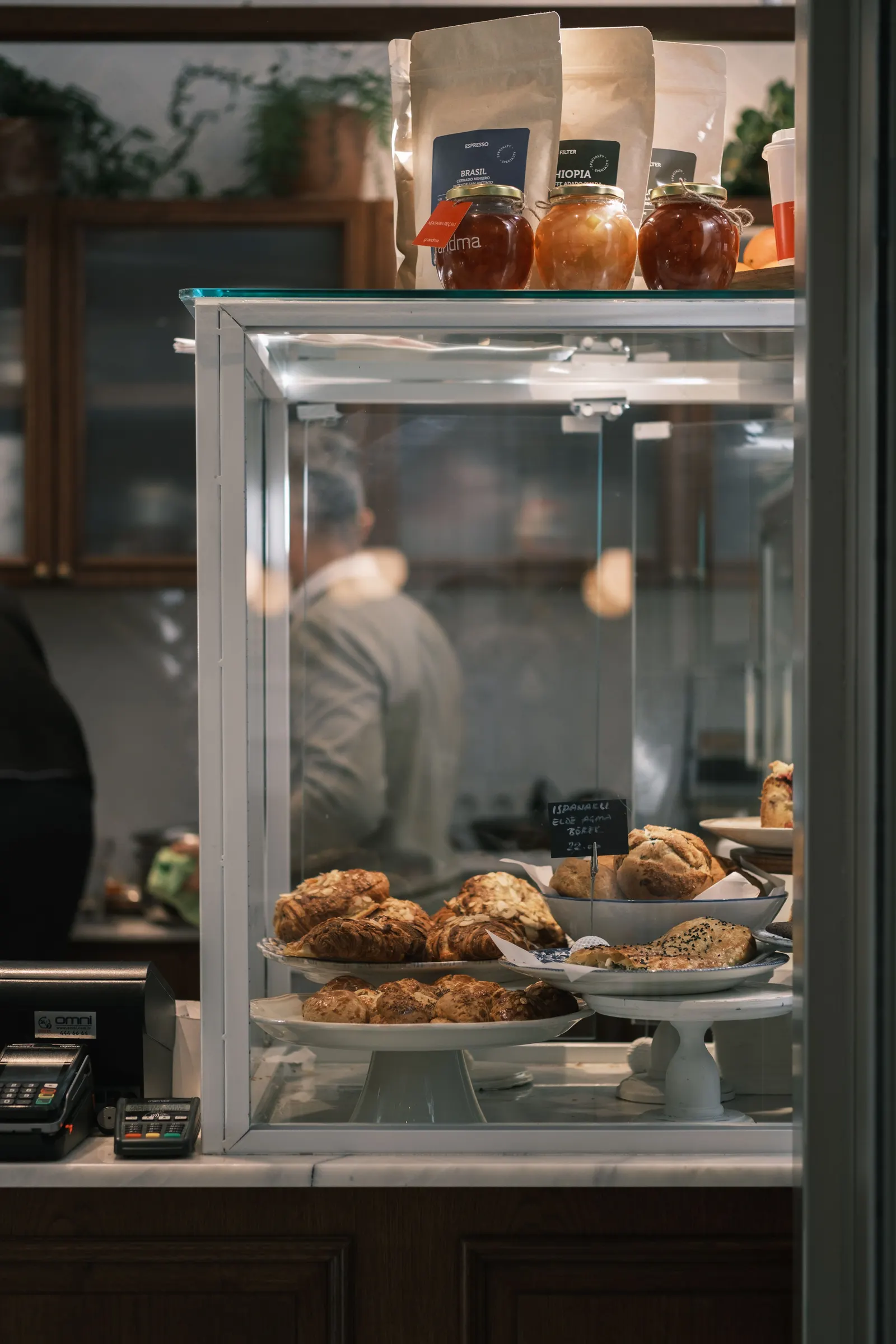
To take a deposit for a cake or custom order, quote the design and the date, take part of the price when the customer says yes, and set the balance to fall due before you start baking. Standard cakes ordered within a week can be paid in full at the time of order. Either way, the money arrives before the flour is weighed, and a customer who has paid comes back for their cake.

Why do custom cake orders go unpaid?
A custom order starts as a conversation. Someone rings or messages about a birthday cake, you talk through the design, you agree a price and a date, and you write it in the book. Nothing has been paid. On the day, most people collect. The ones who do not are the ones you remember: three tiers of sponge for a party that was called off, and nobody answering the phone.
Unpaid orders also cost you before the day. You turn down other work for that date, you buy the decorations, you spend an evening on sugar flowers. If the order falls through, all of that is gone.
Taking money when the order is placed fixes both. A paid order is a real order, and you can plan the week around it. The guide to taking payment in advance covers the other ways a food business can be paid first. The bakery software guide covers the rest of a bakery's week. The guide to growing a bakery's pre-orders and collection trade shows how cake orders fit into the wider plan.
How do you quote a custom cake?
Price the cake before you talk about the deposit. Start with the ingredients, including anything you buy only for this order, then the decorations and boxes. Add your time, counted honestly: the design conversation, the bake, the filling, the icing and the finishing. Then add a share of the oven, the electricity and the rent. The food cost guide shows how to work out what goes into a price.
Write the quote down, even for a regular. Name the size, the number of portions, the flavours, the design and the collection date and time. Give it a short life, a week or two, so a customer who comes back in three months gets a fresh price.
A written quote is also the place to set the deposit, the balance date and the cancellation rule, so the customer reads all of it before they say yes. A customer who has read the terms before paying is a customer who seldom argues about them later.
How much should you take up front?
Match the deposit to what you stand to lose. For a standard cake from your range, take the full price when the order is placed. You would sell the same cake over the counter, and a customer ordering a week ahead expects to pay then.
For bespoke work, take enough to cover what you cannot get back: the special ingredients, the decorations, the time spent on the design and the other orders you turned away for that date. Many bakers take somewhere between a third and a half, and more for wedding and large celebration cakes, where the date is booked months ahead.
Say the figure plainly when you quote. "A deposit of half holds your date, and the balance is due a week before" is a sentence nobody argues with.
When should the rest of the money fall due?
Before you start the work. If the balance is due on collection, you are still baking on a promise. Set it for a few days to a week before the date, early enough to chase and early enough that an unpaid balance can still release the date.
For a wedding or a big celebration, consider a second payment at the tasting or when the design is signed off. Each step gives the customer a moment to commit and you a moment to stop if they do not.
What happens when a customer cancels?
Decide your rule before anyone cancels, and write it down. A fair rule has tiers: cancel early and most of the deposit comes back; cancel late and less does; cancel once the ingredients are bought or the work has started and the deposit is kept.
Tell the customer the rule when they pay, not when they cancel. A rule they agreed to is a rule they accept. A rule they hear about afterwards feels like a penalty.
Be generous where it costs you little. A customer who cancels a month out has cost you a phone call, and giving most of their money back earns you their next order. A customer who cancels the day before has cost you the ingredients and a day's work, and keeping the deposit is fair. If the date can be moved instead of cancelled, offer that first.
Goods made to a customer's own design are treated differently from ordinary purchases under consumer law, so check the current rule with the Competition and Consumer Protection Commission before you write yours.
How do you stop changes eating the margin?
Custom orders change. The colour, the message, the number of guests, the flavour of the middle tier. Agree a cut-off after which the design is fixed, and price any change made before it. More guests means a bigger cake, and a bigger cake means a top-up.
Keep every change in writing in the same place as the order, so the person icing the cake sees the final version and not the first one. The catering payment guide covers changes to a booked job in more detail, because large celebration cakes work the same way.
How do you take cake orders and deposits on Mosey?
Mosey is Irish-built and Irish-run, and it gives a bakery two ways to be paid before the bake, both into your own Stripe account.
Standard cakes, paid in full. Put your celebration range on your menu with Order Ahead, with sizes and extras, and a notes box for the message on top. A customer picks a collection time from the slots you open, anywhere from thirty minutes to seven days ahead, and pays by card when they order. You cap how many orders each slot can take, so the bake never outgrows the oven. Mosey takes 1.5% of the food, and the customer pays a small booking fee on top. The pre-order guide covers the Christmas and Easter rush.
Bespoke cakes, with a deposit and a balance. For work booked further out, switch on catering. The customer sends a request with the date, the numbers and what they want. You answer with a quote, and when they accept, they pay the deposit you set in the app. The balance falls due at the point you set, your refund tiers and your cut-off for changes are fixed the moment they accept, and an unpaid deposit releases the date. A change after that is priced as a new quote, with a top-up or a refund worked out for you. When the cake is ready you mark it ready for collection. Catering carries 3% of the job, and the customer pays a booking fee.
See pricing for every figure, and ordering ahead for what your customers see.
What should you put in writing for every custom order?
Whichever way the order arrives, every custom order needs the same things written down: the design, the size and the flavours; the date and time of collection; the price, the deposit and when the balance is due; your cancellation rule; and any allergies. A customer who reads all of that before paying has no surprises on the day.
Add a line about collection. Say how long you will hold a cake that is not collected on the day, and that a cake left past that time is not refunded. Say whether you deliver, and what it costs. Then keep the order, every change and every payment in one place, so whoever is on the counter when the customer arrives can find it in seconds.
Where should you start?
Take the cakes you are asked for most and put them on your menu for collection, paid at order. Then set your deposit, balance and cancellation terms for bespoke work before the next wedding enquiry arrives. Host on Mosey free, connect your Stripe account and take your next order with the money already in.
More in the guides for food businesses.
This guide is general information, not legal, tax or financial advice. Rules change and depend on your business and where it is, so check the current rule with the official body named in the guide and take advice from a solicitor or accountant in your area before you act.
Questions
Common questions
How much deposit should I take for a custom cake?
Enough to cover what you cannot get back if the order falls through: special ingredients, decorations, design time and other work turned away. Many bakers take a third to a half, and the full price for standard cakes from their range.
When should the balance on a cake be paid?
Before you start the work, usually a few days to a week before collection. Due on collection means you are still baking on a promise, and an early date gives you time to chase or release the date.
What if a customer cancels a custom cake?
Your written rule applies. A tiered rule is fairest: most of the deposit back if they cancel early, less if they cancel late, and nothing once the ingredients are bought or the work has started. Show it before they pay.
How far ahead can customers order a cake for collection on Mosey?
With Order Ahead, from thirty minutes to seven days ahead, paid by card when they order. For bespoke cakes booked further out, catering requests take a deposit when the customer accepts your quote.
Can I charge for changes to a cake design?
Yes. Agree a cut-off after which the design is fixed and price changes made before it. On Mosey a change to a catering booking is priced as a new quote, and the top-up or refund is worked out for you.
More like this
Read next
A hotel restaurant that locals use too
A hotel dining room earns local trade when it acts like a restaurant of its own. Here is why locals stay away, how to set the dining room up on Mosey beside your hotel, and which offers fill it.
An alcohol-free drinks menu that still makes margin
More guests are drinking less, in January and the rest of the year. Here is how to cost, price, name and sell an alcohol-free menu so it earns as well as the wine list, with the Irish VAT and offer rules checked.
A pub that does food: making the kitchen pay
A pub kitchen pays when its gross profit covers its own wages and running costs. Here is how to count it, which services to fill, what the alcohol rules say and how Mosey fits.
Auto-enrolment pension for Irish restaurants and cafés: what you pay and do
Since 1 January 2026 an Irish employer matches the pension contribution of each eligible employee. Here is who counts, what it costs on a wage bill, the payroll steps and what staff can opt out of.
Get started
Host your business on Mosey. It is free to claim.
Free to list, no set-up fee, and Order Ahead is 1.5% commission when you start taking orders.