
For businesses
How to run a pop-up restaurant in Ireland
Mosey · 15 November 2026 · 7 min read
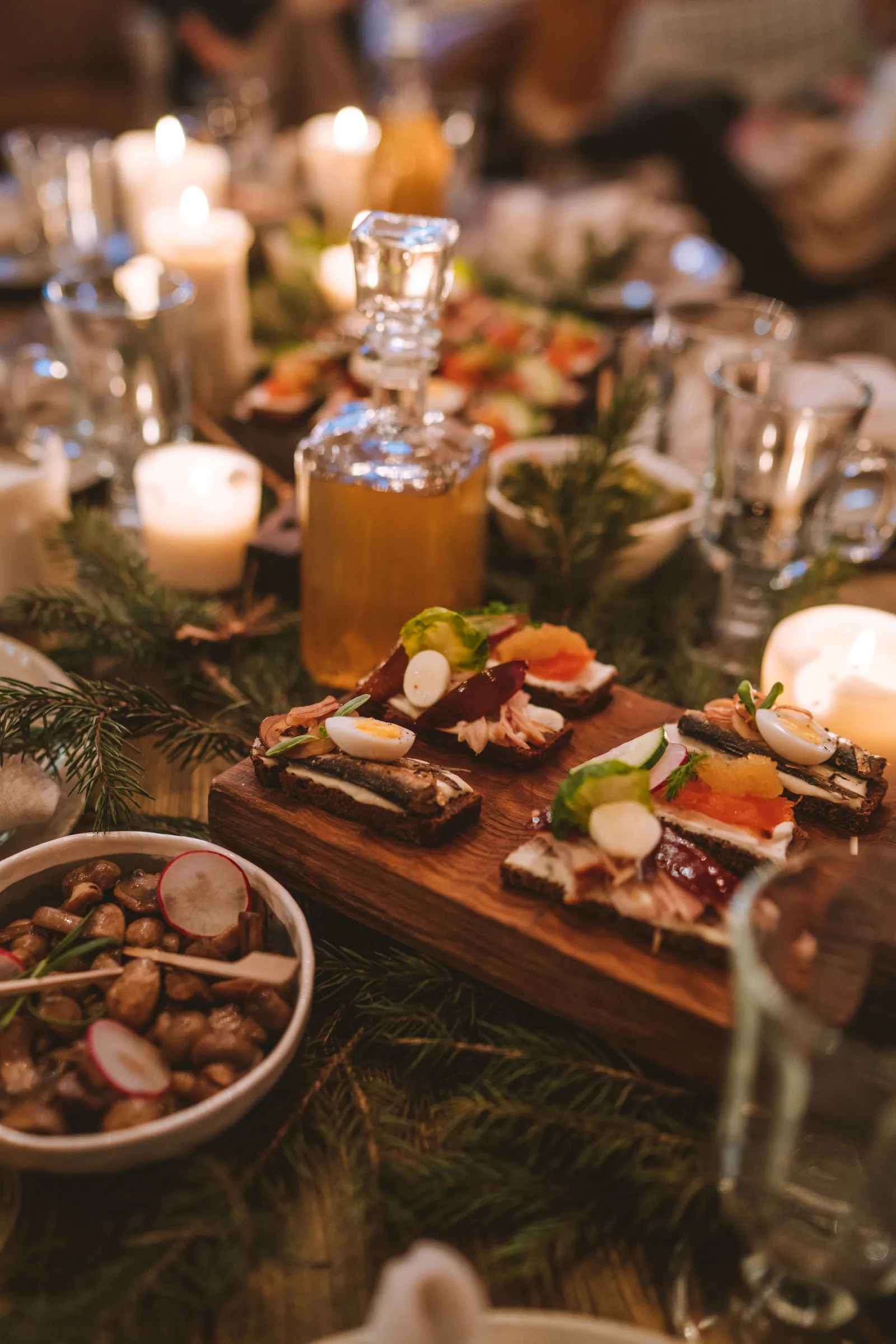
To run a pop-up restaurant in Ireland, find a room with a kitchen you can use for the night, make sure your food business is registered and insured, cook a short menu at a set price, sell every seat before the night and give people a way to follow you to the next date. A pop-up is a way to test your food, build a following and earn money without signing a lease. It works when the night is planned like a restaurant service, not a party.

Where can you hold a pop-up without your own premises?
The best pop-up rooms already have a working kitchen:
- A restaurant on its closed day. Many owners will rent their room and kitchen on a Monday or Tuesday. The room hire guide shows what they will ask of you.
- A café after hours. Small, warm and often with a kitchen that sits idle in the evening.
- A pub with a function room. The bar is run by the pub, you run the food.
- A community hall or a shared kitchen. Check the kitchen is fit for what you cook.
- A farm, a gallery or a shop. A memorable setting sells seats, but you may need to bring a mobile kitchen.
Agree in writing what you may use, the hours, who cleans and who serves any drink. Visit the kitchen before you plan the menu, and cook a test dish in it if you can.
What do you need in place before you cook?
A pop-up is a food business, even for one night. If you are not already registered, you need to be. Check the current rule with the FSAI or your HSE environmental health officer before you sell your first seat, and give yourself time: it is not a same-week job. The registration and HACCP guide covers the food safety plan and what an inspector looks for.
Then the rest of the list:
- Insurance. Public liability cover for your event, and check what the room's own policy covers.
- Allergens. Written allergen information for every dish. The allergen guide explains what to provide.
- Drink. Selling alcohol needs a licence, so either the room's licence covers it or guests bring their own where that is allowed. Check the current rule with your solicitor.
- People. Someone on the floor, someone washing up and you on the pass. Do not try to do it alone.
How do you plan a pop-up menu and price?
Keep the menu short: a set menu of three to five courses, or a choice of two at each course at most. You are cooking in an unfamiliar kitchen with a small team, and every extra dish is a new way for the night to go wrong.
Build the menu around what you want to be known for. A pop-up is a calling card, so the dish people talk about the next day matters more than the number of courses. Ask about dietary needs when people buy a ticket and plan one vegetarian route through the whole menu from the start, rather than inventing a plate on the night.
Price per head, and include everything you can in the ticket. Add up the food, the room hire, your team, the hire of anything you bring, the drinks you include and the cost of selling the tickets, divide by the seats, and add your margin. The ticketed event guide walks through the sum and shows where a pop-up stops paying.
How do you sell seats before the night?
Sell tickets, not reservations. A pop-up with forty seats and ten no-shows loses a quarter of its takings with the food already bought. A paid ticket means the money is in before you shop.
On Mosey, event tickets do this. You set ticket types and a capacity, guests buy in the app, a waitlist forms when you sell out, and you check people in at the door by scanning their ticket. If you have to cancel, every ticket is refunded. Mosey takes 4% commission on ticket sales and the money goes to your own Stripe account. The event tickets guide covers set-up, and events shows what a guest sees.
How do you tell people where you are this week?
A pop-up has no fixed address, so people need a way to find the next one. Most pop-ups rely on social media, where a post is gone by lunch. Collect the names of people who loved the night, and give them one place to look for the next date.
On Mosey you can host as a pop-up rather than a fixed address. You give your home town, then post dated appearances: a name, an address, a start and an end, and the menu you will serve there. Your pin shows on the map only while an appearance is live, so nobody is sent to an empty room. Followers who turned on updates are told when you post a new date, and your upcoming dates appear in the events feed. Posting appearances and notifying followers cost nothing.
People can rate your dishes after each night, so your page builds a record of what you cook wherever you cook it. The pop-ups, food trucks and markets guide covers the listing in more detail. If you sell coffee from a van or a kiosk instead, the coffee van guide covers the pitch, the hatch and the regulars.
How do you work in a kitchen that is not yours?
Cooking in someone else's kitchen is the hardest part of a pop-up. Every drawer is in the wrong place and the oven runs hot or cold in ways you will only learn on the night.
- Visit twice. Once to look, once to cook a test dish at the time of day you will be cooking.
- Check the equipment against your menu. Count the burners, the oven shelves, the fridge space and the plates. If you need forty of something, count forty.
- Bring your own small kit. Your knives, your tongs, your squeeze bottles, your thermometer, and the one pan you cannot cook without.
- Ask about the power. Some rooms trip a fuse when the dishwasher, the oven and the coffee machine run at once.
- Agree the clean-down. Leave the kitchen cleaner than you found it, and you will be asked back.
How do you run the night itself?
Treat it like a full service with a fixed start:
- Prep everything you can the day before, in your own registered kitchen if the rules allow it.
- Arrive early and set the room, the pass and the wash-up before anyone else is there.
- Seat everyone at once, or in two sittings, so courses go out together.
- Brief the floor team on every dish, its allergens and the order of the night. Taste every course with them before the doors open, so they describe it in their own words.
- Say a few words. People come to a pop-up for the cook as much as the food. Tell them where you are next.
Keep a short running order on the pass: when each course goes, who clears and when the room turns. Everyone on the team should know it before the first guest arrives.
How do you turn a pop-up into something regular?
A good pop-up ends with people asking when the next one is. Have an answer. Post the next date on the night, so followers hear about it while the meal is fresh. The morning after, count the takings against the costs, reply to the people who rated your dishes and write down what you would change, while the night is still fresh in your mind. Some cooks settle into a monthly night in the same room; the supper club guide shows how to run one. Others take their food to markets and festivals, which the market trading guide covers.
Where should you start?
Find a room, check your registration and insurance, and plan one night of forty seats with a short menu. Sell the tickets before you buy the food. Mosey is Irish-built and Irish-run, and made for cooks like you. Host on Mosey free as a pop-up, post your first date so people can follow you, and sell the seats with event tickets.
More in the guides for food businesses.
This guide is general information, not legal, tax or financial advice. Rules change and depend on your business and where it is, so check the current rule with the official body named in the guide and take advice from a solicitor or accountant in your area before you act.
Questions
Common questions
Do I need to register a pop-up restaurant in Ireland?
A pop-up is a food business, even for one night, so it needs to be registered. Check the current rule with the FSAI or your HSE environmental health officer well before you sell your first seat.
Where can I run a pop-up restaurant without premises?
A restaurant on its closed day, a café after hours, a pub function room or a community kitchen. Agree in writing what you may use, the hours, who cleans and who serves any drink.
How do I stop no-shows at a pop-up?
Sell paid tickets rather than taking reservations. On Mosey, guests buy tickets in the app, a waitlist forms when you sell out, and the money is in before you shop for the food.
Can a pop-up be listed on Mosey without an address?
Yes. Host as a pop-up with your home town, then post dated appearances with an address, a start and an end. Your pin shows only while an appearance is live, and followers are told when you post.
Can I serve wine at my pop-up?
Selling alcohol needs a licence, so either the room's licence covers your night or guests bring their own where that is allowed. Check the current rule with your solicitor before you plan the drinks.
What does it cost to post pop-up dates on Mosey?
Posting appearances and notifying your followers cost nothing. If you sell tickets for the night, Mosey takes its published event commission on the tickets, shown on the pricing page.
More like this
Read next
A hotel restaurant that locals use too
A hotel dining room earns local trade when it acts like a restaurant of its own. Here is why locals stay away, how to set the dining room up on Mosey beside your hotel, and which offers fill it.
An alcohol-free drinks menu that still makes margin
More guests are drinking less, in January and the rest of the year. Here is how to cost, price, name and sell an alcohol-free menu so it earns as well as the wine list, with the Irish VAT and offer rules checked.
A pub that does food: making the kitchen pay
A pub kitchen pays when its gross profit covers its own wages and running costs. Here is how to count it, which services to fill, what the alcohol rules say and how Mosey fits.
Auto-enrolment pension for Irish restaurants and cafés: what you pay and do
Since 1 January 2026 an Irish employer matches the pension contribution of each eligible employee. Here is who counts, what it costs on a wage bill, the payroll steps and what staff can opt out of.
Get started
Host your business on Mosey. It is free to claim.
Free to list, no set-up fee, and Order Ahead is 1.5% commission when you start taking orders.