
For businesses
How to keep more loyal customers: a retention plan for your restaurant or café
Mosey · 15 November 2026 · 11 min read
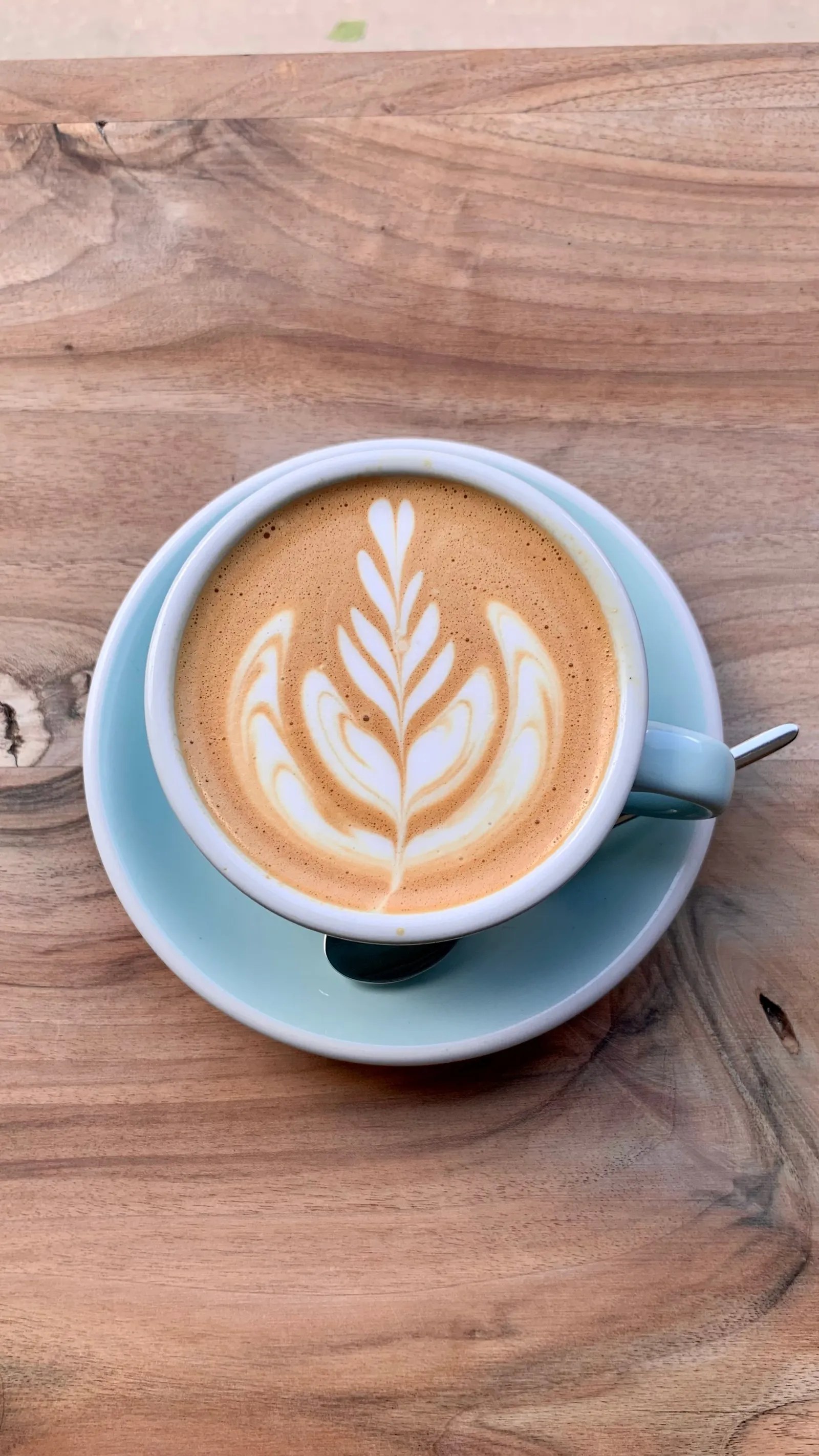
To keep more loyal customers, work on four moments in order: the second visit, the regular, the member and the customer who has gone quiet. Count how many come back, give each moment one clear offer, ask only people who agreed to hear from you, and check each month which offer moved the number.

Why do customers stop coming back?
Rarely because of a bad meal. People drift. Somewhere new opens, a job changes, the first visit was pleasant but nothing gave them a reason to return on a particular Thursday. Nobody decided against you. Nothing decided for you.
That is good news, because drifting is fixable. You do not need a bigger budget or a brand makeover. You need a reason to come back, offered at the right moment, to someone who is happy to hear it.
It also pays to say the sum out loud. Here is an example, with round numbers that are not Mosey data. A regular who spends 6 euro on a coffee and a scone and comes once a week is worth about 300 euro a year. Losing ten such regulars in a season costs about 3,000 euro, and no new customer arrives to say thank you for it. Keeping people is the cheaper job, and the one most owners leave until the rota is sorted.
How many of your customers actually come back?
You cannot improve what you have not counted, and most owners guess. Start with a rough count: of the people you served last month, how many had been before? Your till, your bookings and your own memory give you a feel for it.
Mosey gives you one clear number for free. Every rating on Mosey counts as a visit, and the Returning Raters panel in your ratings analytics shows how many people have rated you more than once, as a share of everyone who has rated you. It is measured across all time, not the last week, because a return visit is a slow signal and a short window would show zero for nearly every business. It also shows how the average rating moved between a person's first and latest visit, which tells you whether regulars are getting happier or drifting.
Read it with care. It counts raters, not every customer, so it is smaller than your door count by design. Treat it as a trend line: write it down on the first of the month and look for it to rise.
Two other numbers are worth a minute. How many of your regulars have not been in for a month? And how many first-time customers never made a second visit? The rest of this plan is built around those two groups. The guide to what to measure each week sets out a routine, and analytics and your customer data shows where each figure lives.
What does a retention plan look like?
Think in four moments. Each has a different customer, a different reason to leave and a different fix.
| Moment | Who they are | What goes wrong | The fix |
|---|---|---|---|
| The second visit | Came once, liked it | Nothing prompts a return | A small, quick reason to come back soon |
| The regular | Comes most weeks | Taken for granted | Recognition and a reward that arrives on its own |
| The member | Wants to commit | No way to say so | A paid plan with real perks |
| The quiet one | Used to come, has stopped | Nobody noticed | A personal nudge, once |
Do not try to run all four from day one. Pick the moment where you lose the most people and start there. For most cafés and restaurants that is the second visit, because it is the largest group and the cheapest to win.
How do you win the second visit?
The first visit is a trial. The second is a habit starting. Your job is to make the second one easy and soon.
Ask for the next visit while the first is fresh. A line at the till works: "We do a different soup every Tuesday." A card with a stamp already on it works better, because a person with one stamp out of eight has a reason to finish the card.
Keep the offer small and specific. A free coffee after your fifth visit beats a vague "come back soon". If you sell online, a note in the collection bag with the next quiet day does the same job.
A stamp card is the simplest tool, and on Mosey loyalty is free on every plan, with no commission and no monthly fee. A customer earns automatically when they pay through Mosey, and at the counter they open their card with a tap on your Mosey tag or a six-digit code, and your staff add the visit. A tap is a request, never a grant: your staff confirm it, and they can undo it within 15 minutes if it was a mistake. If a bill is refunded, what it earned is taken back, so a refund never leaves a free reward behind. The guide to running a stamp card that brings people back covers the design in detail, and how to run a loyalty programme has the set-up steps.
One design rule matters more than any other: make the first reward close. If it takes twelve visits to earn anything, a casual customer never believes they will get there. Start with a reward a person can reach in four or five visits, then add a bigger one for the true regulars.
How do you reward regulars without giving away your margin?
Your regulars are your most profitable customers. They need no discount to come in. They need to feel known, and an occasional surprise.
Reward the behaviour you want, not the habit you already have. A few ways that cost little:
- A reward on the item you want to sell. A stamp card that counts your breakfast or your Tuesday special steers regulars towards a plate that works for you.
- A bonus day for a quiet time. Double stamps on a slow weekday move a visit into a day that needs it, rather than discounting a day that is already full.
- A birthday treat. On Mosey you set a free item, a percentage or an amount off for loyalty members. It lands automatically for 14 days around their birthday, once a year, and only for members who have a birthday on their profile. Staff do nothing. The birthday offer guide shows how to choose the treat.
- A small surprise. Staff can add a bonus stamp to someone who had a bad day or a long wait. It costs a few cents and people remember it.
Put a ceiling on each one. Work out what a reward costs you in ingredients and time, not at menu price, and check that your regulars' extra visits cover it. A free coffee that costs you under a euro, given to someone who then spends eight more times, is a good trade. A big percentage off every bill for everyone is not.
Should you offer a paid membership?
Some regulars will pay to belong. A mug club, a coffee pass or a supper club turns "I come here a lot" into "I am a member", and it gives you money before the visit, into your own Stripe account.
A membership is a different tool from a stamp card. A stamp card rewards visits after the fact and costs you nothing until someone earns. A membership asks for money first and promises perks in return, so it needs a margin check: what does a member get, how often, and what does that cost you? Mosey runs that check before you publish a plan, and charges 8% of the subscription fee with no monthly fee. See the pricing page for every rate.
Two rules keep you honest. A member who cancels keeps their perks to the end of the period they paid for. And in Ireland the 14-day right to cancel can apply to the first cycle of a membership if the member has not used it yet, so write your terms with that in mind.
Memberships also give you a way to talk to your best customers. If you have an active plan, you can send up to four letters a month to members who agreed to hear from you, and one of them can also go out as a push, at no charge. A letter is a place to say what is new on the menu, not another discount.
Not sure which tool you need? The guide to choosing between a membership and a loyalty card walks through it, and the membership features page shows the templates.
How do you win back customers who have gone quiet?
Every business has people who were regulars and stopped. Most owners never notice, and a message sent at the right moment brings a good share of them back.
Start by defining quiet. For a café it might be a regular who has not been in for five weeks. For a restaurant it might be a diner who booked twice and has not booked in three months. Pick a number that fits how often your customers normally come.
Then choose one offer. Mosey lets you build a customer group from conditions, such as members who have stopped coming, regulars who have gone quiet, or people who came once and never returned, and see how many are in it before you send. You can attach a fixed-amount voucher that runs for 1 to 90 days, or a loyalty bonus such as two extra stamps on their card. You cannot send a percentage-off offer, by design. A fixed voucher has a known cost to you and is easy to understand.
Three safeguards run on every send. Mosey checks that the person has offers from your business switched on. It will not write to the same person twice for one campaign. And it holds back anyone you messaged in the last seven days from another send. Held-back people are picked up later, not lost.
You see the price per person before you pay, and unspent budget is refunded if you end a campaign early. The results count what happened in the 48 hours after: orders, payments and bookings. The guide to winning back customers who stopped coming has wording and timing, and automatic customer messages shows how to set them to run on their own. The win-back feature page lists the groups.
Who are you allowed to message?
People who said yes, as a rule. The Data Protection Commission says electronic direct marketing by email or text needs clear, affirmative consent under the ePrivacy Regulations, read alongside GDPR. The one exception covers existing customers whose details you got in a sale, and only when you market your own similar products, gave them a chance to object then and in every message, and send the first message within 12 months of that sale. A follow or a rating is not a sale and does not mean a person wants offers.
Build the list the right way from the start. Ask at the point of sale, make the question clear and keep the answer. On Mosey, offers are switched on or off per business and checked on every send, and anyone who turned them off is left out. A guest who joins your rewards starts with your offers off, with an unticked box on the join screen; that is a Mosey setting, not your legal basis, so decide which basis you rely on. Mosey does not give legal advice. Your own list, outside Mosey, needs the same care. The guide to building a customer list for your restaurant covers it, and owning your customer list explains why it is worth the effort.
Never ask staff, friends or family to rate you to make a trend line look better. It breaks the trust that makes ratings useful, and it hides the real signal you are trying to read.
What does a month of retention work look like?
Keep it to a few small jobs you can repeat. Here is a plan for one month. Stop when you have done what fits your week.
- Week one: write down your returning share and your list of regulars not seen for a month. Turn on a stamp card with a reward within reach.
- Week two: train your team to mention the card at every first visit and to confirm every tap. Set up a birthday treat.
- Week three: pick one quiet weekday and give it a bonus stamp day. Draft a short, friendly message for the quiet group.
- Week four: send that one message to people who agreed to hear from you. Read the results. Look at your returning share again.
Then repeat, changing one thing at a time. If the number moved, keep the change. If it did not, you have lost very little.
What is your next step?
Pick the moment where you lose the most people. Count them. Choose the smallest offer that speaks to that group, and run it for a month.
If you want the stamp card, the birthday treat, the member letters and the win-back groups in one login, with your money going to your own Stripe account, Host on Mosey free and claim your page. Read the loyalty and Mosey Tap page first if you want to see what each tool does, then browse the wider guides for food businesses. The analytics page shows where each number lives. For the plain basics, the guide to getting repeat customers is the short version of this plan.
This guide is general information, not legal, tax or financial advice. Rules change and depend on your business and where it is, so check the current rule with the official body named in the guide and take advice from a solicitor or accountant in your area before you act.
Questions
Common questions
How do I get customers to come back to my café?
Win the second visit first. Offer a small reason to return soon, such as a stamp card with a reachable first reward. Reward your regulars on the days you want them, and message people who agreed to hear from you if they go quiet. Then check the number each month.
How do I measure customer loyalty in a restaurant?
Count how many customers return. On Mosey, the Returning Raters panel shows how many people rated you more than once, across all time, and how their average rating moved. Add your own count of regulars not seen for a month.
Is a loyalty card or a membership better for a small restaurant?
A loyalty card rewards visits after the fact and costs nothing until a customer earns. A membership takes payment first in return for perks. On Mosey, loyalty is free on every plan. Memberships carry a share of the subscription fee shown on the pricing page.
How do I set up a birthday offer on Mosey?
Choose a free item, a percentage or an amount off on a loyalty programme. Members who have a birthday on their profile receive it automatically for 14 days around their birthday, once a year. Your staff do nothing on the day.
How do I win back customers who stopped coming?
Define quiet for your business, then message only people who agreed to hear from you with one simple offer. On Mosey you can send a fixed-amount voucher or a loyalty bonus to a customer group, and see how many people it reaches before you pay.
Can I send marketing messages to all my past customers?
Not without a basis. The Data Protection Commission says electronic marketing by email or text needs consent, except for existing customers who bought from you, when all four conditions are met, including a first message within 12 months of that sale. On Mosey, anyone who turned your offers off is never included.
How often should I message my regulars?
Less than you think. On Mosey, anyone you messaged in the last seven days is held back from another send. Use a message when you have something worth saying, such as a new menu or a quiet-day bonus, rather than on a fixed rhythm.
Does loyalty on Mosey cost anything?
No. Loyalty programmes, stamp cards, birthday treats and Mosey Tap are free on every plan, with no commission and no monthly fee. Fees apply to other things you choose, such as a paid message campaign or a membership, and the pricing page lists them.
More like this
Read next
A hotel restaurant that locals use too
A hotel dining room earns local trade when it acts like a restaurant of its own. Here is why locals stay away, how to set the dining room up on Mosey beside your hotel, and which offers fill it.
An alcohol-free drinks menu that still makes margin
More guests are drinking less, in January and the rest of the year. Here is how to cost, price, name and sell an alcohol-free menu so it earns as well as the wine list, with the Irish VAT and offer rules checked.
A pub that does food: making the kitchen pay
A pub kitchen pays when its gross profit covers its own wages and running costs. Here is how to count it, which services to fill, what the alcohol rules say and how Mosey fits.
Auto-enrolment pension for Irish restaurants and cafés: what you pay and do
Since 1 January 2026 an Irish employer matches the pension contribution of each eligible employee. Here is who counts, what it costs on a wage bill, the payroll steps and what staff can opt out of.
Get started
Host your business on Mosey. It is free to claim.
Free to list, no set-up fee, and Order Ahead is 1.5% commission when you start taking orders.