
For businesses
How to get repeat customers for a café or restaurant
Mosey · 15 November 2026 · 7 min read
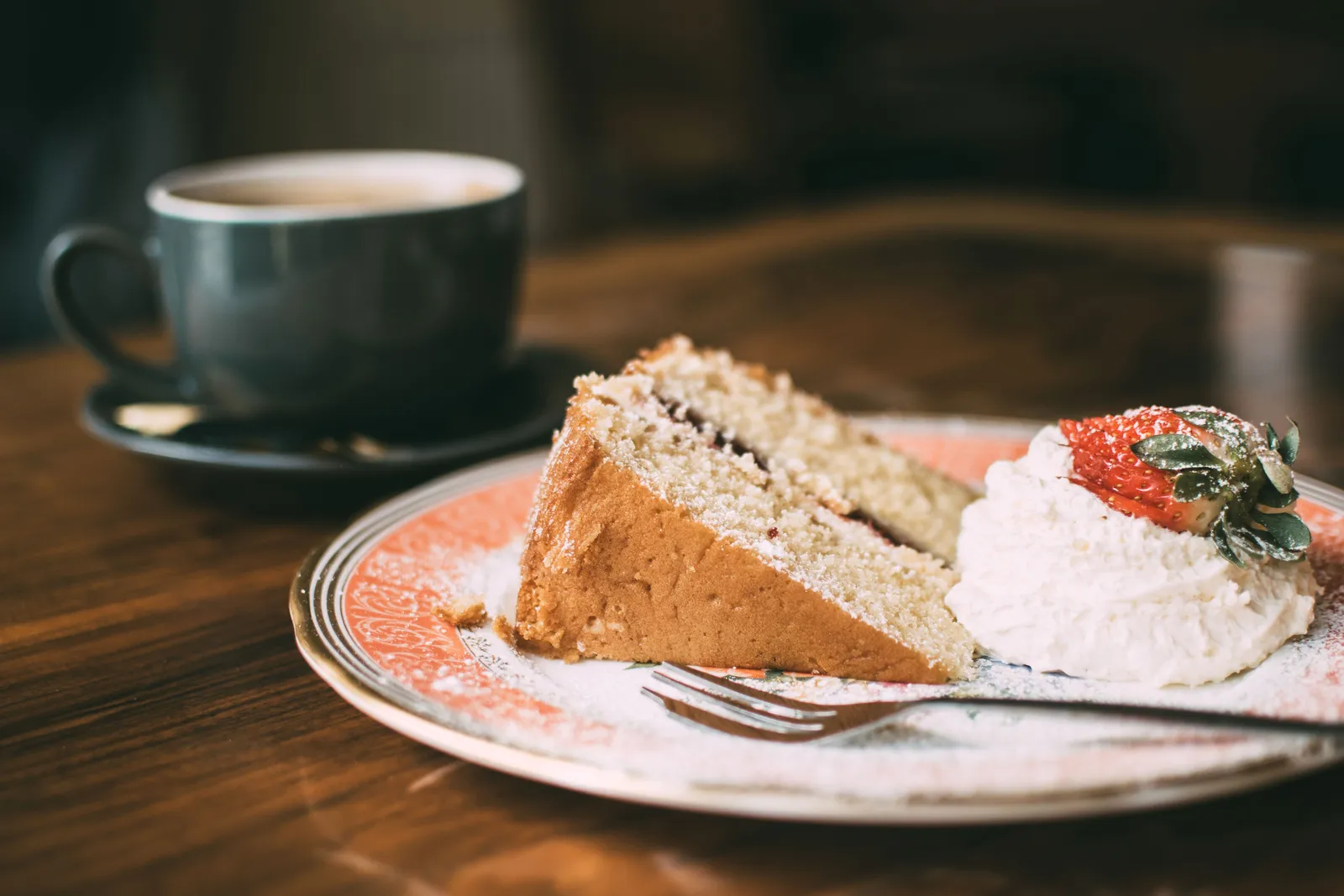
To get repeat customers, give every first-time customer a reason to come back within a month, make the second visit easy to remember, and keep track of who your regulars are so you notice when one goes quiet. Regulars are the part of your trade that does not need advertising, and the gap between a first visit and a fifth is where an independent café or restaurant is won or lost.

Why don't first-time customers come back?
Most of the time it is not the food. A customer enjoys the meal, means to come back and then forgets. Life fills the week, somewhere closer opens, or they cannot remember your name when a friend asks where to go.
The other reasons are smaller than owners expect. Nobody said goodbye. The bill took fifteen minutes. They wanted to book next time and could not find how. Each of those is a reason to choose somewhere else on a night when they were going to choose you.
So the job is not only cooking well. It is making the first visit memorable, giving a reason to return soon, and being easy to find again.
Ask yourself one honest question: if a customer loved the meal tonight, how would they remember your name in three weeks? If the answer is "they would have to look it up", the second visit depends on luck.
What brings someone back a second time within a month?
The second visit is the hard one. After that, habit starts to do the work. Things that bring people back soon:
- Something they have not tried yet. "The lamb is on until Sunday" is a reason. "Come again" is not.
- Being recognised. Using a name, remembering an order, a word from the owner at the door.
- A first stamp that counts. A loyalty card that already has one visit on it feels started, not empty.
- A date in the diary. A tasting night, a new menu, a weekly special people plan around, or a birthday offer that arrives in the right week.
- An easy way to come back. A page with your hours, your menu and a way to book or order ahead.
Ask your team to say one specific thing to every new table on the way out: what is coming next week. It costs nothing and it plants the second visit.
How do you make the first visit one they remember?
People remember the start and the end of a visit more than the middle. Get those two right and the meal in between does not have to be perfect.
At the start, someone greets them within a minute, even if it is a nod from behind the coffee machine during a rush. Nobody stands at the door wondering whether to sit down. At the end, the bill comes when they ask, and someone says goodbye and means it.
In between, give them one small thing they did not expect: a taste of the soup of the day, a word about where the fish came from, a refill nobody asked for. It costs you pennies and it is the thing they mention when a friend asks where they ate.
Brief the team on this before every service for a fortnight, until it is habit. The staff recognition guide has ideas for thanking the people who do it well.
How do you know who your regulars are?
Ask most owners and they can name ten regulars and guess the rest. That is fine for a café of thirty seats and no use for knowing who has stopped coming.
On Mosey, Analytics shows returning customers as well as covers. Returning customers are counted over all time rather than inside the week you picked, because coming back is a slow signal: measured over seven days it reads as nothing. Outreach groups your customers from their orders, bookings, till visits, tickets and loyalty, with ready-made groups such as regulars who have gone quiet and customers who came once and never returned.
You see a customer's name only if they chose to share it with your business. The rest appear as counts, which is enough to message them through Mosey without knowing who they are. The customer list guide covers asking for that yes.
How does a loyalty card help without giving the margin away?
A loyalty card works because it turns a vague intention into a count. "Two more and the next one is free" is a reason to choose you on a wet Tuesday.
Mosey loyalty is free on every plan. Pick a stamp card, a visit card or points, and set a reward your margin can afford: work out what the reward costs you as a share of what a customer spends to earn it. At the counter a customer taps their phone on your Mosey tag, or reads out a six-digit code. Staff type a code in, and the guest has to say yes on their phone before the card opens. Staff then press Add visit. A tap is a request, never a grant, so nothing is credited until your staff press the button.
Choose which channels count, including Order Ahead collection, so the regular who orders ahead earns the same as the one at the counter. The loyalty programme guide has the set-up, and rewards for diners shows what customers see.
How do you win back a regular who has gone quiet?
Most businesses notice a regular has gone when they have been gone a while. By then a new routine has taken over.
Write to them while the memory of your food is still warm. In Outreach, pick a group such as regulars who have gone quiet, write the message in your own voice and, if you want, add a voucher that lasts up to 90 days or a bonus stamp on their loyalty card. You see the count of people a message will reach and the price before you pay. Only customers who agreed to hear from you get it, and nobody hears from you twice in a week.
For the steady work, Automations sends a win-back on its own to anyone who has not been back for the number of days you set, with a thank you a couple of days after an order and a nudge when a member is one visit from a reward. There is no charge per automated message. The automations guide explains each one.
Start with one programme and one reward. Two cards with different rules confuse staff at the till and customers at home.
What do regulars notice that new customers don't?
Regulars notice change. The portion that got smaller, the coffee that tastes different since the new supplier, the server who used to say hello. They rarely complain. They come less often.
Keep the things regulars come for exactly the same, and change around them. When a regular does complain in a rating, answer it the way the unfair review guide describes. Tell them first when something new arrives. Ask two or three of them, face to face, what they would miss if it went.
A neighbourhood business lives on this. The neighbourhood restaurant guide covers the rest of the street-level work, and a coffee subscription suits a café whose regulars already come daily.
What is a regular worth to you?
Work it out once, roughly, and you will spend differently. Take what a typical regular spends on a visit, multiply by how often they come in a month, then by twelve. For a café regular who buys a coffee and a bun most weekdays, that is a large figure for one person.
Now compare it with what a free coffee every tenth visit costs you, or a voucher in a win-back message. The reward is small next to the year of visits it protects. That is the sum that makes loyalty worth running, and it is why losing a regular quietly costs more than one bad review.
You do not need exact numbers. You need the habit of thinking of a regular as a year of trade, not a single bill.
Where should you start this week?
Pick one thing for first visits and one for regulars. For first visits: tell every new table what is coming next week. For regulars: start one stamp card on your most-ordered item. Then look at who came once and never returned. For the fuller version, with what to count each month, when a membership fits and how to win back the quiet ones, read the retention plan for your restaurant or café. When you want the card, the counter tap and the win-back message in one login, Host on Mosey free and switch on loyalty. The analytics guide shows what to read once it is running.
More in the guides for food businesses.
This guide is general information, not legal, tax or financial advice. Rules change and depend on your business and where it is, so check the current rule with the official body named in the guide and take advice from a solicitor or accountant in your area before you act.
Questions
Common questions
How do you get customers to come back to a café?
Give them a reason to return soon, such as a dish they have not tried or a stamp already on a card, recognise them when they do, and make it easy to book or order next time. The second visit is the hardest one.
Is a loyalty programme worth it for a small café?
Yes, if the reward fits your margin. A stamp card turns a vague plan to come back into a count, and Mosey loyalty is free on every plan, with a tap at the counter to add each visit.
How do I know which customers have stopped coming?
On Mosey, Outreach groups your customers from orders, bookings, till visits and loyalty, with ready-made groups such as regulars who have gone quiet and customers who came once and never returned.
What should a win-back message say?
Something specific and warm: what is new, what they used to order and an easy reason to come in, such as a voucher or a bonus stamp. Write it in your own voice and keep it short.
Will customers mind getting messages from my café?
Only customers who agreed to hear from you receive them on Mosey, and nobody hears from you twice in a week. A short, useful message to someone who likes your food is welcome, not a nuisance.
What does it cost to message lapsed customers on Mosey?
Automated messages carry no charge per message. A win-back campaign to a group is paid per person reached, and you see the count and the price before you pay. Loyalty itself is free.
More like this
Read next
A hotel restaurant that locals use too
A hotel dining room earns local trade when it acts like a restaurant of its own. Here is why locals stay away, how to set the dining room up on Mosey beside your hotel, and which offers fill it.
An alcohol-free drinks menu that still makes margin
More guests are drinking less, in January and the rest of the year. Here is how to cost, price, name and sell an alcohol-free menu so it earns as well as the wine list, with the Irish VAT and offer rules checked.
A pub that does food: making the kitchen pay
A pub kitchen pays when its gross profit covers its own wages and running costs. Here is how to count it, which services to fill, what the alcohol rules say and how Mosey fits.
Auto-enrolment pension for Irish restaurants and cafés: what you pay and do
Since 1 January 2026 an Irish employer matches the pension contribution of each eligible employee. Here is who counts, what it costs on a wage bill, the payroll steps and what staff can opt out of.
Get started
Host your business on Mosey. It is free to claim.
Free to list, no set-up fee, and Order Ahead is 1.5% commission when you start taking orders.