
For businesses
How to sell meal kits from your restaurant
Mosey · 15 November 2026 · 7 min read
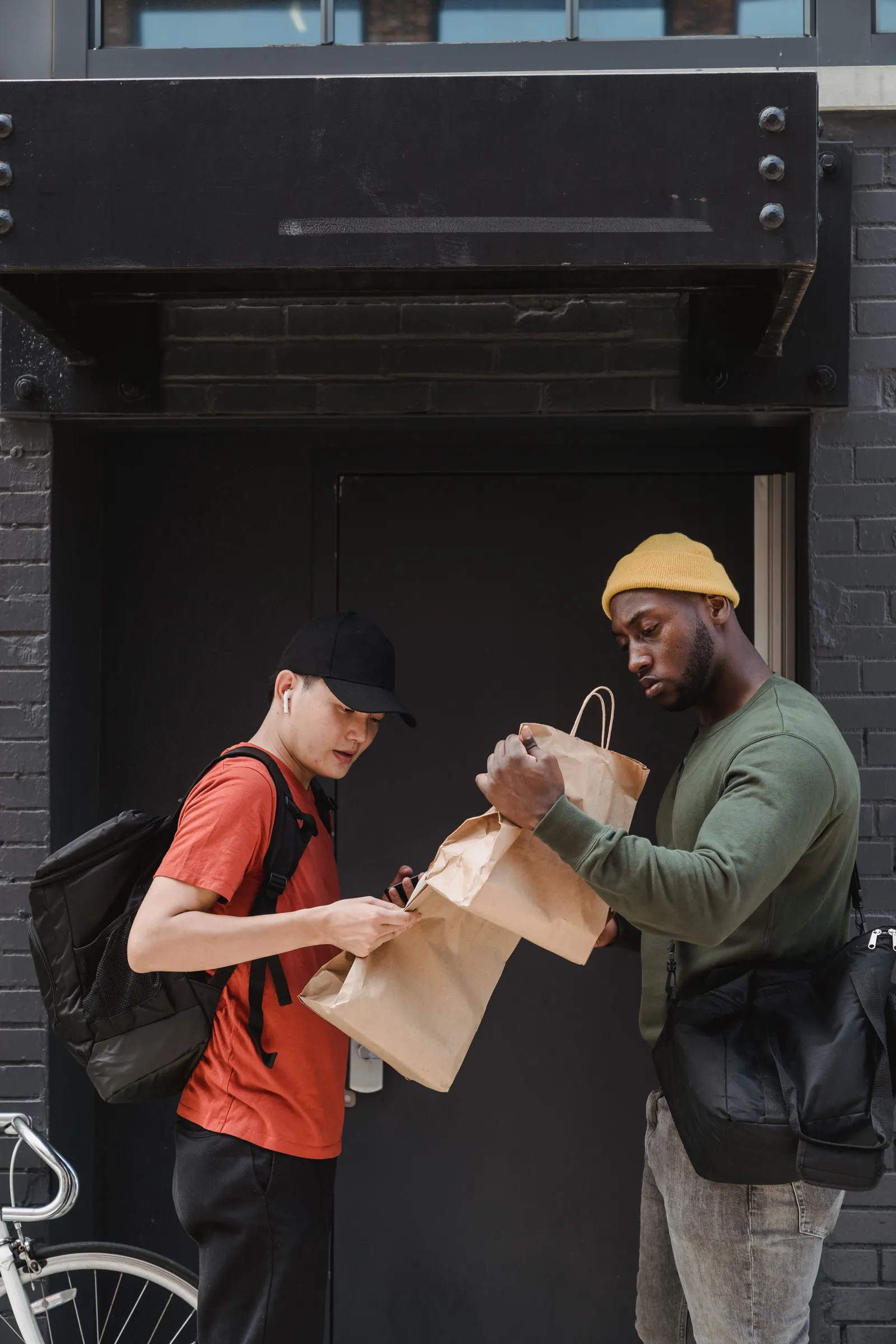
To sell meal kits from your restaurant, pick one dish people already come in for, prep the hard parts in your kitchen, write a cooking card a nervous home cook can follow, and sell a fixed number for collection on one set day each week. Kits work best as a weekly or seasonal ritual with a clear cut-off, not as an always-on menu that the kitchen has to pack between services.

Who buys a meal kit from a restaurant?
The people who buy restaurant kits are mostly people who already know your food. A regular who wants your ragù on a Sunday without going out. A couple planning a night in. Someone sending a kit as a gift to parents who live nearby. A group of friends who want to cook together.
That tells you what to sell. Choose the dish you are known for, not a new one, and choose one where the restaurant does the work a home cook cannot: the stock that took a day, the slow braise, the fresh pasta, the sauce that needs a proper reduction. The home cook finishes it, plates it and takes the credit.
What goes in a restaurant meal kit?
Keep each kit to one meal for a set number of people, usually two or four. Inside:
- The hard parts, done. Sauces, braises, doughs and stocks, chilled and sealed.
- The fresh parts, ready to cook. Pasta, vegetables trimmed and portioned, herbs.
- The finishing touches. The oil, the crumb, the cheese, in small pots.
- A cooking card. One card per kit, in plain steps.
- Something extra. A dessert, bread or a sauce they can buy again.
Pack it so it survives a car journey and a fridge shelf. Number the pots to match the steps on the card, so nobody wonders which tub is which.
How do you write cooking cards that work at home?
Write for someone with one oven, one good pan and a phone propped against the kettle. Test the card on someone who has never cooked in your kitchen and watch where they stop. Every place they hesitate is a line to rewrite. Use the words a home cook uses, not kitchen shorthand: "simmer gently" rather than "reduce by a third", "a large frying pan" rather than "a rondeau".
- Number every step and keep it to one action each.
- Give times and visual cues: "until the edges bubble", not only "four minutes".
- Say what to have ready before they start: a pot of salted water, the oven on.
- Match the pots to the steps by number.
- End with the plating, so the photo they post looks like yours.
Say on the card how long the kit keeps in the fridge and whether any part can be frozen. Shelf life and storage for food you prepare to be finished at home are food safety questions, so check the current guidance with the FSAI or your HSE environmental health officer.
How do you price a meal kit?
Cost the kit like a dish, then adjust. Add the ingredients at full portion, the packaging and the card, and the prep and packing time. Take away what you save: no service, no table, no washing up. Then set a price that leaves the margin you would accept on the dish in the restaurant.
The food cost guide shows the sum, and the menu price calculator turns a target margin into a price. Then sense-check it from the buyer's side: a kit for two should feel like good value against the same dish in your dining room, and like a treat against doing the shopping themselves.
How do you schedule kits for collection on a set day?
A kit is a planned bake, not a rush order. Pick one collection day, usually a Friday or Saturday, and close orders in time to shop and prep.
On Mosey, Order Ahead takes scheduled orders from thirty minutes to seven days ahead. Add the kit to your menu as a collection item, give it a daily stock count of what you can pack, and set collection slots with a limit on each, so customers arrive spread across the afternoon. When the count runs out, the kit stops being offered. Scheduled orders reach your kitchen display at their due time rather than days early, so plan your prep from your stock count, which is your production plan.
The customer pays when they order, so a kit is never packed on a promise. Mosey takes 1.5% commission on a collection order, the customer pays a small booking fee that scales with the order (€0.30 under €10, €0.60 under €30, €0.90 under €50, €1.29 on orders of €50 or more), and the money goes to your own Stripe account. The pre-order guide covers cut-offs and slots in more detail, and Order Ahead shows what a customer sees.
How do you pack a kit so it arrives right?
A kit is judged at the customer's kitchen table, not on your pass. Pack it so it arrives the way you made it.
- Keep it cold to the last minute. Pack chilled parts last and keep finished kits in the fridge until the customer arrives, then hand them over in an insulated bag or a box with ice packs if the journey is long.
- Use containers that seal. A sauce that leaks into the pasta ruins the kit. Test every container upside down before you buy a case.
- Group by step. Put everything for step one together, so the customer is not hunting through the bag.
- Label every pot with the step number, what it is and its allergens.
- Tell the customer to go straight home, on the card and at the counter, and to put the kit in the fridge as soon as they arrive.
Do a test run with a friend before you sell the first kit: collect it, drive it home, cook it from the card and eat it. You will change something.
How do you handle allergens in a meal kit?
A kit leaves your kitchen with no server there to answer questions, so the information has to travel with it. On Mosey you declare the kit's allergens once in the menu builder, and they show beside it when a customer orders and print on the kitchen ticket, the receipt and the order email. For food you pack, the dashboard prints labels with the ingredients and the 14 allergens in bold, so each pot can carry its own.
What a label must say depends on how the food is sold, so check the current rule with the FSAI. The allergen information guide explains how the rules apply to an Irish restaurant, and the registration and HACCP guide covers the food safety plan a new kind of product needs.
How do you turn kit buyers into regulars?
A kit buyer has eaten your food at home. Give them a reason to eat it in your room next. Put a card in the box with the dish you would cook for them in the restaurant, and an offer to come in. Ask them to rate the kit too: their stars and comments tell you which dish to sell next and which step on the card to fix. If you run cooking classes, the kit is a natural next step from the class, or the class from the kit. The cooking class guide shows how to run one in a working kitchen.
Collections on Mosey count as a loyalty visit automatically, so a regular kit buyer earns stamps without doing anything.
Where should you start?
Choose one dish, write and test the card, and sell a small number for one Saturday. Kits also suit the big nights of the year, such as Valentine's or New Year's Eve, when people who cannot get a table still want your food. Read what people say, fix the card, and run it again. Host on Mosey free, add the kit to Order Ahead with a daily limit and capped collection slots, and declare its allergens once.
The café retail guide covers smaller take-home lines. More in the guides for food businesses.
This guide is general information, not legal, tax or financial advice. Rules change and depend on your business and where it is, so check the current rule with the official body named in the guide and take advice from a solicitor or accountant in your area before you act.
Questions
Common questions
What dishes make a good restaurant meal kit?
Dishes where the restaurant does the hard part and the home cook finishes it: a slow braise, a ragù with fresh pasta, a curry with its spice paste made. Choose the dish people already come in for.
How do I stop meal kit orders overwhelming the kitchen?
Sell kits for one collection day with a cut-off. On Mosey, give the kit a daily stock count and cap each collection slot, so orders stop at what you can pack and collections spread out.
Does the customer pay for a kit up front on Mosey?
Yes. The customer pays in the app when they order, up to seven days ahead, so no kit is packed on a promise. The money goes to your own Stripe account.
How do I show allergens on a meal kit?
Declare the kit's allergens once in the Mosey menu builder. They show when a customer orders, print on the ticket and receipt, and the dashboard prints labels for food you pack. Check the current rule with the FSAI.
How long should a restaurant meal kit keep?
That depends on the dish and how you chill and pack it, and it is a food safety question. Put the keeping time on the card and check the current guidance with the FSAI or your environmental health officer.
More like this
Read next
A hotel restaurant that locals use too
A hotel dining room earns local trade when it acts like a restaurant of its own. Here is why locals stay away, how to set the dining room up on Mosey beside your hotel, and which offers fill it.
An alcohol-free drinks menu that still makes margin
More guests are drinking less, in January and the rest of the year. Here is how to cost, price, name and sell an alcohol-free menu so it earns as well as the wine list, with the Irish VAT and offer rules checked.
A pub that does food: making the kitchen pay
A pub kitchen pays when its gross profit covers its own wages and running costs. Here is how to count it, which services to fill, what the alcohol rules say and how Mosey fits.
Auto-enrolment pension for Irish restaurants and cafés: what you pay and do
Since 1 January 2026 an Irish employer matches the pension contribution of each eligible employee. Here is who counts, what it costs on a wage bill, the payroll steps and what staff can opt out of.
Get started
Host your business on Mosey. It is free to claim.
Free to list, no set-up fee, and Order Ahead is 1.5% commission when you start taking orders.