
For businesses
The wage bill in Irish hospitality in 2026: labour cost as a share of turnover
Mosey · 15 November 2026 · 5 min read
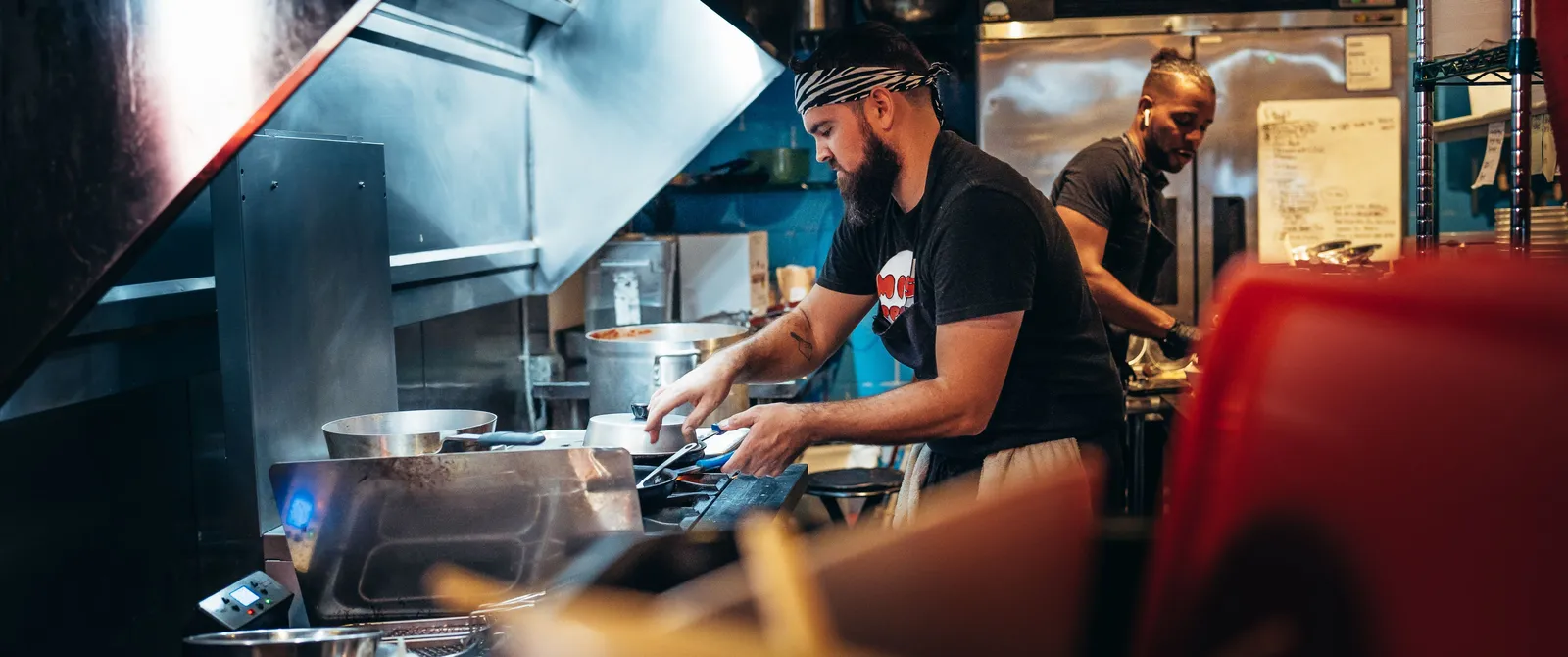
Wage costs in Irish hospitality have reached an average of 39.5% of turnover, according to Bank of Ireland sector analysis published by ThinkBusiness, and accommodation and food services labour costs per paid hour rose 3.9% year on year in the second quarter of 2026, from €19.50 to €20.27, according to preliminary CSO figures reported by Caterboss. A food business that knows its own labour percentage every week can act before the pressure turns into a loss.

What does the data say about labour cost?
ThinkBusiness, which is powered by Bank of Ireland, draws on the bank's hospitality sector analysis and says that wage costs as a share of turnover have continued to climb, reaching an average of 39.5%, which it links to pay increases and broader inflation. The CSO's preliminary figures for the second quarter of 2026, reported by Caterboss, show hourly labour costs in accommodation and food services up 3.9% on the year, with pay up from €17.51 to €18.08 an hour and other employer labour costs up from €1.99 to €2.19. A DCU economist's report for the Drinks Industry Group of Ireland put the rise in hospitality labour costs at 15% between July 2023 and July 2026. These are averages for a wide sector, so your own percentage may be higher or lower.
Why is labour cost rising?
- The minimum wage rose to €14.15 on 1 January 2026 and rises to €14.94 on 1 January 2027, as the minimum wage guide sets out.
- Pension auto-enrolment began in 2026, with the employer contribution stepping up every three years.
- Employer PRSI rises on 1 October 2026, as described in the PRSI guide.
- Competition for skilled staff can push pay above the minimum.
How do you work out your own labour percentage?
Divide your total labour cost for a week by your sales for the same week, using your payroll and till reports. Include wages, employer PRSI, pension contributions, holiday pay and any staff meals you cost. Do it every week for a month, then watch the pattern. The percentage will be higher in quiet weeks and lower in busy ones, and that variation is where you can act.
How do you schedule to demand?
The best rota follows your sales hour by hour, not day by day. Pull sales by hour from your till for the last eight weeks, and mark the busiest and quietest hours. Staff the peaks fully, keep the quiet hours lean and use split shifts only where staff agree. The rota guide explains the working time rules you must follow, including breaks and rest periods.
Which jobs can be combined?
On a quiet shift, a server can run the bar, a cook can prepare for the next day and a host can help with takeaway orders. Cross-training makes a small team resilient. It also gives staff more skills and more reasons to stay. Pay for the added skill.
On a quiet shift, a server can run the bar, a cook can prepare tomorrow's stocks and a host can pack takeaway orders, which keeps the team at work and the wage line doing something useful.
How do you keep trained people longer?
Turnover is one of the biggest hidden costs. Each time a trained server or cook leaves, you pay for recruitment, training and the weeks when the new person is slower. Offer predictable hours, a fair share of tips, a clear route to a senior role and a manager who listens. The onboarding guide shows how to get a new starter productive quickly.
What can you change on the menu?
Some dishes take far more labour than they earn. Mark each dish with the minutes of prep and service it needs, and compare with what it makes. Simplify or remove the worst, batch-prep where you can and move labour-heavy dishes to quieter hours or to a booked set menu. The menu engineering guide adds a time column to the four-box method.
What if sales fall short of the plan?
Cut hours before you cut people, and do it fairly and with notice. Talk to your team. Keep your best people on the best shifts. If the shortfall lasts, review your menu, your prices and your marketing rather than only your rota.
What does a good weekly labour report look like?
One page is enough. Show sales, total labour cost, labour as a share of sales, covers, sales per labour hour and the busiest and quietest hours. Add a line for what changed that week: a holiday, an event, the weather, a new dish. Review it with your manager every Monday, and write down one decision. Over a quarter, the pages tell you which days to staff more heavily and which to trim. Keep them with your payroll records, because they also show an inspector or an accountant that you manage hours with care.
Do you want a fuller room for the staff you already pay for?
The simplest way to lower your labour percentage is to raise your sales in the hours you already staff. Mosey is a food discovery app where diners rate the dishes they ate, and Host on Mosey helps a good business fill its quiet hours. Nobody can pay to outrank you there, because Mosey Gold is earned from ratings alone, and the Reservations page shows how bookings can steady a rota.
More guides for your business:
More in the guides for food businesses.
This guide is general information, not legal, tax or financial advice. Rules change and depend on your business and where it is, so check the current rule with the official body named in the guide and take advice from a solicitor or accountant in your area before you act.
Questions
Common questions
What share of turnover do wages take in Irish hospitality?
ThinkBusiness, which is powered by Bank of Ireland, says wage costs as a share of turnover have reached an average of 39.5% in the sector. Your own percentage may be higher or lower.
How much did hospitality labour costs rise in 2026?
Preliminary CSO figures, reported by Caterboss, show hourly labour costs in accommodation and food services up 3.9% year on year in the second quarter of 2026, from €19.50 to €20.27 per paid hour.
How do I calculate my labour percentage?
Divide your weekly labour cost, including employer PRSI, pension and holiday pay, by your sales for the same week, and track it every week for a month.
How can I lower the wage bill without cutting service?
Schedule to demand hour by hour, cross-train staff so a small team can cover a quiet shift, keep trained people longer, and simplify or move the dishes that take the most labour.
Should I cut hours or people when sales fall?
Cut hours before you cut people, and do it fairly and with notice. If the fall lasts, review your menu, prices and marketing as well.
More like this
Read next
A hotel restaurant that locals use too
A hotel dining room earns local trade when it acts like a restaurant of its own. Here is why locals stay away, how to set the dining room up on Mosey beside your hotel, and which offers fill it.
An alcohol-free drinks menu that still makes margin
More guests are drinking less, in January and the rest of the year. Here is how to cost, price, name and sell an alcohol-free menu so it earns as well as the wine list, with the Irish VAT and offer rules checked.
A pub that does food: making the kitchen pay
A pub kitchen pays when its gross profit covers its own wages and running costs. Here is how to count it, which services to fill, what the alcohol rules say and how Mosey fits.
Auto-enrolment pension for Irish restaurants and cafés: what you pay and do
Since 1 January 2026 an Irish employer matches the pension contribution of each eligible employee. Here is who counts, what it costs on a wage bill, the payroll steps and what staff can opt out of.
Get started
Host your business on Mosey. It is free to claim.
Free to list, no set-up fee, and Order Ahead is 1.5% commission when you start taking orders.