
City guide
Pub food in Dublin: how to find a good pub meal
Mosey · 22 November 2026 · 11 min read
Last updated 22 November 2026
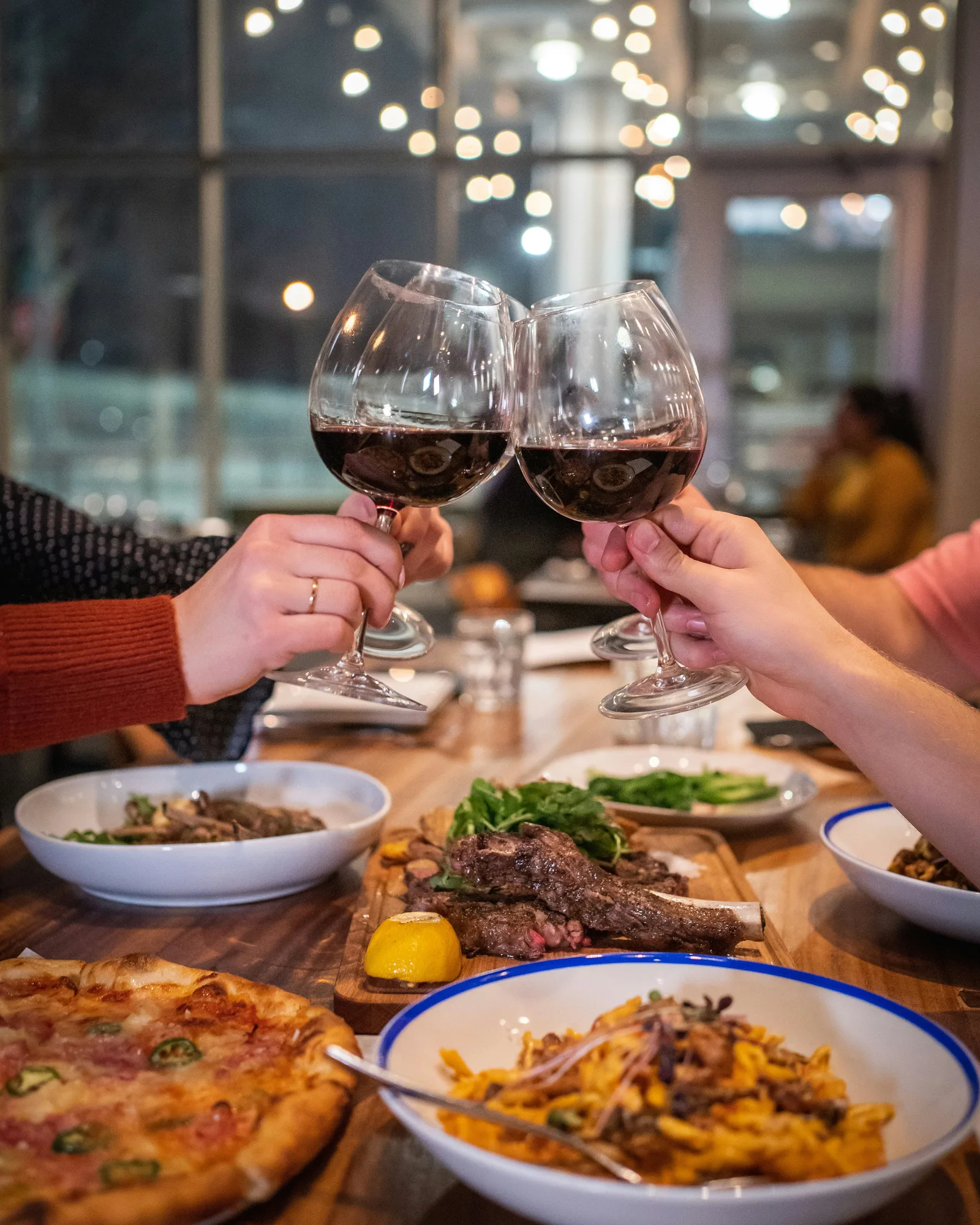
Good pub food in Dublin comes from a pub that treats its kitchen as seriously as its taps. You can spot one before you sit down: a short menu, a few dishes cooked in house, recent photographs of the plates and a kitchen with its own hours. Look outside the busiest tourist streets too, because the neighbourhood pubs are often where the cooking is best.
This guide covers where in Dublin to look, what pub grub actually means, which dishes suit a pub kitchen, how to tell a good kitchen from a tired one and how to check a pub on Mosey before you walk in. It names areas and dishes, never single pubs, because a kitchen can change hands or change its menu. The method is the part that lasts. For how ordering, seating and paying work in any Irish pub, our practical guide to eating in an Irish pub is the companion to this one.
What does pub grub mean in Dublin?
Pub grub is hearty, familiar food served in a pub: soup, a sandwich or toastie, a burger, fish and chips, a stew, a roast, a pie and a pudding or two. It is food to eat with a drink, and it is meant to be filling without being fussy.
In Dublin the range runs along a line. At one end is the traditional pub with a short lunch menu, a pot of something on the go and a kitchen that closes when the lunch crowd leaves. At the other end is the gastropub. A gastropub is a pub that serves food of high quality, with a nearly equal emphasis on eating and drinking. In between sit the big city-centre pubs with long menus and a kitchen that does a little of everything.
None of these is better than the others. The question is what you want from the meal: a quick bowl at lunchtime, a proper sit-down dinner or a table for six after a match. Decide that first, then match the pub to it.
Where in Dublin should you look for good pub food?
Dublin is compact, and pubs with a serious kitchen are spread across it. Think in neighbourhoods, not in a single street.
- Stoneybatter and Smithfield. Both are neighbourhoods in northern inner-city Dublin. They are residential and local in feel, and a pub here often cooks for its own regulars first, which is a good sign. A slow weekday lunch or an early evening meal works well.
- The Liberties. An area in the south west of the inner city, with older pubs among newer places to eat. It rewards a walk and a look at what is on the board.
- The city centre, south of the river. The busy shopping and nightlife streets have plenty of pubs, and the choice is wide. Expect a mix of tourist-facing menus and local kitchens, so read before you commit.
- Temple Bar. It is known as Dublin's cultural quarter. It is a big draw for visitors, and the pubs here lean towards music and atmosphere. Some serve good food, but this is where it pays most to check ratings and photographs first.
- The northside and the villages. Away from the centre, in the suburbs and the coastal villages, a neighbourhood pub often has a longer lunch service, a Sunday roast and room for a family.
If you are staying near the centre, you can reach most of these by foot, bus or tram. Dublin has a tram system called the Luas, a commuter rail line called the DART and a city bus network, and Transport for Ireland's journey planner shows what runs when you go.
What makes a pub kitchen good?
You do not need to taste the food to read the signs. A good pub kitchen tends to show most of the following:
- A short menu. One page of dishes cooked well beats a thick booklet of dishes heated up. A short menu means the kitchen is cooking what it can do properly.
- Specials on a board. A daily soup, a fish dish or a roast written up by hand says someone in the kitchen is buying and cooking each day.
- Dishes with a point of view. A stew with a story, a pie with a named filling or fish bought in that week reads differently from "chicken curry" and "Caesar salad" on every table in the room.
- A kitchen with its own hours. A pub that states when food is served, and stops serving when it says, is organised. A pub that says "food all day" with no detail is guessing.
- Plates that match the photographs. What arrives should look like what a recent diner photographed.
- Locals eating. A pub where people eat on a Tuesday lunchtime has a kitchen worth trying.
Warning signs are the reverse: a long laminated menu that never changes, the same starters as the pub next door, no mention of how a dish is made, or a kitchen that nobody in the room seems to be using.
What should you order in a Dublin pub?
Order what a pub kitchen does well, and what travels from the stove to the table without losing anything.
- Soup and brown bread. The simplest test of a kitchen. Good soup tastes of what it is called, and the bread is fresh.
- Irish stew. Lamb or mutton, potatoes, onion and carrot, slow cooked until the meat gives way. Our guide to Irish stew explains what to look for.
- Dublin coddle. A one-pot dish of sausages, bacon, potatoes and onions, simmered gently. It is a Dublin dish and a pub kitchen can do it well. See Dublin coddle: what to expect.
- Fish and chips. Fish in crisp batter, thick chips and mushy peas or tartare sauce. Our guide to fish and chips from an Irish chipper covers the details.
- Seafood chowder. A creamy bowl of fish and shellfish. A good one is thick without being heavy. See what makes a good bowl.
- Bacon and cabbage. A plain, traditional dinner that suits a pub with a proper kitchen. See bacon and cabbage.
- A roast or a carvery lunch. Roast meat with potatoes, vegetables and gravy. Our guide to the carvery lunch covers how to judge one.
- A toastie or a sandwich. Do not dismiss it. A toasted sandwich with good bread, proper cheese and a decent relish is a satisfying thing to eat with a pint.
A good rule: if a pub has a dish it is clearly proud of, order that. If you cannot tell, ask the server what the kitchen is best at that day, and take the answer seriously.
How do you spot a tourist-trap menu?
Some pubs, especially in the busiest streets, run a menu built for speed and volume. You can often tell from the doorway.
- The menu is the same as the pub next door. Burgers, a curry, a salad and a stew, with no daily change.
- The photographs are posed. Glossy pictures outside, ordinary plates inside. Compare them with photographs from diners.
- Nobody local is eating. If the room is all visitors and nobody seems to be at home there, ask why.
- The kitchen cooks everything from frozen. You cannot always tell, but a very long menu is a clue.
None of this means you cannot have a decent meal in a busy pub. It means you should look at what other people have photographed and rated before you sit down, and choose a dish the kitchen is likely to do well.
How do you check a Dublin pub for food on Mosey?
A pub can have a lively bar and a poor kitchen, and the reverse. Mosey helps you tell which before you walk in.
- Look at the dish, not just the pub. On Mosey people rate by the dish, with photographs. A stew photographed by several different diners over a few months tells you more than a star average. You can see the portion, the colour of the gravy and whether the chips are crisp.
- Read the tags. When people rate a place they add tags. Useful ones for a pub meal include Family Friendly, Group Dining, Kid-Friendly, Dog-Friendly, Outdoor seating and Late Night. A tag is one person's view, so read it as a pointer and then check the details.
- Check whose information it is. A pub that has claimed its listing on Mosey keeps its own hours and menu there. Many listings have not been claimed by the business yet, so treat a thin, unclaimed page as a hint, not a promise.
- Check the kitchen hours. The kitchen and the bar keep separate hours. If you want a meal, check when food is served, not when the doors open.
- Read the ranked lists. Mosey's ranked lists are earned from ratings alone, and nobody pays to rank. They are a good place to start before you narrow to the pubs near you.
If you have an allergy or a dietary need, use the "Hide dishes that list" filter, which hides dishes that declare an allergen you avoid. A dish with nothing listed means the allergens are not listed, not that it is safe, so ask the pub. Our guide to checking allergen information before you order explains how to ask.
What do locals know that visitors miss?
A few habits help you eat like someone who lives in Dublin.
- Go at lunch. Many pub kitchens are at their best at lunchtime, when the day's soup and the roast are fresh and the room is quiet.
- Eat early for dinner. A pub kitchen often stops before the bar does. Arriving early gives you the full menu and the pick of the specials.
- Ask what is on the board. A dish worth ordering is often the one that is not printed.
- Choose the side street. A pub a street back from the crowd is often cooking for neighbours.
- Follow the Sunday roast. A Sunday lunch is where many neighbourhood pubs put their effort. Book ahead where you can.
- Try a pub with a dining room. Some pubs have a separate room for food, with table service and a menu closer to a restaurant's.
Late food is thinner than daytime food, and a pub kitchen often closes well before last orders. If you want a meal, eat at a sensible hour and treat late snacks as a bonus. Our guide to late night food in Dublin goes further, and the Late Night tag on Mosey points to places people have tagged for after-hours eating.
The same logic applies to a pint. A good pub tends to look after both.
Can you book a table for a pub meal in Dublin?
Some pubs take bookings and some do not. A traditional bar area usually works on a first come basis, while a dining room, a Sunday lunch or a group table is often worth booking.
Where a pub takes bookings on Mosey, you can see the times and book a table, and you get a reminder. If a time is full, some pubs run a waitlist on Mosey, which comes with the pub's paid bookings plan, so not every one has it. Where there is one, join it and turn on cancellation alerts so you hear if a table is released. Our guide to joining a waitlist for a full restaurant explains how. For a big group, a short call to the pub is still worth making, and our guide to planning a birthday meal for a group has ideas that apply to any big table.
Is pub food in Dublin suitable for children, groups and dogs?
Often, with a little care. Rules vary from pub to pub, so ask.
- Children. Many pubs welcome families for food during the day and early evening, and a pub with a dining room often has high chairs and a children's menu. Look for the Family Friendly and Kid-Friendly tags on Mosey, and read our guide to eating out with children.
- Groups. A pub with a back room or a dining area suits a group better than a small bar. Ring ahead, ask about the numbers and check whether there is a set menu. The Group Dining tag helps you find pubs that people have used for it.
- Dogs. Some pubs allow dogs, often in the bar or the garden. The Dog-Friendly and Outdoor seating tags help, but ask before you bring one.
How do you find a pub meal you will remember?
Start with the neighbourhood, not the street. Pick one or two areas, use the dish photographs and tags to narrow the pubs, and keep a short list of the ones that look right. A list on Mosey can be private, shared or public, and an invite link lets a friend add to it even before they join. Our guide to sending a list instead of a long text shows how it works.
When you eat somewhere good, rate the dish and add the tags that fit. Your rating helps the next person find it, and if you follow friends whose taste you trust, their picks show on your map as Friends' picks. Top 3 asks one question at a time, and the Irish questions include pubs, Sunday roasts and carveries in your city: for each you name up to three places in order. Your answers are kept as a private list, so your own shortlist builds up as you go.
For a wider plan, see our guide to a day of eating in Dublin by neighbourhood, and browse the food guides and the ranked lists for more.
On Mosey now
Where to eat in Dublin
These come from what people have rated on Mosey, and change as more do. They are not a paid placement.
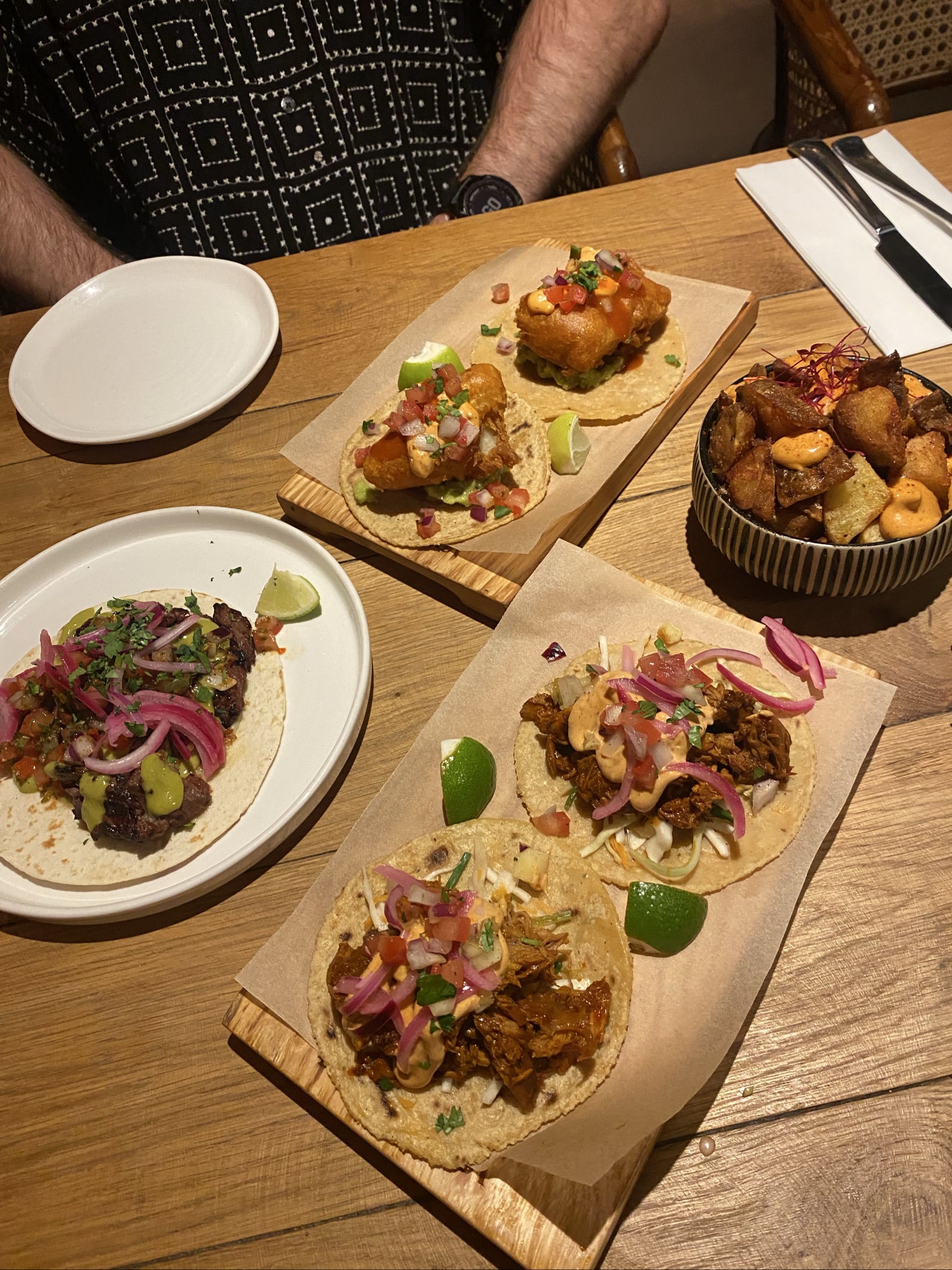

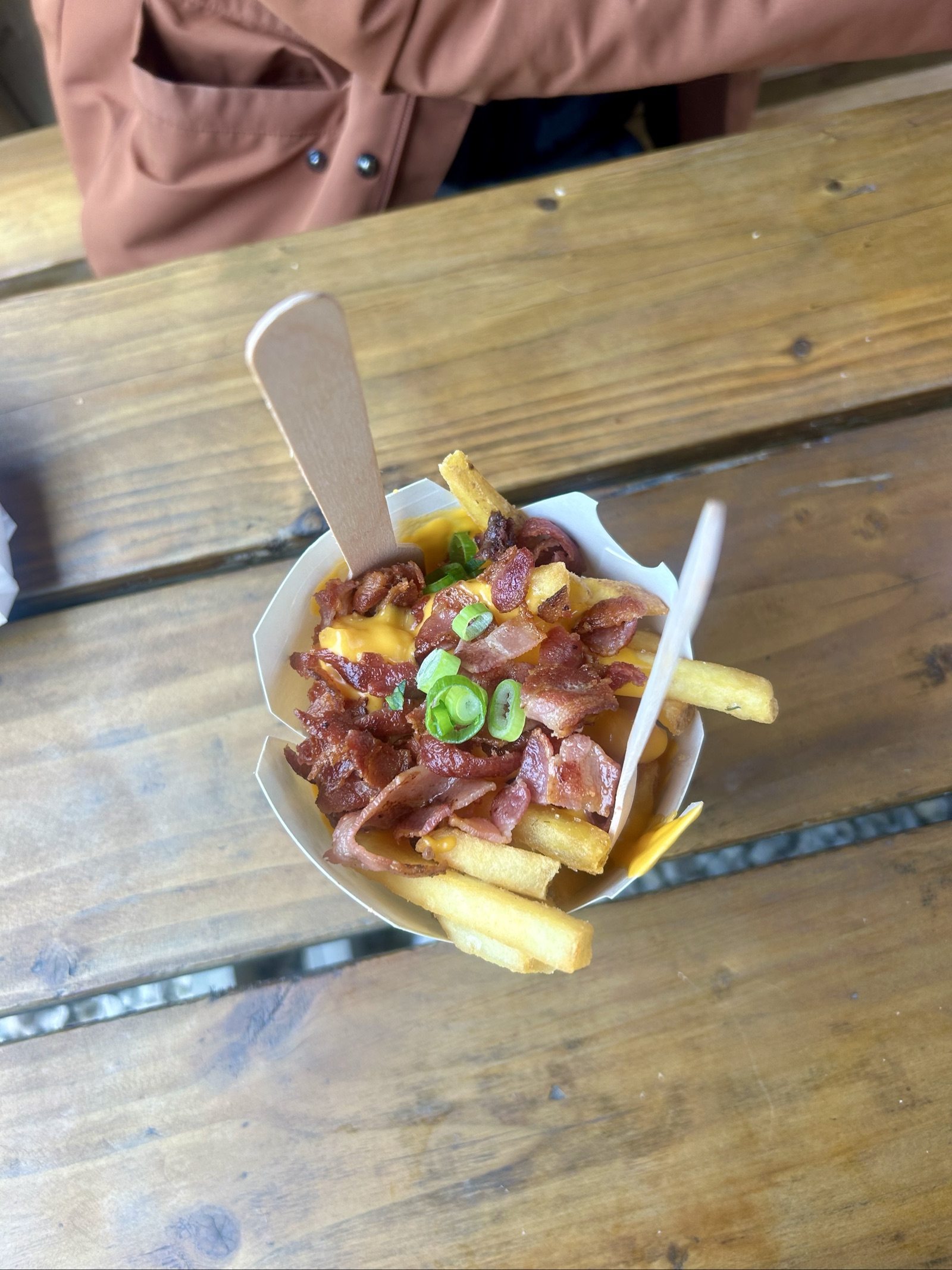
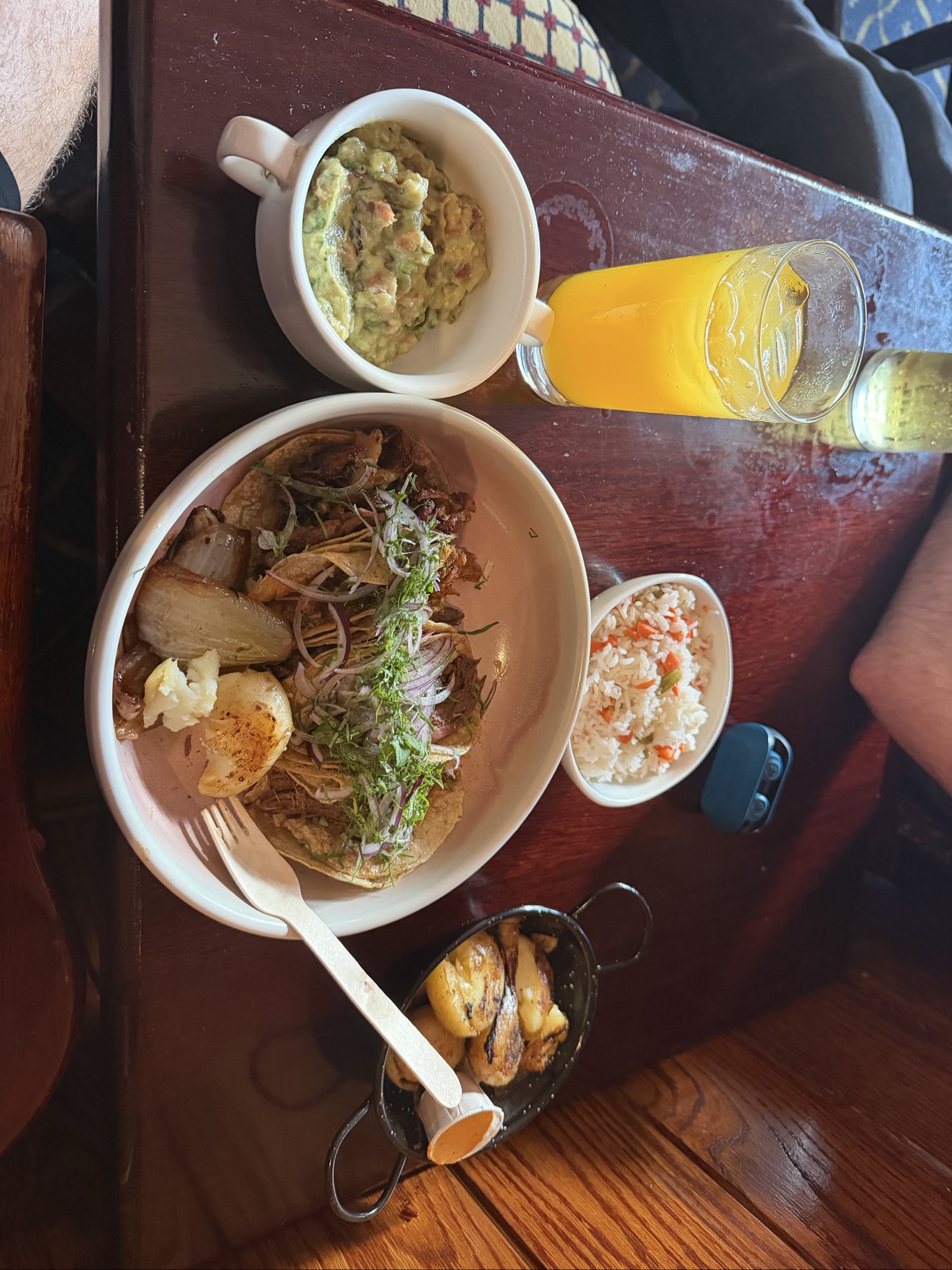
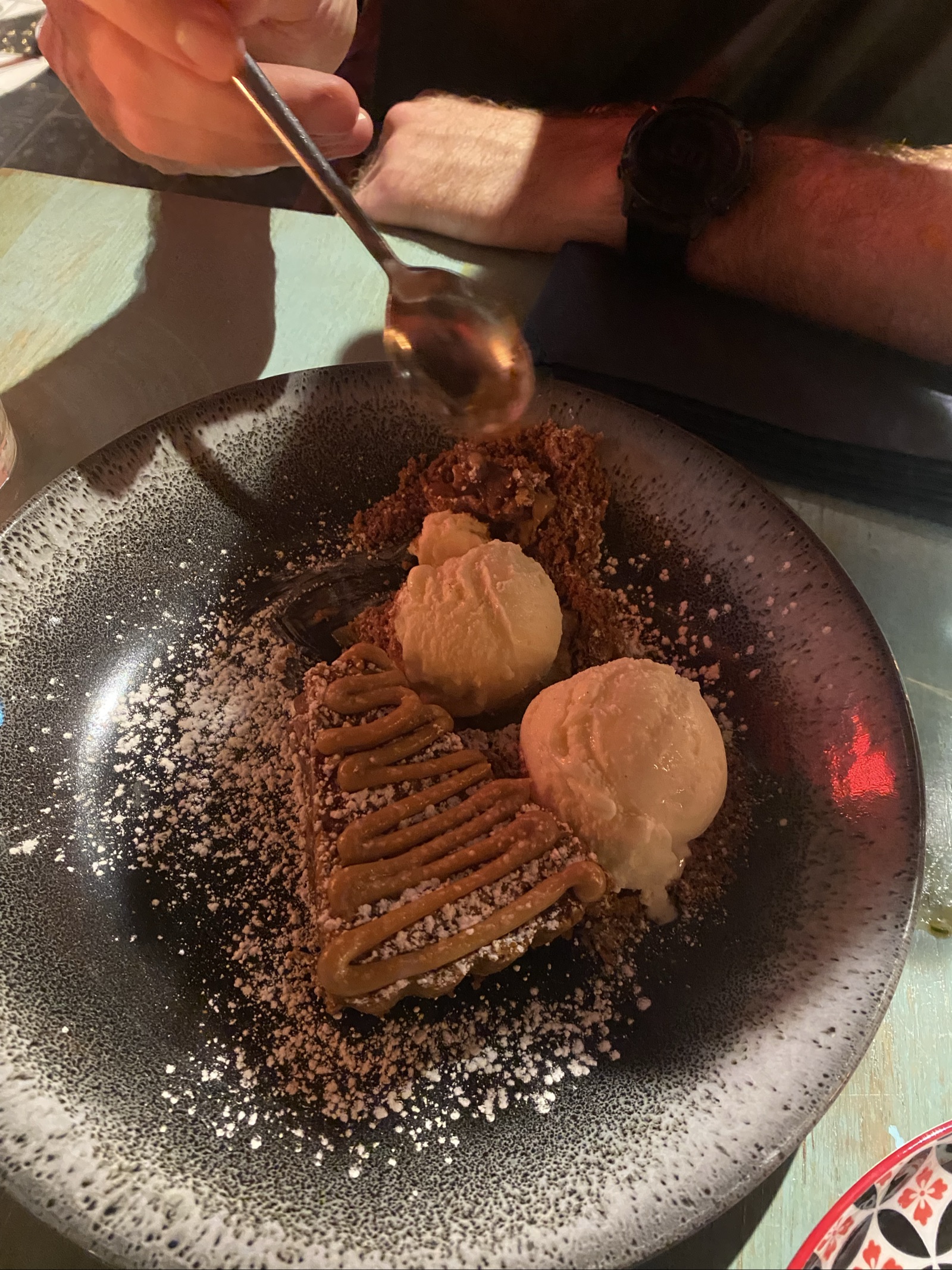
Questions
Common questions
Where can I find good pub food in Dublin?
Look in neighbourhood pubs as well as the busy centre: Stoneybatter, Smithfield and the Liberties have local pubs with cooking kitchens, and the villages and suburbs often have a good Sunday roast. On Mosey, read dish photographs and tags before you choose, and check the kitchen hours.
What is pub grub?
Pub grub is hearty, familiar food served in a pub, such as soup, a sandwich, fish and chips, a stew, a roast or a pie. It is meant to be filling and unfussy. A gastropub is a pub that serves food of high quality, with nearly equal emphasis on eating and drinking.
What should I order in a Dublin pub?
Order what a pub kitchen does well: soup and brown bread, Irish stew, Dublin coddle, fish and chips, seafood chowder, or a roast. If there is a dish on the board, ask what the kitchen is proud of. Photographs from recent diners on Mosey show how a dish really looks.
How can I tell a good pub kitchen from a tourist trap?
A good kitchen has a short menu, daily specials and recent photographs that match the plates. A tourist-trap menu is long, the same as the pub next door and rarely changes. On Mosey, look at photographs and ratings from diners who ordered the dish, not only the star average.
Do Dublin pubs serve food all day?
Not always. The kitchen and the bar keep separate hours, and many kitchens stop serving food earlier than the bar closes. Check when food is served, not when the pub opens. On Mosey, check the place's hours, remembering that an unclaimed listing may be out of date.
Can I book a table at a pub in Dublin?
Some pubs take bookings, especially for groups, Sunday lunch and dining rooms. Where a pub takes bookings on Mosey, you can book a table and get a reminder, and where it runs a waitlist you can join it with cancellation alerts. A bar area is usually first come.
Is pub food in Dublin good for children and groups?
Often, with care. Many pubs welcome families for food earlier in the day, and a back room or dining area suits a group. Rules differ, so ask. On Mosey, the Family Friendly, Kid-Friendly and Group Dining tags help you find pubs that people have used for it.
How do I check allergens in a pub meal?
Tell the server about your allergy and ask how the dish is made. On Mosey, the Hide dishes that list filter hides dishes that declare an allergen you avoid, but a dish with nothing listed means allergens are not listed, not that it is safe, so always ask the pub.
More like this
Read next
Eating near Trinity and UCD on a student budget
Trinity sits in the middle of Dublin and UCD is out at Belfield, so cheap food near each works differently. A student guide to both, and how to check value.
Bloomsday food: the gorgonzola sandwich, kidneys and Dublin
Bloomsday food is a gorgonzola sandwich, a glass of burgundy and a fried kidney for breakfast. What each one is, how to order it and where Dublin celebrates.
Where to eat before a rugby or football match at the Aviva Stadium
Eat before a match at the Aviva Stadium in Ballsbridge, Ringsend, Grand Canal Dock or the south city centre, and take the DART in. What to order and how to book.
Where to eat before a match at Croke Park
Eat before a match at Croke Park in Drumcondra, Phibsborough or Fairview, well ahead of throw-in. What to order, how to book, and how to get there.
Keep going
Where to eat in Dublin