
Food culture
The carvery lunch, explained
Mosey · 23 October 2026 · 3 min read
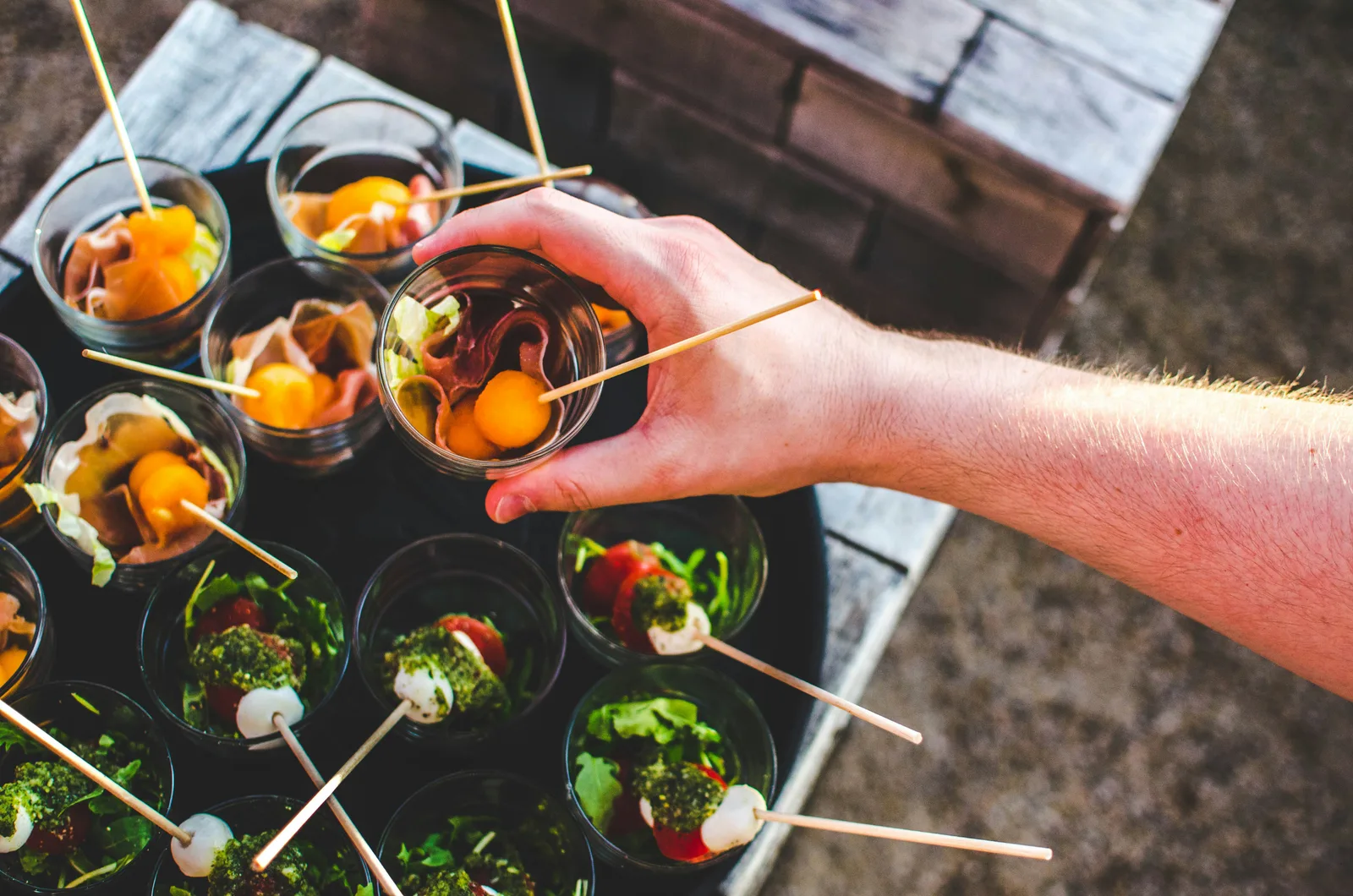
A carvery is a lunch where roast meat is carved to order from a joint at a counter, then served with potatoes, vegetables and gravy. You join a queue, tell the server what you want and take a loaded plate to your table. It is popular at lunchtime, particularly in pubs and hotels, and it is a straightforward way to get a hot, filling meal.
How it works
You pick up a plate or are given one. At the counter, a server carves the meat, usually a choice of two or three, and adds what you ask for. You then move along to the vegetables and potatoes, and finish with gravy and sauces. Prices are often fixed per plate, and some places offer a smaller size.
What to look for
A good carvery has meat that is moist and carved to order from a fresh joint, not sliced and sitting in a tray. Potatoes should be hot and, if roast, golden. Vegetables should have colour and not be stewed to grey. Gravy should be flavoured and hot.
Look at the queue. A busy carvery turns over, which keeps the food fresh. An empty one with food sitting under lamps may be less so.
Size and choice
Carvery plates are generous. If your appetite is small, ask for a smaller portion. You can choose your meat, and often ask for a mix. Some places let you go back for more vegetables.
Dietary needs
Carveries are meat-focused, so vegetarians should check what is on offer. Some places have a vegetarian main or a plate of vegetables. If you avoid gluten, ask about the gravy, stuffing and sauces, which often contain flour.
Timing
Carveries usually run at lunchtime and sometimes in the evening. Check the hours. Popular ones may run out of a meat towards the end, so go earlier.
Booking
Most do not take bookings for a standard lunch, but large groups may need notice. Ask the place.
Families and groups
The format suits families, because everyone picks their own. Children's portions are common. Check that the room has space for a buggy and a high chair.
A carvery and a restaurant roast compared
A restaurant roast is cooked and plated to order, usually with a more refined finish. A carvery is faster, cheaper per plate in most places and lets you control the portion. Neither is better. A carvery suits a quick hot lunch with a crowd. A restaurant roast suits a slow Sunday with a bottle of wine.
Sunday and holidays
Sunday carveries are busy. Arrive early, or expect a queue. Our guide to Sunday lunch covers booking and what to ask.
A worked example
Suppose you arrive at one o'clock on a weekday. Take a plate, tell the server which meat you would like and ask for a smaller portion if you are not very hungry. Choose potatoes and vegetables, and ask for gravy on the side if you like to control it. Find a table, eat while it is hot and go back for more vegetables if the place allows. The whole visit can take half an hour.
What to avoid
Avoid overfilling the plate before you have tasted anything. Avoid the end of service, when the favourite cuts may have gone. Avoid assuming that every carvery is the same: some use fresh joints carved to order, and some use pre-sliced meat. The queue and the counter will tell you which.
Finding one on Mosey
Look at photographs from recent diners. A well-carved plate is easy to spot. Check the opening hours and the count of ratings.
Questions
Common questions
What is a carvery?
A lunch where roast meat is carved to order and served with potatoes, vegetables and gravy.
Do carveries take bookings?
Usually not for a standard lunch. Large groups may need notice. Ask the place.
Is a carvery suitable for vegetarians?
It depends. Some have a vegetarian main. Ask.
Is the gravy gluten free?
Often not. Ask the place.
Is a carvery good for families?
Yes. Children can choose what they like, and portions can be adjusted. Check for high chairs.
Can I go back for a second helping?
Some places allow it for vegetables and not for meat. Ask when you pay.
More like this
Read next
How to choose a restaurant that suits everyone in a group
Allergies, budgets, children and the friend who only eats chips. How to pick one place a whole group will be happy with, and settle it in a day rather than a week.
Autumn eating in Ireland: what to look for on a menu
An autumn menu shows when a kitchen is paying attention. Here is what to look for, what to ask and which dishes suit the cooler months.
Barmbrack and Halloween food in Ireland
Barmbrack is a fruit loaf often eaten around Halloween. Here is what is in it, how to judge a loaf and what else turns up on the table.
Early bird menus explained
An early bird menu is a set offer for early diners. Here is what it usually means, how to check the terms and when it makes sense.
