
Food culture
Autumn eating in Ireland: what to look for on a menu
Mosey · 23 October 2026 · 3 min read
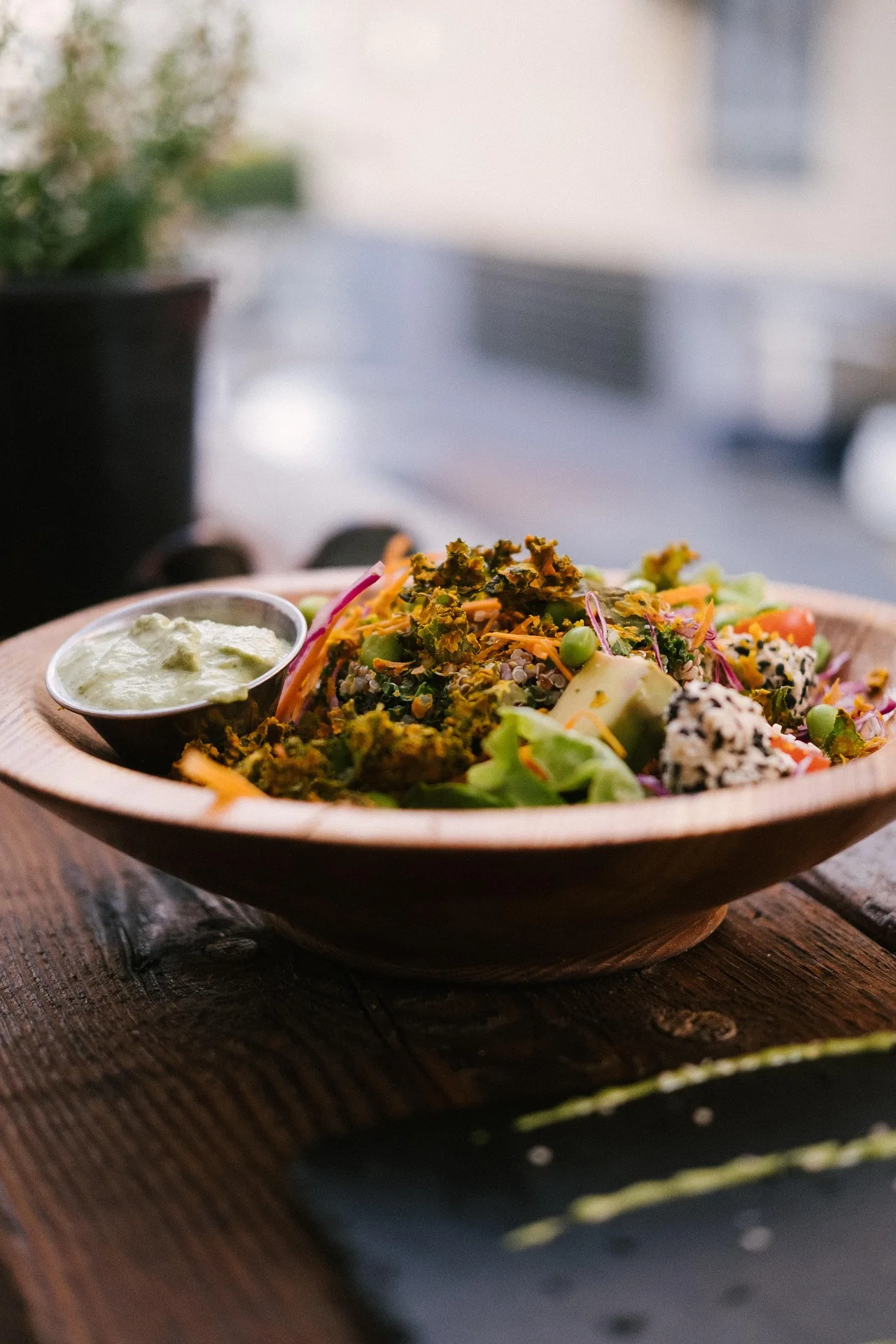
An autumn menu tells you a lot about a kitchen. If the dishes change with the season, name their ingredients and lean towards warmth, the cooks are paying attention. If the menu looks the same in every month, they may be cooking from habit. Here is what to look for.
Signs of a kitchen cooking with the season
A menu that changes from month to month is a good sign. So are specials written on a board, dishes that name a farm, a fisherman or a supplier and a short list rather than a long one. A long menu with every cuisine under the sun usually means a lot of frozen and pre-made food.
Ask the staff what is new this week. A good server will have an answer, and it will tell you something about the kitchen.
Dishes that suit cooler days
As the weather cools, many kitchens add soups, stews, roasts, pies and slow-cooked dishes. Root vegetables, mushrooms, apples and game often appear. Warm puddings and baked fruit take the place of cold desserts. If you want comfort food, this is the time of year to find it done well.
Our guides to Irish stew and seafood chowder cover two plates that suit the season.
Ask where things come from
If you are curious, ask where an ingredient comes from. A proud kitchen will tell you, often at length. A place that cannot answer may not know, and that is information too. You do not have to quiz the staff; one question about a dish you like is enough.
Check what is available
Seasonal dishes can sell out. If you have your heart set on one, ring ahead. Specials that appear on a board may be gone by the time you arrive.
Halloween and harvest
Autumn also brings seasonal treats, such as barmbrack around Halloween. Our guide to barmbrack and Halloween food explains it.
Booking for the cooler months
As the evenings darken, indoor tables are in demand again. Book if you want a particular room, especially at weekends. Check the opening hours, which often change with the season.
Using ratings
Look at recent photographs. A dish that appears in a handful of recent photos is on the menu now. Older photos may show a dish that has gone.
Reading an autumn menu in practice
Take a menu in your hand and look for three things. First, how many dishes there are: a short list suggests a kitchen that cooks what it can get. Second, how specific the descriptions are: a dish that names its ingredients and how they are cooked suggests care. Third, whether any dish appears to be new: a note such as "this week" or "today" suggests a menu that changes.
Comfort without heaviness
Autumn food can be warming without being heavy. Look for soups with a good stock, roasted vegetables, baked fruit and slow-cooked dishes that are served with something fresh. If you are choosing for a group, a mix of lighter and heavier dishes lets everyone eat what suits them, and a sharing format helps.
Fit the season to your day
A heavy dish suits a long, slow lunch. A lighter plate suits a busy day. Choose by what the rest of your day looks like.
Questions
Common questions
How do I know if a kitchen cooks seasonally?
Look for a short menu that changes, specials on a board and dishes that name their ingredients or suppliers.
What dishes suit autumn?
Soups, stews, roasts, pies, root vegetables, mushrooms and warm puddings are common choices.
Is it rude to ask where ingredients come from?
No. One question about a dish you like is normal and a good kitchen enjoys it.
Do seasonal dishes sell out?
Sometimes. If you have your heart set on one, ring ahead.
What if the dish I want is no longer on the menu?
Ask the server what has replaced it. Seasonal menus change, and a good server will suggest something close.
Is autumn a good time to eat out?
Yes. Menus turn warmer, rooms fill with people who have returned from the summer and kitchens are often at their most creative.
More like this
Read next
How to choose a restaurant that suits everyone in a group
Allergies, budgets, children and the friend who only eats chips. How to pick one place a whole group will be happy with, and settle it in a day rather than a week.
Barmbrack and Halloween food in Ireland
Barmbrack is a fruit loaf often eaten around Halloween. Here is what is in it, how to judge a loaf and what else turns up on the table.
Early bird menus explained
An early bird menu is a set offer for early diners. Here is what it usually means, how to check the terms and when it makes sense.
Eating in an Irish pub: a practical guide
Pub food works a little differently from a restaurant. Here is how ordering, seating and paying usually work, and how to choose a good one.
