
City guide
A day of eating in Dublin, neighbourhood by neighbourhood
Mosey · 23 October 2026 · 5 min read

The easiest way to eat well in Dublin is to choose a neighbourhood first and a place second. The city is spread across a handful of compact areas, each with its own mix of cafes, pubs and dinner rooms, and a day that stays inside one or two of them wastes no time on buses and gives you the pick of what is nearby.
This guide is a method rather than a list, so it stays true when places open and close. It leans on what people have actually rated on Mosey, and it points at the ways to check a place before you commit.
Pick the neighbourhood before the restaurant
Dublin has areas that suit different days. Stoneybatter and Smithfield suit a slow, local day. Portobello, Ranelagh and Rathmines are residential and full of everyday cafes and neighbourhood dinner places. Temple Bar and Dublin 2 put the most choice within a short walk of the main sights. Clontarf, Howth and Malahide are for when you want the coast in the afternoon and a long lunch.
Ask what the day is for. A first-time visitor with only a day wants density, so stay central. A local with an evening free wants somewhere that does not feel like a tourist loop, so go a little out. Either way, one area walked slowly beats four areas crossed quickly.
Breakfast and coffee: start close to where you slept
Breakfast is the meal where convenience matters most, because nobody wants a forty-minute journey before their first coffee. Look at places within a few minutes of your door and read the most recent photographs. A page of plates from separate visits tells you more than a star average does: you can see the portion, the bread, the eggs.
If you want a proper cooked breakfast, check the opening hours first. Many cafes close mid-afternoon, and a few do not open until later at weekends. Where the hours on a listing look sparse, treat them as unconfirmed and call or check the place's own page.
Lunch: look for a counter or a short menu
Lunch is where Dublin rewards the walk-in. Places with a short menu or a counter tend to turn tables quickly, which means you are less likely to be turned away. Look for cafes, delis and small kitchens with a few dishes done well.
If you are in a group, check the size of the place before you set your heart on it. A tiny room with a great reputation is a poor choice for six people on a Saturday.
The afternoon gap: coffee, a walk, or a market
Between lunch and dinner is when most visitors lose an hour looking for somewhere. Plan it. A walk through the neighbourhood you are in, a coffee and something sweet, or a look around a food shop will give you a sense of what local kitchens are working with before you pick the evening.
Dinner: book, and choose by occasion
Dinner is the meal worth booking. Popular rooms fill on Thursday to Saturday, and the small ones fill first. Decide the occasion before the cuisine: a quiet catch-up, a date, a birthday and a work dinner all point to different rooms.
Where a place takes bookings on Mosey, you can see the free times on its page. If your date is full, try the waitlist, or look at the same neighbourhood on a different night. If you cannot book, early or late seatings are often easier.
Late: have a plan before you leave the table
Late food is thinner than daytime food, and it is easier to find if you decide before you go out. Check which places in your area stay open, and keep a second option in mind. Our guide to late night food in Dublin goes further.
Read the ratings the right way
A rating is worth more when it comes with a count and a photograph. Four ratings could be four friends; forty is a pattern. Look at how recent the newest ones are, and read at least one that is not glowing. Gold on Mosey marks places whose ratings have stayed high, and it cannot be bought; what Mosey Gold means explains how it is earned.
A worked example for a free Saturday
Suppose you have a Saturday and a friend visiting. Start in Stoneybatter or Smithfield with a late breakfast, because both are easy to walk and not rushed on a weekend morning. Walk to the river and back, and take lunch at a counter or a short-menu room before the lunch rush ends. Spend the afternoon in one of the south-side villages such as Ranelagh or Portobello, where a coffee and a long sit-down cost you nothing but time. Book dinner in whichever area you finish in, so the last leg of the day is a short walk rather than a bus.
The shape matters more than the names. One slow area in the morning, one different area in the afternoon, and a table already booked for the evening.
Mistakes to avoid when eating in a big city
The commonest one is choosing at the moment you are hungry. A hungry person picks the first lit window, and the first lit window is rarely the room you would choose on a calm day. Shortlist two places for each meal while you are comfortable, and use the shortlist when you are not.
The second is crossing the city for a meal you could have eaten two streets from your door. Travel time is the real cost of a restaurant, and it is a cost that the star rating never shows.
The third is skipping the check on opening hours. A place can be well rated and still closed on the one day you are free.
Where to eat now
Below is a live list of places in Dublin that have earned their page on Mosey, ordered by rating. It changes as new ratings arrive. For a longer view of the area, see the Dublin hub or our guide to finding the best restaurants in Dublin.
On Mosey now
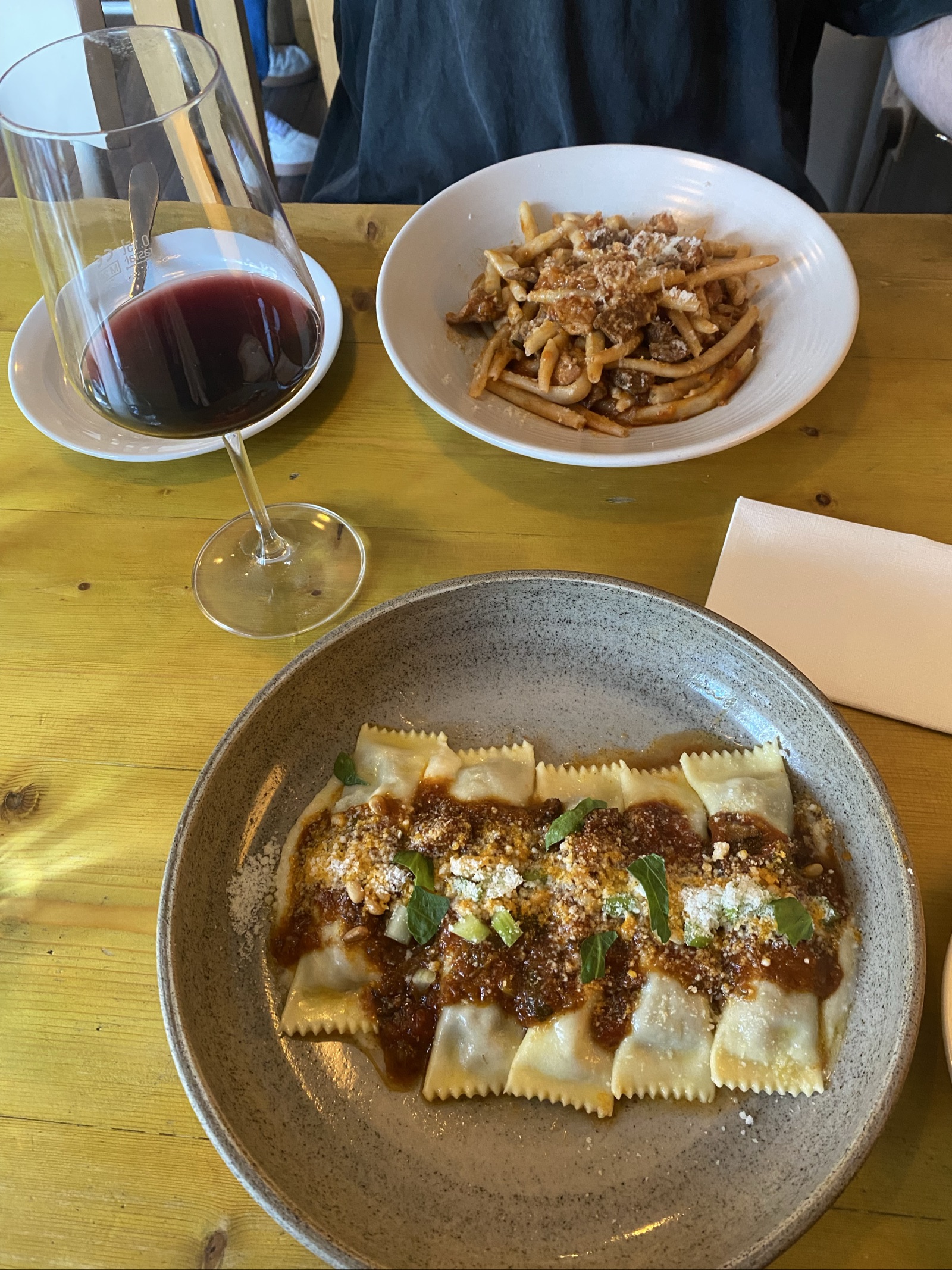
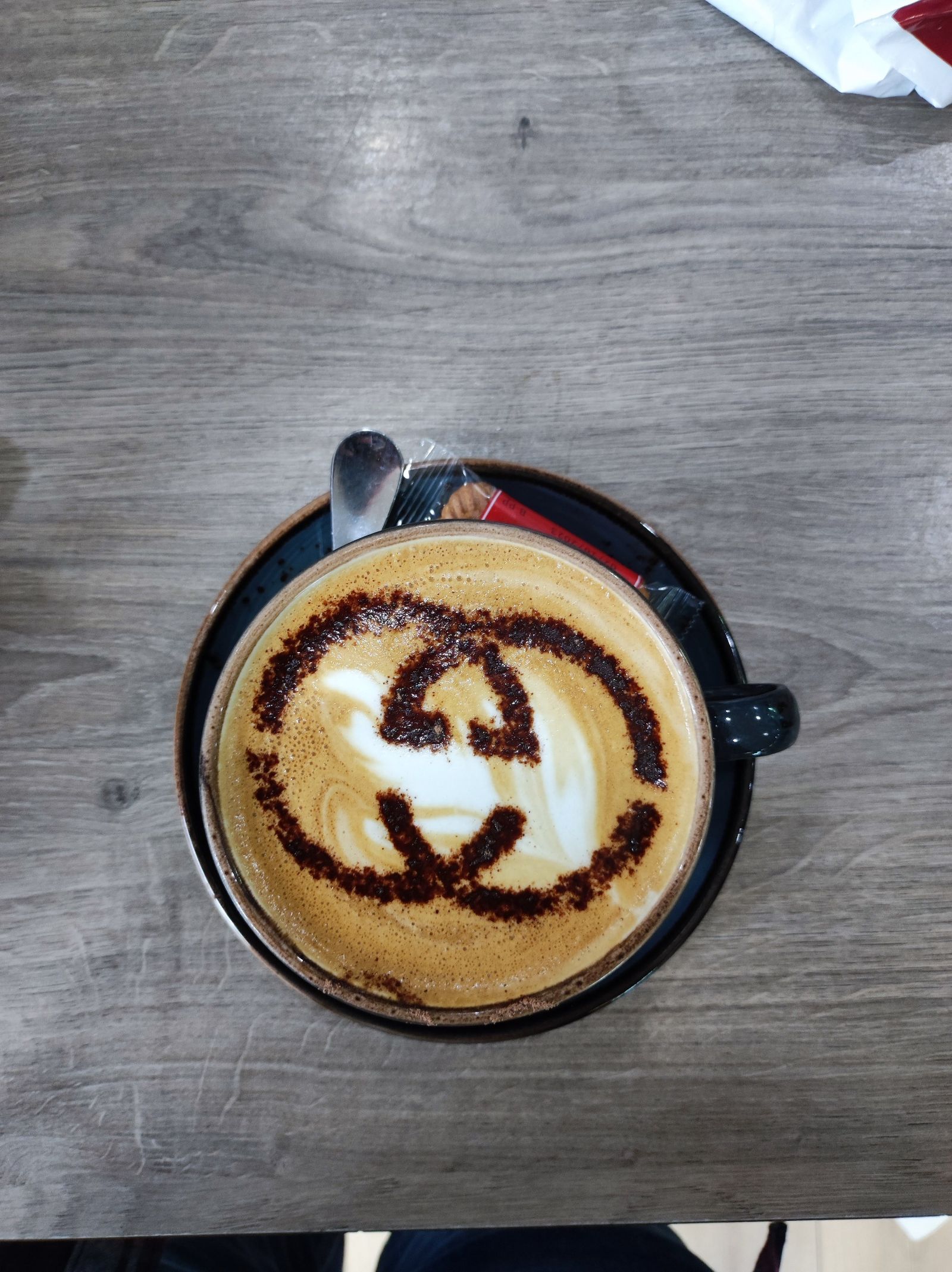
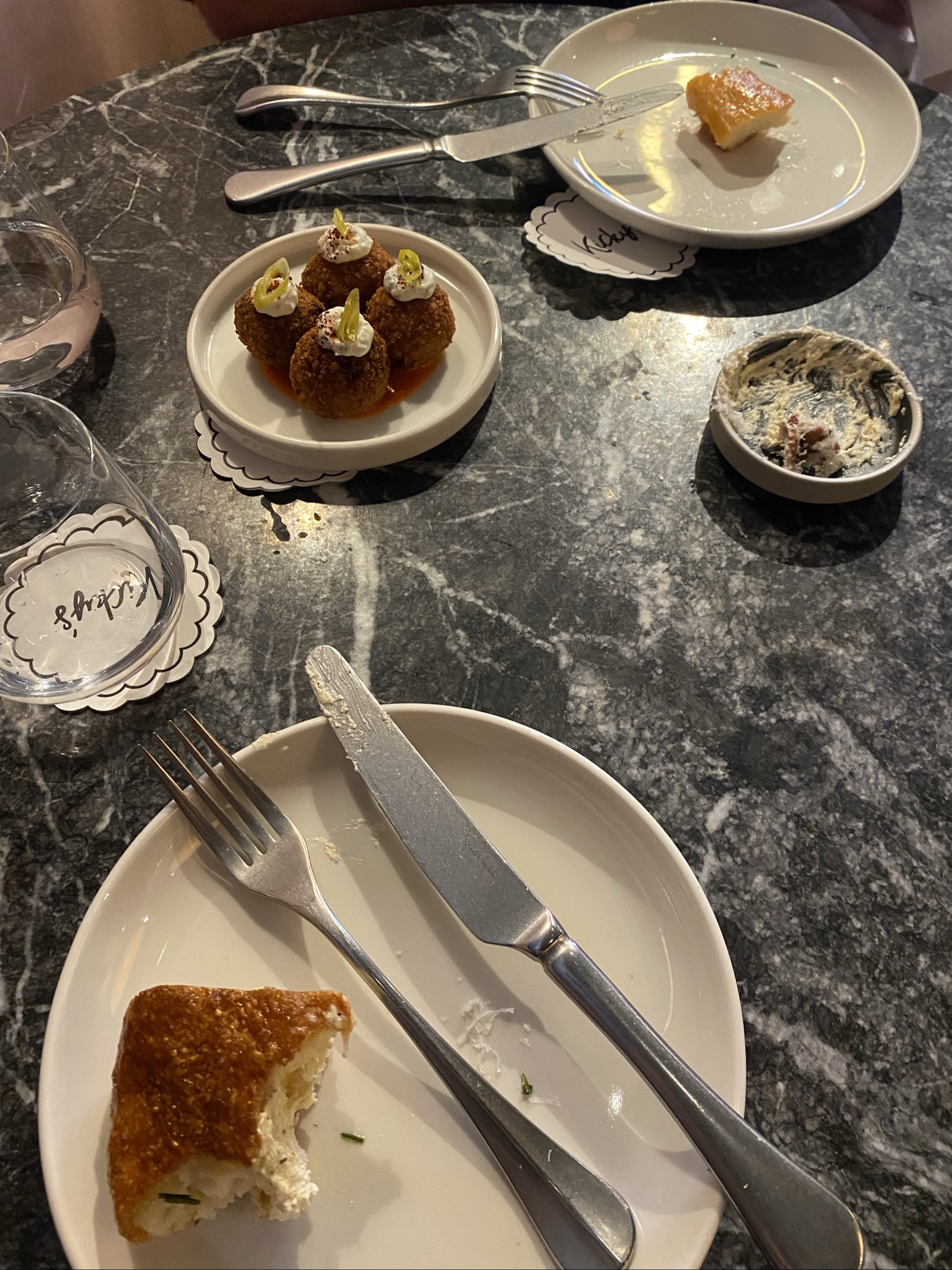
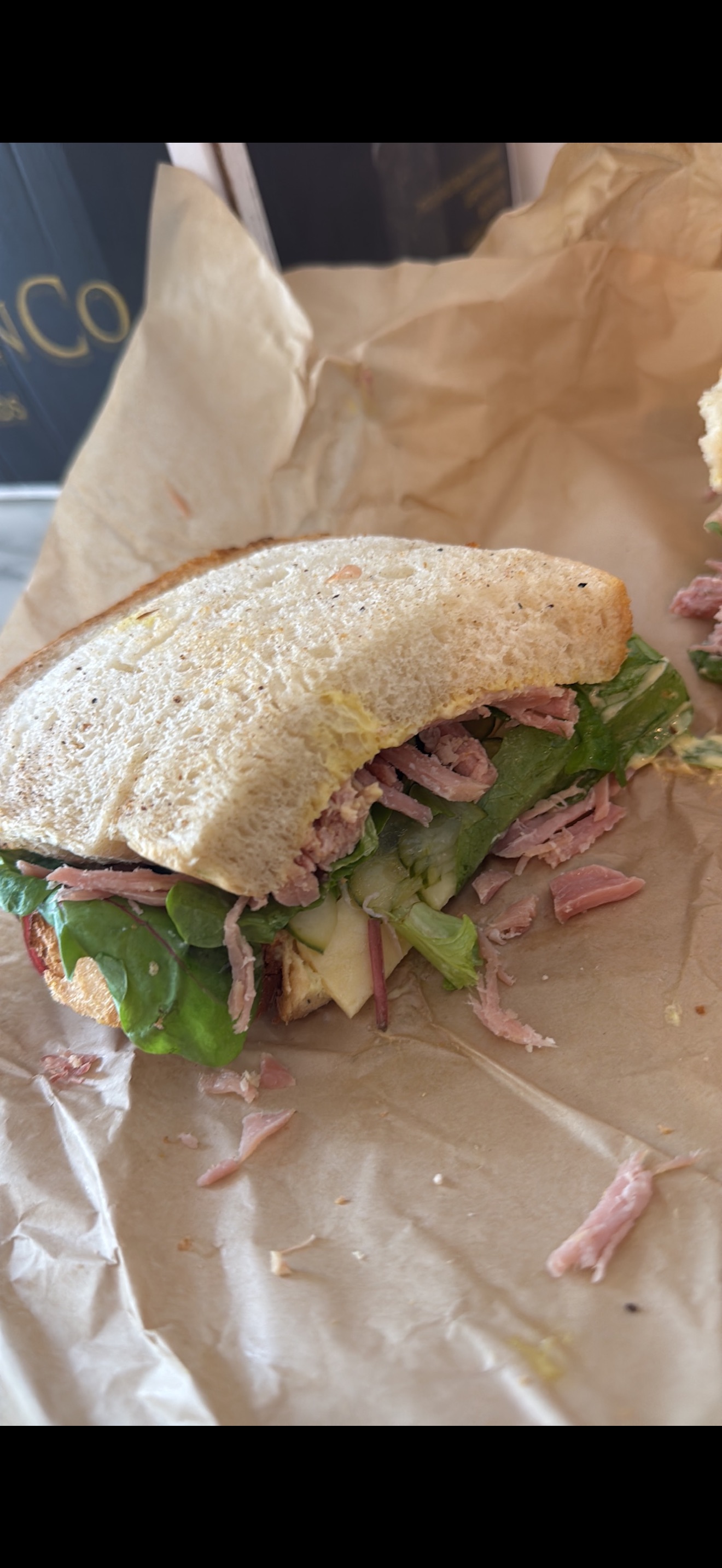
Where to eat in Dublin
These come from what people have rated on Mosey, and change as more do. They are not a paid placement.

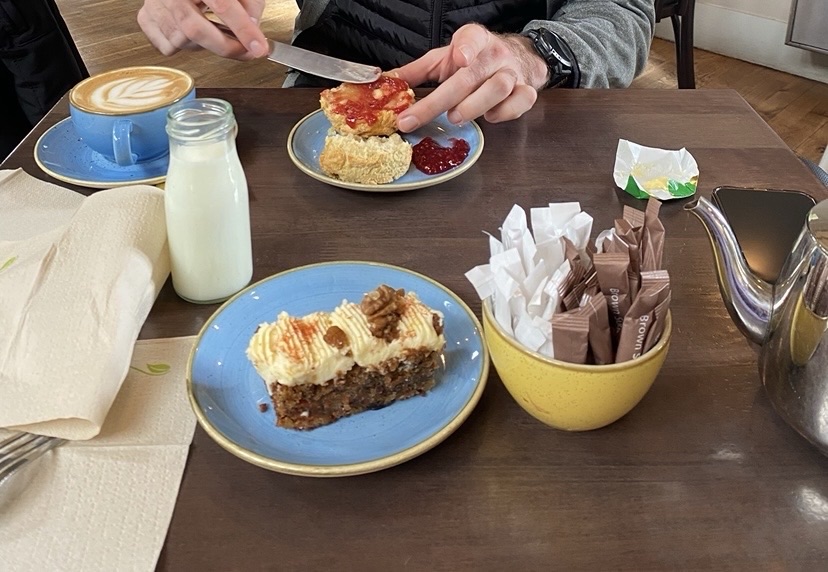



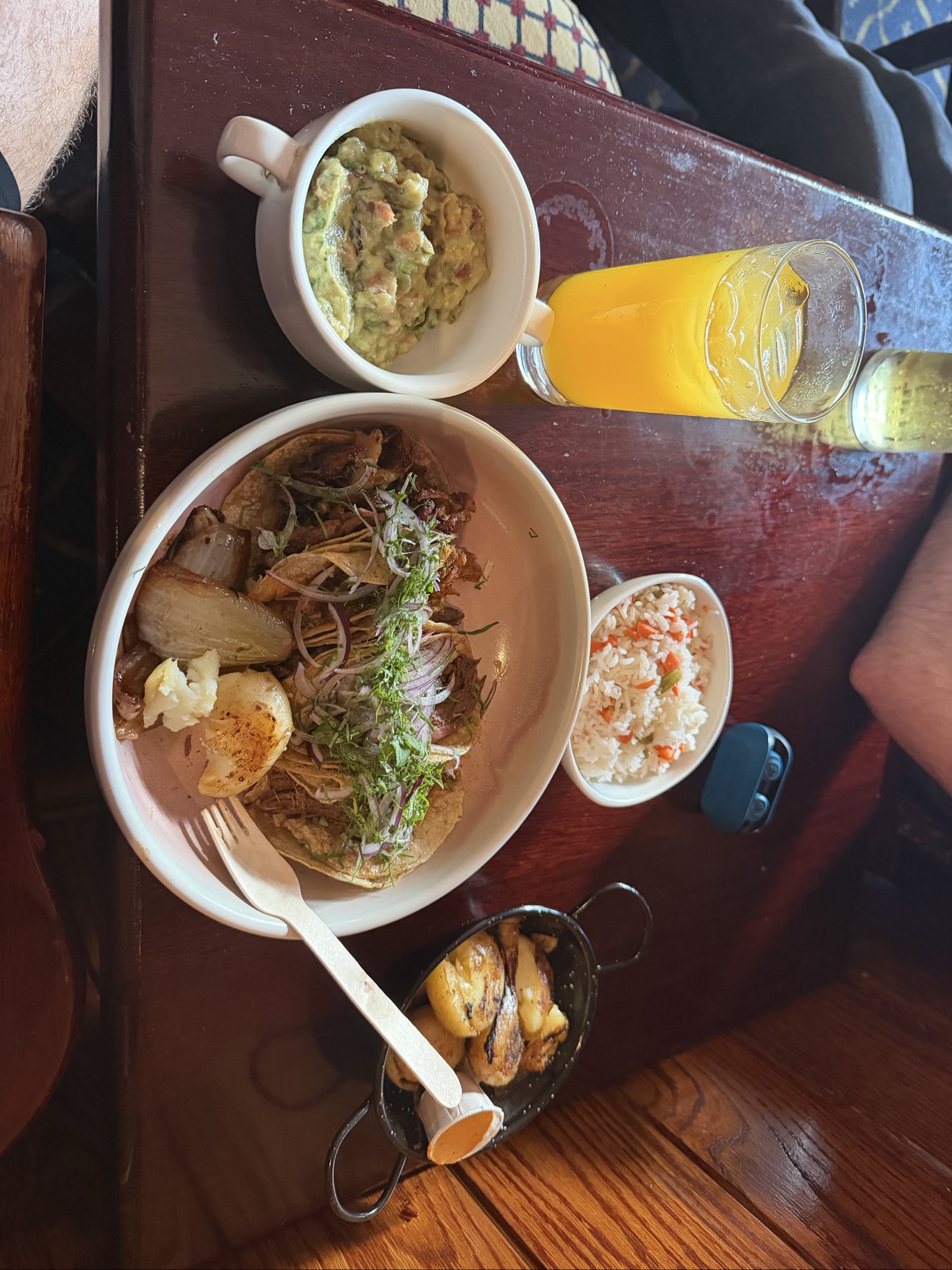
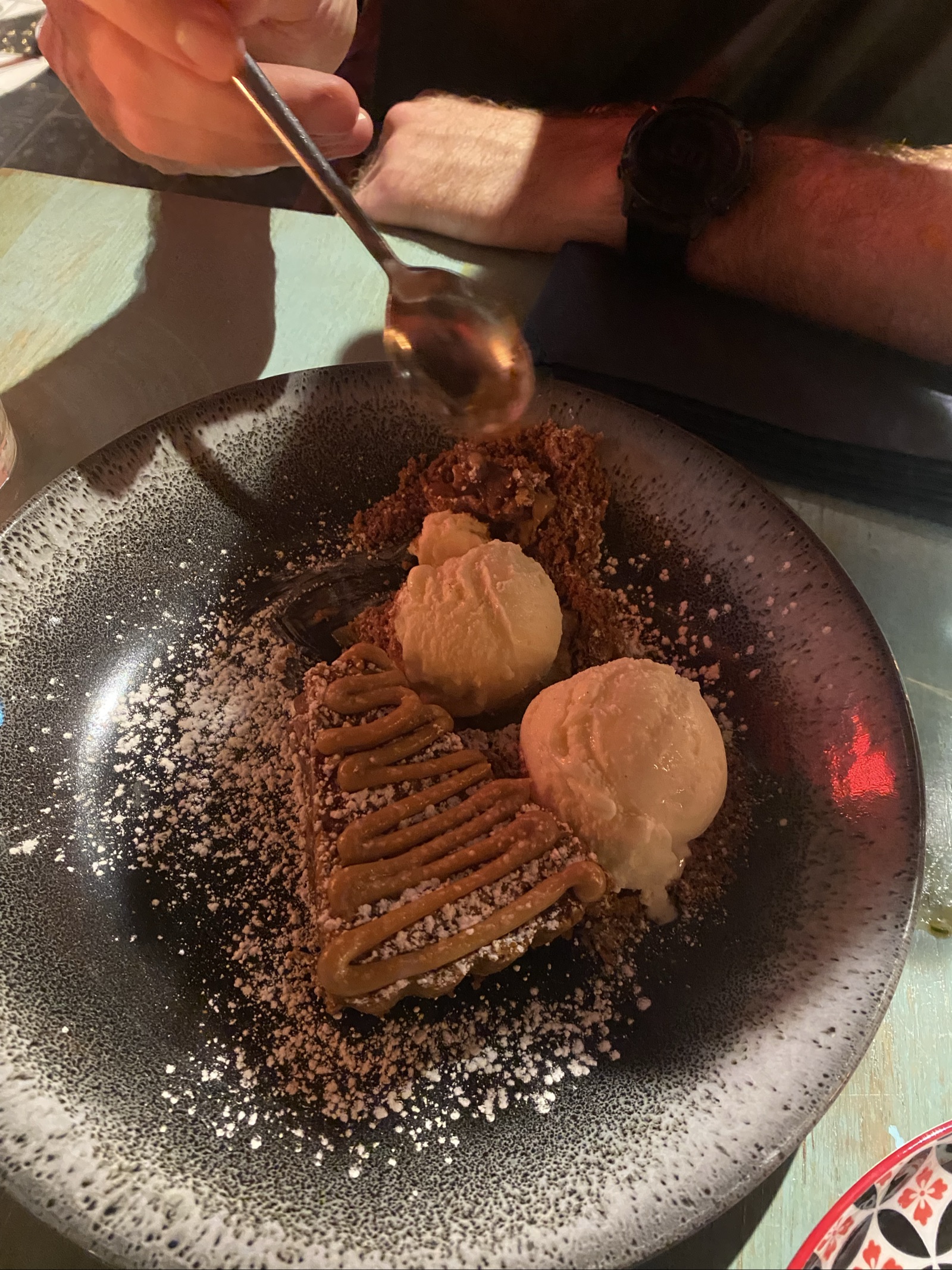
Questions
Common questions
How do I plan a day of eating in Dublin?
Choose one or two neighbourhoods, then match each meal to what is close. Cafes for breakfast, a counter or short menu for lunch, and a booked table for dinner works for most days.
Which Dublin neighbourhoods are good for food?
Stoneybatter, Smithfield, Portobello, Ranelagh and Rathmines are residential and full of everyday places. Temple Bar and Dublin 2 are the most central. Howth, Clontarf and Malahide suit a coastal afternoon.
Do I need to book dinner in Dublin?
On Thursday to Saturday, yes, especially for small rooms and groups. Midweek you can often walk in, but a booking costs nothing and removes the risk.
How do I know if a place is open?
Check its own page on Mosey for hours. Many listings began as public map data, and a place that has claimed its page keeps its hours current.
Can I eat well in Dublin without a booking?
Yes, for breakfast and lunch almost always, and for dinner on a weeknight. At weekends a booked table for dinner removes the risk.
How many areas should I cover in one day?
Two is plenty. One for the morning and early afternoon, one for the evening, with a short travel leg between them.
More like this
Read next
Best brunch in Dublin: how to find it and get a table
How to find Dublin's best brunch by the dish you actually want, and how to get a seat on a weekend morning without standing in the rain.
Best cafés in Dublin: a guide to the city's coffee culture
Dublin's café scene runs from commuter counters near the stations to slow neighbourhood spots in Rathmines and Stoneybatter. Where to look, and how to spot a good one.
Dublin, Cork and Galway restaurants for dates, families and occasions
The best place for a first date is rarely the best place for a family Sunday. How to choose and book for each occasion in Ireland's three biggest food cities.
Group dinners in Dublin: how to book a big table that works
Booking dinner for ten in Dublin is mostly logistics. Here is how to pick a place that genuinely suits a group, and how to sort numbers, deposits and the bill before the night.
Keep going
Where to eat in Dublin
