
How to
Best restaurants in Dublin: how to find the right one
Mosey · 22 September 2026 · 6 min read
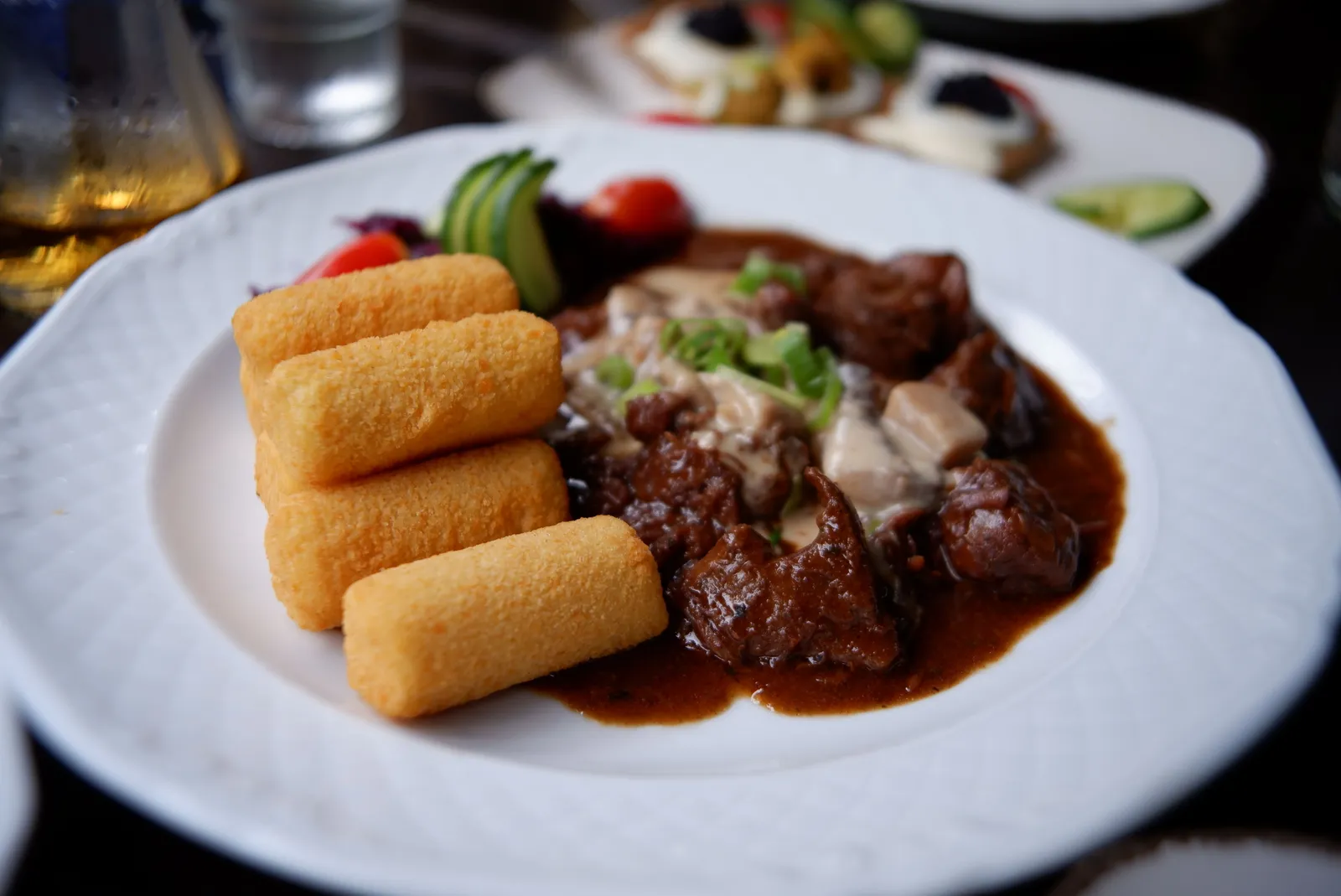
The best places to eat in Dublin are easiest to find if you work backwards from the meal: decide what it is for, pick a neighbourhood, then look at ratings that carry photographs of the food and say how many people left them. On Mosey, the Dublin hub and the top-rated Dublin list rank places on ratings from people who ate there, and Gold marks the places whose ratings have stayed high, which nobody can pay for.
That is the short answer. The rest of this guide is how to use it without ending up somewhere ordinary.
Start with the occasion, not the ranking
"Best" means different things at ten on a Saturday morning and eight on a Friday night. A single ranking mixes them together, so narrow the question before you trust any list:
- Weekend brunch is as much a queueing problem as a food one. The good places fill early.
- A date needs a room where you can hear each other, which rules out a surprising number of well-rated places.
- A group of eight shrinks the field to places that will take a table that size, often with a deposit.
- Lunch near work is a habit, not an event. Ten reliable places within a short walk beat one brilliant one across the city.
- A night with visitors usually means somewhere central that still feels like Dublin rather than a postcard of it.
Mosey has Dublin pages for most of these: brunch, date night, group dining, solo dining, walk-ins, outdoor seating, coffee, vegetarian and more. Start on the one that matches the evening, and the ranking on it becomes far more useful than a citywide one.
Which Dublin neighbourhoods are worth knowing for food?
Dublin eats by neighbourhood more than by street, and each of these has its own page on Mosey:
- The city centre (Dublin 2), south of the Liffey around Grafton Street, packs the most choice into the smallest area. Good when people are coming from different directions.
- Temple Bar is the busiest and most visited part of town. There are good places in it, but it is also where you are most likely to pay more for less, so check the ratings rather than walking in on the strength of a busy room.
- Stoneybatter and Smithfield, on the north side just west of the centre, are older streets a short walk from the quays where plenty of Dubliners go for an evening away from the tourist routes.
- The Liberties, south-west of the centre, is one of the oldest parts of the city.
- Portobello, Ranelagh, Rathmines and Rathgar sit along and beyond the Grand Canal to the south, each with its own main street of cafés and places to eat.
- Phibsborough and Drumcondra do the same job on the north side: neighbourhood places used mostly by the people who live there.
A rule of thumb that holds up: away from the main sights, a place lives on people who come back, so its ratings tend to come from regulars rather than from one-off visitors.
How to read a Dublin rating properly
Every rating on Mosey comes from somebody who ate there, usually with a photograph of what they had. Three things tell you more than the score:
- How many people rated it. The count on a card is people, not visits, so one enthusiast cannot look like ten customers. A 5.0 from two people is a promising sign, not a verdict.
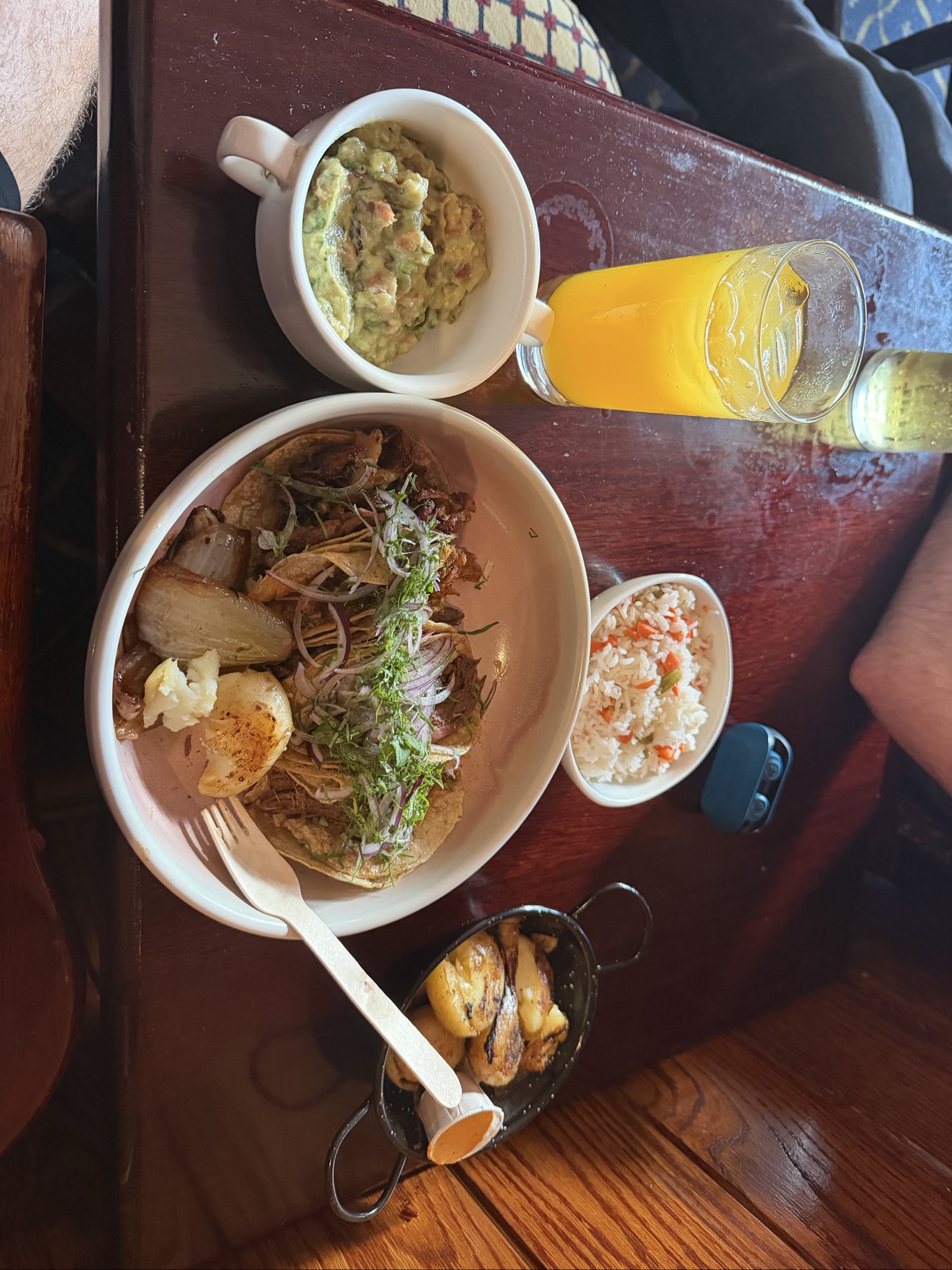
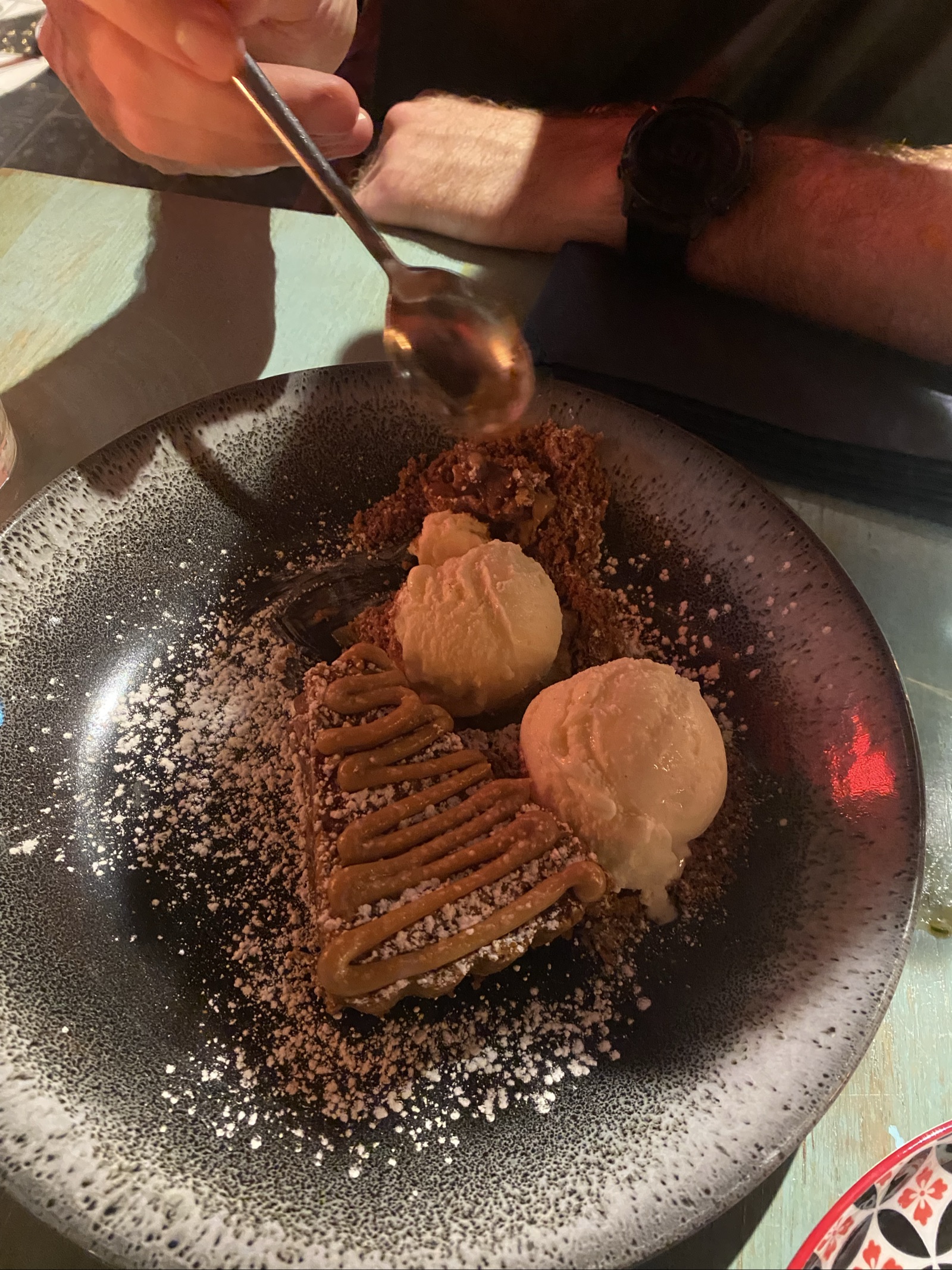
- What the photographs show. Ten plates from ten visits tell you portion size, style and whether the thing you fancy is any good, far faster than any description.
- Whether it is Gold. Gold replaces the score on places whose average is high enough, and it does not flicker off after one bad night. Ratings left by a place's own owners do not count towards it, and it cannot be bought.
Read the replies too. A place can answer a rating but cannot delete one, and a calm, specific reply to a complaint tells you a lot about who is running the kitchen.
Use the ranked lists as a shortlist
The top-rated list orders Dublin places by what people rated, and there is a separate list of top-rated Dublin dishes that ranks individual plates rather than whole places. Neither is for sale: advertising, subscriptions and payments on Mosey do not move a place up a page.
Treat both as a shortlist rather than an instruction. A place that opened last month with three good ratings will not rank yet, and it may be the best thing you eat this season. A practical method:
- Take five candidates from the list or from the page for your occasion.
- Open each one and look at the photographs of what you would actually order.
- Check the opening hours, because many listings started from public map data and only a claimed listing is kept up to date by the place itself.
- Save the two that survive to a list, so the decision is made before you are hungry.
Search for the dish, not the cuisine
Most people search "Italian near me" when what they want is one specific plate. Searching for the dish is usually the better question. Mosey builds a page for a dish at a particular place whenever somebody rates a place and names what they had, so you see that plate, photographed by people who ordered it, and what they paid where they said.
It is also the honest answer to the last thirty seconds before you order. Every kitchen has something it is proud of and something it makes because people expect it, and the photographs usually tell you which is which.
How do I get a table at a popular Dublin restaurant?
Friday and Saturday evenings at the well-known places go first, so book early in the week if the night matters. When somewhere is full:
- Join the waitlist. When somebody cancels, the table goes to the list rather than sitting empty, which is how most people get into a booked-out weekend.
- Look on the day. Tables come free in the afternoon when plans change, and if you can eat on short notice that is the easiest way into a full place. The guide to getting a last-minute table in Dublin tonight covers it step by step.
- Try a place that takes walk-ins, and go before the main rush rather than at eight.
- Expect a deposit for a big table. It comes off your bill and Mosey takes nothing from it.
And if you cannot make it, cancel. Whether people turn up is recorded, and a pattern of missed bookings is what gets you asked for a deposit next time.
Mistakes that cost people a good meal in Dublin
- Deciding on the street at eight o'clock. Ten minutes on the bus the night before beats twenty minutes on a wet pavement.
- Ordering the dish a place is not known for. The rating is an average; your dinner is one plate.
- Taking a five from two ratings as gospel, or ignoring a place because it is new.
- Only looking in the centre. The neighbourhood pages are where most of the regulars are.
Try it on Mosey: open the Dublin page that matches your evening, pick five, and save the best two to a list before you go.
On Mosey now
Where to eat in Dublin
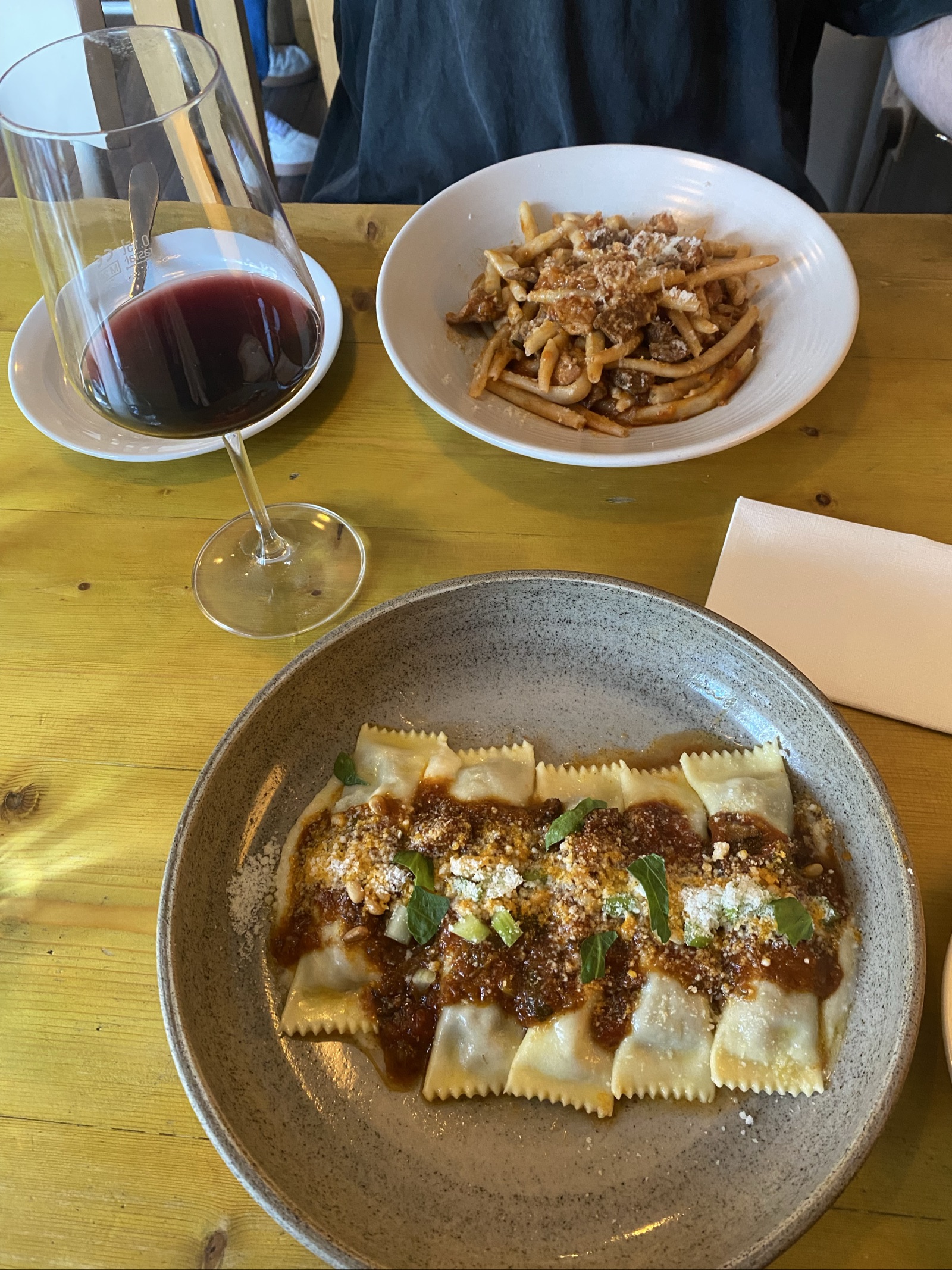
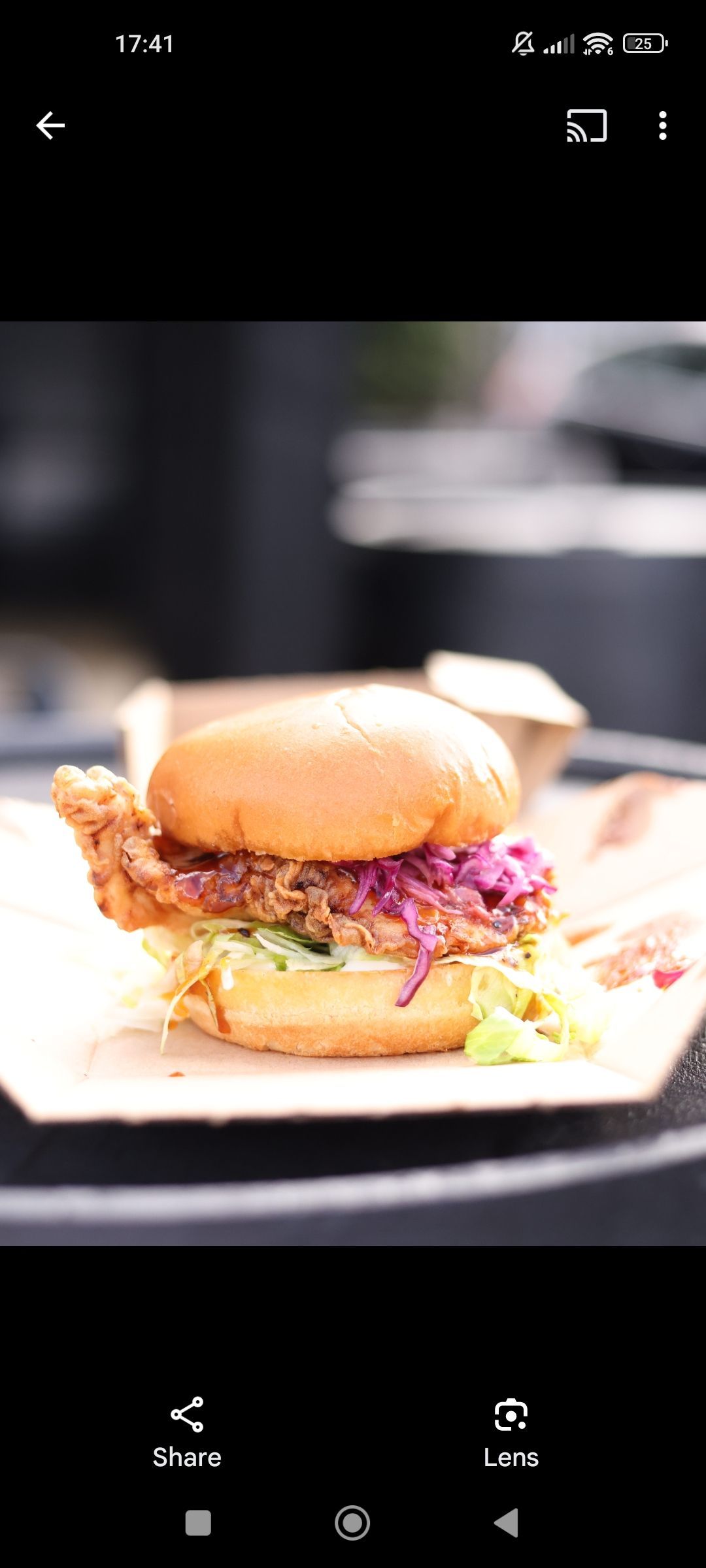
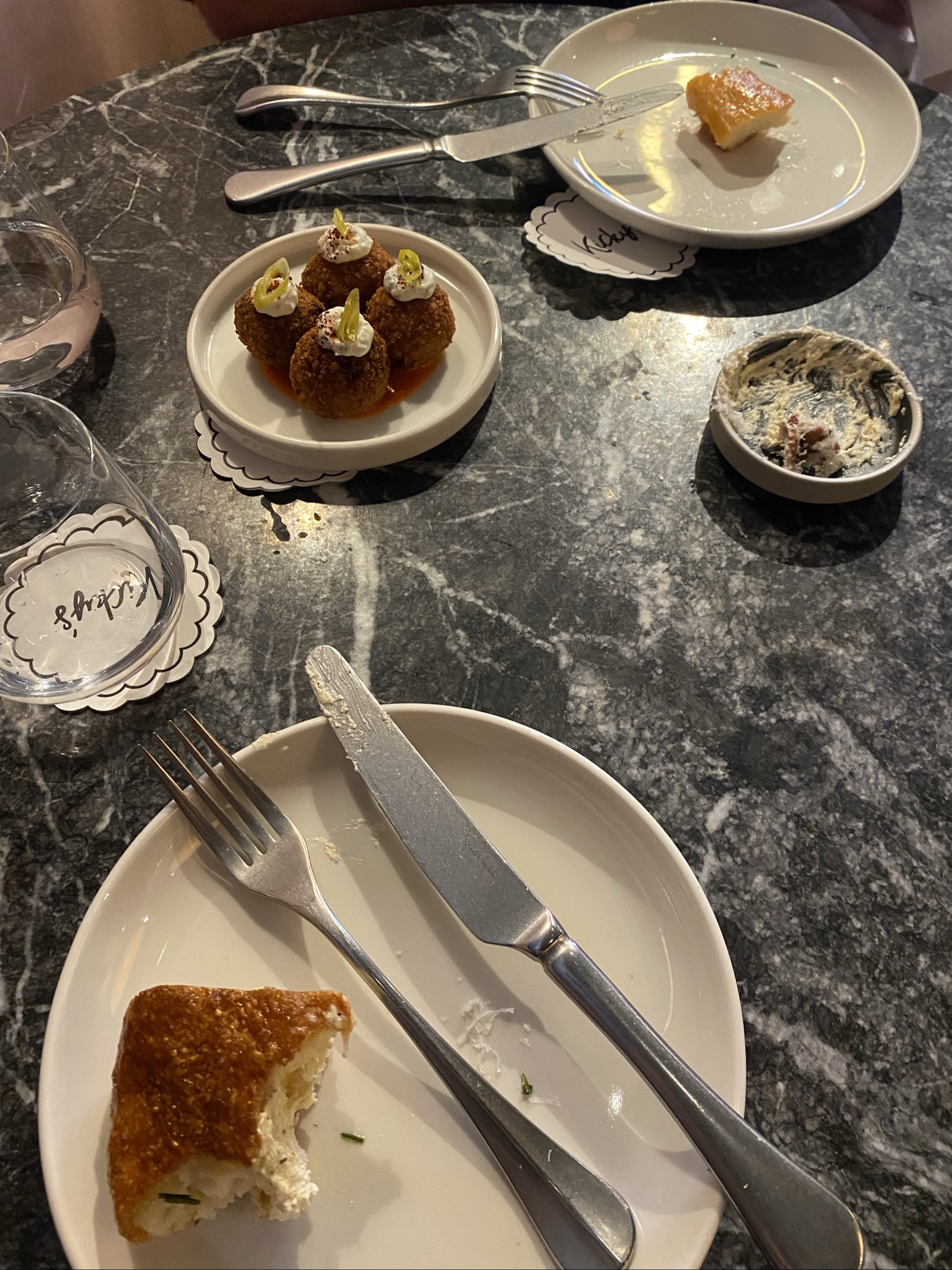
These come from what people have rated on Mosey, and change as more do. They are not a paid placement.

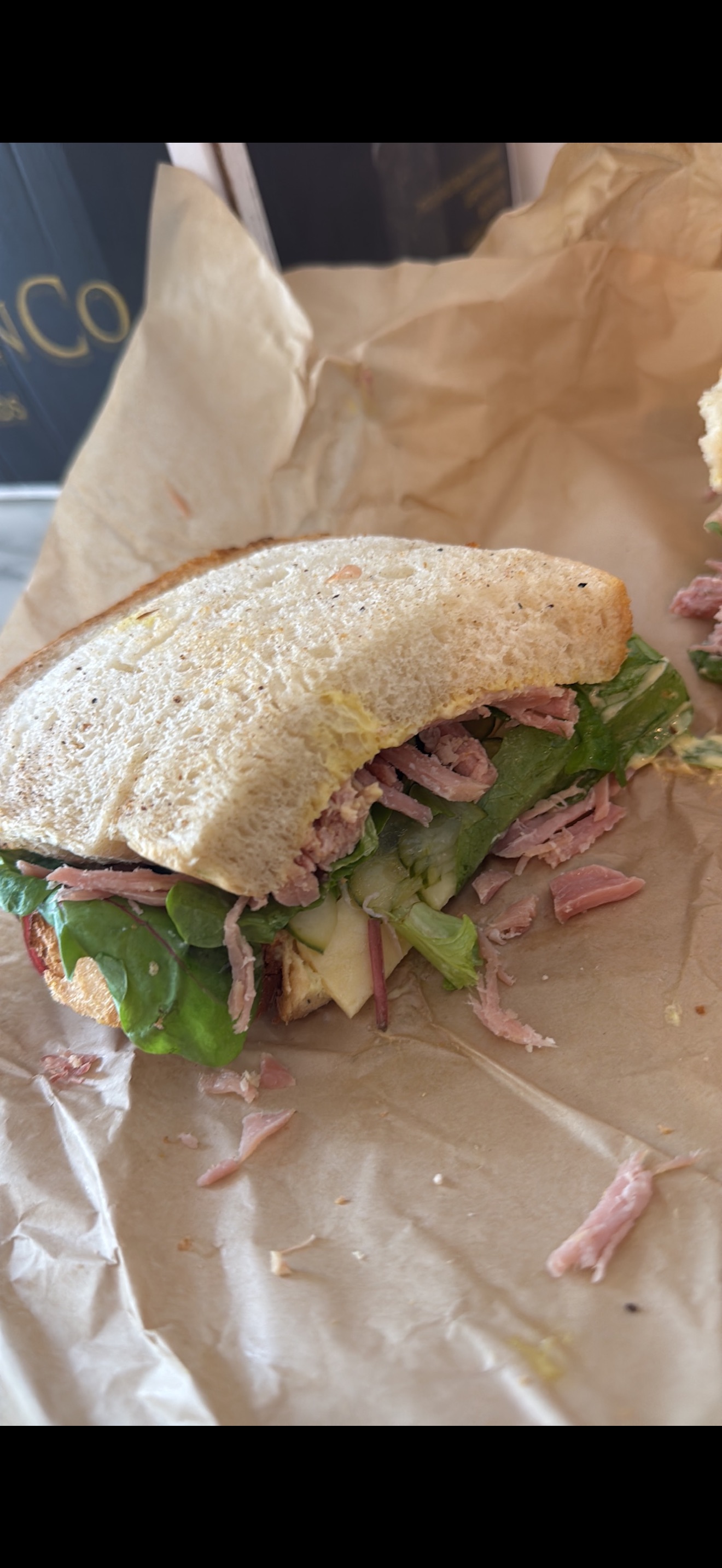
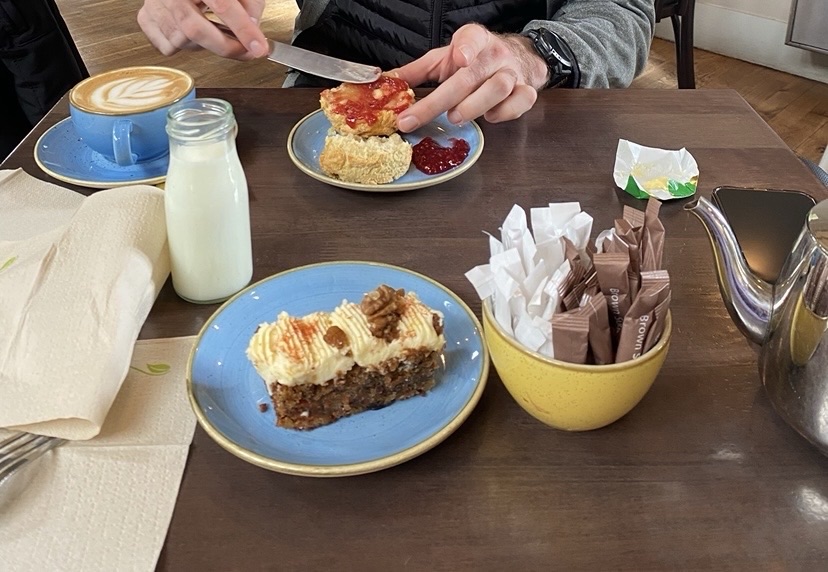
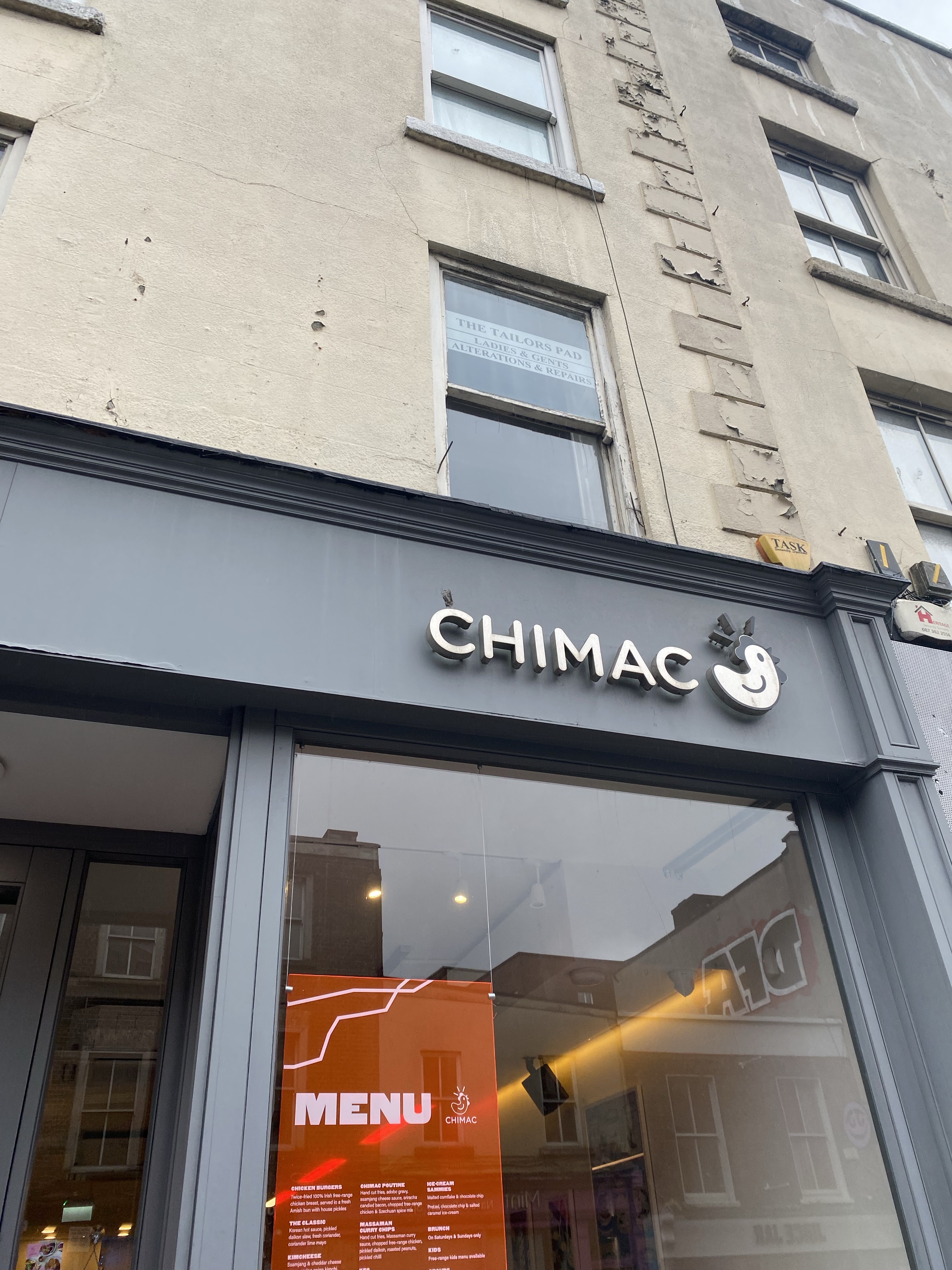


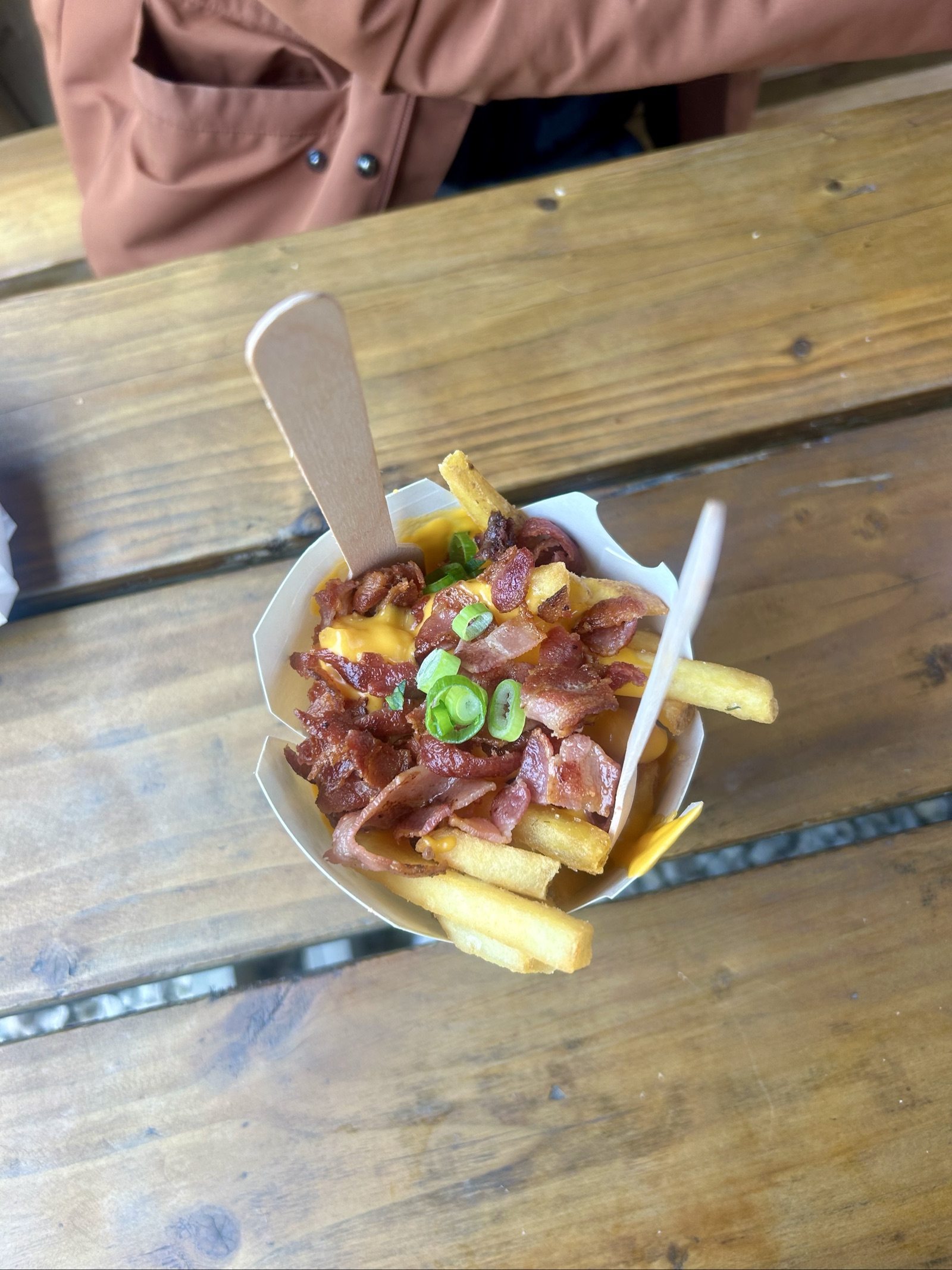
Questions
Common questions
What is the best way to find a good restaurant in Dublin?
Decide what the meal is for, pick a neighbourhood, then check ratings that come with photographs of the food and a count of how many people left them. A ranked list is a good shortlist, but the photographs of what you would order are what settle it.
Are the rankings on Mosey paid for?
No. Places are ranked on ratings from people who ate there, and advertising, subscriptions or payments do not move a place up a page. Gold is earned from ratings and cannot be bought.
What does Mosey Gold mean on a Dublin place?
It means the place's average rating is high enough to earn the mark, and it keeps it until the average falls some way further. Ratings left by the place's own owners do not count towards it.
Can I get into a fully booked Dublin restaurant?
Often, yes. Join the waitlist, because cancelled tables go to the list, and check again on the day, when plans change and tables come free.
Is Temple Bar a good place to eat in Dublin?
It has good places, but it is the busiest and most visited part of the city, so check ratings and photographs before you sit down. The neighbourhoods a short walk away often suit a relaxed meal better.
Do I have to pay to book a table through Mosey?
No, booking is free. Some places ask for a deposit on large tables or busy nights, and that comes off your bill rather than being a fee.
Why should I check opening hours before I go?
Many listings started from public map data, so unless a place has claimed its page and keeps it updated, the hours may be out of date. A quick check saves a wasted trip across the city.
More like this
Read next
A day of eating in Dublin, neighbourhood by neighbourhood
Dublin eats best when you pick a neighbourhood rather than a restaurant. Here is how to plan a day around one or two of them, from first coffee to a late table.
Best brunch in Dublin: how to find it and get a table
How to find Dublin's best brunch by the dish you actually want, and how to get a seat on a weekend morning without standing in the rain.
Best cafés in Dublin: a guide to the city's coffee culture
Dublin's café scene runs from commuter counters near the stations to slow neighbourhood spots in Rathmines and Stoneybatter. Where to look, and how to spot a good one.
Dublin, Cork and Galway restaurants for dates, families and occasions
The best place for a first date is rarely the best place for a family Sunday. How to choose and book for each occasion in Ireland's three biggest food cities.
Keep going
Where to eat in Dublin
