
Food culture
Bloomsday food: the gorgonzola sandwich, kidneys and Dublin
Mosey · 22 November 2026 · 11 min read
Last updated 22 November 2026
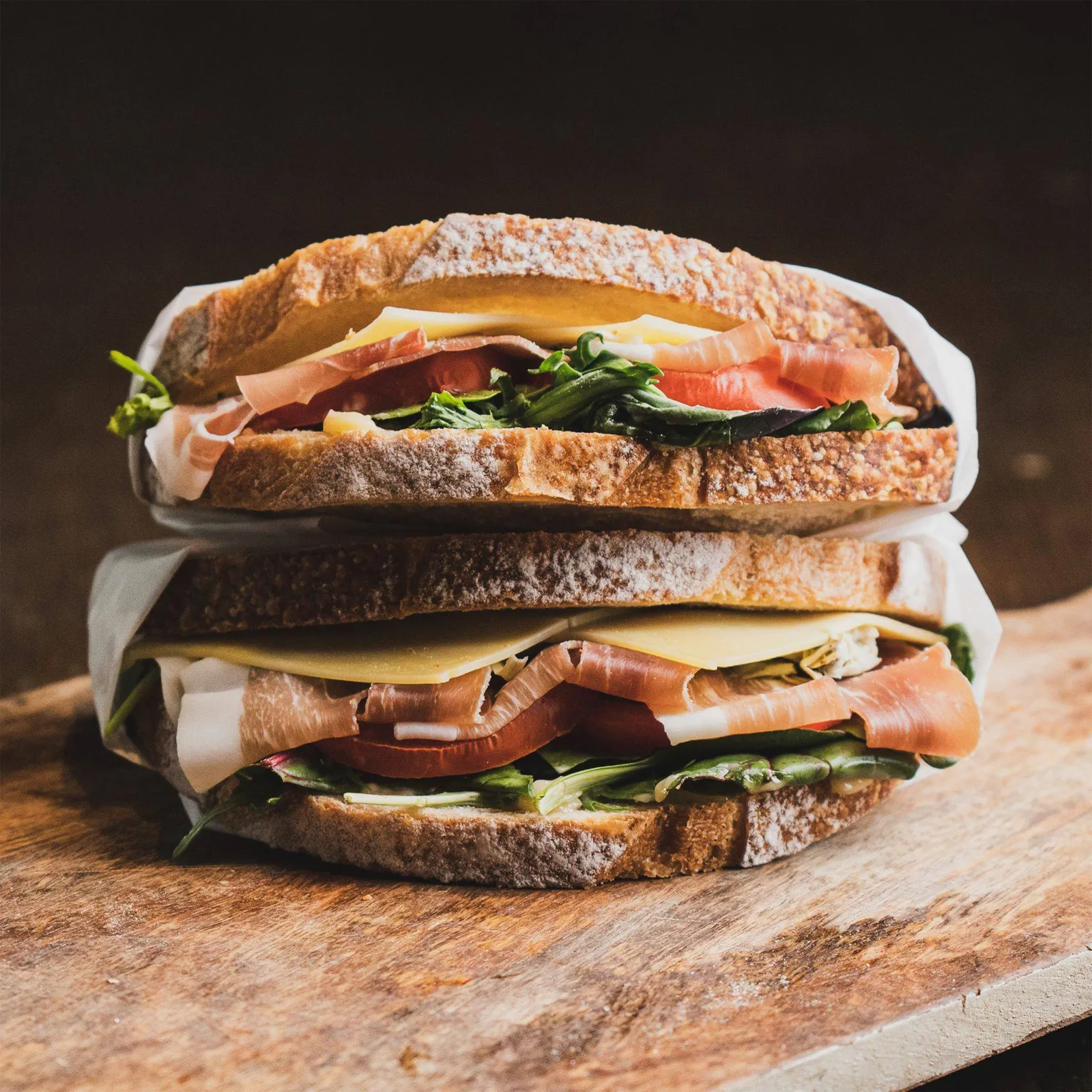
Bloomsday food is a gorgonzola cheese sandwich with a glass of burgundy for lunch, and a fried kidney for breakfast. They are the meals Leopold Bloom eats on the single day James Joyce's novel Ulysses follows, and Dublin celebrates that day every 16 June with readings, costume, pub crawls and, in some kitchens, a Bloomsday breakfast.
This guide explains each dish plainly, how to make or order a sandwich worth the fuss, what to expect if you try the kidney, where the celebrations happen in Dublin and how to plan a food day around them. It names streets, landmarks and public events, never single businesses, because menus for the day change from year to year. Check the organiser's page for this year's programme.
What is Bloomsday, and why does it come with food?
Bloomsday is the annual celebration of Ulysses, held on 16 June, the day on which the whole novel is set. Its hero is Leopold Bloom, an advertising canvasser who walks around Dublin from morning to night. Readers mark the day by retracing his route, and the usual ways of doing it are readings and dramatisations, wearing Edwardian costume, pub crawls and walking the streets of Dublin. A festival around the day gives the city a programme.
Food belongs to the day because Ulysses is full of it. Bloom is a man who thinks about his stomach, and the book follows him from a kitchen at breakfast to a pub at lunchtime and on into the evening. A Bloomsday table can be built around two of those meals: a sandwich and a kidney.
What is the gorgonzola sandwich, and why does everyone talk about it?
The gorgonzola sandwich is Bloom's lunch. In the lunchtime chapter his thoughts are full of food as the hour approaches. He wanders into a restaurant, is put off by the sight of men eating like animals and walks out. He ends up in a pub, where he has a gorgonzola cheese sandwich and a glass of burgundy, and sits quietly thinking about his marriage and the years behind him.
Gorgonzola is an Italian blue cheese. It is creamy, tangy and a little sharp, with blue-green veining. The cheese is soft enough to spread and strong enough to carry a sandwich on its own, which is why it needs very little around it. Burgundy is a red wine from the French region of that name, usually light and fruity in style, and it suits a cheese with some bite.
People talk about the sandwich because it is so ordinary. Nothing in it is grand. A man on his own at lunch in a pub, eating something simple and thinking, is a very Dublin picture, and that is why a plain sandwich has become a meal readers remember long after the plot has faded. It also makes Bloomsday friendly: anyone can make one in a kitchen.
How do you make or order a Bloomsday gorgonzola sandwich?
Keep it simple, as the book does. A plain way to make one is soda bread, gorgonzola and a little mustard, with tomato if you like.
- Choose the bread. Irish soda bread is the natural partner, with its dense crumb and tang. Our guide to telling a good loaf of soda bread shows what to look for. A sturdy brown or sourdough slice also holds a soft cheese well.
- Choose the cheese. Gorgonzola comes in a softer, creamier style and a firmer, sharper one. If your guests are nervous about blue cheese, start with the creamy kind and a thin spread.
- Add something sharp. A little mustard cuts the richness. A few slices of crisp tomato, lettuce or a smear of butter keep the bread from going soggy.
- Cut it small. Slender strips or fingers suit the scene and make a table of Bloomsday guests easier to feed.
- Match the drink. A glass of red is traditional. A small glass of something non-alcoholic works just as well, and some places list good alcohol-free options.
If you order one in a pub or café on the day, ask what the cheese is and what the bread is. Some places do a version for the day, but a menu can change, so ring first if you are travelling for it. For the wider picture of how Irish menus describe cheese, see how to order a farmhouse cheese board.
Did Leopold Bloom really eat kidneys for breakfast?
He did. The chapter that introduces him opens with the line: Mr Leopold Bloom ate with relish the inner organs of beasts and fowls. At breakfast he decides he wants a fried kidney, so he walks to a butcher to buy one. He comes back, prepares breakfast and brings it to his wife in bed with the post.
Bloom's is a mutton kidney. A fried kidney is a kind of offal, the edible organs of an animal. Lamb, pork and ox kidneys all turn up in the Irish and British kitchen. Cooked well it is tender and savoury, with a deep, mineral flavour that is stronger than most meat. Cooked too long, it turns tough and bitter, so a kidney wants a hot pan and a short time.
If you want to try one:
- Order it where offal is a speciality. A kitchen that sells it regularly is more likely to cook it carefully than one that does it once a year.
- Ask how it comes. Kidneys often arrive on toast, in a rich gravy or as part of a larger breakfast plate.
- Start with a small portion. The flavour is strong and you can always add more.
- Mind the dietary needs. Offal is meat, so it is not for vegetarians, and anyone avoiding a particular meat should ask what animal it comes from.
Our guide to the full Irish breakfast explains what normally shares the plate, and the same questions apply to a Bloomsday version.
What else does Bloom eat on the day?
The book keeps returning to food. Bloom's day is one of small, solitary meals, and his thoughts are crowded with food as lunchtime nears. Two things are worth knowing before you plan a table:
- Offal is a theme, not a one-off. The kidney at breakfast is part of a pattern: the book introduces him as a man who eats the inner organs of beasts and fowls with relish.
- He eats alone, and he is choosy. He walks out of one crowded dining room before he settles on the sandwich in a quiet pub. The book treats the meal as a mood as much as a menu, which is a good excuse to pick somewhere calm.
For a table, that gives you a simple structure: a kidney or a full Irish at breakfast, the sandwich at lunch, and whatever you fancy for the evening. A Bloomsday menu does not need to follow every page. If the literary side matters to you, a short reading with the food is plenty.
Where does Dublin celebrate Bloomsday?
Dublin does it across the city, which suits a day that is about walking. The celebrations come in a few forms.
- The festival programme. A Bloomsday festival runs in Dublin around 16 June, with readings, dramatisations, talks and walks. Check the organiser's page for this year's events and any tickets.
- The Joyce Trail. A set of bronze plaques is set into the streets of Dublin and follows Bloom's route through the lunchtime chapter. It is an easy way to walk the day, and it keeps you moving between meals.
- The tower at Sandycove. The opening chapter of Ulysses is set at the Martello tower at Sandycove, on the coast south of the city, which hosts events around Bloomsday, including readings, music and tours.
- Pubs and cafés across the city centre. Some serve a themed breakfast or lunch, and people in Edwardian costume are part of the day.
- Readings and dramatisations. They are among the usual ways the day is marked, so a walk can end in a scene.
Expect the busiest spots to fill early on the day itself, particularly at breakfast and lunch. If you want a table at a sit-down place, book ahead where bookings are taken. If you want the quieter parts of the day, walk the trail and stop where the crowd thins.
What does a Bloomsday breakfast look like?
A Bloomsday breakfast is a full Irish with a nod to the book. In some kitchens it includes a kidney. In others it is a normal fry with a literary name.
A full Irish normally means sausages, rashers, eggs, toast or soda bread, black and white pudding, tomato and beans, though a place may leave out or add items. A Bloomsday version may add kidneys, or serve them on toast. If you are not sure you want offal, order the full Irish and ask whether a kidney can come on the side, so you can try a piece without committing to a plate.
Breakfast is also the easiest meal to share. A table of friends can order a few plates and pass them around: the kidney for the brave, the full Irish for everyone else, a plate of soda bread and a pot of tea. Vegetarians can build a breakfast from eggs, tomato, mushrooms, beans, toast and soda bread. Ask for the vegetarian plate and check the kitchen does not cook it on a shared grill if that matters to you.
If you want a pub breakfast in the spirit of the day, our guide to eating in an Irish pub covers how to order and what to expect.
How do you plan a Bloomsday food day in Dublin?
Plan the day around the meals, not the other way round. A simple shape:
- Breakfast. Choose a place that does a proper full Irish, and book it if you can. Kidneys are optional.
- A morning walk. Follow the Joyce Trail or a reading. Stop for coffee where the crowd thins.
- Lunch. This is the main event. Order the gorgonzola sandwich and a glass of burgundy, or a good non-alcoholic option, and take your time.
- An afternoon pause. Tea, soda bread or something sweet gives the afternoon a break.
- Dinner. Book somewhere calm for the evening.
A few practical points:
- Book early. The day is busy and popular places fill. Where a place takes bookings on Mosey, you can book a table and get a reminder. If it is full, join the waitlist where the place offers one and turn on a cancellation alert. Our guide to joining a waitlist for a full restaurant explains it.
- Check what is open. Hours on the day can differ from a normal weekday, so check before you set out.
- Think about the group. If friends are coming from outside Dublin, agree a meeting point and a plan B in case a place is full.
- Ask about allergens. Cheese contains milk and bread usually contains gluten, so ask the kitchen. A dish with nothing listed means allergens are not listed, which is a reason to ask, never a promise.
For other food days across the Irish year, the food festivals planner covers more.
How can Mosey help you eat your way through Bloomsday?
A few parts of Mosey fit the day well.
- Rate and look by the dish. Mosey is built around the dish, not just the place. Search for a gorgonzola sandwich, a kidney or a full Irish and look at photographs from people who ordered it, so you can choose a good version before you queue. When you eat one, rate it and add a short note and a photograph.
- Use the tags. People tag what they rate, and the tag lists include Breakfast, Lunch and Full Irish, with Vegetarian and Dairy-Free for dietary needs. Filter by them to narrow a long list. Tags are a person's own pointers, so check the place afterwards.
- Hide dishes by allergen. The "Hide dishes that list" filter hides dishes whose declared allergens you want to avoid. A dish with nothing listed is "not listed", so ask the place.
- Check what is open. Switch on the Open now layer on the map in the Mosey app to keep only the places whose listed hours say they are open.
- Make a list of the day. Save your breakfast, lunch and dinner to a list and share it. Each friend gets their own invite link, because one link works once, for one person. Our guide to making and sharing a list of places shows how, and the lists feature explains the rest.
- Follow the friend who always knows. Their picks show on your map as Friends' picks.
- Answer Top 3. Top 3 asks one question at a time and lets you name up to three places in order. Your answers are kept as a private list, so after Bloomsday you have a short list of Dublin favourites without trying.
- Read the ranked lists. Mosey's ranked lists are earned from ratings alone, and nobody pays to rank. They are a good place to start before you narrow to what suits the day.
If you are visiting from abroad, Mosey Travel's food passport keeps a record of where you have rated, by country, town and neighbourhood, so the day stays on your map after you fly home. See the ratings feature for how rating by the dish works.
Where do you start?
Pick the meal you are most curious about. If it is the sandwich, make one at home with soda bread and a creamy gorgonzola and see what the fuss is about. If it is the kidney, find a kitchen that cooks offal and order a small plate. Then rate what you eat on Mosey, with a note and a photograph, and add it to a list for the next reader.
For more Irish food days, browse the food guides and the ranked lists.
Questions
Common questions
What food is associated with Bloomsday?
A gorgonzola cheese sandwich with a glass of burgundy, which Leopold Bloom has for lunch, and a fried kidney, which he cooks for breakfast. Some Dublin kitchens add a themed full Irish on 16 June. On Mosey you can look at dish photographs and ratings before you choose.
What did Leopold Bloom eat for lunch in Ulysses?
He has a gorgonzola cheese sandwich and a glass of burgundy in a pub, after leaving a restaurant where he was put off by the way other men were eating. Gorgonzola is a creamy Italian blue cheese. Soda bread with a little mustard is a simple way to serve it.
What is a Bloomsday breakfast?
It is a full Irish breakfast with a nod to the novel, and in some kitchens it includes a fried kidney, as Bloom has. A full Irish usually means sausages, rashers, eggs, pudding, tomato and toast or soda bread. Ask what comes on the plate, and book where you can.
What does kidney taste like and how is it cooked?
Kidney is offal with a savoury, mineral flavour that is stronger than most meat. Cooked briefly and served on toast or in gravy it is tender. Cooked too long it turns tough and bitter. Start with a small portion and ask what animal it is from.
Where does Dublin celebrate Bloomsday?
Across the city: a festival programme of readings and walks around 16 June, the Joyce Trail of bronze plaques following Bloom's route, events at the tower at Sandycove where the novel opens, and pubs and cafés serving themed meals. Check the organiser's page for this year's programme.
Can I celebrate Bloomsday without eating offal or cheese?
Yes. Order a vegetarian full Irish, build a plate from eggs, mushrooms, tomato and soda bread, or make a sandwich with a dairy-free filling. On Mosey, the Vegetarian and Dairy-Free tags and the "Hide dishes that list" filter help, and you should still ask the kitchen about allergens.
Do I need to book a table for Bloomsday in Dublin?
It is wise. The day is busy, particularly at breakfast and lunch. Where a place takes bookings on Mosey, you can book a table. If it is full, join the waitlist where the place offers one and ask for a cancellation alert, then check opening hours for the day.
How can I plan a Bloomsday food day with friends?
Choose a breakfast, a lunch and a dinner, then save them to a list on Mosey and send each friend their own invite link, because one link works once, for one person. Use the map's Open now layer on the day, and rate what you eat by the dish.
More like this
Read next
Eating near Trinity and UCD on a student budget
Trinity sits in the middle of Dublin and UCD is out at Belfield, so cheap food near each works differently. A student guide to both, and how to check value.
Pub food in Dublin: how to find a good pub meal
Good pub food in Dublin comes down to reading the signs: a short menu, a kitchen with its own hours, recent photographs of the dish. Where to look and what to order.
Where to eat before a rugby or football match at the Aviva Stadium
Eat before a match at the Aviva Stadium in Ballsbridge, Ringsend, Grand Canal Dock or the south city centre, and take the DART in. What to order and how to book.
Where to eat before a match at Croke Park
Eat before a match at Croke Park in Drumcondra, Phibsborough or Fairview, well ahead of throw-in. What to order, how to book, and how to get there.
Keep going
Where to eat in Dublin