
For businesses
How to train restaurant staff on allergens
Mosey · 15 November 2026 · 7 min read
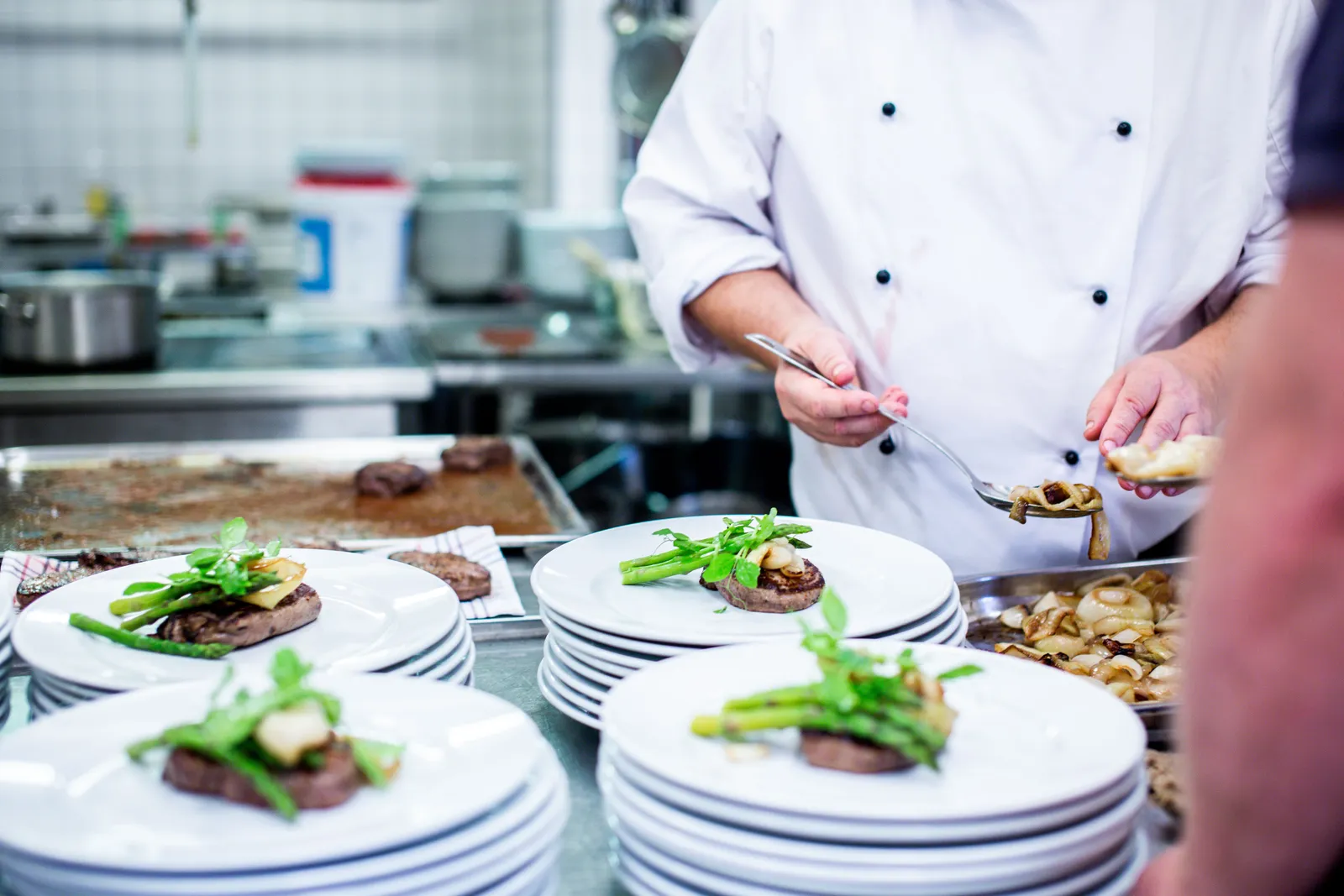
To train restaurant staff on allergens, teach everyone the same three things: which of the 14 allergens are in each dish, where the written answer lives, and what to do when they are not sure, which is to check and never guess. Then train the kitchen to keep that written answer true, because a server can only repeat what the kitchen has recorded.

Why does allergen training fail on a busy night?
Most allergen mistakes in a small restaurant or café do not come from someone who does not care. They come from a gap between what the kitchen knows and what the floor says. The chef swapped the pesto for one with cashews on Tuesday. The new server learned the menu from a colleague who learned it last spring. A guest asks about sesame at eight o'clock on a Friday and the answer is a guess delivered with confidence.
Training closes the gap only if it rests on one written record that everyone uses. Without that, every session teaches a memory, and memories drift the week the menu changes.
The legal side is real. Irish food businesses have to give allergen information for the food they serve, and staff have to be able to give it. Check the current rule with the Food Safety Authority of Ireland, and read the allergen information guide for what it means day to day.
What does every server need to know about the 14 allergens?
Every person who takes an order should be able to name the 14 allergens without a prompt: celery, cereals containing gluten, crustaceans, eggs, fish, lupin, milk, molluscs, mustard, tree nuts, peanuts, sesame, soya, and sulphur dioxide and sulphites. They do not need every dish by heart. They need four things:
- Where the answer is written. The allergen sheet, the menu record or the kitchen, never their memory.
- The difference between "contains" and "may contain". A dish made in a kitchen that also handles nuts is not the same as a dish with nuts in it, and the guest needs both answers.
- That a swap changes the answer. No croutons, sauce on the side, a different bread: each one is a new question for the kitchen.
- What to say when they do not know. "Let me check with the kitchen" is always right. "I think it's fine" is never right.
Teach the words as well as the facts. A guest with a serious allergy is listening for whether the person in front of them takes it seriously. A server who repeats the question back, writes it on the docket and goes to check earns that trust.
How do you train the kitchen so the answer on the floor is right?
The kitchen owns the record. Whoever writes the recipe, orders the stock or changes a supplier updates the allergen record before the dish goes out, not after service. Make that one person's job on each shift, usually the head chef or the most senior cook.
Train the kitchen on three habits. First, read the label on every new product, because a supplier can change a recipe without telling you. Second, keep a written recipe for every dish, so the allergens come from the recipe and not from a cook's memory of it. Third, call out an allergen order on the pass, so the cook plating it uses a clean board, clean hands and the right sauce.
Cross-contact deserves its own ten minutes. Show the team where flour hangs in the air, which fryer shares oil, and which tongs move between the nut garnish and everything else. Then decide which dishes you can make for an allergic guest and which you cannot, and tell the floor. The kitchen display guide shows how an allergen line reaches the right station.
How do you run allergen training in the first week?
New starters should do allergen training before they take an order on their own, not when someone finds a quiet hour. Build it into the first shift:
- Walk them through the allergen sheet and where it lives.
- Take three dishes and trace each from the recipe to the record to the sheet.
- Role-play a guest asking about milk and sesame, including a swap.
- Show them how an allergen note is written on the order and called out.
- Have them answer five questions from the sheet, then record that they have done it.
Pair them with an experienced server for their first allergen question on the floor. The 30-day onboarding guide puts this inside the full first month, and the staff meal guide shows how to use the family meal to teach a new dish's allergens to the whole team at once.
How do you keep allergen training up to date?
Training goes stale every time the menu changes. Tie a short refresher to every menu change, every new supplier and every new dish: five minutes at the pre-service briefing, with the new allergen line read out loud. Re-run the full session for everyone at a set point in the year, and after any near miss.
Do not forget the people who are not on every shift. Weekend staff, students who work the summer and anyone covering from another business miss the briefings by definition. Give them the five-step session on their first shift with you, even if they have worked in kitchens for years, and walk them through any change since their last shift before they start.
Specials need the same care. A dish chalked on the board at noon has no line on the printed sheet, so the kitchen writes its allergens on the docket and tells the floor before the first one is sold.
Keep a record of who was trained, on what and when. If an inspector or a guest asks, you can show it, and you will know who missed the last refresher. The training records guide covers what to keep and where. How often formal food safety training should be repeated depends on your kind of business, so check the current guidance with the FSAI or your local environmental health officer.
What do you do after a near miss?
A near miss is the cheapest lesson you will get. A dish went out with the wrong sauce and the guest spotted it, or a server gave an answer and the kitchen corrected it in time. Write down what happened that day, without blame: which step failed, the record, the call-out, the plating or the answer at the table.
Then fix the step, not the person. If the record was wrong, change who updates it. If the call-out was missed, change how allergen orders are flagged on the docket. Tell the whole team what changed at the next briefing. A team that sees near misses handled calmly will report the next one, which is exactly what you want.
How does Mosey keep the allergen answer in one record?
Mosey is Irish-built and Irish-run, and on Mosey the allergen record lives on the dish itself. In Menu Builder you mark what each dish contains and what it may contain, add a note, or press "Nothing to declare" once you have checked. Each change is saved with who made it and when, so you can see the day the pesto changed.
That one record then prints wherever your team looks: on the kitchen ticket, the kitchen display, the receipt and the order confirmation. The dashboard turns it into an A4 allergen sheet for the wall, so the floor reads the same answer the kitchen wrote. Mosey never tells a guest a dish is safe; it shows what you declared, and a dish you have not filled in tells guests to ask you first. The menu and allergens help page walks through it.
For the training itself, build a short course once, with a quiz on the 14 allergens and on your own dishes, and assign it to everyone on the team. Each person who completes it gets a certificate kept on their staff record. See Mosey Courses for how a course works and pricing for what each part costs.
Where should you start?
This week, print your allergen sheet, read it against your recipes with the head chef, and fix every line that has drifted. Then run the five-step session with your next new starter. When you want the dish record, the sheet and the training in one login, Host on Mosey free, declare your allergens in Menu Builder and assign the course to your team.
More in the guides for food businesses.
This guide is general information, not legal, tax or financial advice. Rules change and depend on your business and where it is, so check the current rule with the official body named in the guide and take advice from a solicitor or accountant in your area before you act.
Questions
Common questions
What are the 14 allergens restaurant staff need to know?
Celery, cereals containing gluten, crustaceans, eggs, fish, lupin, milk, molluscs, mustard, tree nuts, peanuts, sesame, soya, and sulphur dioxide and sulphites. Staff should be able to name them all and know where your written record for each dish is kept.
How often should restaurant staff do allergen training?
Before a new starter takes an order alone, then a short refresher at every menu or supplier change and a full session at a set point each year. How often formal training is repeated depends on your business, so check with the FSAI.
Who is responsible for allergen information in a restaurant?
The food business is. In practice the kitchen owns the written record and the floor reads from it. The rules on giving allergen information are set by food law, so check the current rule with the Food Safety Authority of Ireland.
What should a server say if they do not know what is in a dish?
They should say they will check with the kitchen, write the allergy on the order, and come back with the answer from the written record. A server should never guess or say a dish should be fine.
Can Mosey print an allergen sheet for my restaurant?
Yes. Once you declare allergens on each dish in Menu Builder, the dashboard produces an A4 allergen sheet as a PDF, with your dishes against the allergens, ready to print for the wall or the pass.
Does Mosey tell guests a dish is safe for their allergy?
No. Mosey shows what your business declared for each dish, contains and may contain. A dish you have not declared tells guests to ask you before they order. It never says a dish is safe.
More like this
Read next
A hotel restaurant that locals use too
A hotel dining room earns local trade when it acts like a restaurant of its own. Here is why locals stay away, how to set the dining room up on Mosey beside your hotel, and which offers fill it.
An alcohol-free drinks menu that still makes margin
More guests are drinking less, in January and the rest of the year. Here is how to cost, price, name and sell an alcohol-free menu so it earns as well as the wine list, with the Irish VAT and offer rules checked.
A pub that does food: making the kitchen pay
A pub kitchen pays when its gross profit covers its own wages and running costs. Here is how to count it, which services to fill, what the alcohol rules say and how Mosey fits.
Auto-enrolment pension for Irish restaurants and cafés: what you pay and do
Since 1 January 2026 an Irish employer matches the pension contribution of each eligible employee. Here is who counts, what it costs on a wage bill, the payroll steps and what staff can opt out of.
Get started
Host your business on Mosey. It is free to claim.
Free to list, no set-up fee, and Order Ahead is 1.5% commission when you start taking orders.