
For businesses
How to add breakfast or brunch to your restaurant
Mosey · 15 November 2026 · 7 min read
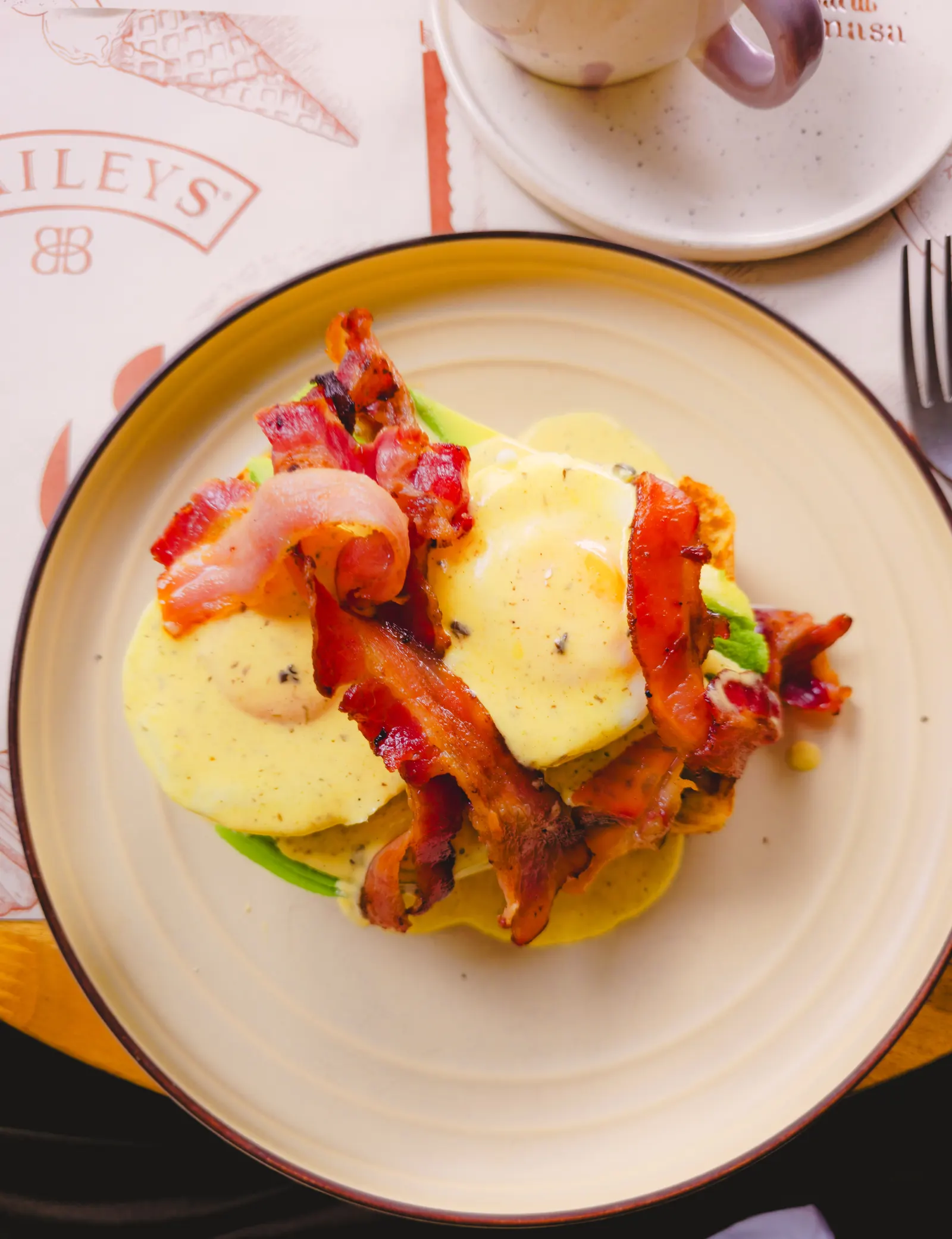
To add breakfast or brunch to your restaurant, cost the extra shift against the covers you can realistically fill, start with weekend brunch rather than every morning, write a short menu the kitchen can run from overnight prep, and tell your regulars and followers clearly when you now open. Brunch can turn hours when your room sits empty into a second service. It pays only if the menu is tight and enough people know you are open.

Does a weekend brunch pay for the extra shift?
Start with the sum, not the menu. Write down what a brunch service costs you: the kitchen and floor team for the extra hours, the heat and light, the coffee machine if you do not have one, and the food. Then work out how many covers at what average spend cover that cost, and be honest about whether your street brings people out on a Saturday morning.
Brunch tends to work where people already walk past in the morning: near shops, a park, a market, a sports ground or homes with young families. It is harder on a street that only comes alive at night.
Two things improve the sum. Brunch dishes are often cheaper to make than dinner plates, and the spend per head rises with good coffee, fresh juice and a sweet plate to share. A brunch service also introduces your room to people who have never come for dinner. A family who loved Sunday brunch is a family who books for a birthday, so count the bookings that follow as well as the brunch takings. The food cost guide and the menu price calculator help you price each dish to a margin before you open.
Should you start with weekends or every morning?
Start with weekend brunch. Saturday and Sunday mornings are when people have time to sit, so the covers are higher and the risk is lower. Run it for six weekends before you judge it; the first two are rarely full.
A weekday breakfast is a different trade. It is quicker, cheaper per head and built on people on their way to work, so it needs takeaway coffee, a short grab-and-go range and a fast till. Add it only once the weekend works, and only if your street has the morning footfall.
Pick your hours with the same care. A brunch that runs from ten until two catches the late risers and the families without asking your team to start at dawn after a Saturday close. Open later and finish earlier at first; you can stretch the hours once you know when people arrive.
What brunch menu keeps the kitchen sane?
Keep it short: eight dishes or fewer, built from a few bases that do double duty.
- Eggs, three ways at most. Poached, scrambled and one signature dish.
- One full breakfast, plated the same way every time.
- One sweet plate: pancakes, French toast or a waffle, from one batter.
- One lighter plate: granola and yoghurt, or a seasonal fruit plate.
- One plate for the late riser: a sandwich, a hash or a brunch special.
- Coffee, tea and juice done properly, because that is what people remember.
Prep the night before: hollandaise base, batters, granola, cut fruit, portioned meats. A brunch kitchen runs on the line between eggs and plates, so give the eggs one person and keep the station clear. Use what your dinner menu already buys, too: the bread from your baker, the herbs and the sauces, so brunch adds few new lines to your orders and less waste to your bins. The menu writing guide shows how to describe dishes so the ones you want to sell stand out.
How do you staff a brunch shift without burning out the team?
Brunch lands the morning after your busiest night. If the same people close on Saturday night and open on Sunday morning, they will not stay long. Plan brunch as its own shift, with its own team where you can, and share the early starts fairly. The fair rota guide shows how to spread the hard shifts.
The floor needs more hands than you expect, because every table orders coffee first and a second round later. A barista or a strong coffee-maker on the floor keeps the tables turning.
What coffee set-up does a brunch service need?
At brunch, coffee is the first thing every table orders and often the thing they remember. A restaurant that makes a decent espresso after dinner can still be caught out by forty cappuccinos in an hour.
- Check your machine can keep up. Ask your coffee supplier whether it can serve a full room at once. A machine that struggles after dinner will not cope at brunch.
- Train someone properly. One person who can dial in the coffee each morning and steam milk well is worth more than a better machine.
- Choose your milks and keep the list short.
- Have tea and a good hot chocolate for the people who do not drink coffee.
- Batch the juice before service rather than squeezing to order at the rush.
Coffee and juice also carry the margin at brunch, so price them properly and offer the second round. The barista hiring guide covers finding someone who can run the machine.
How do you tell people you now open in the morning?
The biggest risk with brunch is that nobody knows. Your regulars think of you as a dinner spot, and a new service has to be told more than once.
- Tell the people in the room. A card on every dinner table for a month, and a line from the floor team.
- Update your hours and menu everywhere people look, on the same day.
- Tell your followers. On Mosey, Boost sends a message about your new brunch menu to your followers and paying members who agreed to hear from you, and to guests nearby who agreed to nearby offers. You see the price for each send before you pay, and the results show the orders, payments and bookings that followed. The Boost guide covers how it works.
- Give the first weeks a reason. A free pastry with coffee on your opening weekend gets people through the door.
How do Deal Hours and collection help a new morning service?
A new service has quiet hours while people get used to it. On Mosey, Deal Hours lets you set a price rule for a window, such as early on a Saturday or a weekday breakfast, and the discount applies by itself at checkout while the window is open, with nothing for staff to remember. You choose the dishes, the days and the times, and whether it applies to collection, delivery, in store or a mix. Deal Hours has no charge of its own, so the usual commission on the order applies. The Deal Hours guide explains how to set one.
Morning coffee and pastries also sell well for collection. With Order Ahead, customers order and pay in the app and collect without queueing, at 1.5% commission on the order. Order Ahead shows what a customer sees.
How do you know if brunch is working?
After six weekends, look at three things: the covers each morning, the average spend, and what the shift cost. Ask the floor team too: they know which dishes come back half eaten and which tables asked for something that was not on the menu. If the covers are growing and the shift is covered, keep going and refine the menu. If the room is still half empty after six weeks of telling people, the street may not have the morning trade, and that is worth knowing before you add more days. The slow days guide has other ways to fill quiet hours.
Where should you start?
Cost one weekend brunch shift, write a menu of eight dishes or fewer, pick an opening weekend and tell everyone a month ahead. Run a soft opening for friends and regulars the weekend before, so the kitchen finds its rhythm before the room is full. Host on Mosey free, update your menu and hours, and let your followers know you now open in the morning.
More in the guides for food businesses.
This guide is general information, not legal, tax or financial advice. Rules change and depend on your business and where it is, so check the current rule with the official body named in the guide and take advice from a solicitor or accountant in your area before you act.
Questions
Common questions
Is it worth adding brunch to a restaurant?
It is worth it when your street has morning footfall and the extra shift is covered by the covers you can fill. Cost the shift first, start with weekends and give it six weekends before you judge it.
How many dishes should a brunch menu have?
Eight or fewer, built from a few shared bases: eggs, one full breakfast, one sweet plate from one batter, a lighter plate and a late-morning plate. A short menu keeps the kitchen fast.
How do I tell customers we now serve brunch?
Tell the people already in your room, update your hours and menu everywhere on the same day, and send a Boost on Mosey to followers and members who agreed to hear from you.
Can I discount early brunch on quiet mornings?
Yes. Mosey Deal Hours lets you set a discount for a window, such as early Saturday, on chosen dishes and channels. It applies by itself at checkout and has no charge of its own.
Should I do weekday breakfast as well as weekend brunch?
Only once weekend brunch works and your street has weekday morning footfall. Weekday breakfast is a faster, takeaway-led trade that needs good coffee, a short range and quick service.
More like this
Read next
A hotel restaurant that locals use too
A hotel dining room earns local trade when it acts like a restaurant of its own. Here is why locals stay away, how to set the dining room up on Mosey beside your hotel, and which offers fill it.
An alcohol-free drinks menu that still makes margin
More guests are drinking less, in January and the rest of the year. Here is how to cost, price, name and sell an alcohol-free menu so it earns as well as the wine list, with the Irish VAT and offer rules checked.
A pub that does food: making the kitchen pay
A pub kitchen pays when its gross profit covers its own wages and running costs. Here is how to count it, which services to fill, what the alcohol rules say and how Mosey fits.
Auto-enrolment pension for Irish restaurants and cafés: what you pay and do
Since 1 January 2026 an Irish employer matches the pension contribution of each eligible employee. Here is who counts, what it costs on a wage bill, the payroll steps and what staff can opt out of.
Get started
Host your business on Mosey. It is free to claim.
Free to list, no set-up fee, and Order Ahead is 1.5% commission when you start taking orders.