
For businesses
Boost: put your venue in front of people nearby
Mosey · 22 September 2026 · 5 min read
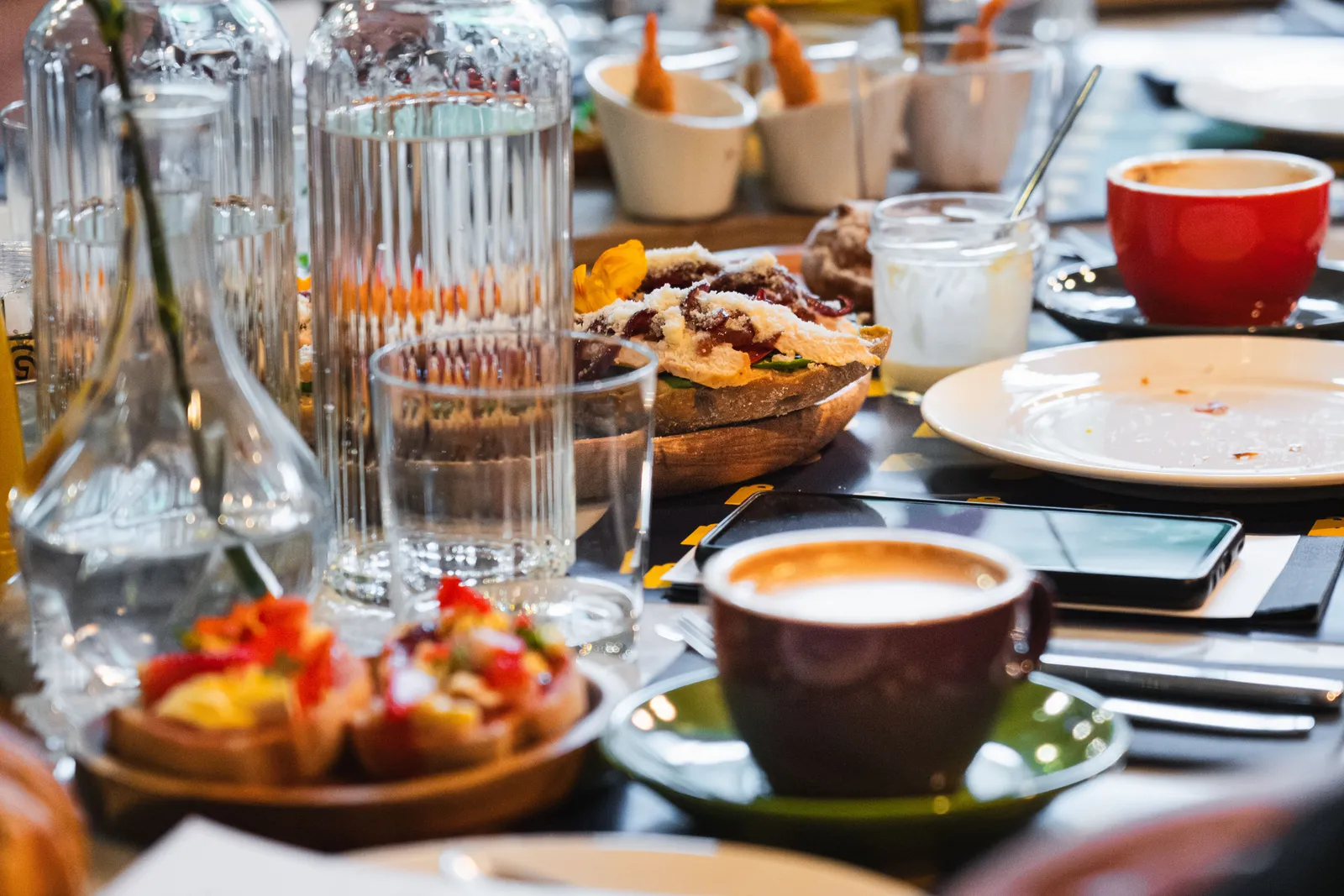
You have a menu, a listing, some good photographs and several thousand people within a few kilometres who have never heard of you. Boost is the paid route between those two facts.
Which venues should use Boost?
New venues with nothing behind them yet. Established venues with a quiet night, a new chef or a new menu. Anybody running an event or a promotion that needs more people to know it exists than currently do.
It is not a substitute for being good, and it is not a substitute for a complete listing. A boost pointed at a venue page with one photograph and no menu spends money to show somebody a reason not to come.
What you can boost
The choice matters more than the budget does.
- Your venue: the broad option, best when you are new or have genuinely changed
- A single dish: usually the strongest, because a photograph of one specific thing is what actually makes somebody hungry
- Your menu: when the range is the selling point
- An event: the clearest case, because there is a date and a reason to act
- A promotion: the offer and its distribution, together
- A food trail: when you are part of one
If you are unsure, boost a dish. "Somewhere nearby does a good lunch" is a weaker thought than a picture of the thing.
Where does a Boost appear?
Inside Mosey, to people near you, while they are already looking for somewhere to eat.
That last clause is the whole argument for it over social media. Paying for reach on Instagram means interrupting somebody who is watching videos and hoping they are hungry, in a town you serve, this week. Paying for reach here means appearing in front of somebody who has opened an app for the express purpose of deciding where to eat.
The audiences are different sizes and they are not comparable per impression. One of them is a guess about intent; the other is intent.
You see the estimate before you pay
Open the Boost screen and the estimated reach is shown before any payment.
This is deliberate, and it is the opposite of how most ad products work. The useful moment to discover that your budget buys less reach than you hoped, or that the thing you picked has a smaller audience than a different thing, is while you can still change your mind, not in a report a week later.
If the number looks wrong, change the budget, change what you are boosting, or do not buy it.
Boosting your own members
If you run memberships, you can aim a boost at your own members.
It sounds redundant and is not. Members are the people most likely to act, and the cheapest audience you will ever reach, and the ones most likely to bring somebody else. A members-only night that sells out is usually a members-only night somebody actually told the members about.
Finish the free half first
Boost is the fastest way to waste money on Mosey if the listing behind it is not ready.
Everything a boost does is send somebody to a page. If that page has one photograph, no menu, no opening hours and four ratings, the boost has paid to show a stranger a reason to go elsewhere, and the money is spent either way. The venues that get the most out of paid reach are the ones that did not need it most.
Before spending anything, the checklist is short: a menu that is actually on the page, several photographs of food rather than of the room, correct opening hours, and enough ratings that somebody believes other people have been. All of that is free.
How long should you run a Boost?
Long enough to cover the decision, and no longer.
For an event, that means the fortnight before it, weighted towards the last few days, because most people book late. For a dish or a venue, a week is usually enough to tell you something; a campaign running quietly for a month is a campaign nobody is reading the results of.
The useful discipline is to decide, before you start, what would make you call it a success. Busier Saturday. Twenty more covers. Ten ratings. Without that, the report afterwards is a set of numbers with nothing to compare them to.
How much does a Boost cost?
You set the budget. There is no rate, no minimum spend and no contract.
Is Boost worth it for a new café?
A new café in a town of 15,000 has been open three weeks and has forty ratings.
It boosts one dish (a photograph of its cardamom bun) with a modest budget, for the week before a bank holiday. The estimate is shown up front, so the owner knows roughly how many people nearby will see it before spending anything.
What matters afterwards is not the impressions. It is whether Saturday was busier than the Saturday before, and whether any of those people came back the following week without being paid for. Boost reports the first part; your loyalty programme tells you the second.
Features that work with Boost
Boost is distribution. It works when there is something worth distributing:
- Get discovered on Mosey: the free half, and the thing to finish first
- Run restaurant promotions: the offer a boost carries
- Sell event tickets: the clearest thing to boost, because it has a date
- Menus and AI menu scanning: the menu a boost sends people to
- What Mosey costs: every rate on one page
Questions
Common questions
What does Boost cost?
You set the budget. There is no rate and no minimum contract: you choose what to spend, see what it is estimated to reach before you pay, and stop when you want.
What can I boost?
Your venue, an individual dish, your menu, an event, a promotion or a food trail. Boosting one dish is often better than boosting the venue, because a photograph of a specific thing is what makes somebody hungry.
Who sees it?
People near you, inside Mosey, while they are already looking for somewhere to eat. That is the difference from social media: the audience is not browsing, it is deciding.
Do I know the reach before I pay?
Yes. The estimate is shown when you open the Boost screen, before any payment, so you can change the budget or the thing you are boosting rather than finding out afterwards.
Can I target my own members?
Yes, if you run memberships. A member channel puts the boost in front of people who already pay you, which is usually the cheapest audience you have.
How is this different from a promotion?
A promotion is a thing customers buy. A Boost is how people find out it exists. They are frequently used together: the promotion is the offer, the Boost is the distribution.
Can I see whether it worked?
Yes. Boosts report what they reached and what happened afterwards, so you can tell the difference between a campaign that was seen and one that filled tables.
Is this like paying for Instagram reach?
The mechanism is similar and the audience is not. On social media you pay to interrupt somebody watching videos. Here you pay to appear in front of somebody who has already opened an app to decide where to eat tonight.
More like this
Read next
How to run a supper club or tasting night that sells out
A supper club is a fixed menu, a fixed number of seats and a fixed night, sold as tickets paid in advance. Here is how to cost it, sell it and make it a habit.
How to add catering to your restaurant or café
Office lunches, platters and parties, quoted properly, with a deposit up front, the balance before the day and a prep sheet for the kitchen.
How to make a quiet Monday or Tuesday pay
First decide whether the quiet day should open at all. If it should, shrink it to the hours that trade and give it a reason to come that only exists on that day.
How to get more ratings and reviews for your restaurant, honestly
Ask, at the right moment, every customer, and make it easy. Never offer anything in return. A steady stream of honest ratings is worth more than any burst you could buy.
Get started
Claim your business free
Free to list, no set-up fee, and Order Ahead is 1.5% commission when you start taking orders.