
How to
West Cork for food lovers: markets, harbours and farmhouse cheese
Mosey · 13 November 2026 · 11 min read
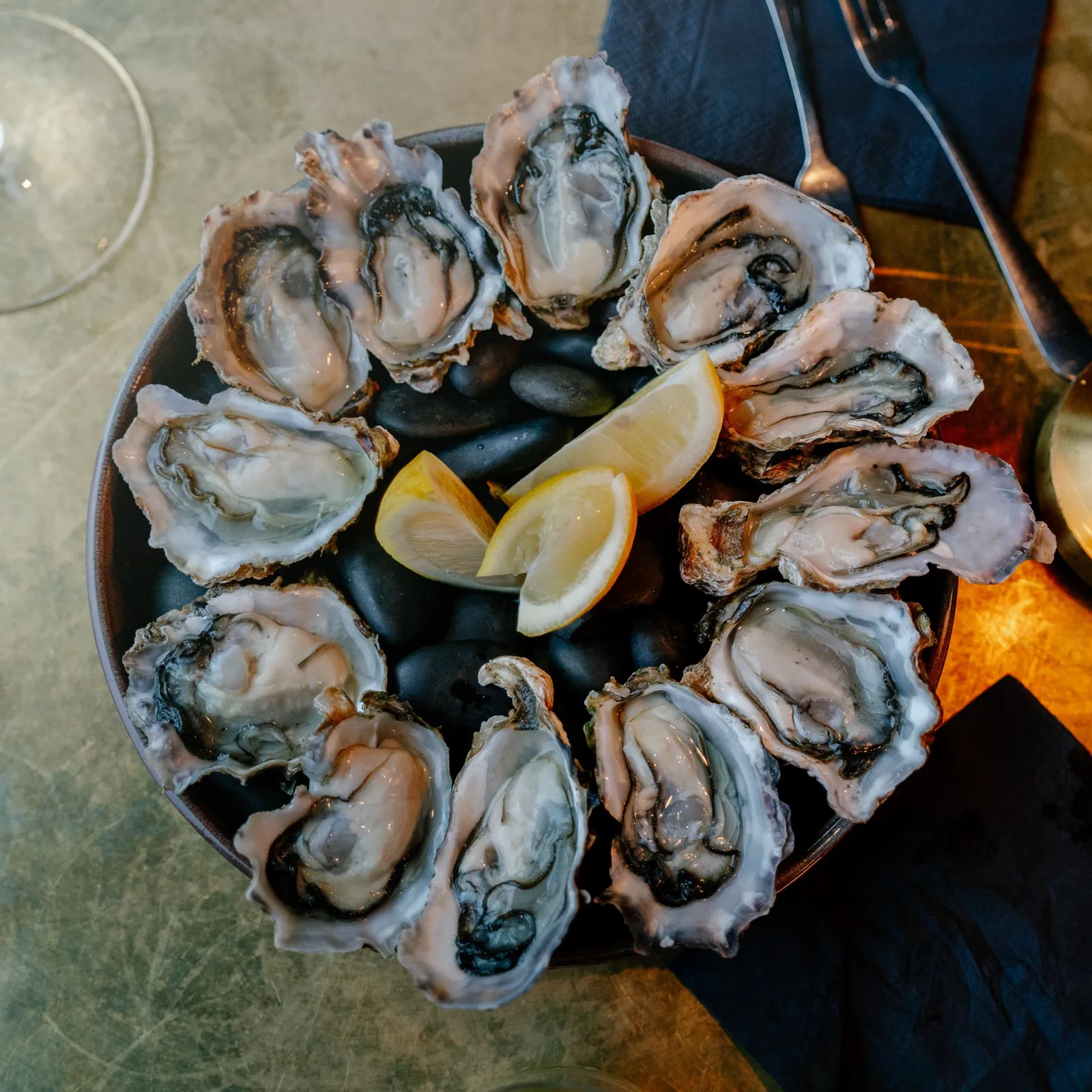
West Cork food is a market-and-harbour trip: farmers' markets in different towns on different mornings of the week, seafood from the bays and harbours, and farmhouse cheese from small makers, along a coast of peninsulas and islands. Build your days around the markets first, add a harbour afternoon, and keep a list of what you ate. This guide shows how.
West Cork is the south-western part of County Cork, and it does not behave like a city. Distances between towns are measured in winding roads, the weather decides which afternoon is for the harbour, and a good meal is as likely to be a bag of something from a market as a table. The plan below works whether you stay in one town or move each night.
Why do people travel to West Cork for food?
People go for the short distance between the food and where it came from. The regional tourism body describes West Cork food as travelling from farm to fork, or tide to table, within hours, and it calls the farmers' markets the bedrock of local community life. Those markets sell seafood straight from the bay, an abundance of farmhouse cheeses, local salamis and freshly baked sourdough, along with street food with an artisan twist.
The setting does a lot of the work. The region has three main peninsulas, Beara, Sheep's Head and Mizen Head, and islands off the coast including Bere Island, Sherkin Island and Cape Clear. Towns such as Skibbereen, Clonakilty, Bantry, Schull and Castletownbere each have their own character, and the small village of Baltimore sits between the mainland and the islands. Eating here means moving between them, with a market in the morning and water in the afternoon.
If you are choosing between this and a wider coast trip, our Wild Atlantic Way food guide covers the whole route, and this page goes deep on one stretch of it.
How many days do you need for West Cork food?
Three days is enough to taste the region's main strands without rushing, and four lets you add an island. One day is possible from Cork city, and our guide to food day trips from Cork is the place to start if you are short of time. Beyond four days, the limit is how many markets fit your calendar, because each town's market has its own day.
A simple three-day shape:
| Day | Morning | Afternoon | Evening |
|---|---|---|---|
| 1 | A market in one of the bigger towns | Cheese and bread picnic at a beach or viewpoint | A table in the town you sleep in |
| 2 | A second market in a different town | A harbour afternoon: boats, fish, a walk on the quay | Something light, then rest |
| 3 | A peninsula drive with a coffee stop | A last market or a ferry to an island | A final dinner, booked ahead |
Treat it as a frame, not a timetable, and keep a wet-weather swap for each day: a market works in a waterproof, and a harbour afternoon can become a drive and an early dinner. With only a weekend, keep days 1 and 2.
How do you plan a West Cork trip around the markets?
Start with the day of the week, because the markets rotate. West Cork has weekly markets in several towns, on different days: some run through the year and some only in the warmer months. We do not list the days here, because they can change. Check each market's own listing, or ask at a local tourist office, before you build the trip around it.
A short checklist for planning around the markets:
- Find two or three on consecutive mornings. Look up the markets in the towns you are considering, then choose a base that puts two or three of them on mornings in a row.
- Mix a big town and a small one. A market in one of the larger towns tends to have more stalls, while a village market is quicker and can leave more time to talk to the person who made the cheese.
- Check whether a market is seasonal. A market that runs only in the warmer months may not be there on an autumn or winter trip.
- Check indoor or outdoor. An outdoor market on a square is lovely in sun and harder work in rain, so keep the wet-weather swap in mind.
- Plan the route between them. If the markets fall at opposite ends of the region, move base for a night rather than drive back and forth.
Markets are generally a morning affair, so go early for the widest choice of bread and fish, and bring a bag and a cool bag for cheese and seafood. Bantry's weekly market is held in the town square, so it pairs easily with a walk around the town.
What should you try at a West Cork market?
Eat something hot first, then buy something to take with you. The regional tourism body and a recent food column list these among the things sold at the markets:
- Seafood from the bay. Fish sold fresh, straight from the bay.
- Farmhouse cheese. Local cheeses in several styles.
- Bread. Sourdough is a regular sight.
- Cured meats and salami. Local salami appears beside the cheese.
- Pickles, olives, eggs and honey. Good for a picnic and easy to carry.
- Hot food. Street food with an artisan twist, so you can eat breakfast or lunch on the spot.
Our market-first plan for Cork shows the same idea in the city.
If you have a food allergy, ask what is in a dish and how it was made. Mosey's allergen check guide explains what a declaration does and does not tell you.
What should you know about farmhouse cheese before you taste it?
Farmhouse cheese is cheese made on or close to the farm that supplies the milk, in small batches by one maker or family. West Cork is closely linked with the farmhouse cheese revival in Ireland, a movement whose makers learned from one another, and the region's markets are where many people first taste it. You do not need to know cheese to enjoy it.
Four things help at a market stall:
- Ask for a taste. A small piece shows you the difference between a soft, strong-smelling cheese and a firmer one. Irish farmhouse cheeses are described in styles from Cheddar-like to Gouda-like, and some West Cork cheeses are of the Swiss style.
- Ask about the milk. Cheeses may be made from raw or pasteurised milk, and some Irish farmhouse cheeses are raw-milk. If you are pregnant or have a health condition, ask whether a cheese is made with raw milk and follow your doctor's advice.
- Buy a small piece of two or three. A wedge each of a soft, a firm and a blue or smoked cheese makes a better picnic than a block of one.
- Keep it cool. A cool bag in the car matters more than it sounds on a warm day.
Some makers welcome visitors and others do not, so check a maker's own information before you plan a stop.
If you avoid dairy, shellfish or another allergen, the Mosey app can help you choose. The "Hide dishes that list" filter hides dishes that declare the allergens you pick. A dish with nothing listed means the allergens are not listed, which is not the same as safe, so ask the place.
What seafood should you look for in West Cork?
Look for what the boats and the bay farms bring in, and keep the cooking plain. Castletownbere, on the Beara Peninsula beside Berehaven Harbour, is described as a regionally important fishing port, and Bantry Bay, a drowned river valley with Beara on one side and Sheep's Head on the other, has mussels farmed in its sheltered waters. Baltimore was once a centre of commercial fishing, and fishing remains an activity visitors come for.
For a plate, think in two groups:
- Shellfish and mussels. Mussels from the bay are a good starter, and a bowl of them with bread needs nothing else.
- Fish. Whatever was landed that morning, grilled or pan-fried, with a plain side.
The regional tourism pages also mention foraging on the coast and taste-the-town food tours, so ask at a local tourist office about a guided walk. Our guide to Irish seafood chowder explains what makes a good bowl.
How do you plan a harbour-to-harbour day?
Pick one stretch of coast and move along it, stopping at harbours rather than trying to cover the region. A harbour day suits the afternoon after a market.
One shape that works from a base around Bantry or Schull:
- Morning: a market, then a coffee and something baked.
- Midday: a drive along a peninsula. Beara runs towards Castletownbere, and the Mizen leads towards Schull and its sheltered harbour used for recreational boating.
- Lunch: fish or shellfish at a harbour, outside if the weather allows.
- Afternoon: a walk on the quay and, in summer, a boat trip or a ferry. Baltimore is the main ferry port to Sherkin Island, and ferries also run from Baltimore to Schull and to the more remote Cape Clear Island.
- Evening: a table booked ahead in the town where you sleep.
Ferries change with the season and the weather, so check the operator's timetable the day before and leave slack in the schedule. Baltimore is also a base for exploring the islands, and it fills in summer, so give yourself time to park and queue.
Where a place takes bookings on Mosey, you can book the evening table while you are still on the quay. Our guide to joining a waitlist for a full restaurant helps on a busy night.
When should you go to West Cork for food?
Summer gives you the most: the seasonal markets are running alongside the year-round ones, and the harbours are busy. It also brings the most visitors, so book dinner and any ferry plan early. Autumn is likely to be quieter and still has the year-round markets, though seasonal places may close.
Festivals in the area run through the summer and into the autumn, including food festivals, and music and literary events in towns such as Clonakilty and Bantry. We do not give dates here, because they change. Check the organiser's page for this year's dates and plan your market days around them.
How can you follow West Cork as a food trail with stamps?
A food trail on Mosey is a route across several places to eat. You join in the app, and your trail passport lists every stop. At each stop you collect a stamp, by showing your QR to staff or tapping the Mosey tag where a trail is self-guided, and you need to be at the place to be stamped. When you have them all, you finish and earn a badge and, on some trails, a voucher.
Where a food trail runs in a town you are visiting, it gives a day a shape. Open the trails page in the app to see which trails are near you. Each trail shows its stops, its route, its time to finish, and whether it is free or ticketed, and some towns have a page on the site listing the trails there. Read about how food trails work before you go.
If no trail runs along your West Cork route, build the same shape by hand: choose a market, a harbour and one meal, rate each as you go, and put them in one list. Our guide to doing a food trail in Cork shows the city version. A completed Mosey food trail counts towards your food passport; a list you build yourself does not, but each place you rate on it does.
How do you keep the trip in a list and rate by the dish?
Rate the dish, not the day. After a meal, open the Mosey app and rate what you ate, then add tags such as Family Friendly, Outdoor seating, Dog-Friendly or Late Night, so that you and anyone you share with can see why you liked it. If you ate with friends, you can tag them and they can add their own rating. Our guide to how to write a rating that helps the next diner has a short checklist.
Then turn the trip into a list. Lists can be private, shared or public, and an invite link lets friends add to a list, even before they have joined. When three or more of your rated places share a tag, Mosey suggests a list with "Turn these into a list". For a group trip, make one shared list with the people you are travelling with: the cheese you all argued about, the harbour you liked, the lunch to repeat. Our guide to making and sharing a list of places walks through the steps. A rating with a note on the one hot thing you ate will help you remember it.
If you follow friends on Mosey, their picks show on the map as Friends' picks and on Home in "This week with friends", which is a quick way to see where people you trust have eaten.
When you are home, the traveller side of Mosey keeps the trip. Mosey Travel has hubs for towns and cities, and your food passport records where you have rated, by country, town and neighbourhood. You can also answer the open Top 3 travel question about the towns you have been to for food, naming up to three, ranked, and open answers add up to public travel lists. See Mosey Travel and Ireland's food towns for how towns are chosen, and the ranked lists for what people rate highly, where top spots are earned from ratings alone and nobody pays to rank. More in the food guides.
Questions
Common questions
What is West Cork known for food-wise?
West Cork is known for farmers' markets, seafood from its bays and harbours, and farmhouse cheese from small makers. The regional tourism body describes the markets as the bedrock of community life. On Mosey you can rate the dishes you eat there and keep them together in one list for the trip.
How many days do you need to eat your way around West Cork?
Three days covers the main strands: two or three markets, a harbour afternoon and a peninsula drive. Four days lets you add a ferry to an island. For one day, start from Cork city and pick a single market town. On Mosey you can keep each day's meals in a list so the days stay distinct.
Which day of the week are West Cork markets on?
West Cork has weekly markets in several towns, each on its own day, and some run only in the warmer months. Days and seasons change, so check each market's own listing or ask at a tourist office before you travel, then choose a base that puts two or three markets on mornings in a row.
What farmhouse cheese should you try in West Cork?
Try a few styles rather than a single cheese: a soft one, a firm one and a smoked or blue one, and ask for a taste of each. Ask whether it is made with raw or pasteurised milk. On Mosey, the Hide dishes that list filter helps if you avoid dairy, but ask the place too.
Can you do a food trail in West Cork?
You can follow a Mosey food trail where one runs in a town you visit: join in the app, collect a stamp at each stop and finish for a badge. If none runs on your route, build your own with a market, a harbour and one meal, rated by the dish and kept in a Mosey list.
Which West Cork harbours are good for seafood?
Harbour towns such as Castletownbere, Bantry, Schull and Baltimore all have a working or leisure harbour, and mussels are farmed in Bantry Bay. Pick one stretch of coast rather than all of them. On Mosey you can read a town's ratings and tags before you choose where to sit down.
When is the right time of year to visit West Cork for food?
Summer has the seasonal markets running as well as the year-round ones, and the busiest ferries and harbours, so book early. Autumn is quieter, and some seasonal places close. Festival dates change each year, so check the organiser's page. On Mosey you can keep a list of what to try so the trip fits whichever season you pick.
How do you keep track of what you ate on a West Cork trip?
Rate each dish in the Mosey app as you go, add tags, and put the trip in one list, shared by invite link if you travel with friends. When three or more of your rated places share a tag, Mosey suggests a list. Completed food trails also count towards your food passport.
More like this
Read next
Communion and confirmation lunch: how to book a table for the family
How to book a communion or confirmation lunch for a big family: when to ask, ordinary booking or group request, deposits, set menus, allergies and a table that suits every age.
Top 3 on Mosey: how to name your favourite places in Ireland
Top 3 on Mosey asks one question at a time, such as coffee or a pub, and you name up to three places in your town, ranked. Your picks become a private list.
Eat your way round all 32 counties of Ireland: a food bucket list
Rate a place to eat in each of the 32 counties of Ireland and the Mosey counties badge keeps count. Here is what counts, how the levels work and how to plan it.
Home for Christmas: where to eat when family flies in
Family landing in Ireland for Christmas means a week of meals to organise. Which to book first, how to catch a cancelled table and how to split a group deposit.
