
City guide
Wild Atlantic Way Food Guide: Plan Your Eating Coast to Coast
Mosey · 13 November 2026 · 10 min read
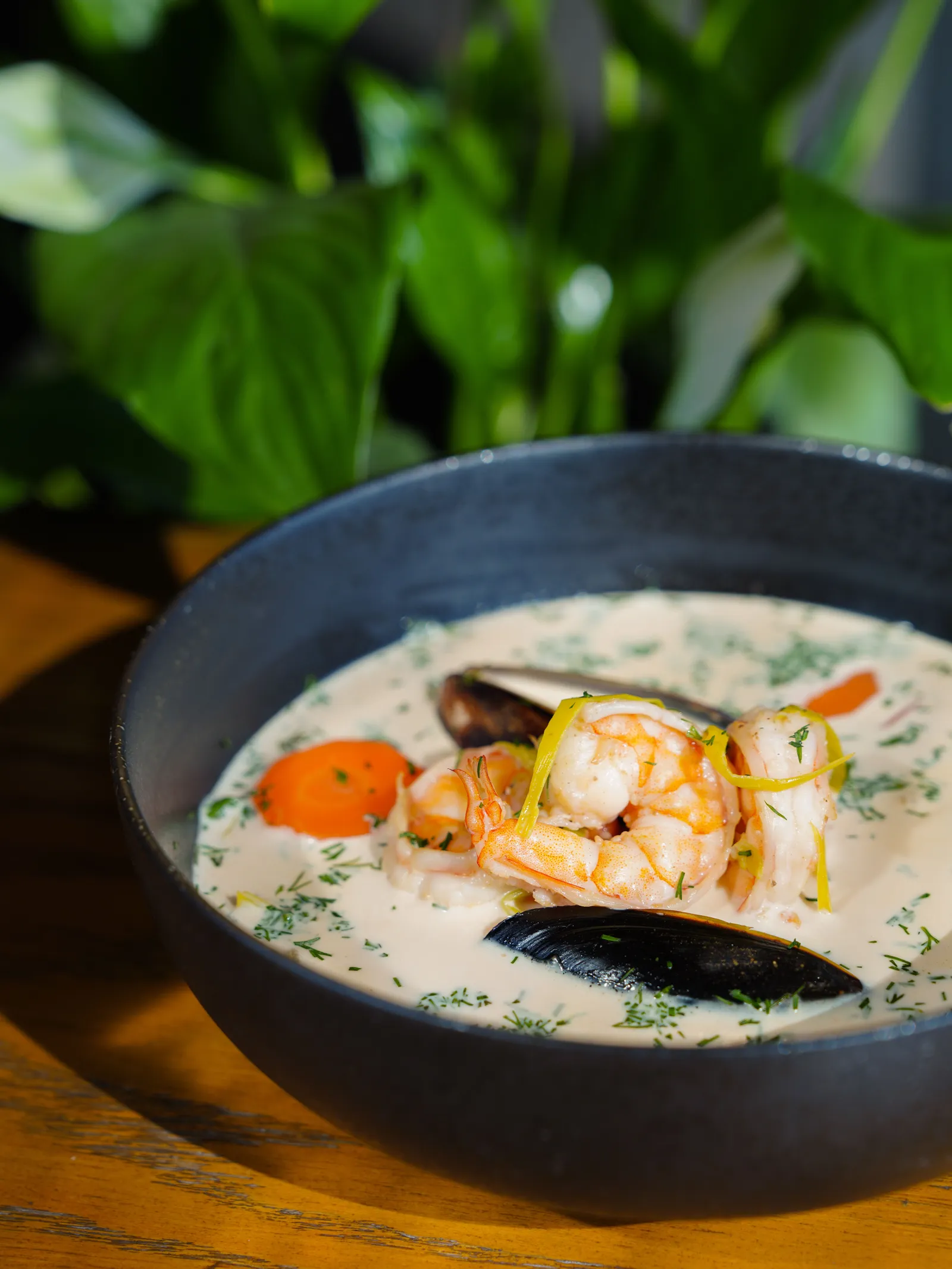
Wild Atlantic Way food is above all seafood and the produce beside it: oysters, mussels, smoked fish and whatever the boats land, with smokehouses, farm visits and weekly markets along the way. The route runs from Donegal in the north to Kinsale in Cork, so the sound plan is to eat one stretch well, not race the coast. This guide shows how to choose it and what to order.
What is the Wild Atlantic Way, and why plan it around food?
The Wild Atlantic Way is a tourism route along the west coast of Ireland and parts of the north and south coasts. It is a touring route you drive, cycle or break into pieces, not a single road, and it runs from the Inishowen Peninsula in County Donegal to Kinsale in County Cork. All nine of its counties are in the Republic of Ireland, so this guide stops at the border with Northern Ireland, whose food is covered in Mosey's UK guides.
Food is a good reason to plan, because the coast is where the ingredients come from. Discover Ireland describes the route as one where you can shuck oysters fresh from the sea, and Ireland.com lists food experiences along it from smokehouses to farm visits. The catch is that the places you pass change from one village to the next, and many are small. A plan keeps you from arriving hungry in a village with one kitchen that closed at three.
How long do you need to eat your way along the Wild Atlantic Way?
Less time than the whole coast would take, and more than a weekend, if you want to enjoy it. The honest answer is that the route is too long to do in one go without eating whatever you pass. People who plan it well treat it as several trips.
Here is a way to match your time to a stretch. The groupings follow the way the route is usually split, from north to south:
| Time you have | What suits | How to use it |
|---|---|---|
| A long weekend | One county or one peninsula | Base yourself in one town and make day loops |
| A week | One stretch, such as the north west, the west, the mid west or the south west | Move base once, and book the two meals you most want |
| Two weeks or more | Two stretches, with a rest day between | Plan the drive days around lunch, not around sights |
Whatever you choose, leave room. Some of the most memorable meals on this coast are the ones you did not plan: a seafood chowder in a harbour village, a stall at a weekend market, a pot of mussels at a shoreline. A plan with every meal fixed leaves no space for them. A good rule is to book dinner on the nights you stay and leave lunch loose.
Which stretch of the Wild Atlantic Way suits a first food trip?
Choose by what you like to eat and how you like to travel.
- The south west (Kerry and Cork) suits a first trip. The harbours are working ones, and fish, markets and farm produce sit close together. Dingle is a natural base for seafood, and you can read more in eating your way around Dingle. Cork city adds markets and a wider choice, and what to eat in Cork shows how to plan a market morning.
- The west (Mayo and Galway) suits a trip with variety. Galway has a lively weekend food market, and Connemara and the Mayo coast open out beyond it. Planning a food weekend in Galway is the place to start.
- The mid west (Clare and Limerick) suits a trip built around landscape and local producers. The Burren is a UNESCO Global Geopark known as "the fertile rock", and Ireland.com lists farm visits, wild food walks, smokehouse tours and weekly markets there.
- The north west (Donegal, Leitrim and Sligo) suits a longer, quieter trip. Sligo Bay grows oysters, and Donegal has fish landed at small harbours and fish smoked over local turf.
If you are unsure, pick the stretch where you would be happy to stay put for three nights. Moving less means eating better, because you learn which places the locals use.
What should you eat on each part of the Wild Atlantic Way?
Ask for what is local, and read the menu for it. The notes below are general, so check what is in season before you go, and ask the person serving you where the fish or meat came from. On this coast that question usually gets a proud and specific answer.
Donegal and the north west. Look for fish landed at the local harbours, rope-grown mussels and smoked fish. BIM, the state seafood agency, notes that smokers on the route use local flavours such as Donegal turf. Its Taste the Atlantic seafood trail, run with Fáilte Ireland, links seafood producers along the whole route, from the Inishowen Peninsula southwards, and many of them welcome visitors, so it is a good thread to follow. In Sligo, oysters from Sligo Bay are the thing to try.
Mayo and Galway. The Mayo coast and Connemara are shellfish country, and Ireland.com names oyster growers and smokehouses in Connemara among the seafood trail's visitor experiences. Galway's weekend food market makes it a good place to buy a picnic. The Great Western Greenway, a walking and cycling route on an old railway between Westport and Achill, has food stops along it, from seafood trucks to country house dining rooms. Inland, ask whether the lamb on the menu is local.
Clare and Limerick. The Burren is the food heart of this stretch: farm visits, wild food walks, smokehouse tours, oyster shucking workshops and weekly markets, in Ireland.com's description. BIM also names Burren oak as a local smoking flavour. Ireland.com mentions the Burren Slow Food Festival in May and the Burren Winterage Festival in October, so a spring or autumn trip can line up with a food event. Check the organiser's page for this year's dates.
Kerry. Dingle is a major fishing port, so whatever the boats landed that morning is the sensible order. Ask what came in, and how the kitchen likes to cook it. For the towns of the Ring of Kerry and the Dingle Peninsula, with a three-day plan, read our guide to eating your way around Kerry.
Cork. The Wild Atlantic Way ends on the West Cork coast at Kinsale. Fish from the harbours suits the harbour towns, and Cork city's markets, covered above, are the place to see the county's produce in one go.
Mussels, oysters, clams, salmon, trout, mackerel, herring and abalone are the shellfish and fish that BIM names as available along the seafood trail. That gives you a checklist for the whole coast.
How do you find a good place in a town you have never heard of?
Most of this coast is small towns with a handful of kitchens, so a famous name is rarely the point. Use evidence you can check in a minute.
- Look at what people ate, not just a star rating. A rating of a dish, with a photograph, tells you what a kitchen is good at. Mosey asks people to rate by the dish, so you can see which plates people rate again and again.
- Check the town's hub first. On Mosey Travel, a town or city has its own hub showing what has been rated there, so you can compare two harbour towns before you commit to either.
- Use tags that match your day. Tags such as Family Friendly, Dog-Friendly, Outdoor seating, Kid-Friendly or Late Night narrow the choice when you are tired and the car is full.
- Walk to the harbour. Where boats land fish, someone nearby is cooking it. Ask what came in today.
- Ask one local. A person behind a counter will tell you where they eat when the visitors have gone.
A shellfish trip also brings a food-safety question. Mosey's "Hide dishes that list" filter hides dishes by the allergens a dish declares. A dish with nothing listed means the allergens are not listed, not that it is free of them, so always ask the place about shellfish, fish and sulphites before you order.
When should you book, and what suits a drive day?
In summer, small coastal places fill up. Book dinner on the nights you are staying, and plan lunch by where you will be at one o'clock, not by where you hope to be.
Where a place takes bookings on Mosey, you can reserve a table and, for bigger groups, split a deposit between friends. If a place is full, a waitlist and cancellation alerts can tell you when a table opens, which suits a night you cannot move. Order ahead can help on a travel day, so a pickup is ready when you pull in. Not every place on the coast takes bookings, so for a harbour café or a market stall, turn up early.
A few habits make a drive day easier:
- Have lunch before the long, empty stretch, not after it.
- Keep a cooler bag for a picnic from a market.
- Choose a base with a kitchen if you travel with children.
- If you want a roof for the night, Food Stays on Mosey shows hotels with food at the centre of the stay.
- Leave the last day light, so a delayed morning does not cost you a meal you booked.
How do you keep track of where you ate?
A coast trip fills up quickly with names, and a phone full of screenshots is hard to use afterwards. Mosey gives you three ways to keep a record.
A travel list for the trip. Make a list of the places you want to try before you go, then add what you rated as you go. A list can be private, shared with friends or public, and an invite link lets friends add to it even before they join.
Ratings by the dish. Rate what you ate, add tags and tag the friends you ate with so they can add their own rating. Rating a plate while you still remember it is how the next traveller learns what to order.
The food passport. Mosey Travel's food passport shows where you have rated, by country and city, so the trip builds up as a map of where you ate. See the food passport page for how it fills.
The coast also helps your counties count. Mosey's counties badge for Ireland counts rated places by county, with levels at 5, 10, 16 and 32 counties. A Wild Atlantic Way trip crosses several counties, so each stretch moves you up. For the whole picture, read eating your way round all 32 counties.
How do you turn the coast into a food trail?
If you like a route with a goal, a food trail on Mosey is a set of stops with a passport you stamp at each one. Where there is a trail near your base, it can be a good half day, and you will see small towns you would otherwise pass. The food trails page shows how stamps and badges work. A food walk, which puts places in one neighbourhood in walking order, suits a town evening.
For a longer plan across the whole island, a week of eating around Ireland shows a seven-day route, and it pairs well with this guide.
What should you do after the trip?
Share it. Open your list, check what you rated and add a note for the next person: what to order, what to skip, what to book. Mosey Travel's traveller vote asks what you thought of a city or town as a food destination, and Top 3 has travel questions too, including one that asks you to name up to three towns you have been to for food, ranked. Your answers add up to public travel lists of towns and cities, so the next traveller planning this coast can see what people who went thought.
What to pack and what to check before you go
Weather on this coast changes fast, and ferries and some roads can be affected, so check each ferry operator and local pages before you leave. Opening seasons vary, and many small places close in winter or on quiet days, so confirm before you drive a long way for one meal. Bring cash for markets and a cool bag for the car. And leave one meal a day with no plan: on this coast, that is often the one you remember.
For the rest of the country, the guides and the ranked lists pick up where the coast leaves off.
Questions
Common questions
What food is the Wild Atlantic Way known for?
The Wild Atlantic Way is above all a seafood coast: oysters, rope-grown mussels, clams, smoked fish and fish landed at small harbours. Along the route there are also smokehouse tours, farm visits, wild food walks and weekly markets. Rate what you eat by the dish on Mosey so other travellers know what to order.
How many days do you need to eat along the Wild Atlantic Way?
You cannot do the whole coast well in one trip, so choose one stretch: a long weekend for a single county or peninsula, a week for one of the four stretches, longer for two. Fewer moves means better meals, and a Mosey list keeps the trip in one place.
Which part of the Wild Atlantic Way suits a first food trip?
The south west, Kerry and Cork, suits a first trip because working harbours, markets and varied produce sit close together. The west around Galway and Connemara is a good second choice for variety. Compare the town hubs on Mosey Travel before choosing a base.
Do you need to book restaurants on the Wild Atlantic Way?
In summer, book dinner on the nights you stay, because small coastal places fill up. Leave lunch flexible. Where a place takes bookings on Mosey you can reserve, split a group deposit and use waitlist and cancellation alerts. Some harbour cafés and market stalls do not take bookings, so go early.
Is the Wild Atlantic Way good for people with a shellfish allergy?
Take care. The coast is full of shellfish dishes, and a dish with nothing listed on Mosey means its allergens are not listed, not that it is safe. Use the Hide dishes that list filter to remove dishes declaring an allergen, then always ask the place directly before you order.
How do I find a good place to eat in a small town on the Wild Atlantic Way?
Look at what people have actually eaten there. On Mosey, a town hub shows ratings by the dish with photographs, and tags such as Outdoor seating, Dog-Friendly or Late Night narrow the choice. Ask where the boats land fish, and ask one local where they eat.
Does the Wild Atlantic Way go into Northern Ireland?
No. The route runs from the Inishowen Peninsula in County Donegal to Kinsale in County Cork, so it stays in the Republic of Ireland. Northern Ireland sits beyond the northern end, and its food is covered in Mosey's UK guides.
How can I keep track of where I ate on a road trip in Ireland?
Make a list on Mosey before you go and add places as you rate them. Invite friends to add to it, and the food passport shows where you have rated by country and city. The counties badge counts your rated places by county, so a coast trip moves you up.
More like this
Read next
A week of eating around Ireland: a 7-day food itinerary
A day-by-day 7-day food itinerary for Ireland, region by region: what to eat in Dublin, the south east, Cork, Kerry, Clare and Galway, and which meals to book ahead.
Where to eat near Dublin Airport: a plan for landing or flying
How to eat well when you land at or leave from Dublin Airport: eating inside the terminals, the areas worth a short trip out, and how to plan a tired family's first meal.
Late night food in Galway: where to find it
Late night food in Galway clusters in the Latin Quarter and around Eyre Square. What to eat after a gig, and how to check what is open before you walk.
Food day trips from Cork: harbours, markets and towns
Plan a food day trip from Cork: which harbours and market towns suit a train, a bus or a car, what to eat in each, and how to be back in the city for dinner.
