
City guide
Ireland's best food towns, and how to choose where to go
Mosey · 22 September 2026 · 5 min read
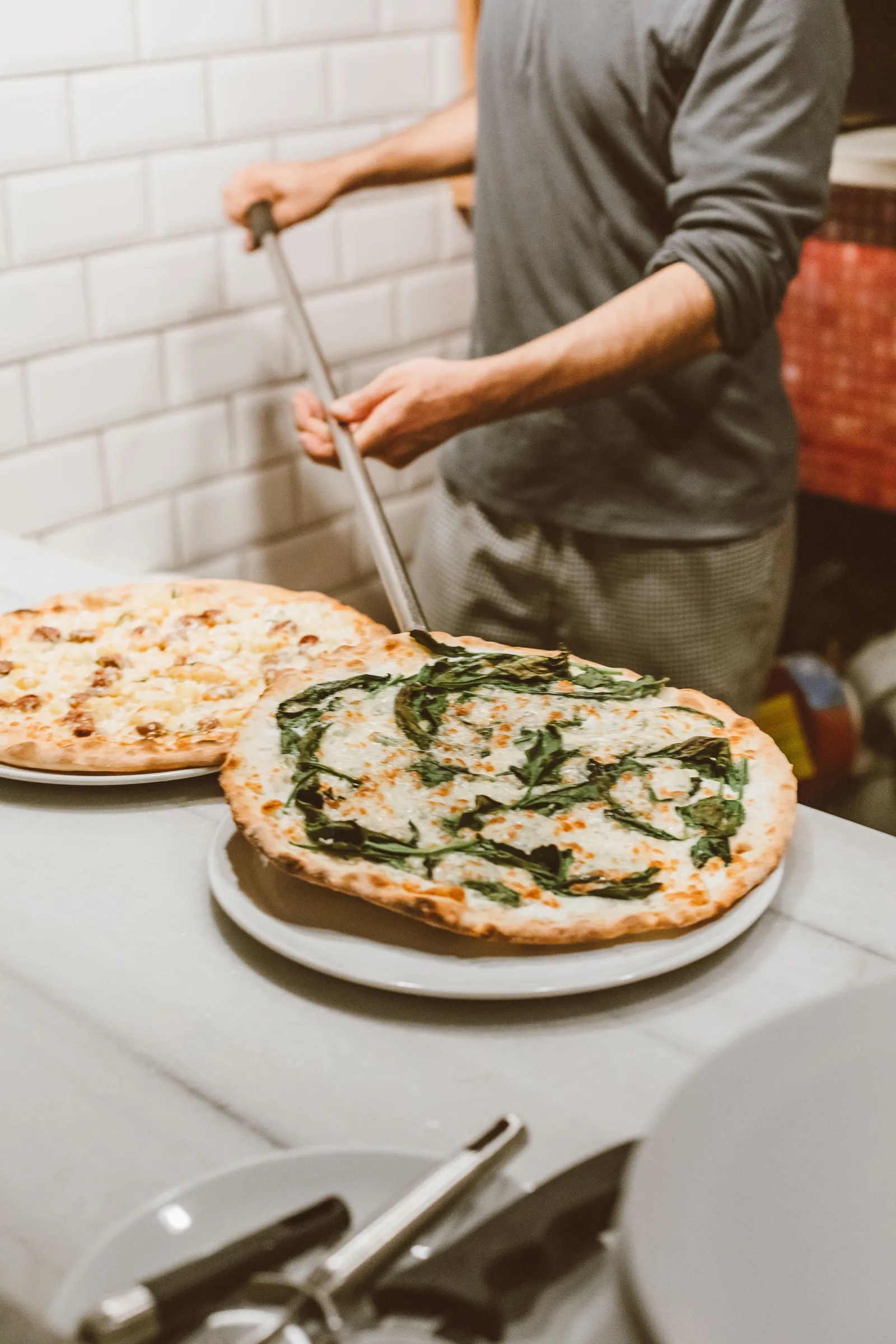
A good Irish food town is one where the food is the reason to go: a harbour or farmland on the doorstep, independent places that cook with it, and enough of them that you can eat well for a whole weekend. Dingle and Kinsale for seafood, Kilkenny for a walkable medieval centre and Carlingford on its lough are well-known examples. To choose between them, look at what people have actually rated in each town, with photographs of the food, rather than at a list of famous names.
On Mosey, every city and town has its own page showing what is rated there, and the national top-rated list ranks places across the country on ratings from people who ate there. Neither can be bought.
What makes a town a food town?
Reputation follows a few things that tend to come together:
- Something produced nearby. A fishing harbour, good farmland, a strong tradition of baking or cheese. The best places cook with what is close.
- Enough independents to compare. One great place makes a destination for a dinner. Five make a town worth a weekend.
- Visitors who come for the food, which keeps good kitchens open through the year rather than only in summer.
- A walkable centre, so that eating three meals in a day is a pleasure rather than a logistics exercise.
A town with all four is easy to eat well in. A town with only the last two can be a trap: busy, pretty, and full of places that live on passing trade.
Some towns worth knowing
These are towns with a widely known food reputation or a strong reason to visit, each with its own page on Mosey:
- Dingle, a harbour town on the Dingle Peninsula in Kerry, known for seafood and its pubs, and very busy in summer.
- Kilkenny, a medieval city compact enough to walk end to end, with places to eat strung along the Medieval Mile.
- Carlingford, a medieval village on Carlingford Lough in County Louth, where the lough is known for its oysters.
- Clifden, the main town of Connemara on the west coast, a natural base for seafood and the Atlantic.
- Cashel, under the Rock of Cashel in Tipperary, an easy stop on a journey between Dublin and the south.
- Sligo, on the north-west coast, with its own ranked lists on Mosey.
- Kinsale, on the coast of County Cork, long known as a seafood town.
This is not a ranking, and it leaves out many towns with excellent food and less publicity. Some of the best eating in Ireland is in towns nobody writes about, which is exactly where a town page is most useful.
How to choose between two towns
If you are weighing up where to spend a weekend, compare them on evidence rather than on reputation:
- Open each town's page and look at what has actually been rated there. A page full of photographs from separate visits is a town where people are eating well and saying so.
- Look at the dishes. Which plates come up again and again? That tells you what a town is actually good at, which is often not what it is famous for.
- Check the ranked lists, which order places by ratings rather than by who paid. Treat them like a local naming three places: a starting point, not an instruction. A place that opened last month with four ratings is not worse than one with four hundred, just newer.
- Look for Gold. It goes to places whose average stays high enough over time, and it cannot be bought. A town with several Gold places has a lot of consistent cooking.
- Think about the season. Coastal and tourist towns change a great deal between summer and winter, in how busy they are and in what is open.
How to plan the meals once you have chosen
The Travel feature is built for exactly this, but the habits matter more than any app:
- Decide the night before, not on the pavement. Everybody eats badly on the first night somewhere new because they choose when tired and hungry.
- Book the dinners first. In a small town the best places have few tables, and they go early on a weekend.
- Join the waitlist if a place is full: cancelled tables go to the list.
- Plan lunch on driving days. Options thin out between towns, and the scenic routes are rarely where the food is.
- Confirm opening hours, especially out of season. Many listings started from public map data, and only a place that has claimed its page keeps its own hours current.
- Search for the dish you came for. When somebody rates a place and names what they ate, that dish gets its own page at that place, with photographs.
Should you stay somewhere chosen for the food?
For a trip built entirely around eating, it can make sense to stay somewhere with a kitchen worth travelling for, or close to one. Mosey's Travel section shows food-led breaks of this kind. You do not book the stay through Mosey: it shows you what is on offer and sends you to the place's own website.
Food trails, where they run
Some towns have food trails: one ticket covering several places, something at each, and a stamp as you go. Where one is running, it is one of the best ways to see a town you do not know, because somebody who knows the area has chosen the route. Some run for an afternoon and others for weeks, and the details are on the trail before you buy.
Keep a list for every trip
Make a list for each town before you go. Put in everything you have been told about, add a note to each place, and use it as a map while you are there. Afterwards it is the best record of the trip, and the best thing to hand to somebody going next.
Try it on Mosey: open the pages for two towns you are deciding between, compare what people have rated, and start a list for the one that wins.
Questions
Common questions
What are the best food towns in Ireland?
Well-known examples include Dingle and Kinsale for seafood, Kilkenny for its walkable medieval centre, and Carlingford on its lough. Many smaller towns have excellent food with far less publicity, so check what people have rated before you decide.
How do I choose which Irish town to visit for food?
Compare what people have actually rated in each, the dishes that come up again and again, and how many places carry Gold. A town page full of food photographs from separate visits is good evidence.
Are the town rankings on Mosey paid for?
No. Places are ranked on ratings from people who ate there, and nothing a place pays for moves it up a list.
Is it better to visit Irish food towns in summer?
Summer has the most open but is the busiest, so book dinners ahead. Out of season is quieter, but check opening hours, because some places in seasonal towns shorten their hours or close for part of the year.
Can I book a food-led hotel break through Mosey?
No. Mosey shows food-led breaks and sends you to the place's own website to book and pay.
What is a food trail?
One ticket covering several places in an area, with something at each and a stamp as you go. Some run for an afternoon and others for weeks.
Does Mosey cover small towns as well as cities?
Yes, every city and town has its own page. Small towns are often where it is most useful, because so little is written about eating in them.
More like this
Read next
A day of eating in Dublin, neighbourhood by neighbourhood
Dublin eats best when you pick a neighbourhood rather than a restaurant. Here is how to plan a day around one or two of them, from first coffee to a late table.
A food-lover's plan for a day in Kilkenny
Kilkenny is small enough to walk, so a day of eating is mostly about pacing. Here is how to plan breakfast, lunch and dinner around a short walk.
A weekend of eating in Waterford
Waterford rewards a little planning. Book one meal that matters, leave the others flexible and use photos and recent ratings to choose.
Eating around Limerick: a practical guide
Limerick is easy to eat in once you know how to choose. Start with the Milk Market, then pick lunch and dinner by what you are doing.
