
How to
Communion and confirmation lunch: how to book a table for the family
Mosey · 13 November 2026 · 11 min read
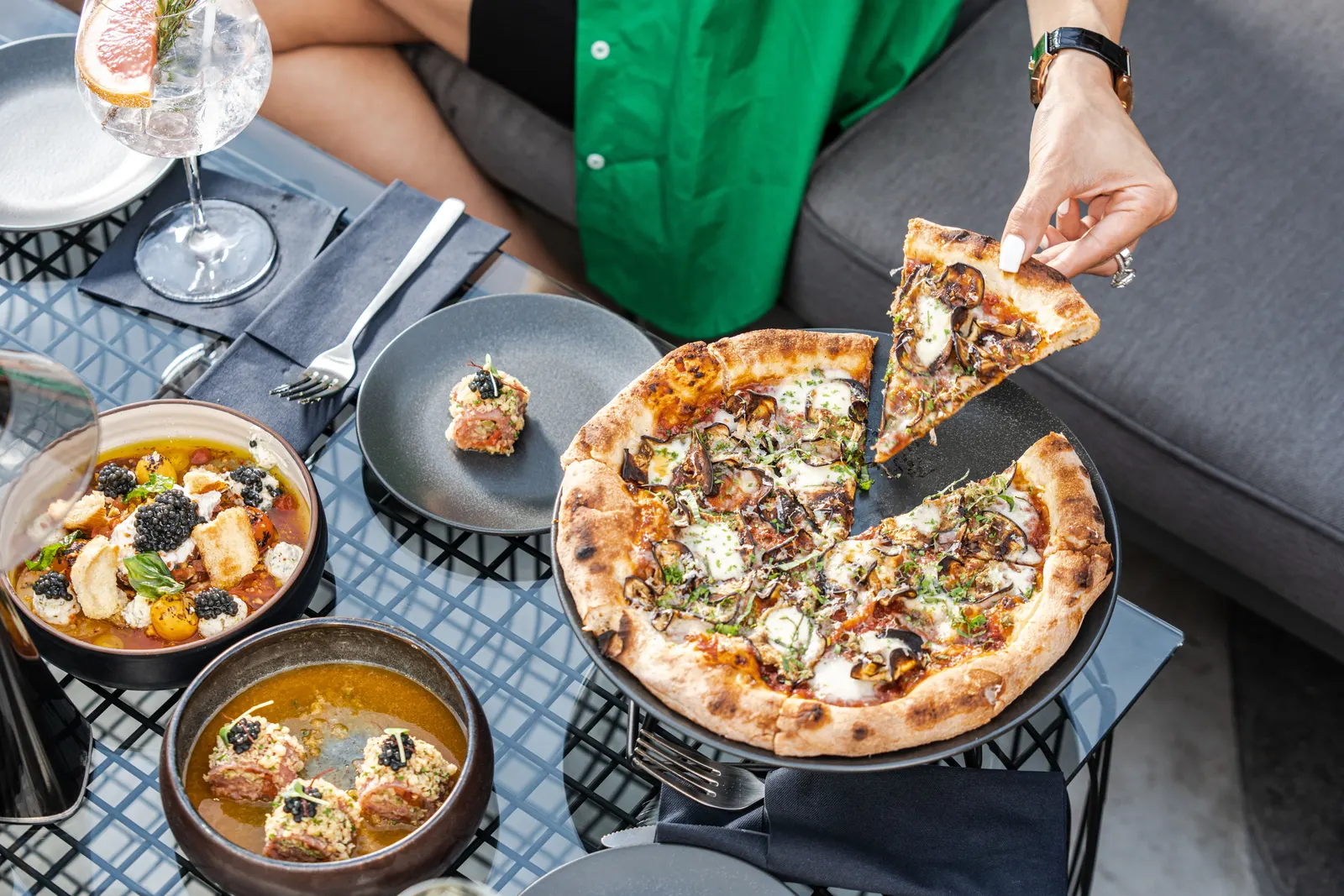
To book a communion or confirmation lunch, ask the place as soon as the parish or school has given you the day. Send a group request with the date, the number of guests, the time of day and what you need, such as a set menu or a quiet corner. Agree the terms and any deposit in writing, then collect everyone's allergies before the day.
A communion or confirmation lunch is a table of people who do not usually sit together: children, grandparents, godparents, cousins and neighbours, all hungry at the same moment. This guide covers when to book, which way to ask, how deposits and set menus work, how to suit the youngest and the oldest at one table, and what the Mosey app lets you do at each step.
When should you book a communion or confirmation lunch?
Book as soon as the day is fixed. The parish or school sets the date, and many celebrations fall in the spring, so places that take family lunches tend to fill with groups at the same time. If you wait until the week before, you may be choosing from whatever is left.
You do not need to wait for the guest list to be final. Tell the place the likely number and the most you could be, for example "probably sixteen, no more than twenty". Places plan around a range far more easily than around a guess you later change. Confirm the final number a few days before.
Check first with the people who matter most to the day: the family, the child, and anyone who needs a short journey or step-free entry. Then ask the parish or school for the time of the ceremony, because it decides whether you want a late lunch, an early dinner or a table straight after.
A quick plan helps:
- Fix the day with the parish or school.
- Choose two or three places that suit a big family.
- Ask each for the date and your likely numbers.
- Pick one, read the terms and pay any deposit.
- Tell the place about allergies and access a week or so ahead.
- Confirm the final number a few days before.
Should you make an ordinary booking or a group request?
An ordinary table booking is a day, a time and a number. It suits a smaller family lunch, and a place sets the largest party it will take on one booking. If your number is over that, the app tells you so.
For a big family, a private corner, a set menu or a room to yourselves, a group request is the better tool. On Mosey, the place's Gatherings tool lets you send a request with your date, the number of guests, a time of day (morning, afternoon, evening or late evening), the kind of occasion, the space you would like, a menu preference and any special requests. Add your contact details so the place can reach you.
The place then confirms, declines or replies with a quote. The app marks a request as a request and not yet a confirmed booking, so you always know where you stand. You can send one pending request to a place for a given day, so decide which place you are asking before you send.
Our guide to planning a group celebration with Gatherings walks through the steps in more detail, and the reservations feature page explains ordinary bookings.
What should you put in the request?
Tell the place what it would otherwise have to ask:
- The date, and a second choice if you have one.
- The likely number and the maximum, with a note of how many are children.
- The time of day and roughly how long you want the table.
- The occasion, so the place knows it is a family lunch with a child at the centre.
- What you need: a set menu, high chairs, buggy space, step-free access, room for a cake.
- Anything about food: allergies, a vegetarian guest, or a child who eats very little.
If a place's settings say it does not take groups above a certain size, the request is turned away straight away, so you do not wait for a reply that was always going to be no. Some places also list the packages they sell, such as a set menu priced per guest or a room hire charge, so you can see what is on offer before you ask.
How do quotes and set menus work?
A quote is the place's reply to your request. It can carry a time, a number of guests, an estimated cost, a menu suggestion and a note. Where the place itemises it, the quote shows how the price is made: a set menu is a price per guest multiplied by the guests that will apply, and a room charge is a flat line. That is why the number of guests you give matters.
You can accept the quote, send a counter (move the time, change the numbers, ask for a different menu) or decline. Only one quote is open at a time, and the back and forth stays on one thread instead of across texts and phone calls.
A set menu is often the easiest way to feed a big family. Everyone is served at about the same time, the kitchen cooks to a plan and the bill is predictable. Ask what is included, whether there is a children's version and what it costs per head for the under-tens. Ask also whether drinks are in the price, whether a service charge is added for large groups and what the latest finish time is. These are the questions that cause disagreement later, so settle them while the offer is still on the table.
When you accept, the booking goes into the place's diary, on the same floor plan as everyone else's tables.
How do deposits work for a family booking?
Many places ask for a deposit on a large booking, because an empty table of twenty is hard on a small place. The place decides whether to ask and how much.
- On an ordinary table booking, the amount is shown before you confirm, with the place's cancellation terms, which you tick before you pay. A copy of the terms arrives by email. Cancel inside the free window and the deposit comes back; outside it, the terms say how much is kept.
- On a group request, the place asks for the deposit once it confirms or you accept its quote, and its refund terms say how much comes back depending on how far ahead you cancel.
- Either way, if the place cancels or declines after you have paid, you get the whole deposit back.
Read the cancellation window and write the date in your diary. The deposit is paid to the place. Some places use it to hold the table and take it off the bill on the day. Others use it towards a set meal. Either way, the terms are shown at payment, so read them.
Can you split the deposit between relatives?
Yes. Families often share the cost, and the booking does not need one person to front it. On a normal booking with a deposit, the organiser can split it equally between themselves and the relatives they invite. Everyone invited has to be on Mosey, and the organiser counts as one share.
The organiser saves a card first, as a safety net, and each person pays their own share in the app. A share still unpaid twelve hours before the booking is charged to the organiser's saved card, so the place is paid and the table is safe. If the booking does not go ahead, everyone who paid a share is refunded in full. A gathering's deposit can be split too, between the guests you name, equally or by amounts that add up to the deposit; there the place's own deadline for paying applies.
Two habits keep a split friendly. Invite only the people who are definitely coming, and say the amount and the cancellation date in the family group chat before anyone pays. Our guide to splitting a group booking deposit covers the details and the etiquette.
How do you suit children and grandparents at one table?
A communion or confirmation table has the widest age range of any meal you will book. Plan for the two ends of it.
For the children, ask for a children's menu or half portions, and for high chairs and space for a buggy if there are babies. Ask when the food arrives: a child who has been dressed up since morning does not wait well. Ask also whether the place has a quieter spot, since a noisy room tires the smallest and the oldest alike.
For grandparents and anyone who finds stairs hard, ask about step-free entry, a table near the door and the way to the toilets. Say if someone needs a chair with arms or a clear route for a stick or wheelchair. A booking lets you say what the room needs, and the place sees it before the day.
For the whole table, seat the youngest children where an adult can reach them and put the older relatives where the room is calmest. A long table makes conversation difficult for people at opposite ends, so ask whether two tables side by side would work better.
Our guide to eating out with children has more on what to look for, and choosing a place that suits everyone in a group helps when the family cannot agree.
How do you find a place that suits a family celebration?
Start with what people have said about places, not only what places say about themselves. When people rate a meal on Mosey they can add tags, and the ones that matter here include Family Friendly, Celebration, Group Dining, Kid-Friendly, High Chairs, Baby Changing, Kids Menu, Set Menu and Wheelchair accessible. A tag means people who rated the place said it, so treat it as a lead and then ask the place directly.
Read the ratings for the dish, not just the stars. Look at the photographs people took of what arrived at the table and the dates of recent ratings. A place that cooks a roast well for one table may not cope with twenty, so look for comments about groups and busy days.
If you have three or four candidates, put them in a private list and share it with the family by invite link, so a cousin can add a suggestion even before they have the app. When you have chosen, the reservations feature page shows how to book, and our guide to a birthday meal for a group has a similar planning list you can borrow.
Can you choose the food before you arrive?
At places that offer it, yes. After you book, Choose your food in advance appears in the app, and you can pick dishes from the place's menu, with its allergen information, and add a note for the kitchen. It is a wish list for the kitchen, not a payment, so you pay on the day. You can change it until the place's cutoff, which is usually two hours before, and after that you tell the staff on the day.
This helps most with a mixed table. A child who will only eat one thing, a grandparent on a plain diet and a cousin who is vegetarian can all be on the kitchen's list before they arrive. Not every place offers it, and a place with a set menu may not need it. Read choosing your food before you arrive to see how it works.
How do you handle allergies and dietary needs for a big group?
If you have a gathering booking, Mosey gives you a link to share by text or in the family group chat. Each guest opens it in a browser, with no app and no account, ticks any allergens that apply (the 14 that food law names come first, with others such as wheat below) and adds a note about diet or access. You and the place see the rolled-up list.
The link works until the end of the day of the event, and you can withdraw it and issue a new one if the group changes. For an ordinary booking, you can add allergies and dietary needs when you book. A dish that lists nothing means the allergens are not listed, not that it is safe, so ask the place. Our guide to checking allergen information before you order explains what to ask.
What about cake, decorations and the day itself?
Some places let you bring a cake and some would rather make their own, so ask early. Ask whether there is a charge for serving it and who will bring candles and knives. Balloons and banners are welcome in some rooms and not in others. Ask about confetti separately, since it is the thing most places dislike.
On the day, arrive a little early, confirm the number at the door and tell the place if the ceremony runs late. If you are held up, tell the place from the app that you are running late or on your way. Agree beforehand how the bill will be settled, whether one person pays or relatives each pay their share, and tell the group so nobody is surprised.
If the plan changes on an ordinary table booking, you can hand it to a friend or relative, who has a day to accept it; a table that came from a group request is changed through the request instead. If you cannot get the table you want, join the queue or set a cancellation alert for the day, time and number you need, and you are told when a match appears.
After the lunch
Once the place marks the gathering complete, you can rate it on its own questions, including how well the day was organised. Those ratings help the next family choose and they never move the place's main star average, which stays about the food.
You can also rate what you ate, tag the relatives who were at the table and keep a list of places that handled a big family well.
For other family occasions, browse the guides, and the ranked lists show where people rate highly.
Questions
Common questions
How far ahead should you book a communion or confirmation lunch?
Book as soon as the parish or school gives you the date. Many celebrations fall in the spring, so places that take family groups fill together. Tell the place your likely number and the most you could be, then confirm the final number a few days before.
Can you book a restaurant for a communion lunch on Mosey?
You can book a table on Mosey at places that take bookings. For a large family, a private space or a set menu, send the place a group request through Gatherings with your date, guest numbers and needs. The place confirms, declines or sends a quote you can accept or counter.
Do you need to pay a deposit for a family lunch booking?
Often, but the place decides. On a table booking the deposit and cancellation terms are shown, and you tick them, before paying; on a group request the place asks once it confirms. Cancel early enough and it comes back. If the place cancels or declines after you have paid, you get the whole deposit back.
Can relatives split the deposit for a family lunch?
Yes. On a booking with a deposit, the organiser can split it equally between themselves and invited relatives who are on Mosey. Each pays a share in the app. A share unpaid twelve hours before is charged to the organiser's saved card, and if the booking does not go ahead, paid shares are refunded in full.
Is a set menu a good idea for a communion lunch?
Often, for a big mixed table. A set menu serves everyone at about the same time, keeps the kitchen to one plan and makes the bill predictable. Ask what is included, whether there is a children's version, whether drinks are in the price and whether a service charge is added.
How do you plan a family lunch for children and grandparents at once?
Ask about a children's menu, high chairs and buggy space, and about step-free entry, a table near the door and a calm part of the room. Say so when you book so the place sees it before the day. Ask whether two tables side by side would suit better than one long one.
How do you collect allergies from a large family group?
On Mosey, a gathering booking gives you one link to share by text or in a group chat. Each guest opens it in a browser, with no app or account, ticks any allergens that apply, the 14 that food law names first, and adds a note. You and the place both see the combined list.
Can you choose the dishes before you arrive?
At places that offer it, yes. After you book, pick dishes from the place's menu in the Mosey app and add a note for the kitchen. It is not a payment, so you pay on the day. You can change it until the place's cutoff, usually two hours before.
More like this
Read next
Top 3 on Mosey: how to name your favourite places in Ireland
Top 3 on Mosey asks one question at a time, such as coffee or a pub, and you name up to three places in your town, ranked. Your picks become a private list.
Eat your way round all 32 counties of Ireland: a food bucket list
Rate a place to eat in each of the 32 counties of Ireland and the Mosey counties badge keeps count. Here is what counts, how the levels work and how to plan it.
Home for Christmas: where to eat when family flies in
Family landing in Ireland for Christmas means a week of meals to organise. Which to book first, how to catch a cancelled table and how to split a group deposit.
A Christmas food quiz for the office party (that nobody has to write)
An office Christmas quiz does not need a quizmaster with a spreadsheet. Use the free Christmas food countdown as your rounds, and book the meal for the group on Mosey.
