
For businesses
Software for delis and sandwich bars: win the lunch rush
Mosey · 15 November 2026 · 6 min read
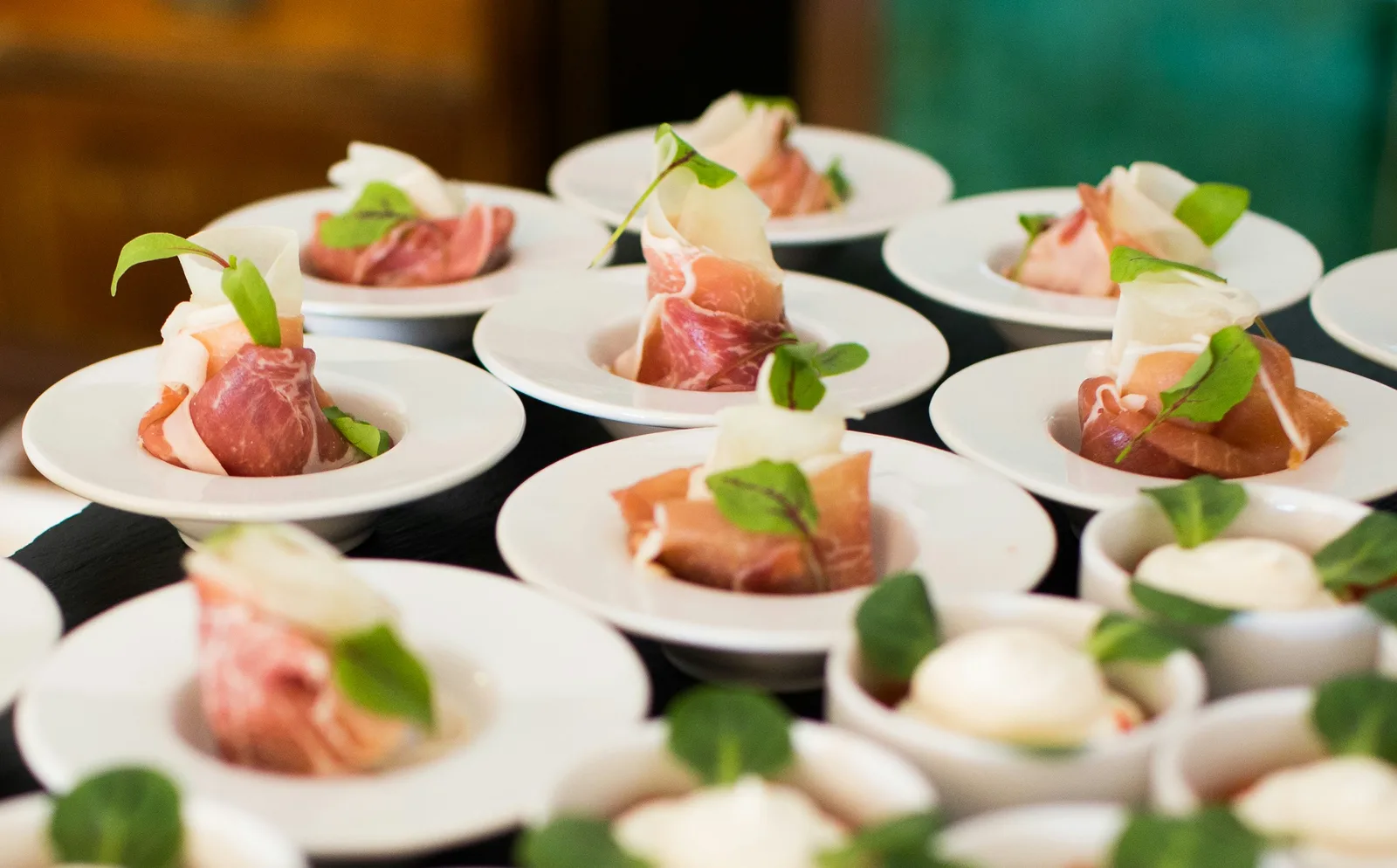
A deli or sandwich bar makes most of its money in a window of about forty minutes, and the limit is how fast one person can build a roll. The software worth having moves orders out of that window: customers order and pay ahead for a set time, offices order as a group with everyone paying their own share, and the kitchen sees it all on one screen. On Mosey that is Order Ahead at 1.5%, group ordering at no extra cost to you, and a free kitchen display.
What a deli's day actually looks like
The morning is breakfast rolls and coffee for people on their way to work. Then a gap where the real work happens: the hot counter goes on, the fillings are prepped, the bread comes in.
At about ten to one, everything arrives at once. Every roll is made to order, every customer wants a different bread and three fillings, and the line moves exactly as fast as the person with the butter knife. Somewhere in that, the phone rings: an office wants eighteen rolls for half one, each one different, read out by somebody who is not sure what Ciara wanted.
By three it is quiet, and the hot counter is still full of food that will not be sold tomorrow.
The four things deli owners say
- "Lunch is two hours and everything happens in forty minutes of it."
- "People see the queue out the door and go to the garage instead."
- "The office order gets phoned in at quarter past twelve, and someone always gets the wrong roll."
- "I'm throwing out hot food at four every day."
Get the menu right, because rolls are built, not chosen
A deli menu is not a list of dishes. It is breads, fillings, sauces and extras, and a customer combines them. Put that structure on: items with sizes and extras, so somebody ordering ahead builds the roll they want rather than typing it in a note.
Photograph your board and the menu scan reads the items and prices for you to review. Add allergens to every item. The 14 regulated allergens have to be declared anyway, and a deli counter handles cereals containing gluten, milk, eggs, mustard and celery all day. Customers filter on them too.
Use specials for the soup of the day and the hot dish. A special shows while it is on and disappears when it ends.
Move lunch out of the lunch rush
Order Ahead lets a customer order, pay and pick a collection time. For a deli, the settings are the whole thing:
- Pickup slots with a cap. Set how many orders each slot can take. A full time shows as busy and cannot be picked, so the next customer picks a time your counter can actually make, rather than adding a fifteenth order to five past one.
- Scheduled orders. A customer can order up to seven days ahead, and the order stays off the kitchen screen until its time. Ordering at half nine for one o'clock means the roll is made in the calm before the rush.
- Pause. If the counter is drowning, pause Order Ahead until you resume or until a time you set. Whoever is managing the floor can do it.
You can also choose to accept orders automatically during your opening hours, with anything unusual, such as an order far bigger than your normal, still coming to you to accept by hand. An order nobody accepts is refunded automatically after a timeout, so a customer is never left at your counter with a charge and no roll.
It costs 1.5% on each order. The customer pays a small booking fee that scales with the order: €0.30 under €10, €0.60 under €30, €0.90 under €50, €1.29 on orders of €50 or more. See Order Ahead for the set-up in full.
Take the office order without the phone call
The office order is the most valuable order a deli gets and the most likely to go wrong.
With group ordering, one person starts the order and shares it. Everyone else opens it on their own phone and adds their own roll. Then either one person pays for the lot, or each pays their own share, and the order does not go to your kitchen until everybody has paid. Nobody is reading eighteen rolls down a phone line, nobody is fronting eighty euro and chasing colleagues for it, and you are not making food for a group that has not settled up.
Schedule it for the time the office actually eats, and it lands on your screen when it should. More on how it works in group ordering and bill split.
Put every order on one screen
When orders come from the counter, from Order Ahead and from an office group, they need to land in one place in the order they have to be made. The kitchen display is that place. When an order is marked ready, the customer is told, which is the difference between collecting a roll and queueing for it a second time.
Keep the regulars, and use the afternoon
A deli's regulars come in four or five days a week, which is exactly what a visit-based loyalty programme rewards. It is free on every tier. A visit counts automatically when somebody pays through Mosey Pay or completes an order, and staff can add one by hand for cash.
Mosey Pay takes the payment from the customer's phone at 0.5%, with Mosey's part capped at €149 a month and no booking fee added to the customer's bill. If you want a till, the Mosey till runs in a browser, carries the VAT rate per item, and records sales on your existing card reader and in cash.
The afternoon is where Deal Hours earns its place. A Deal Hour is a price that only exists in a window you choose: a set price on the hot food from three until close, or buy one get one on the rolls that will not keep. It can run on the till and on collection, and it costs nothing to run. Point it at the food that would otherwise go in the bin, not at the lunchtime roll you were selling at full price anyway.
Delivery to offices: later, and only if the sums work
Offices do ask for delivery. Before you say yes, work out what it costs. Delivery apps commonly charge around 30%: on a €90 office order that is €27 gone before you have bought the bread. Put your own numbers into the delivery app commission calculator.
Delivery on Mosey is 6%, in zones you draw, with your own drivers or shared ones. But a collection order with no courier is cheaper still, and an office that has ordered as a group can send one person to collect.
What a deli can leave off
- Reservations. A sandwich bar does not take tables.
- Memberships, at least at first. Get loyalty working and see who your real regulars are before you build a paid scheme.
- Events. Not your trade, unless you run tastings of what is on the deli shelves.
Start with the menu and Order Ahead. Those two decide how many people you can serve in forty minutes.
More guides for your business:
More in the guides for food businesses.
This guide is general information, not legal, tax or financial advice. Rules change and depend on your business and where it is, so check the current rule with the official body named in the guide and take advice from a solicitor or accountant in your area before you act.
Questions
Common questions
Can customers order sandwiches ahead for a set time?
Yes. With Order Ahead a customer orders and pays, then picks a collection slot, up to seven days ahead. You set how many orders each slot can take.
How do I handle a big office lunch order?
Point the office to group ordering. One person starts the order, everyone adds their own food on their own phone, and each can pay their own share. The order reaches your kitchen only once everyone has paid.
Can customers choose their bread and fillings?
Yes. Menu items carry sizes and extras, so a customer builds the roll they want when ordering ahead.
What if we get too many orders at lunchtime?
Cap each ten-minute window so a full one shows as busy, and pause Order Ahead whenever the counter needs a breather. A manager on the floor can pause it.
Do I have to accept every order by hand?
No. You can switch on automatic acceptance during your opening hours. Unusual orders still come to you, and an order nobody accepts is refunded automatically after a timeout.
How can I cut hot food waste in the afternoon?
Set a Deal Hour on the hot food from mid-afternoon to close. The price drops only in that window, on the till and on collection orders, and it costs nothing to run.
Should a deli offer delivery?
Only if the sums work. Collection carries a lower commission than delivery, and for offices a group order with one person collecting is often the better deal for everyone.
More like this
Read next
A hotel restaurant that locals use too
A hotel dining room earns local trade when it acts like a restaurant of its own. Here is why locals stay away, how to set the dining room up on Mosey beside your hotel, and which offers fill it.
An alcohol-free drinks menu that still makes margin
More guests are drinking less, in January and the rest of the year. Here is how to cost, price, name and sell an alcohol-free menu so it earns as well as the wine list, with the Irish VAT and offer rules checked.
A pub that does food: making the kitchen pay
A pub kitchen pays when its gross profit covers its own wages and running costs. Here is how to count it, which services to fill, what the alcohol rules say and how Mosey fits.
Auto-enrolment pension for Irish restaurants and cafés: what you pay and do
Since 1 January 2026 an Irish employer matches the pension contribution of each eligible employee. Here is who counts, what it costs on a wage bill, the payroll steps and what staff can opt out of.
Get started
Host your business on Mosey. It is free to claim.
Free to list, no set-up fee, and Order Ahead is 1.5% commission when you start taking orders.