
For businesses
Software for dessert, ice cream and doughnut shops
Mosey · 15 November 2026 · 6 min read
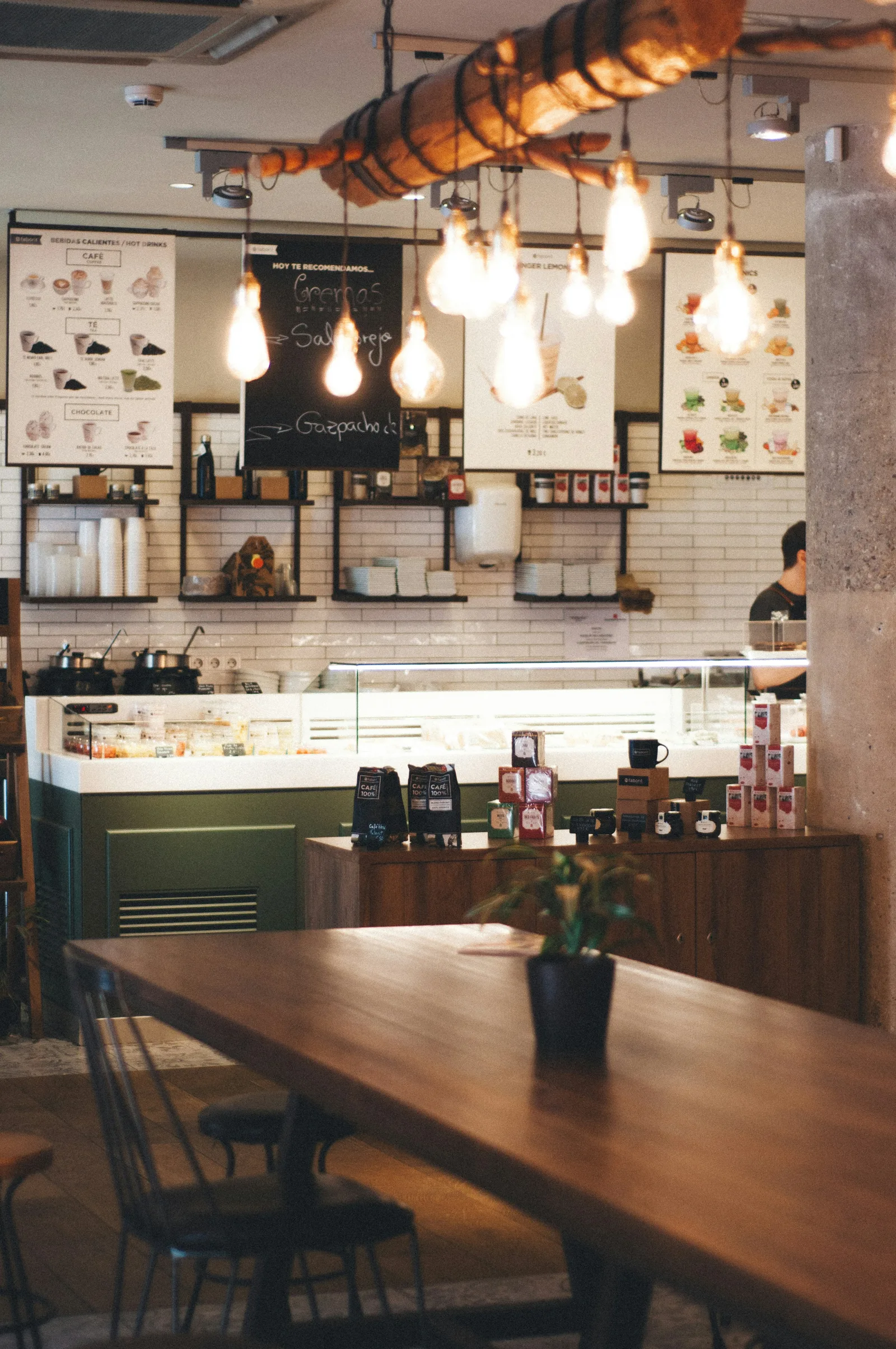
A dessert, ice cream or doughnut shop sells on impulse, on photographs and on the weather, so the tools that matter are the ones that make people want it today, take the box orders before the day, and bring money in during the quiet season. On Mosey, the menu, specials and loyalty are free, box and party orders run through Order Ahead at 1.5%, and gift vouchers and pre-paid bundles bring cash forward at 4.5% and 4.5%. Delivery and reservations can wait.
What a dessert shop's year actually looks like
Nobody needs a doughnut. They want one, usually because they saw it, usually in the afternoon, after school, after dinner or on a Saturday out. The trade is impulse, and impulse is visual.
Ice cream lives on the weather more than any other food. The first warm Saturday in May puts a queue round the corner that you cannot scoop fast enough for, and a wet Tuesday in October can be a day of three customers. Plenty of seaside parlours do most of their year in the summer months and the school holidays.
Doughnut and dessert shops have the drop: a limited flavour that sells out by early afternoon, which is half the appeal and half the complaints. And all of them do boxes for birthdays, offices and parties, which arrive by message and are the most valuable orders of the week.
The four things dessert owners say
- "A sunny Saturday we can't serve them fast enough, and a wet weekday nobody comes in."
- "The special sells out by two and people still come in asking for it."
- "Birthday boxes get ordered in my messages, and I'm taking payment on collection and hoping."
- "January to March is a long time to pay rent on a freezer."
Start with photographs and specials, because dessert sells on sight
Get the menu on first: photograph the board and the menu scan reads the items and prices for you to check. Then photograph the food, properly, in daylight. On Mosey each dish can be found on its own, so a well-photographed, well-rated sundae can bring in somebody who has never heard of you.
Add allergens to every item. Milk, eggs, nuts, peanuts and cereals containing gluten are among the 14 regulated allergens that must be declared, and a dessert counter carries most of them. Parents of an allergic child check before they come, and they can filter on it.
Use specials for the drop and the flavour of the week. A special shows to people nearby while it is on and stops showing when it ends, so the pistachio doughnut is not still being advertised at five when the tray has been empty since two.
Take boxes and party orders properly
Order Ahead is where the box order belongs. A customer orders, pays and picks a collection time, up to seven days ahead, and the card is charged at checkout. The birthday box is paid for before you make it, and it lands on your screen rather than in a message thread you scroll back through on the morning of the party.
Cap each pickup slot so a Saturday cannot stack every collection into the same quarter of an hour, and pause Order Ahead if the queue at the counter is all you can handle. A scooped cone does not suit ordering ahead; a box of six, a tub to take home or a party tray does.
It costs 1.5% on the order, and the customer pays a small booking fee that scales with the order: €0.30 under €10, €0.60 under €30, €0.90 under €50, €1.29 on orders of €50 or more.
Make the counter count
Dessert tickets are small, so the payment fee matters. Mosey Pay takes the payment from the customer's phone at 0.5%, with Mosey's part capped at €149 a month and no booking fee added to the customer's bill. Compare that with what you pay now using the card payment fee calculator. If you want a till, the Mosey till runs in a browser, and also records cash and sales on the card reader you already have.
Loyalty is free on every tier. A visit counts when somebody pays through Mosey Pay or completes an order, and staff can add one for cash. Reward visits: a free scoop or doughnut after a set number is the scheme a ten-year-old understands and a parent remembers.
Bring summer money into the winter
The quiet season is where most dessert shops lose the year, and the fix is money taken when people are keen and spent when they are not.
- Gift vouchers. Children's birthdays, teachers at the end of term, Christmas stockings. You are paid when the voucher is bought, at 4.5%, and it can be spent across several visits, which brings people back more than once. See selling gift vouchers.
- Pre-paid bundles. A promotion can be a multi-visit bundle or a ticket bought now and redeemed later: a card for six scoops sold in spring, or a dozen doughnuts paid for in December and collected through January. It is paid up front, at 4.5%.
- Events. A doughnut-decorating morning for children or a tasting night, sold as tickets at 4%, paid before the day, with a waitlist if it sells out. The guide to selling event tickets covers pricing one.
Deal Hours help too, but be clear about what they do. A Deal Hour is a lower price inside a window you set in advance: weekday afternoons in the off season, say, with buy one get one on the item you most want to move. It runs on a timetable, so it suits the quiet you can predict, not the rain you cannot. It costs nothing to run.
Cost the cone before you discount it
Cream, sugar, chocolate and the energy for the freezers have all moved, and a bundle or a two-for-one can give away more than it looks. Run the item through the menu price calculator before you set any discount, so you know what the offer actually costs you.
What a dessert shop can leave off
- Delivery, for ice cream. It melts, and a melted order is a refund and a bad rating. Doughnuts and cakes travel better; add delivery at 6% later if customers ask.
- Reservations. A dessert counter does not need bookings. A sit-down dessert café with a busy weekend room is the exception.
- Memberships, for a seasonal parlour. A membership works for somewhere people go weekly all year round. A shop that closes or slows for the winter is better served by vouchers and bundles.
Start with photographs, specials and Order Ahead for boxes. Then plan the winter before the summer ends.
More guides for your business:
- Software for food hall and indoor market vendors
- Pubs that serve food: one till for the bar and the kitchen
- Wine and cocktail bars with food: tastings, a club and quiet nights
More in the guides for food businesses.
This guide is general information, not legal, tax or financial advice. Rules change and depend on your business and where it is, so check the current rule with the official body named in the guide and take advice from a solicitor or accountant in your area before you act.
Questions
Common questions
Can customers pre-order a box of doughnuts or a party tray?
Yes. With Order Ahead a customer orders and pays for a collection time up to seven days ahead, so the box is paid for before you make it.
How do I let people know the special flavour is on?
Add it as a special. It shows to people nearby while it is on and disappears when it ends, so a sold-out flavour is not still being advertised.
How can an ice cream shop make money in the winter?
Take it in advance. Gift vouchers and pre-paid bundles are paid when bought and spent later, and ticketed events bring people in on a quiet date.
Can I run a loyalty card for scoops or doughnuts?
Yes, free on every tier. Visits count automatically when customers pay through Mosey, and staff can add one by hand for cash.
Can Deal Hours react to bad weather?
No. A Deal Hour runs on a window you set in advance, so it suits predictable quiet times such as off-season weekday afternoons.
Should an ice cream shop offer delivery?
Usually not for ice cream, which does not travel well. Doughnuts and cakes travel better, and delivery can be added later if customers ask for it.
Do I need to show allergens on desserts?
Yes. The 14 regulated allergens must be declared, and each menu item on Mosey can carry its allergens, which customers can filter on.
More like this
Read next
A hotel restaurant that locals use too
A hotel dining room earns local trade when it acts like a restaurant of its own. Here is why locals stay away, how to set the dining room up on Mosey beside your hotel, and which offers fill it.
An alcohol-free drinks menu that still makes margin
More guests are drinking less, in January and the rest of the year. Here is how to cost, price, name and sell an alcohol-free menu so it earns as well as the wine list, with the Irish VAT and offer rules checked.
A pub that does food: making the kitchen pay
A pub kitchen pays when its gross profit covers its own wages and running costs. Here is how to count it, which services to fill, what the alcohol rules say and how Mosey fits.
Auto-enrolment pension for Irish restaurants and cafés: what you pay and do
Since 1 January 2026 an Irish employer matches the pension contribution of each eligible employee. Here is who counts, what it costs on a wage bill, the payroll steps and what staff can opt out of.
Get started
Host your business on Mosey. It is free to claim.
Free to list, no set-up fee, and Order Ahead is 1.5% commission when you start taking orders.