
For businesses
Footfall in Irish city centres: what the counters say and what to count
Mosey · 15 November 2026 · 5 min read
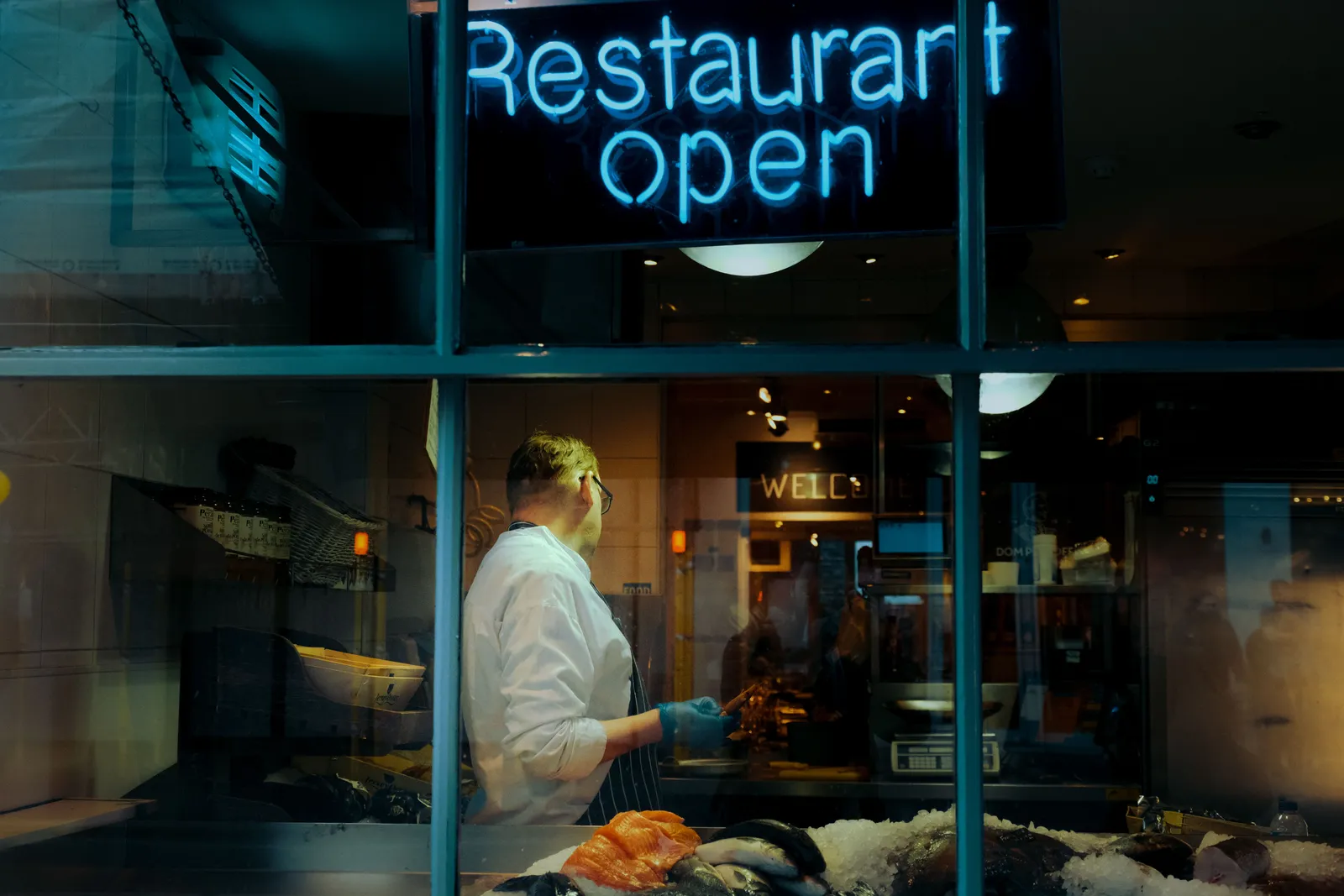
What footfall in an Irish city or town centre looks like depends on the street, the day and the hour, and the public counters show only part of it. For a food business, the useful number is not how many people pass in a city but how many pass your door and how many of them come in.

What do the public counters measure?
Dublin City Council, with the National Transport Authority, runs pedestrian counters at a number of locations in the city centre, logging passers-by every hour of every day, and publishes the counts as open data through the Smart Dublin portal. The files include counts for 2026. These are raw counts of people passing a fixed point, not sales, and they say nothing about who they were or whether they stopped. Use them to see the shape of a week on a street near you, not to forecast your takings.
What do the counters not show?
A counter logs a number at a point on a street. It does not show how many of those people are commuters, shoppers or visitors, how long they stayed or whether they were looking for somewhere to eat. A morning peak speaks to breakfast and weekday coffee trade, and an evening or weekend count speaks to dinner and weekend trade, so read the hours that match your own opening hours, and compare the same street across the same weeks of different years before you draw a conclusion.
Why is the pattern different now?
Hybrid working, online shopping and the weather can all change who walks past a door and when. Where offices run hybrid weeks, the busy days of the week may not be the ones they were before 2020, and a weekend can depend on events, shopping and visitors. Your own street may differ, so look at your own data.
How do you count your own footfall?
You do not need a system to start.
- Count for 15 minutes each hour on the same days for two weeks, using a tally sheet or a phone counter.
- Count two numbers: people who pass and people who come in.
- Note the weather and any events nearby.
- Compare with your till. Match the number who came in with the number of orders in the same hours.
- Repeat in a different season. One fortnight tells you little; four seasons tell you a lot.
If you want an automatic count, a door counter is cheap, but a simple tally is a good place to start.
What do you do with the numbers?
Look at three things. First, the hours when many people pass but few come in. That is a window problem: a clear menu board, a visible price, a smell of coffee or a sign for a lunch deal can change it. Second, the hours when many come in but your team struggles. That is a rota problem, and the rota guide helps. Third, the hours when no one passes. That is a destination problem: you need a reason for people to travel.
How do you draw people who are not passing?
If the street is quiet at some hours, give people a reason to come on purpose. A set lunch, a pre-theatre menu, an early-bird or a night with music can create demand. Booking, ordering ahead and a clear page online help customers plan. The seasonal planning guide shows how to build the year around the busy and quiet weeks.
What about towns outside Dublin?
Towns have different patterns again, shaped by market days, school times, commuter flows and tourism. Public counts may be harder to find outside the capital, so your own counts matter more. Talk to your local chamber of commerce or town team, who sometimes share counts or run joint events.
How do you know the numbers are working?
Set one target at a time, such as raising the share of passers-by who come in during lunch by a small amount. Change one thing, such as the window sign. Measure again after a fortnight. Keep what works.
What should your window and your door say?
Passers-by decide in a few seconds. A clear menu board with prices, a lunch deal in large letters, a photograph of your best dish and your opening hours do more than a clever name. Check your sign at different times of day, in rain and in the evening, from the far side of the street. Make sure the door is easy to open and that someone smiles in the first moment. The 90-day marketing plan has more on being found before you open and keeping the first customers coming back.
Do you want people to choose you before they reach your street?
Footfall tells you who walks past. It does not tell you who is searching for somewhere to eat. Mosey is a food discovery app where diners search by dish and mood and rate what they ate, and Host on Mosey puts your business in front of the people looking, before they pick a street. Nobody can pay to outrank you there, because Mosey Gold is earned from ratings alone, and pricing lists every rate.
More guides for your business:
More in the guides for food businesses.
This guide is general information, not legal, tax or financial advice. Rules change and depend on your business and where it is, so check the current rule with the official body named in the guide and take advice from a solicitor or accountant in your area before you act.
Questions
Common questions
Does Dublin publish footfall data?
Yes. Dublin City Council runs pedestrian counters across the centre and publishes hourly counts as open data through Smart Dublin, including files for 2026.
Do the counters show who is commuting or visiting?
Not from the counters alone. A pedestrian counter logs people passing a point, not who they were or why they were there, so compare the same street across the same weeks of different years and read the hours that match your own opening hours.
Does footfall data tell me how much I will sell?
No. It counts people passing a point. It does not say who they were or whether they stopped, so use it for the shape of a week, not a sales forecast.
How can I count my own footfall?
Tally people who pass and people who come in for 15 minutes each hour on the same days for two weeks, then compare with your till.
Why has the weekly pattern changed?
Hybrid working, online shopping and weather can all change who walks past and when. Count your own street at your own hours to see the pattern that matters to you.
More like this
Read next
A hotel restaurant that locals use too
A hotel dining room earns local trade when it acts like a restaurant of its own. Here is why locals stay away, how to set the dining room up on Mosey beside your hotel, and which offers fill it.
An alcohol-free drinks menu that still makes margin
More guests are drinking less, in January and the rest of the year. Here is how to cost, price, name and sell an alcohol-free menu so it earns as well as the wine list, with the Irish VAT and offer rules checked.
A pub that does food: making the kitchen pay
A pub kitchen pays when its gross profit covers its own wages and running costs. Here is how to count it, which services to fill, what the alcohol rules say and how Mosey fits.
Auto-enrolment pension for Irish restaurants and cafés: what you pay and do
Since 1 January 2026 an Irish employer matches the pension contribution of each eligible employee. Here is who counts, what it costs on a wage bill, the payroll steps and what staff can opt out of.
Get started
Host your business on Mosey. It is free to claim.
Free to list, no set-up fee, and Order Ahead is 1.5% commission when you start taking orders.