
For businesses
VAT at 9% for Irish restaurants: what changed on 1 July 2026 and what to update
Mosey · 15 November 2026 · 5 min read
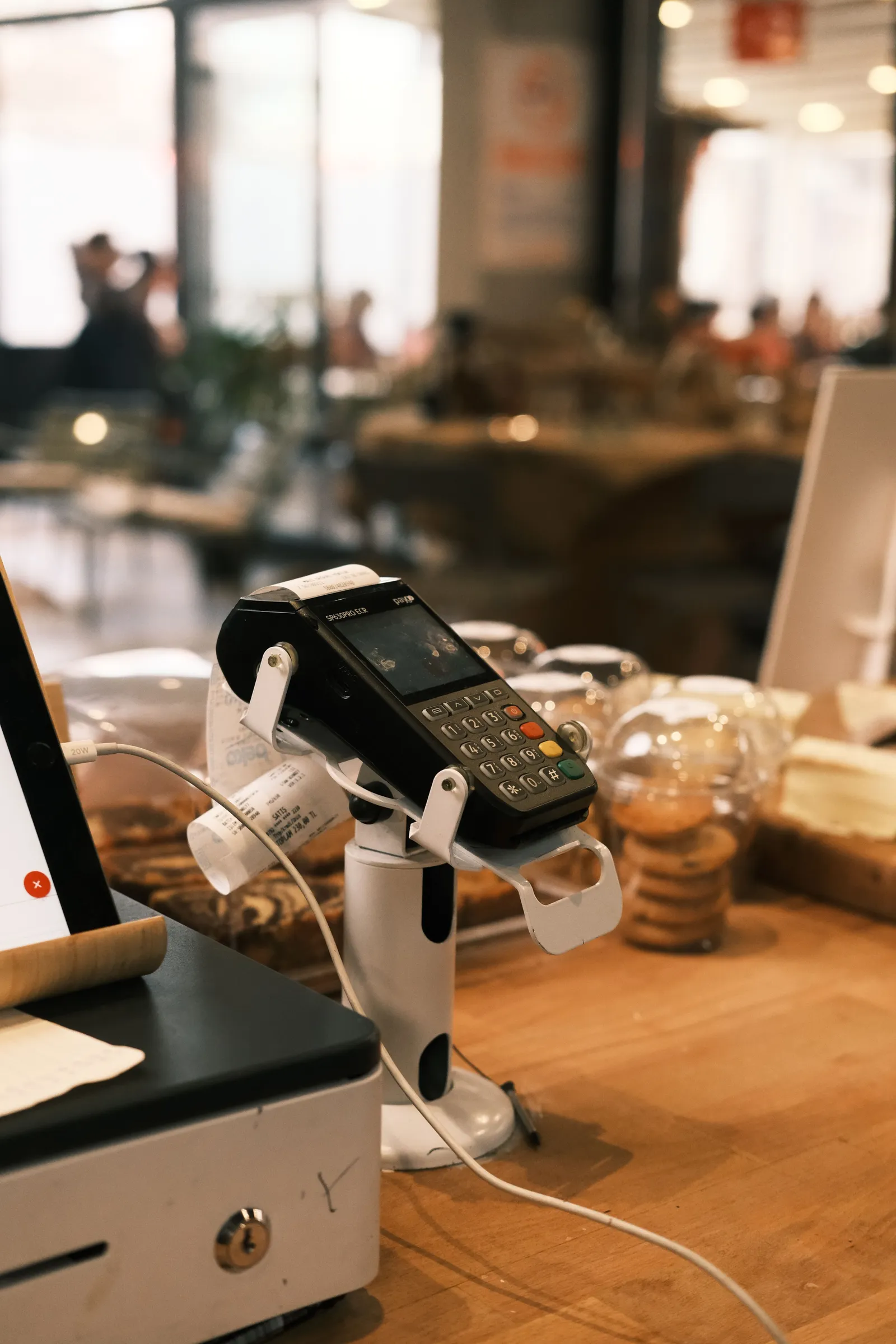
The VAT rate on restaurant and catering services in Ireland fell from 13.5% to 9% on 1 July 2026. It applies to food and hot drinks served in a restaurant, by a caterer or as hot takeaway food, and it does not apply to alcohol, bottled water or soft drinks, which stay at the standard 23% even when they are part of a meal.

What did the rate change to, and when?
Revenue's Tax and Duty Manual on restaurant and catering services says restaurant services are liable to VAT at the reduced rate up to 30 June 2026, and that from 1 July 2026 the second reduced rate applies. Revenue's guidance on the Finance Act 2025 puts that second reduced rate at 9% for food and drink supplied as part of a restaurant, catering or hot takeaway service, and Revenue's table of historical rates shows the reduced rate it replaces as 13.5%. Read the exact wording on Revenue's website and check with your accountant before you rely on a summary, including this one.
What does the 9% rate cover?
Revenue's guidance describes the following:
- Food and drink supplied in a restaurant or by a caterer, including hot teas and coffees, and hot takeaway food.
- Fruit juice supplied as part of a restaurant or catering service. Fruit juice sold as a takeaway drink is at the standard rate.
- Hairdressing, which moved to the same rate on the same date, though it matters only if you run another business.
- Not on the list: cold takeaway food is zero-rated, and delivery services are at the standard rate.
What stays at 23%?
Alcohol, bottled water, soft drinks, sports drinks and vegetable juices stay at the standard rate even when you serve them with a meal. Hotel and guesthouse accommodation is not part of the move to 9%; the food and catering side is. That matters for a pub, a hotel restaurant or a café with rooms, because one bill can carry more than one rate. Revenue's guidance on guest and holiday accommodation says that where one price covers a room and meals, the charge must be apportioned between the elements for VAT, so ask your accountant how to split a package price.
What do you need to change in your till?
Go through every item, not only the main dishes.
- Food and hot drinks: set to the new rate from the date of the change.
- Alcohol, soft drinks and bottled water: confirm they are still on the standard rate.
- Extras and modifiers: a side, a sauce or an upgrade should follow the rate of the dish it belongs to.
- Service charge and delivery fee: Revenue treats a service charge that appears on the bill as part of the price of the meal, delivery services are at the standard rate, and voluntary tips that do not appear on the bill are outside VAT.
- Reports: check that your sales-by-rate report now shows the split you expect.
In Mosey a VAT rate change is proposed to the place and nothing moves until someone with billing access confirms it and chooses whether to keep the shelf price or keep what the place earns, which helps if you manage a long menu. Your accountant should still check the first report against a real return, as the VAT guide explains.
What about menus, listings and printed material?
The price on your menu is a separate decision from the rate on your till. If you keep your menu prices, the lower rate means you keep more of each sale. If you cut prices, you pass part of it to customers. Either way, make the same decision in every place a price appears: the till, the printed menu, your website, delivery listings, gift voucher values and your social posts. The menu pricing guide and the menu price calculator can help you test a change before you print.
What about vouchers, deposits and bookings made before 1 July?
A gift voucher bought before the change, a deposit taken for a booking or a prepaid event ticket may be redeemed after it. Revenue says that when you issue a VAT invoice you apply the rate in force when you issue it, and that for supplies to unregistered persons you apply the rate in force at the time of the supply. For vouchers and deposits, read Revenue's guidance on changes in rates of VAT or ask your accountant, and write the answer down so your team handles each case the same way.
How does it show up in your VAT return?
Your next return after 1 July will contain sales at two or more rates, and the dividing date falls inside the period. Keep your sales-by-rate report for the period, and ask your bookkeeper to reconcile it before you file. Check the first period after a change with extra care. Your cash flow plan should reflect the lower VAT you collect on food, and the higher share of each sale you keep.
Will prices fall for customers?
Whether the rate cut lowers your menu prices is your decision. Whatever you choose, tell your customers plainly. A sentence on the menu or on your page, such as "We kept our prices so we can keep our staff," is better than silence.
What should you tell your accountant?
Send your accountant a short note before your next return. List the date you changed your till, any items you left on another rate on purpose, the vouchers and deposits you took before 1 July, and any package prices that combine food with other services. Ask for written confirmation of how each should be treated, and keep it with your VAT records. A clear paper trail saves time if Revenue ever queries the period in which the rate changed.
Are you wondering how to turn a lower tax rate into more customers?
A rate cut helps your margin, but customers still have to find you. Mosey is a food discovery app where diners rate the dishes they ate, and Host on Mosey gives your business a page that shows up for the meals you are best at. Nobody can pay to outrank you there, because Mosey Gold is earned from ratings alone, and pricing lists every rate.
More guides for your business:
More in the guides for food businesses.
This guide is general information, not legal, tax or financial advice. Rules change and depend on your business and where it is, so check the current rule with the official body named in the guide and take advice from a solicitor or accountant in your area before you act.
Questions
Common questions
When did the VAT rate for restaurants fall to 9% in Ireland?
It moved from 13.5% to 9% on 1 July 2026, according to Revenue's Finance Act 2025 guidance and its Tax and Duty Manual on restaurant and catering services. Check Revenue's own wording for the detail.
Does the 9% rate apply to alcohol?
No. Revenue's guidance says alcohol, bottled water, soft drinks, sports drinks and vegetable juices stay at the standard rate, even when served as part of a meal or catering service.
Does the 9% rate apply to hot takeaway food?
Yes. Revenue's guidance covers food and drink supplied in a restaurant, by a caterer or as hot takeaway food, and says cold takeaway food is zero-rated. Confirm how your own menu items are classified with your accountant.
Do hotel rooms move to 9%?
No. Accommodation is not part of the move to 9%; the food and catering side is. Where one price covers a room and meals, Revenue says the charge must be apportioned for VAT.
Should I lower my menu prices?
That is your decision. Keeping prices increases your margin, and cutting them passes the saving to customers. Whatever you choose, apply it everywhere a price appears and tell your customers.
What should I do about vouchers sold before 1 July?
Read Revenue's guidance on changes in rates of VAT or ask your accountant how each voucher, deposit and prepaid ticket should be treated. Write the answer down for your team.
More like this
Read next
A hotel restaurant that locals use too
A hotel dining room earns local trade when it acts like a restaurant of its own. Here is why locals stay away, how to set the dining room up on Mosey beside your hotel, and which offers fill it.
An alcohol-free drinks menu that still makes margin
More guests are drinking less, in January and the rest of the year. Here is how to cost, price, name and sell an alcohol-free menu so it earns as well as the wine list, with the Irish VAT and offer rules checked.
A pub that does food: making the kitchen pay
A pub kitchen pays when its gross profit covers its own wages and running costs. Here is how to count it, which services to fill, what the alcohol rules say and how Mosey fits.
Auto-enrolment pension for Irish restaurants and cafés: what you pay and do
Since 1 January 2026 an Irish employer matches the pension contribution of each eligible employee. Here is who counts, what it costs on a wage bill, the payroll steps and what staff can opt out of.
Get started
Host your business on Mosey. It is free to claim.
Free to list, no set-up fee, and Order Ahead is 1.5% commission when you start taking orders.