
For businesses
How to run baking classes for kids at your bakery
Mosey · 15 November 2026 · 7 min read
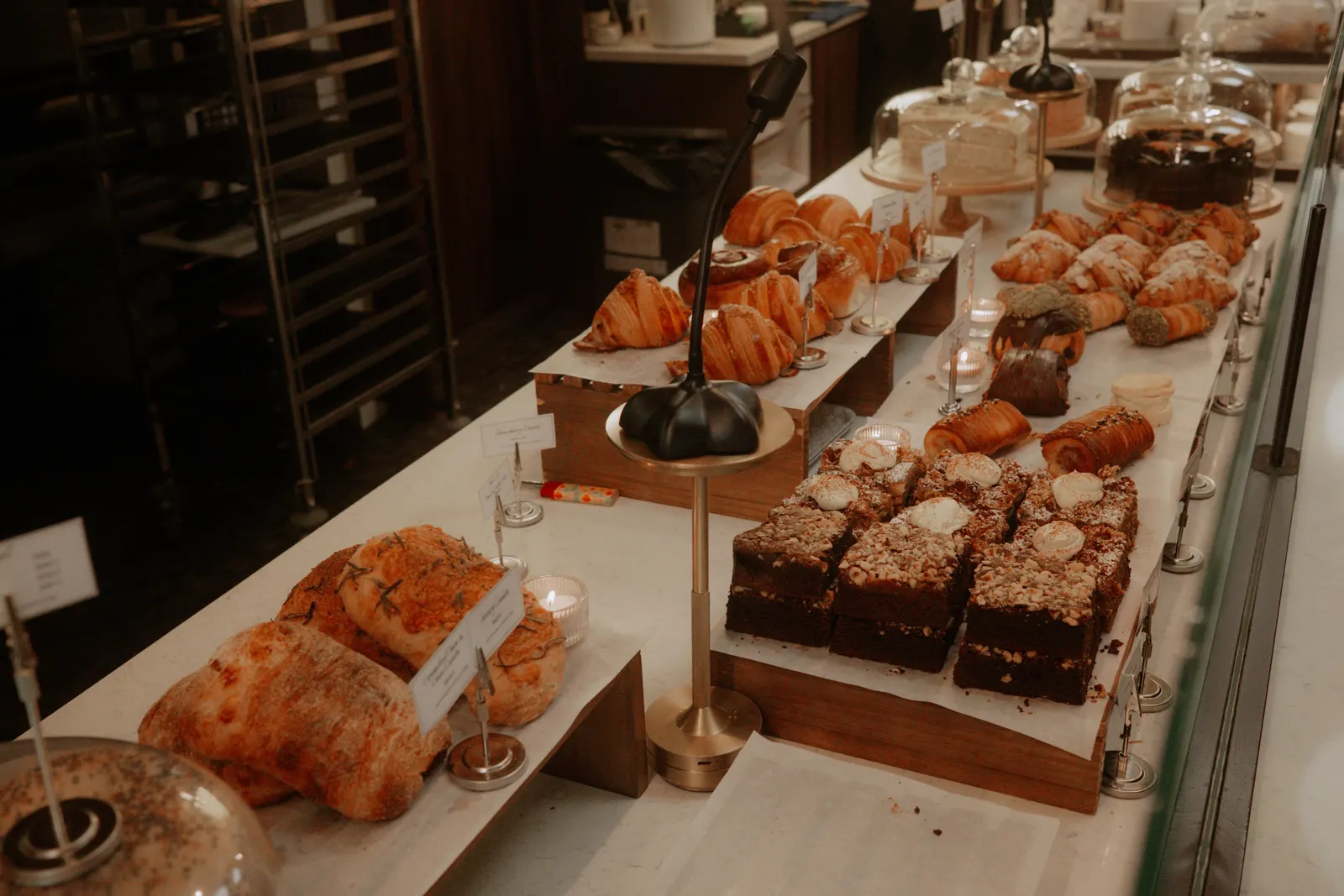
To run baking classes for kids at your bakery, choose one age group per class, plan a bake each child can finish and take home, put two adults in the room, ask about allergies when parents book, and sell seats online so you know your numbers. Done well, a children's class fills a quiet Saturday morning and turns the parents who pay into regulars at your counter.

What age groups work in a bakery class?
Teach one age group at a time. A four-year-old and a ten-year-old need different bakes, different instructions and different amounts of help, and mixing them leaves one bored and the other lost.
Small children do best with a parent beside them and a bake that is mostly decorating: biscuits to ice, buns to top, pizzas to dress. Keep it short, because attention runs out before the dough rises.
Primary school ages can weigh, mix, knead and shape with a little help. Soda bread, scones, simple cookies and shaped bread rolls work well, because they come out of the oven looking like the picture.
Older children and teenagers can follow a recipe on their own and enjoy a real challenge: a plaited loaf, choux, a layered cake. A short series over a few weeks suits them, with a new skill each time.
Write the age range on the class page and stick to it. A parent who books a nine-year-old into a class built for six-year-olds is a parent who does not come back.
What should children bake in a class?
Choose a bake that finishes inside the class, looks good and travels home. Children want to show someone what they made, and the box they carry out of the door is your best advert.
Break the bake into steps that each take a few minutes, with something to do at every stage. Waiting for an oven is the hardest part of a children's class, so plan an activity for that gap: decorating the box, a tasting of different flours, a quiz on where bread comes from.
Weigh the ingredients for each child into bowls beforehand. Children love measuring, so leave one or two things for them to weigh, but do not make the whole class depend on accurate scales.
Keep adults on the oven. Children shape and decorate; an adult puts trays in and takes them out.
A running order for a morning class for primary school ages looks like this.
- Arrival: aprons on, hands washed, names on stickers, a word on the two kitchen rules (hot things are for grown-ups, and we wash our hands every time).
- Mix and shape: the main bake, step by step, with a helper at each table.
- The oven gap: decorating boxes, a smell-and-guess game with spices, or tasting different breads.
- Decorate and pack: the finished bake goes into a box with the child's name on it.
- Hand over: each child takes the box out to the parent, with a recipe card to try again at home.
Teach the habits as well as the bake. Washing hands, tying back hair and tidying a station are part of what parents are glad their children learn, and they keep your kitchen in order.
What do you need in place with children in the kitchen?
Children in a working kitchen need more than a smaller apron. Before the first class, ask your insurer whether your cover includes classes for children, and check the current child safeguarding guidance with Tusla, which sets out what organisations working with children should have in place.
Decide early whether parents stay. For small children, a parent at each station is the simplest answer and makes the class a shared morning. For older children, parents can drop off, but take a contact number for each child and agree who collects them.
Have two adults in the room at all times, so nobody is ever alone with a child and one adult can deal with a spill or a tear while the class carries on. Clear the kitchen of knives, hot equipment and cleaning products the children do not need, and set benches at a height they can reach without standing on a stool.
Ask before any photo of a child is taken or posted, and post none without a parent's yes. Parents remember the business that asked.
How do you handle allergies in a children's class?
Ask about allergies when the parent books and again at the door, and plan the class so the answer changes nothing dangerous. Many children's classes leave out nuts altogether, which removes the commonest worry in one decision.
Know what is in every ingredient you set out, including the sprinkles and the icing. Your allergen records for your own bakes are the place to start, and the allergen guide covers the 14 allergens a food business declares. Check the current rule on allergen information with the FSAI.
If a child has a serious allergy, talk to the parent before the day. Sometimes a separate bowl and bench is enough; sometimes the honest answer is that this bake is not safe, and a parent will thank you for saying so.
How do parents book and pay for a kids' class?
A parent books for a child, and often for two, so sell a children's class as an event ticket rather than a course. One parent can buy a ticket for each child in one go, and the ticket types can say what is included: one child, or a child with a parent at the bench.
Open Events in your dashboard, name the class, set the date and the capacity, add the ticket types and publish. Parents buy in the Mosey app and pay at once; a full class keeps a waitlist. On the morning, scan tickets at the door or from the Events page, and you know exactly who is in the room. If you cancel, every confirmed ticket is refunded.
There is no subscription for events. Mosey takes 4% of the ticket price when a ticket sells, and Stripe's card fee is passed through at cost. The events page shows what parents see.
For teenagers who want a proper series with a certificate at the end, Mosey Courses suits better, because a teenager with their own account books their own seat. The courses page explains in-person classes with several dates.
When should you run children's baking classes?
Saturday mornings and school holidays are when parents look for something to do. Midterm breaks, the summer and the weeks before Halloween, Christmas and Easter all give you a theme as well as a free morning: spooky biscuits, gingerbread, hot cross buns.
A summer week of short morning classes, each with a different bake, can sell as a run of dates. Price each morning separately so a family can pick the days that suit, and keep the same start time every day.
Birthday parties are the other opening. A private class for a birthday group is a different sale, with one parent paying for everyone; take it as a private booking with a deposit, and send the guest list a link to share any allergies before the day. The private hire guide shows how that works.
How do children's classes grow your bakery?
The child is the learner, but the parent is the customer. A parent who spends a Saturday morning in your bakery sees the bread, the cakes and the coffee, and is the person who orders the next birthday cake.
Make that next order easy. Put a card in every take-home box with a word on custom cakes and how to order them, and take those orders for a set collection day through Order Ahead, so the cake is paid for before you bake it; the pre-order guide shows the set-up. For the rest of the bakery side, read software for bakeries.
How do you put your first children's class on sale?
Pick one age group, one bake and one Saturday morning a few weeks out. Ask your insurer, plan the steps, write the class page with the age range, what is included and the allergy policy, and tell the parents who already buy from you.
Your next job is the class page. Host your business on Mosey, free to list, and put your first children's baking class on sale: Host on Mosey.
More in the guides for food businesses.
This guide is general information, not legal, tax or financial advice. Rules change and depend on your business and where it is, so check the current rule with the official body named in the guide and take advice from a solicitor or accountant in your area before you act.
Questions
Common questions
What age is best for a children's baking class?
Any age works if each class is built for one age group. Small children do best decorating with a parent beside them, primary school ages can mix and shape, and teenagers enjoy a harder bake over a short series.
Do parents need to stay for a kids' baking class?
For small children, a parent at each station is the simplest answer. Older children can be dropped off, with a contact number for each child and an agreed collection time, and two adults always in the room.
How do I handle nut allergies in a children's class?
Many children's classes leave out nuts altogether. Know what is in every ingredient you set out, ask about allergies at booking and at the door, and talk to the parent before the day if a child has a serious allergy.
Can one parent book seats for two children?
Yes, if you sell the class as an event ticket. A parent can buy a ticket for each child in one purchase, and the ticket types can say what is included, such as a child alone or a child with a parent.
Can I run a private baking class for a birthday party?
Yes. Take it as a private booking: the parent sends a request, you send a quote, and a deposit link holds the date. Guests can share their allergies through a link before the day.
What does Mosey charge on children's class tickets?
There is no subscription for events. Mosey takes a published share of each ticket sold plus Stripe's card fee at cost, and the pricing page shows the figure. A class that sells nothing costs nothing.
More like this
Read next
A hotel restaurant that locals use too
A hotel dining room earns local trade when it acts like a restaurant of its own. Here is why locals stay away, how to set the dining room up on Mosey beside your hotel, and which offers fill it.
An alcohol-free drinks menu that still makes margin
More guests are drinking less, in January and the rest of the year. Here is how to cost, price, name and sell an alcohol-free menu so it earns as well as the wine list, with the Irish VAT and offer rules checked.
A pub that does food: making the kitchen pay
A pub kitchen pays when its gross profit covers its own wages and running costs. Here is how to count it, which services to fill, what the alcohol rules say and how Mosey fits.
Auto-enrolment pension for Irish restaurants and cafés: what you pay and do
Since 1 January 2026 an Irish employer matches the pension contribution of each eligible employee. Here is who counts, what it costs on a wage bill, the payroll steps and what staff can opt out of.
Get started
Host your business on Mosey. It is free to claim.
Free to list, no set-up fee, and Order Ahead is 1.5% commission when you start taking orders.