
For businesses
How to run a coffee cupping or tasting at your café
Mosey · 15 November 2026 · 7 min read
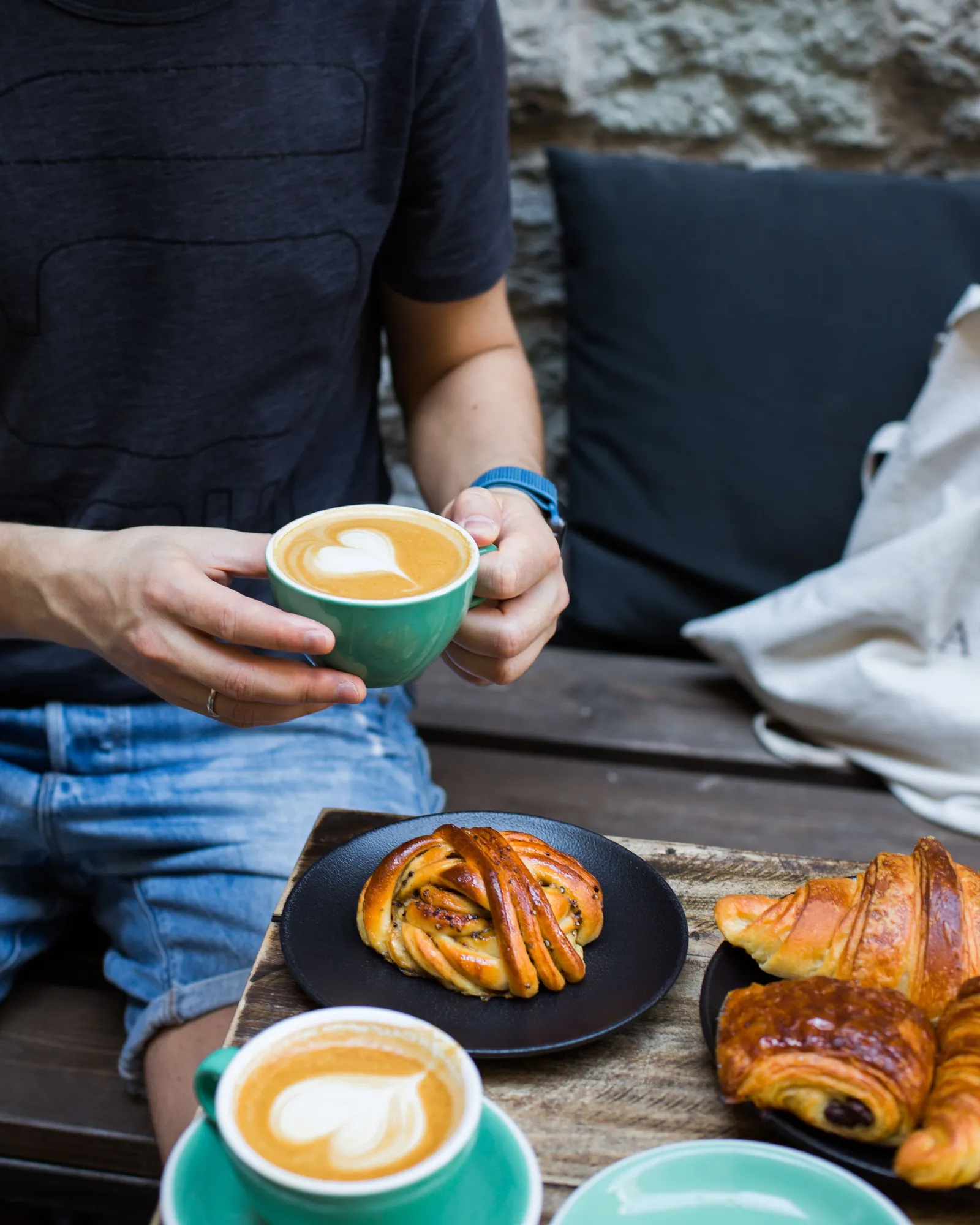
A coffee cupping is a guided tasting where everyone smells and slurps the same few coffees side by side, the way roasters judge them, and it is one of the cheapest events a café can run. Set up one table, keep it to under an hour, sell a small number of tickets, and finish with the bags on the counter so people buy the coffee they liked best.

What is a coffee cupping, and who comes to one?
In a cupping, ground coffee goes straight into a cup or bowl, hot water goes on top, and after a few minutes everyone tastes it with a spoon. There is no machine and no milk, so nothing hides the coffee. Laid out side by side, three or four coffees taste very different, and that surprise is the point of the evening.
The people who come are your keenest customers: the ones who ask where the beans are from, who own a grinder, who notice when you change the house blend. Add people who want a different kind of night out, and a few who got a coffee gadget for their birthday.
A cupping is also how your staff learn the coffees they sell. Run one for the team when a new bean arrives, and the counter can describe it properly the next morning.
How do you set up a cupping table?
You need very little, and most of it is already behind your counter.
- Three or four coffees, ideally with something to compare: different origins, two roasts of one bean, or your espresso blend against a filter coffee.
- Several cups or small bowls per coffee, so more than one person can taste each at once.
- A grinder set coarse, a kettle, scales and a timer.
- A spoon and a cup of water for rinsing for each person, and a spittoon or two.
- A card for each guest with the coffees listed and room for notes.
Use the same water you brew with, heated until it is a moment off the boil, and weigh coffee and water for every cup so the coffees are compared fairly. If one cup has more coffee than the next, the table will taste the dose and not the bean.
Grind each coffee just before the cupping and put the cups in rows, one coffee per row, labelled from behind so people taste before they read.
How do you run a cupping step by step?
Run it in the order roasters use, and explain each step as you go. It takes well under an hour.
- Smell the dry grounds. Everyone walks the table and smells each cup. Ask what they notice: chocolate, fruit, nuts, flowers.
- Add the water. Fill each cup and start the timer. A crust of grounds forms on top.
- Break the crust. After a few minutes, push the crust back with a spoon and lean in to smell. This is the strongest aroma of the night.
- Skim, cool and slurp. Lift off the floating grounds, let the cups cool a little, then taste with a spoon and a loud slurp, which sprays the coffee across the tongue. Rinse the spoon between cups.
- Compare and talk. Taste again as the coffee cools, because it changes. Ask which they liked best and why, then reveal what each coffee is.
Keep a coffee flavour wheel or a simple list of words on the table: chocolate, caramel, nuts, citrus, berries, flowers, spice. Most people taste more than they can name, and a list of words gives them the vocabulary. There are no wrong answers in a cupping, and the person who says "it tastes like toast" is often right.
The slurp is the part people remember. Show them first, make a noise about it, and the room relaxes.
Should a coffee cupping be free or ticketed?
A free cupping brings people who drift in and out. A ticketed one, even at a modest price, brings people who turn up, pay attention and buy. The ticket also tells you how many cups to set and how much coffee to grind.
A good middle path is a ticket that includes a bag of coffee to take home. The price feels fair, everyone leaves with a bag, and the bag is the start of the next sale.
Timing matters as much as price. An early evening slot straight after close catches people on the way home, and a Saturday morning before the rush suits people who will stay for brunch. Keep the cupping short enough that it fits before dinner or before the day's errands.
Keep the group small enough that everyone can reach the table without queuing. If the first one sells out quickly, add a second date rather than a bigger table.
How do you sell cupping tickets on Mosey?
Mosey event tickets hold the seats and the door for you. Open Events in your dashboard, name the cupping, set the date and the capacity, and add ticket types: the cupping on its own, and the cupping with a bag to take home. Guests buy in the Mosey app and pay at once, and a sold-out cupping can keep a waitlist.
On the night, scan tickets from the Events page or at the Counter. If a friend of a regular turns up at the door, add them as a named ticket so the count is right.
There is no subscription for events. Mosey takes 4% of the ticket price when a ticket sells, and Stripe's card fee is passed through at cost. The events page shows what your guests see, and the event tickets guide covers set-up.
How do you talk about coffee without losing the room?
Speak about what people can taste, not about altitudes, varieties and processing methods. "This one is sweeter and rounder, that one is sharper and brighter" lands with everyone; a lecture on fermentation lands with one person. Save the detail for whoever asks.
Tell the story of each coffee in a sentence or two: where it comes from, who roasted it, why you chose it. A story gives people something to repeat to a friend, and a reason to buy that bag over the others.
Ask the room more than you tell it. Which cup was sweetest? Which would you drink every morning? Which surprised you? The questions keep people tasting, and the answers tell you which coffee to put on the counter first.
How do you turn tasters into bean buyers?
The cupping is the advert; the bag of beans is the sale. Put the coffees from the table on the counter, in bags, at the end of the evening, with the tasting notes from the night written beside them.
Then make it easy to buy again. Put your beans on your menu for collection through Order Ahead, so a customer can order a bag on the way in; Mosey's commission on a collection order is 1.5%. For people who want the same bag every month, a coffee subscription turns a habit into a membership: the coffee subscription guide sets one up, and Mosey's commission on a membership is 8%.
Hold a cupping each time a new coffee arrives, and the regulars who came to the first one will come back to taste the next.
How do you plan the next six months of cuppings?
One cupping is a nice evening. A regular cupping, every month or each time a new bean lands, is a reason to follow your café. Pick a fixed slot (the first Thursday after close, say), keep the format the same, and change the coffees.
Keep a note of who comes to each one, what they liked and what they bought. After three or four cuppings you will know which coffees your customers love, which is worth more than any sales report when you choose the next order from your roaster.
Vary the theme to keep it fresh: one origin against another, washed against natural, filter against espresso, or a cupping led by your roaster. Each one is a new reason to post, a new event in the app and a new bag to sell. If you also want to teach people to use their own machine, a barista course is the natural next step for the same crowd.
Your next job is the first date. Host your business on Mosey, free to list, and put your first cupping on sale: Host on Mosey.
More in the guides for food businesses.
This guide is general information, not legal, tax or financial advice. Rules change and depend on your business and where it is, so check the current rule with the official body named in the guide and take advice from a solicitor or accountant in your area before you act.
Questions
Common questions
What do I need to run a coffee cupping at my café?
Three or four coffees, a grinder set coarse, a kettle, scales, a timer, cups or small bowls, a spoon and a rinsing cup for each person, a spittoon and a tasting card. Most of it is already behind your counter.
How long does a coffee cupping take?
Well under an hour for three or four coffees: smelling the dry grounds, adding water, breaking the crust, tasting and comparing. Leave extra time at the end for questions and for selling bags.
Should I charge for a coffee cupping?
A ticket, even a modest one, brings people who turn up and buy. A ticket that includes a bag of coffee to take home feels fair and starts the next sale.
How do I sell beans after the cupping?
Put the coffees from the table on the counter in bags at the end, then list them for collection on Order Ahead, and offer a monthly coffee subscription for people who want the same bag every month.
What does Mosey charge on cupping tickets?
There is no subscription for events. Mosey takes a published share of the ticket price when a ticket sells, plus Stripe's card fee at cost, so a cupping that sells nothing costs you nothing. The pricing page shows the figure.
More like this
Read next
A hotel restaurant that locals use too
A hotel dining room earns local trade when it acts like a restaurant of its own. Here is why locals stay away, how to set the dining room up on Mosey beside your hotel, and which offers fill it.
An alcohol-free drinks menu that still makes margin
More guests are drinking less, in January and the rest of the year. Here is how to cost, price, name and sell an alcohol-free menu so it earns as well as the wine list, with the Irish VAT and offer rules checked.
A pub that does food: making the kitchen pay
A pub kitchen pays when its gross profit covers its own wages and running costs. Here is how to count it, which services to fill, what the alcohol rules say and how Mosey fits.
Auto-enrolment pension for Irish restaurants and cafés: what you pay and do
Since 1 January 2026 an Irish employer matches the pension contribution of each eligible employee. Here is who counts, what it costs on a wage bill, the payroll steps and what staff can opt out of.
Get started
Host your business on Mosey. It is free to claim.
Free to list, no set-up fee, and Order Ahead is 1.5% commission when you start taking orders.