For businesses
How to run a barista course at your café
Mosey · 15 November 2026 · 7 min read
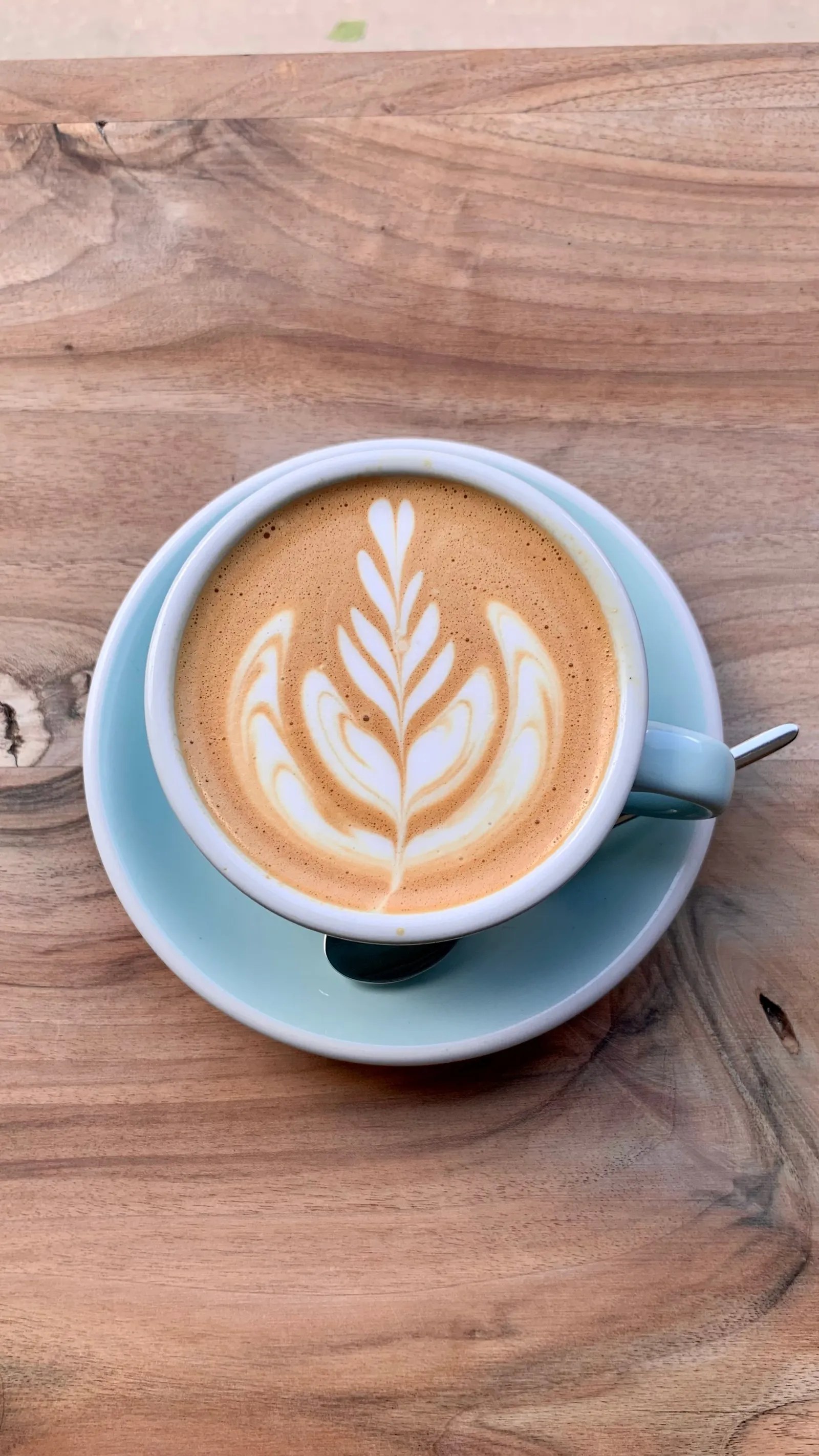
A barista course at your café teaches people to make good coffee on their own machine, and the people who buy it are home espresso owners, gift buyers and anyone thinking about café work. Run it before you open or after you close, keep the group to what your machine can serve, and sell it with seats, a waitlist and a certificate so it runs without a spreadsheet.

Who pays for a barista course?
Three kinds of people book a home barista course, and each wants something slightly different.
People with a new machine. Someone got an espresso machine as a present and every cup is sour or bitter. They want to make the coffee you make, at home, and they will pay for the morning that gets them there.
Gift buyers. A barista course is a present for someone who has everything except a decent flat white. That buyer is not the learner, which matters for how you sell it (more on that below).
People curious about café work. Some want a taste of the job before they apply anywhere. A course from a working café, with a certificate at the end, means more to them than a video.
Write your course page for the first group, because they are the largest and the easiest to please. Say plainly that it is for people who want better coffee at home, and the other two groups will find it anyway.
What should a one-day home barista course cover?
Cover the six things that decide whether the coffee at home is any good, in the order the learner will meet them on their own counter.
- Beans: what fresh means, how to read a roast date, how to store a bag once it is open.
- Grind, dose and tamp: why grind size is the setting that matters most, and how to change one thing at a time.
- The shot: pulling, timing and tasting, so the learner can tell sour from bitter and knows which way to adjust.
- Milk: steaming for texture rather than heat, and pouring a simple heart once the milk is right.
- Cleaning: a two-minute routine for after each use and a longer one for the weekend, because a dirty machine ruins good beans.
- Choosing beans: a short tasting of two or three of your coffees, so they leave knowing what they like.
Hand out a one-page sheet at the end with the steps, the grind setting that worked on the day and a short list of faults and fixes: sour means finer or longer, bitter means coarser or shorter, thin milk means the wand was too deep. That sheet is what they will reach for on Monday morning.
Let each person pull and taste as many shots as the time allows. Learning espresso is repetition, and the learner who has made twenty bad shots and three good ones goes home able to fix the next bad one.
How many people can you teach on one machine?
The group size is set by the number of group heads and grinders, not the room. With one commercial machine, a small group can take turns while the others steam milk or taste. With a second machine, or a home-style machine on the side, you can double the hands-on time.
A home-style machine on the bench is worth the trouble. Learners will go home to a single-group machine with a small steam wand, and seeing the same steps on that kind of machine is what makes the lesson stick.
Set the seats on the course at the number that gets everyone enough shots, and keep a waitlist for the rest.
Should you run it before opening or after close?
Both work, and the choice comes down to your service. A morning course before opening suits a café that opens late at the weekend: the machine is clean, the team is fresh, and learners can stay for breakfast afterwards. An evening course after close suits a café that shuts mid-afternoon on weekdays, when the machine is already warm and the counter is quiet.
If you are not sure which suits your customers, run one of each in your first month and see which fills first. Weekend mornings tend to draw gift buyers and couples; weekday evenings tend to draw people who have recently bought a machine and want answers before the weekend. Whichever fills, keep that slot and make it a regular date.
Avoid running a course alongside service. The machine is the bottleneck, and a queue of customers watching learners pull shots is a bad morning for everyone.
Leave time for cleaning down before the next service. The learners can help with the first part, which is also the cleaning lesson.
How do you take bookings and hand out certificates?
Mosey Courses holds the seats, the waitlist and the certificate. Switch on Courses in your dashboard and choose how the course is delivered.
In person only. Add a session with the date, the address, the number of seats and a note on what to bring (their own beans, if you want to taste them). Learners find it on the Mosey Jobs website, pay by card and book.
Hybrid. Put short video or text lessons online for before the day: how to read a roast date, what a grinder does. Then the in-person session is all hands-on time. A hybrid learner finishes when the online lessons and quizzes are done and every date is attended.
On the day, show the check-in code and learners scan it as they arrive, or you mark them present by hand. When they finish, Mosey issues a certificate with your café's name, a number anyone can check online and a PDF. Be clear on the course page that it is a certificate of completion from your café, not a trade qualification. The courses page shows the full flow.
Each learner books with their own account. The same course can train your own new starters. Under Staff training in your dashboard, assign it to a person with a due date and follow their progress beside everyone else's; assigning a course to your own staff is charged at a published per-person rate. A new barista who has done the course you sell to the public pours the same coffee as the rest of the counter.
For the gift buyer, a gift voucher or an event ticket they can pass on is the cleaner sale.
How do you price a barista course?
Cost a seat first: the milk and beans used (more than you expect, because learners pour plenty away), the trainer's paid hours including set-up and cleaning, a bag of beans to take home if you include one, and the fees. Then add the margin for giving up the machine for the morning.
There is no monthly fee for Courses on Mosey. A paid course carries Mosey's published buyer fee and business commission, and the learner sees a flat booking fee at checkout; the pricing page lists each one. Money goes to your own Stripe account. The class pricing guide works through the sums for any class.
How do you turn learners into bean customers?
A learner who leaves your course able to make good coffee at home needs beans every few weeks, and you are the roaster or the café they trust. That is the real income from the course.
Sell the beans they tasted, by the bag, for collection through Order Ahead. Mosey's commission on a collection order is 1.5%. If you want a monthly order rather than an occasional one, a coffee subscription turns a learner into a member.
Hand everyone a card with the grind setting that worked on the day and the name of the bean. A monthly coffee cupping gives the same learners a reason to come back and taste the next coffee. When the bag runs out, they know where to get another.
What does it take to put your first course on sale?
One date, one machine, one set of notes and a course page that says who it is for. Publish it, tell your regulars at the counter, and watch who books: if the first course fills with gift buyers, plan the next one around the Christmas and birthday trade.
Your next job is writing that course page. Host your business on Mosey, free to list, switch on Courses and publish your first barista course: Host on Mosey. For more on running the café side, read software for cafés and coffee shops.
More in the guides for food businesses.
This guide is general information, not legal, tax or financial advice. Rules change and depend on your business and where it is, so check the current rule with the official body named in the guide and take advice from a solicitor or accountant in your area before you act.
Questions
Common questions
Is a barista course certificate a recognised qualification?
It is a certificate of completion from your café, with a number anyone can check online and a PDF. Say on the course page that it is not a trade qualification, so nobody books expecting one.
Can I put part of the course online?
Yes. A hybrid course has online lessons and quizzes plus an in-person session. The learner finishes when the online part is done and every date is attended, so the day itself can be all hands-on time.
How do gift buyers book a barista course for someone else?
Each learner books a course seat with their own account, so a gift is easier as a gift voucher or an event ticket the buyer can pass on. The person who receives it then uses it.
When is the best time to run a barista course?
Before you open or after you close, never alongside service. The machine is the bottleneck, and learners need time on it without customers waiting. Leave time to clean down before the next service.
What does Mosey charge on a paid barista course?
There is no monthly fee. A paid course carries Mosey's published buyer fee and business commission, and the learner sees a flat booking fee at checkout. A free course has no fee, and the pricing page shows the figures.
More like this
Read next
A hotel restaurant that locals use too
A hotel dining room earns local trade when it acts like a restaurant of its own. Here is why locals stay away, how to set the dining room up on Mosey beside your hotel, and which offers fill it.
An alcohol-free drinks menu that still makes margin
More guests are drinking less, in January and the rest of the year. Here is how to cost, price, name and sell an alcohol-free menu so it earns as well as the wine list, with the Irish VAT and offer rules checked.
A pub that does food: making the kitchen pay
A pub kitchen pays when its gross profit covers its own wages and running costs. Here is how to count it, which services to fill, what the alcohol rules say and how Mosey fits.
Auto-enrolment pension for Irish restaurants and cafés: what you pay and do
Since 1 January 2026 an Irish employer matches the pension contribution of each eligible employee. Here is who counts, what it costs on a wage bill, the payroll steps and what staff can opt out of.
Get started
Host your business on Mosey. It is free to claim.
Free to list, no set-up fee, and Order Ahead is 1.5% commission when you start taking orders.