
For businesses
Energy costs for Irish restaurants in 2026: what has changed and what you can do
Mosey · 15 November 2026 · 5 min read
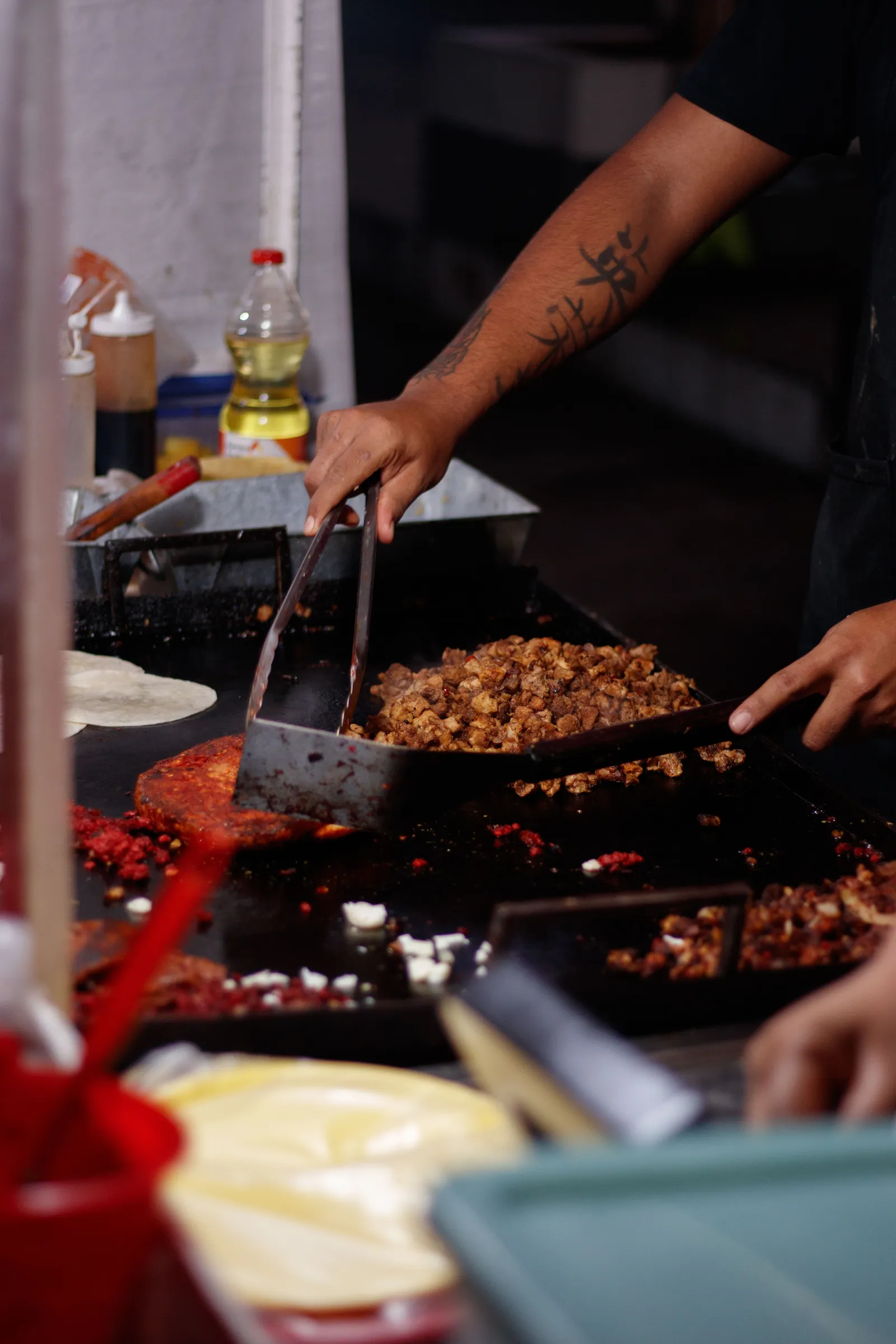
Electricity costs for Irish hospitality businesses rose by 61.7% between July 2023 and July 2026, and overall energy prices by 48.8%, according to research by a Dublin City University economist for the Drinks Industry Group of Ireland, reported by RTÉ, against a general consumer price rise of 7.5% over the same period. A food business can cut its own use by a meaningful amount, and a few decisions on contracts can limit the damage.

What is driving energy costs in 2026?
A business bill follows what its supplier pays for power and what it charges you, so the rise reaches you through your contract. A business that is on a variable rate feels a move first; one on a fixed contract feels it when the contract ends.
What changed on 1 October 2026?
The Commission for Regulation of Utilities (CRU) approved the 2026/27 Public Service Obligation (PSO) levy at €41.48 million, down from €125.38 million for 2025/26, with monthly PSO charges falling by 66% across all customer categories from 1 October 2026. The CRU gives the monthly charge for small commercial customers as €1.93. Network charges for 1 October 2026 to 30 September 2027 were also set in the same decision, so the net effect on your bill depends on your size and contract. Look at the line items on your next bill rather than assuming a saving.
What is in a commercial electricity bill?
- Unit rate, per kilowatt hour, often with a day rate and a night rate.
- Standing charge, a fixed amount per period.
- Capacity charge, linked to the size of your connection.
- PSO levy, a fixed monthly charge.
- Network charges, for the poles and wires.
- Carbon tax and VAT, where they apply.
Ask your supplier for a plain summary of each line. A supplier that cannot explain your bill is a reason to compare.
Where does a restaurant use the most energy?
In a typical food business the big users are the kitchen (ovens, fryers, grills and extraction), refrigeration, hot water and heating or cooling. Lighting and small equipment matter less. A walk-round at closing time often finds equipment running with no one using it. Ask your head cook to list everything that is on after the last service.
Which savings cost nothing?
- Switch off at the end of the night. Fryers, grills, extractors, heated displays and the dishwasher's booster heater.
- Preheat later and for less time. Many ovens are on well before they are needed.
- Keep fridge and freezer doors shut, and check seals.
- Defrost and clean coils on refrigeration, which then runs more efficiently.
- Use lids and the right pan size. Heat is wasted when a small pan sits on a large ring.
- Review opening hours. If you keep a heated room open for two customers at 3 p.m., ask whether it pays.
Cutting food waste also saves energy, since every dish thrown away was cooked and kept cold with power.
Which upgrades pay back?
Replace equipment when it fails with the more efficient option, not the cheapest. Consider LED lighting, efficient refrigeration, induction cooking and heat recovery on dishwashers and extraction, but price them against your actual usage. The Sustainable Energy Authority of Ireland (SEAI) is the national energy agency, and any supports for businesses change over time, so check its website before you buy.
How should you handle your contract?
Find out when your contract ends and what notice you must give. Compare offers from several suppliers, and ask for the unit rate, standing charge and any exit fees in writing. Fixed rates give certainty but can lock you in at a high price; variable rates move with the market. Get a smart meter reading if you can, because half-hourly data shows when you use power. Do not sign under pressure from a phone call.
What if the bill still hurts?
Talk to your supplier before you fall behind. Ask about payment plans. Include energy in your cash flow plan as a line you review every month. If you must raise prices, tell customers why, and consider using the menu price calculator to see the effect.
What should you ask your supplier about the October changes?
Ask three questions in writing. First, how the lower PSO levy and the network charges that apply from 1 October appear on your bill, line by line. Second, whether your unit rate or standing charge changed on 1 October, and whether your contract allows it. Third, what your options are if you want to move to a fixed rate or a time-of-use tariff. Keep the replies with your contract. A supplier that answers clearly is easier to plan with, and a supplier that does not is a reason to compare quotes.
Do you want more customers in the same hours you are already paying to heat?
An empty room costs as much to light and warm as a full one. Mosey is a food discovery app where diners search by dish and mood and rate what they ate, and Host on Mosey helps a good kitchen be found in the hours that matter. Nobody can pay to outrank you there, because Mosey Gold is earned from ratings alone, and the 90-day marketing plan shows where to start.
More guides for your business:
More in the guides for food businesses.
This guide is general information, not legal, tax or financial advice. Rules change and depend on your business and where it is, so check the current rule with the official body named in the guide and take advice from a solicitor or accountant in your area before you act.
Questions
Common questions
How much have hospitality electricity costs risen in Ireland?
Research by a Dublin City University economist for the Drinks Industry Group of Ireland, reported by RTÉ, found hospitality electricity costs up 61.7% between July 2023 and July 2026, with overall energy prices up 48.8%.
What happened to the PSO levy in October 2026?
The Commission for Regulation of Utilities approved a lower levy, with monthly PSO charges falling by 66% across all customer categories from 1 October 2026. Network charges for the year from the same date were set in the same decision.
What is the PSO levy for a small business?
It is a fixed monthly charge on your electricity bill. The CRU gives the monthly charge for small commercial customers as €1.93 from 1 October 2026.
What is the cheapest way to cut a restaurant energy bill?
Switch off equipment that is not in use, preheat later, keep refrigeration doors shut and seals sound, and review opening hours. These cost nothing to start.
Should I fix my electricity rate?
A fixed rate gives certainty but can lock in a high price. Compare offers in writing, check exit fees and note your contract end date.
More like this
Read next
A hotel restaurant that locals use too
A hotel dining room earns local trade when it acts like a restaurant of its own. Here is why locals stay away, how to set the dining room up on Mosey beside your hotel, and which offers fill it.
An alcohol-free drinks menu that still makes margin
More guests are drinking less, in January and the rest of the year. Here is how to cost, price, name and sell an alcohol-free menu so it earns as well as the wine list, with the Irish VAT and offer rules checked.
A pub that does food: making the kitchen pay
A pub kitchen pays when its gross profit covers its own wages and running costs. Here is how to count it, which services to fill, what the alcohol rules say and how Mosey fits.
Auto-enrolment pension for Irish restaurants and cafés: what you pay and do
Since 1 January 2026 an Irish employer matches the pension contribution of each eligible employee. Here is who counts, what it costs on a wage bill, the payroll steps and what staff can opt out of.
Get started
Host your business on Mosey. It is free to claim.
Free to list, no set-up fee, and Order Ahead is 1.5% commission when you start taking orders.