
How to
Quiet and sensory-friendly places to eat in Ireland
Mosey · 22 November 2026 · 11 min read
Last updated 22 November 2026
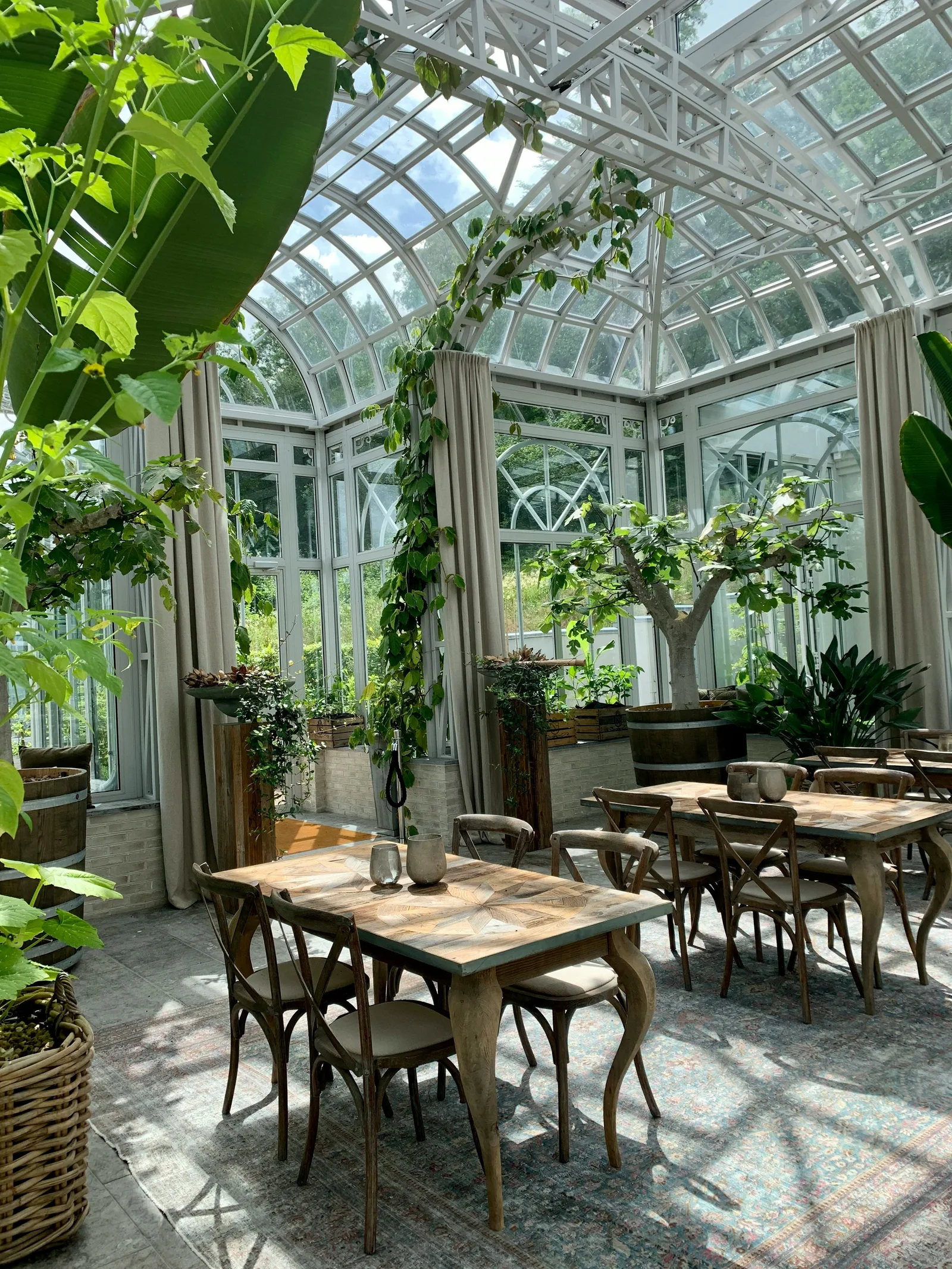
A quiet or sensory-friendly place to eat is one where the noise, light, smells and crowd are low enough to enjoy the meal, and where you know what will happen next. In Ireland you find one by choosing a calmer time, reading recent notes about the room and asking for what you need. On Mosey, the Quiet Atmosphere tag and the booking's table preferences box help.
This guide is for anyone who finds busy rooms draining: autistic people, people who are sensitive to noise or light, people with anxiety, people recovering from illness and parents of children who struggle with crowds. It is not a list of venues, because a room that is calm on a Tuesday morning can be loud on a Saturday night, and a list would go out of date. It is a method: what tends to overwhelm people, how to pick a time and a kind of place, how to check before you go, what to say when you book and what to do if the room is not what you hoped.
What makes a place quiet or sensory-friendly?
Nobody can measure the right level of noise for you, because what is comfortable differs from person to person. A useful way to think about it is that a meal asks your senses to cope with several things at once, and any of them can be the one that tips the evening.
- Sound. Music, kitchen noise, the clatter of plates, hand dryers, a table of people celebrating and a hard floor that makes everything bounce.
- Light. Bright overhead strips, flashing screens, candles that flicker and low light that makes a menu hard to read.
- Smell. Strong cooking smells, perfume, a smoky grill or a cleaning product at the door.
- People. A packed room, a queue, tables close together and strangers brushing past your chair.
- Waiting and surprise. Not knowing how long the wait is, a server who appears suddenly, a bill that takes a long time and a change to what you ordered.
A place is sensory-friendly when it keeps most of these low, or lets you control them. That can mean a quiet corner, music turned down, a table away from the kitchen, an order that arrives without a long wait and a staff member who does not mind a question. Some places do this deliberately and many do it by accident, which is why checking matters.
Which times and kinds of place tend to be calmer?
You cannot guarantee quiet, but you can improve your odds with some general patterns. Treat them as habits to try, not rules.
- Earlier in a service is usually calmer than the peak. A late morning or the start of an evening service often has fewer people than the middle of it. A lunch taken a little before or after the usual rush is easier than one at the busiest point.
- Weekdays are often calmer than weekends. Weekend evenings tend to bring groups, celebrations and music, though this varies by place and by town.
- Smaller rooms can be quieter than large ones, or louder. A small room with soft furnishings can feel hushed, and a small room with a hard floor and a full house can feel loud. Size alone does not tell you.
- Counter service can mean less waiting. Where you order at the counter and collect, you avoid a long wait for a server, though you may queue at the till.
- Outdoor seating can ease noise and crowds. The Outdoor seating tag on Mosey helps you find it, and weather and traffic noise are the trade-off.
- Festival weeks, match days and bank holiday weekends are busier. If a town is hosting a big event, check the organiser's page for this year's dates and choose a different day or a place away from the crowd.
Pubs deserve a mention, because many Irish pubs serve food. Some are quiet at lunchtime and loud in the evening, with live music at certain times, so ask when the music starts before you book a table.
How do you find a quiet place on Mosey?
Mosey has no decibel reading, so it will not tell you how loud a room is. What it has is what people who ate there said, which is often more useful. Four things help.
- The Quiet Atmosphere tag. When people rate a place on Mosey they can add a vibe tag, and Quiet Atmosphere is one of them. Filter for it in the map's filters and you see the places people have tagged that way. It is one person's view on one visit, so read it as a pointer and then check the recent notes.
- Do not confuse Quiet with Cosy. Cosy is a separate tag. A cosy room can be warm and small and also full of chatter, so a Cosy tag does not mean quiet.
- Quiet Enough to Work. When a place is rated for working, people can say whether it was a quiet space. That is about getting work done in a café, and it is a useful hint for a calm daytime room, but it is a different question from whether the room suits a sensory need.
- Rating notes and photographs. The words beside a rating often say what a tag cannot: "music was low", "very busy at the weekend", "lovely staff who turned the music down when we asked". Photographs show the lighting, the spacing of tables and the floor, so look at the background as well as the dish. Our guide to finding restaurants with the right atmosphere in Ireland shows how to read the room before you book.
The ranked lists show what people rate highly across the country, and they are earned from ratings alone. A ranking is about the food. Use it to find a dish you want, then use the tags and notes to decide whether the room will suit you.
What can you say in a booking to ask for a calmer table?
Where a place takes bookings on Mosey, you can ask in advance, and for many people this is a very useful step. A table chosen with care is better than one handed out on arrival.
The booking form has optional boxes. Three matter here:
- Table preferences (optional). The example in the app is a quiet table, outdoor seating, near the window or a booth. Use it for where you want to sit: away from the kitchen and the door, in a corner, with your back to the wall so you can see the room.
- Special requests (optional). Use it for anything about the experience. For example, "we would like to be seated promptly and have the bill brought when we ask".
- Accessibility needs (optional). If a sensory need is part of how you eat out, you can say so here in your own words, such as "my son finds loud music very hard, so a table away from the speakers would help".
You decide how much to share. You do not have to give a reason or a diagnosis, and a plain request is enough: "a quiet table, please, and music turned down if possible". The place sees what you write with your booking.
A request like this is something the restaurant will try to do, and it may not always be possible, especially on a busy night. If it matters a great deal, ring the day before and ask. A restaurant that cannot offer a quiet table can sometimes suggest a quieter time, which is also useful.
Our guide to booking a table and managing your bookings walks through the booking steps in the app.
How can you know what you will eat before you arrive?
Uncertainty is tiring in itself. Not knowing what is on the menu, what the portion looks like or how long it will take can make a meal harder before you reach the table. Mosey helps you remove some of that.
- Look at the dishes first. People on Mosey rate by the dish and add photographs, so you can see what a plate really looks like and read what people said about it. You can decide what you want before you leave home.
- Choose your food before you arrive. Where a place offers it, you can pick dishes after you book, and the restaurant knows what you would like. It is a preference for the kitchen and not a payment, and the choose your food before you arrive feature page explains how it works.
- Order ahead for collection. Where a place offers order ahead, you can order on your phone and collect when it is ready, and eat somewhere you control, such as a park bench or your own table. See how ordering ahead works.
- Check allergens and ingredients. The Hide dishes that list filter works from the allergens a dish declares, and a dish with nothing listed means allergens are not listed, so ask the place. Our guide to checking allergen information before you order explains this.
- Look at the map's Open now layer. It shows places whose listed hours say they are open at the moment. Listings can be out of date, so check the hours before you travel.
Choosing what you will order in advance means that the part of the meal that needs a quick decision is already done.
What should you ask the place?
A short conversation by phone or message can settle many questions. Ask what you want to know, and keep it short. Staff are usually glad to be asked, because it helps them look after you.
- "Is there a quieter part of the room, and can we sit there?"
- "Can the music be turned down, or is there a time when it is lower?"
- "When is the room busiest, and when is it calmest?"
- "Is the lighting bright or dim, and is there a table with softer light?"
- "How long does the food usually take, and can we order straight away?"
- "Can we have the bill brought when we ask, so we are not waiting?"
- "Is there a place to step outside or have a break if we need one?"
You do not need to ask all of them. Pick the few that matter most to you.
How do you plan the visit to cut down on surprises?
A little planning moves the hard decisions out of the moment. These steps help many people.
- Choose the time deliberately. Book a slot before the room fills, or a time when you know it tends to be calmer.
- Look at the room beforehand. Photographs on the listing show you the layout, the lighting and where the tables sit, so nothing is a surprise at the door.
- Plan how you arrive. Know where you will park or be dropped off, and give yourself time, so you are not rushed at the door.
- Pick the seat. If you can, take the seat that faces the room, or the one against a wall, if that helps you feel settled. Ask the host before you sit.
- Bring what helps. Headphones, ear defenders, sunglasses, a fidget item or a familiar snack are all fine to have with you.
- Agree a signal. With friends or family, agree a word that means "I need a break", so nobody has to explain mid-meal.
- Know your exit. Choose a table where leaving is easy, and settle before you sit what you will do if it gets too much.
AsIAm, which describes itself as Ireland's autism charity, publishes advice and resources, and it is a good place to read more about what helps.
What if the room is louder than you hoped?
It happens, even with good planning. Music gets turned up, a party arrives or the room fills faster than expected. You have options.
- Ask for a change. Say politely that the noise is a lot and ask whether there is another table or whether the music can be lowered. Many places will try.
- Step outside for a few minutes. A break and some air can reset the evening.
- Move to takeaway. If you have not yet ordered, or you are still waiting, ask whether your food can be packed to take away, and eat it somewhere calmer.
- Leave without guilt. You are not obliged to stay. A kind word to the staff and a small apology if you have ordered is enough.
- Leave an honest note. When you are ready, rate the place and say what the room was like on the day, for example "loud on a Friday evening, quiet at lunch". Your note helps the next person decide when to go. Keep it to the facts and name no one.
How do you keep a list of places that suit you?
The result worth having is a list of places that have worked, so you do not start from nothing every time.
- Rate each place after you visit. Add the Quiet Atmosphere tag if it fits, and write a short note about the time you went and what the room was like.
- Save the good ones to a private list. A list called something like "calm lunches" or "quiet Sunday dinners" is easy to open when you are tired. Our guide to making and sharing a list of places shows the steps, and if you share one, send each person their own invite link, because each link works once, for one person.
- Note the time as well as the place. A place may be calm at one time and loud at another, so a line such as "best at lunch on weekdays" is worth more than a star.
- Follow people who eat the way you do. Their picks show on your map as Friends' picks.
- Use the food guides. Our food guides cover choosing a place, booking and ordering ahead, and our guide to accessible restaurants in Ireland covers the physical side: steps, space and toilets.
Questions
Common questions
How do I find a quiet restaurant in Ireland?
Choose a calmer time, such as earlier in a service or midweek, and look for places people have tagged Quiet Atmosphere on Mosey. Read the recent rating notes for comments on noise, look at photographs of the room and, where a place takes bookings on Mosey, ask for a quiet table in the booking.
What does sensory-friendly mean for a restaurant or cafe?
It means the noise, light, smells and crowd are kept low enough to be comfortable, or that you can control them, and that you know what to expect. It can be a quiet corner, lower music, softer light and a short wait. Ask the place what it can offer, because there is no single standard.
What is the Quiet Atmosphere tag on Mosey?
Quiet Atmosphere is a vibe tag people add when they rate a place. Filter for it on the map to see places people have tagged that way. It is one person's view of one visit, not a measurement, so check recent notes and ask the place, and do not confuse it with Cosy, which is a different tag.
Can I ask for a quiet table when I book on Mosey?
Yes, where a place takes bookings on Mosey. The booking form has an optional Table preferences box, where you can ask for a quiet table, and a Special requests box for anything else. The place sees what you write. If it matters a great deal, ring the day before to confirm.
When are restaurants and cafes usually calmer?
Often earlier in a service, midweek and in the gap between meals, though it varies by place and by town. Weekend evenings, match days, festival weeks and bank holiday weekends tend to be busier. Check the room's recent ratings and ask when the place is quietest.
How can I reduce waiting and surprises when eating out?
Look at dish photographs first, pick your dishes before you go, and where a place offers it, choose your food before you arrive or order ahead for collection. Book a time when the room is calmer, and ask for the bill when you are ready so you are not left waiting.
What should I do if a restaurant is too loud once I am there?
Ask politely for another table or for the music to be lowered, step outside for a break, or ask for your food to be packed to take away. You do not have to stay. Afterwards you can leave a factual rating note about the noise on the day, so others know when to go.
More like this
Read next
Daily food games: Origin and Ingredient explained
Origin and Ingredient are free daily food puzzles. How each one works, how streaks and friends' leagues work, and how to share a result without a spoiler.
Food quiz questions for a pub quiz, with answers
A ready-to-read food round for a pub quiz: thirty-two questions with answers, in four rounds, plus how to run, score and settle it.
Accessible restaurants in Ireland: what to check before you book
A guide to finding accessible restaurants in Ireland: what to check at the door, the table and the toilet, what to ask before you book, and what a tag can and cannot tell you.
Eating out when you are pregnant in Ireland: what to ask about
A guide to the questions to put to a kitchen when you are pregnant in Ireland, using the HSE and HPSC lists of foods to avoid or take care with.