
How to
Eating out when you are pregnant in Ireland: what to ask about
Mosey · 22 November 2026 · 11 min read
Last updated 22 November 2026
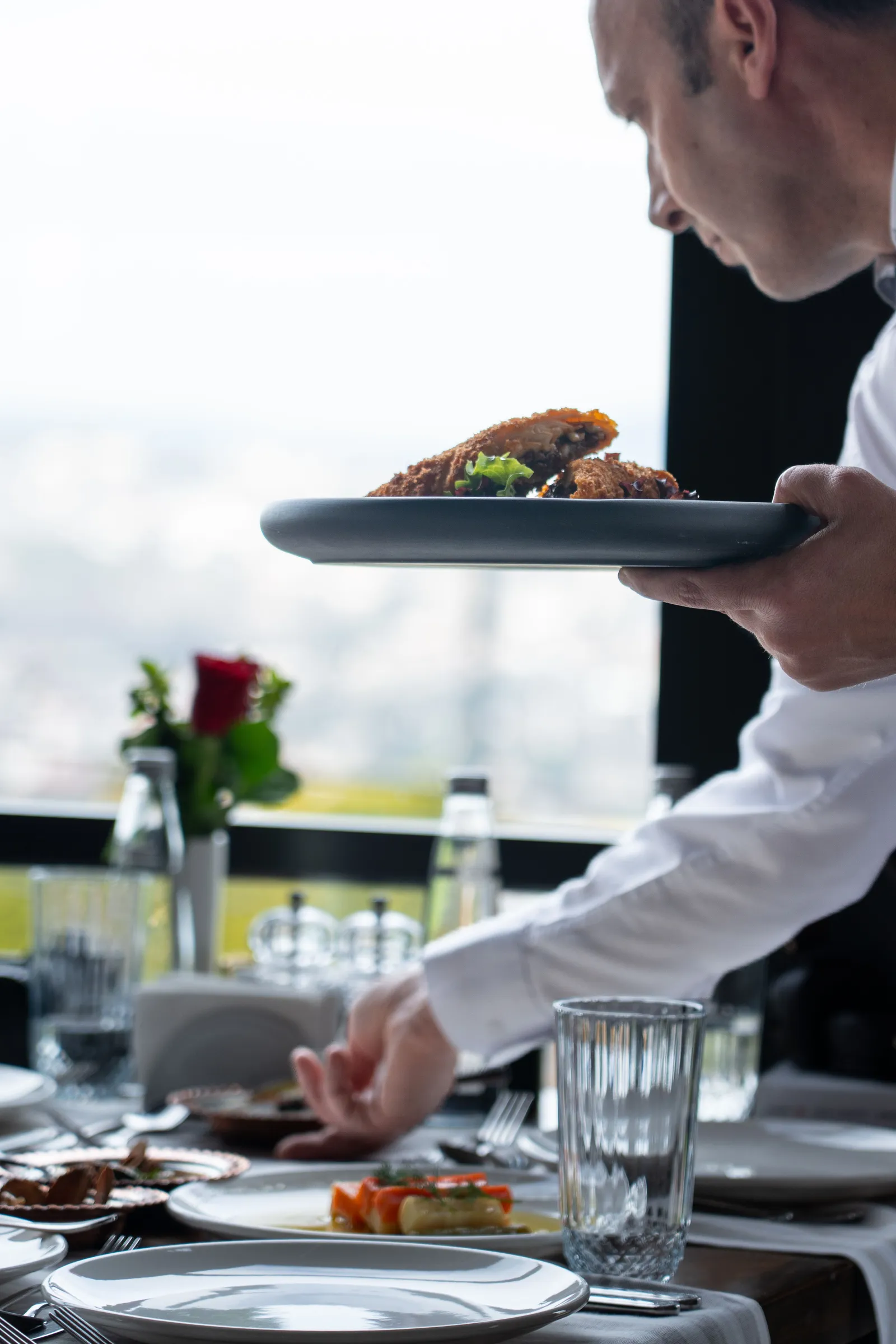
When you are pregnant and eating out in Ireland, ask how a dish is made, not only what is in it: whether the cheese is pasteurised, whether eggs, meat and fish are fully cooked, and whether it comes from a deli counter or salad bar. The Health Service Executive (HSE) lists the foods to avoid or take care with; this guide turns that list into questions.
It follows the official line from the HSE and the Health Protection Surveillance Centre (HPSC), and goes no further. It is not medical advice. For anything that depends on your own health, your pregnancy or your diet, ask your GP or midwife.
Whose advice does this page follow?
Only the public health bodies' own. The HSE publishes a page on what to avoid in pregnancy and another on listeriosis. The HPSC publishes advice on listeria for pregnant women, and both point to safefood for more on food safety. Their pages are the place to check the detail, and they change, so read the current version rather than relying on a guide like this one.
Three things follow from that:
- This page lists what the HSE lists, in the HSE's own terms, and shows how to ask a kitchen about each.
- It does not add to the list or take anything off it. If you wonder about a food that is not here, the HSE page, your GP or your midwife can answer.
- It does not clear a dish or a place for you. Nobody can do that from a menu, and Mosey does not either. What it can do is help you ask the right question.
What does the HSE say to avoid or take care with in pregnancy?
The HSE says some foods might make you ill or harm your baby, and lists them on its "What to avoid" page. In its words, they include:
- unpasteurised dairy, meaning milk and cheese
- soft-serve ice cream, such as a '99'
- mould-ripened cheeses such as brie and camembert, and blue cheeses such as gorgonzola and roquefort
- foods made with raw or undercooked eggs, such as homemade mayonnaise
- raw or undercooked meat
- cold cured meats such as salami, parma ham, chorizo and pepperoni
- liver, including liver sausage, haggis and pâté that contains liver
- some fish: shark, swordfish and marlin, and a limit on tuna
- raw or smoked fish, including sushi
- shellfish such as clams, oysters, scallops, prawns and mussels, where the HSE says the risk is highest if they are pre-cooked
The HSE adds that you should check the label to see if food is pasteurised, because products that are not pasteurised or are mould-ripened may contain bacteria such as listeria, which can be dangerous for your baby.
It also tells you how to avoid food poisoning at home and out: make sure meat, poultry, seafood and eggs are cooked thoroughly, and avoid deli counters, because the food hygiene may be compromised. The HSE gives a limit for tuna and a daily limit for caffeine, and this page leaves the figures to its page.
What should you ask about cheese, dairy and ice cream?
Cheese is where many menus need a question, because the word on the menu rarely says whether the milk was pasteurised or how the cheese was made.
- "Is the cheese pasteurised?" The HSE tells you to avoid unpasteurised milk and cheese, so this is the first question for any cheese on a board, in a salad or on a plate.
- "Is it a soft, mould-ripened or blue cheese?" The HSE names brie, camembert and blue cheeses such as gorgonzola and roquefort. The HSE's listeriosis page says some soft cheeses, including brie and camembert, should be avoided unless cooked until steaming hot.
- "Is it cooked right through?" The HSE's wording is "unless cooked until steaming hot", so ask whether a cooked cheese dish is steaming hot all the way through.
- "What is in the dressing, the sauce and the dip?" Check for cheese and for unpasteurised milk or cream.
- "Is the ice cream soft-serve?" The HSE lists soft-serve ice cream, such as a '99', among the foods to avoid.
- Smoothies and milkshakes. The HPSC says to avoid drinks that use raw milk, including smoothies, so ask what the milk is.
Dairy is also a place where allergy and pregnancy questions get mixed up. A dish that lists milk for allergy purposes does not tell you whether the milk was pasteurised, so the allergen line and the pregnancy question are separate.
What should you ask about eggs, meat and fish?
Here the question is almost always "how is it cooked?".
- Eggs. The HSE lists foods made with raw or undercooked eggs, and gives homemade mayonnaise as an example. Ask whether the mayonnaise, aioli, dressings, desserts and sauces on the menu are made with raw or undercooked egg, and how the eggs on a plate are cooked. The HSE says to cook eggs thoroughly.
- Meat. The HSE lists raw or undercooked meat, so ask how a burger, a steak or a sausage will be cooked, and whether you can have it cooked through. The HSE also lists cold cured meats such as salami, parma ham, chorizo and pepperoni, so ask what is on a charcuterie plate or a pizza topping.
- Liver, pâté and haggis. The HSE lists liver, including liver sausage, haggis and pâté that contains liver. Its listeriosis page says to avoid all types of pâté, including vegetable pâté, so ask what is in any pâté, parfait or terrine.
- Fish. The HSE lists raw or smoked fish, including sushi, and shark, swordfish and marlin, with a limit on tuna. Its listeriosis page says to avoid ready-to-eat cold-smoked or cured fish, such as smoked salmon or gravlax, unless it is cooked until steaming hot. Ask what is in a sushi roll, a chowder, a starter or a topping.
- Shellfish. The HSE names clams, oysters, scallops, prawns and mussels, with the risk highest if they are pre-cooked. The HPSC adds ready-to-eat cooked crustacean meat such as crabmeat, lobster and prawn. Ask whether a shellfish dish is cooked to order or served chilled.
A kitchen that is used to the question will answer quickly and specifically. A vague answer is a reason to choose another dish.
What about deli counters, salad bars and sandwiches?
This is the part of the HSE and HPSC advice that surprises people, because the foods are ordinary. The HPSC's advice on listeria for pregnant women names:
- ready-to-eat cooked meats and meat products
- ready-to-heat meals
- raw or smoked ready-to-eat fish such as smoked salmon, smoked mackerel and sushi
- ready-to-eat cooked crustacean meat
- ready prepared pre-packed chopped salads, including leaves and coleslaw
- prepared salad items loose from a salad bar or deli, such as coleslaw and potato salad
- custom-made sandwiches from a sandwich bar or deli
It explains that the foods of most concern are those that need no further cooking or reheating, such as chilled ready-to-eat foods. The HSE tells you to avoid deli counters because the hygiene may be compromised, and its listeriosis page says to cook or reheat food until it is steaming hot right through.
On a menu, that turns into questions: Is the sandwich made to order, and what is in it? Is the salad prepared in the kitchen or taken from a tub? Is the soup, stew or curry reheated until steaming hot? How long has it been sitting out? If you are out for a quick lunch, a hot meal cooked to order is an easier thing to ask about than a chilled counter.
What about drinks, alcohol and caffeine?
The HSE says there is no safe time to drink alcohol when you are pregnant, so the question at the bar is about what else is on offer. The HSE also says to limit caffeine to a daily amount, which it gives on its page. Coffee, tea, cola and energy drinks all count, so a café order is worth a thought.
Questions to ask:
- What non-alcoholic drinks do you have, apart from soft drinks?
- Is that drink made with raw or unpasteurised milk, as in a smoothie or a milkshake?
- Do you have a non-alcoholic version of the drink at the table?
On Mosey, Non-Alcoholic Options is one of the drinks tags, so you can look for places that people have tagged for it. It is a tag set by people, not a promise about a menu, so read the drinks list for yourself. For more on ordering without alcohol, our guide to eating out in Ireland without alcohol covers the ground.
How do you ask without making a fuss?
You are the customer, and the questions are routine for a kitchen. These make them easier on both sides.
- Say it when you book. "One of us is pregnant, so we will be asking how a few dishes are made." It gives the kitchen a minute to plan. Where a place takes bookings on Mosey, put it in the Other dietary needs box on the booking.
- Ask early, not after the food arrives. Ask while you are choosing, and ask the person who will pass it to the kitchen.
- Ask about the cooking, not the ingredients. "How is the steak cooked?" and "Is the cheese pasteurised?" get a better answer than "Is this OK for me?".
- Ask the same question for each dish you are considering. It makes you feel less awkward, and the answers are easier to compare.
- If the answer is vague, choose something else. You do not need to justify it.
If you are eating with other people, tell them in advance, so the choice of place works for you and nobody orders a shared platter you cannot eat from.
How does Mosey help when you are pregnant and eating out?
Mosey cannot tell you what to eat, and it makes no pregnancy claim about any dish or place. What it does is help you find places and dishes and keep what you learn.
- Read recent ratings by the dish. On Mosey you rate what you ate, with a photograph and a note, so you can see how a dish is served. A photograph shows what arrived, not how it was cooked or whether the cheese was pasteurised, so it never replaces the question. Our guide to rating by the dish shows how.
- Look for the drinks tag. Non-Alcoholic Options, described above, is there for the drinks side.
- Put a note on the booking. Where a place takes bookings on Mosey, add a line in the Other dietary needs box that you are pregnant and will be asking about how dishes are made. See our guide to reservations.
- Keep your own short list. When a kitchen answers your questions well, rate the dish and save the place to a private list with a note on what you ordered. It becomes a list of places you do not have to think about next time. You can share it with a friend by sending an invite link, and each link works once, for one person.
- Follow friends who have been through it. Their picks show on your map as Friends' picks, so a recommendation from someone you trust is in front of you.
- Allergen listings are a different tool. A place's allergen listing says which allergens a dish contains. It does not say whether an egg is raw or a cheese is pasteurised, so it does not answer a pregnancy question. If you also have an allergy, say so as well.
What if you have already eaten something on the list?
Do not panic. The HSE's page on listeriosis says that these foods do not always contain listeria, and that if you have eaten them recently you do not need to do anything unless you get symptoms of the infection. It adds that you should ask for an urgent GP appointment if you are pregnant and think you have listeriosis, and that you can also call your midwife for advice. The HPSC says that if you have any concerns about symptoms, or suspect you have eaten contaminated food, you should contact your GP or healthcare provider.
So the plan is short. If you feel unwell, or are worried about something you ate, contact your GP or your midwife. They know your pregnancy, and this page does not.
Where do you start?
Before your next meal out, read the HSE's "What to avoid" page yourself, so you are working from the current official list. Then pick a place, check the menu in advance, put a line in the booking note, and ask the questions above about the dishes you like the look of. Rate what you ate on Mosey, save the places that answered well, and talk to your GP or midwife about anything that is particular to you.
For more help choosing, our food guides cover Ireland's cities and occasions, and the ranked lists show what people rate across the country.
Questions
Common questions
What should I ask about when eating out pregnant in Ireland?
Ask how a dish is made: whether the cheese is pasteurised, whether eggs, meat and fish are cooked right through, and whether food is from a deli counter or salad bar. The HSE lists the foods to avoid or take care with. For anything personal, ask your GP or midwife.
Which cheeses does the HSE say to avoid in pregnancy?
The HSE says to avoid unpasteurised cheese, mould-ripened cheeses such as brie and camembert, and blue cheeses such as gorgonzola and roquefort. Its listeriosis page says some soft cheeses should be avoided unless cooked until steaming hot. Check the label or ask if a cheese is pasteurised.
Does the HSE say to avoid pâté when pregnant?
The HSE lists liver, including pâté that contains liver, and its listeriosis page says to avoid all types of pâté, including vegetable pâté. On a menu, ask what is in any pâté, parfait or terrine, and ask your GP or midwife if you are unsure.
Can I eat sushi or smoked salmon when pregnant?
The HSE lists raw or smoked fish, including sushi, among the foods to avoid, and says ready-to-eat cold-smoked or cured fish such as smoked salmon should be avoided unless cooked until steaming hot. Ask what is in a dish and how it is prepared.
Why does the HSE say to avoid deli counters?
The HSE says the food hygiene at deli counters may be compromised. The HPSC also names prepared salad items loose from a salad bar or deli, and custom-made sandwiches from a sandwich bar or deli, among foods of concern. Ask how a sandwich or salad is made.
Is it OK to drink alcohol or coffee when pregnant?
The HSE says there is no safe time to drink alcohol when you are pregnant, and gives a daily limit for caffeine on its page. Ask for a non-alcoholic option. On Mosey, Non-Alcoholic Options is a drinks tag. Check the details with your GP or midwife.
What if I ate something on the list by mistake?
The HSE says these foods do not always contain listeria, and that if you have eaten them recently you do not need to do anything unless you get symptoms. If you are worried, or feel unwell, contact your GP or your midwife.
Can Mosey tell me which dishes are right for me in pregnancy?
No. Mosey makes no pregnancy claim about any dish or place. You can read ratings and photographs by the dish, add a note to a booking, keep a private list and look for the Non-Alcoholic Options tag. Always ask the kitchen, and ask your GP or midwife about your own case.
More like this
Read next
Daily food games: Origin and Ingredient explained
Origin and Ingredient are free daily food puzzles. How each one works, how streaks and friends' leagues work, and how to share a result without a spoiler.
Food quiz questions for a pub quiz, with answers
A ready-to-read food round for a pub quiz: thirty-two questions with answers, in four rounds, plus how to run, score and settle it.
Quiet and sensory-friendly places to eat in Ireland
How to find a quiet restaurant or a sensory-friendly cafe in Ireland: what overwhelms people, when rooms are calmer, what to ask and how to plan a meal with fewer surprises.
Accessible restaurants in Ireland: what to check before you book
A guide to finding accessible restaurants in Ireland: what to check at the door, the table and the toilet, what to ask before you book, and what a tag can and cannot tell you.