
How to
Eating at the Ploughing: what to expect and how to plan
Mosey · 22 November 2026 · 11 min read
Last updated 22 November 2026
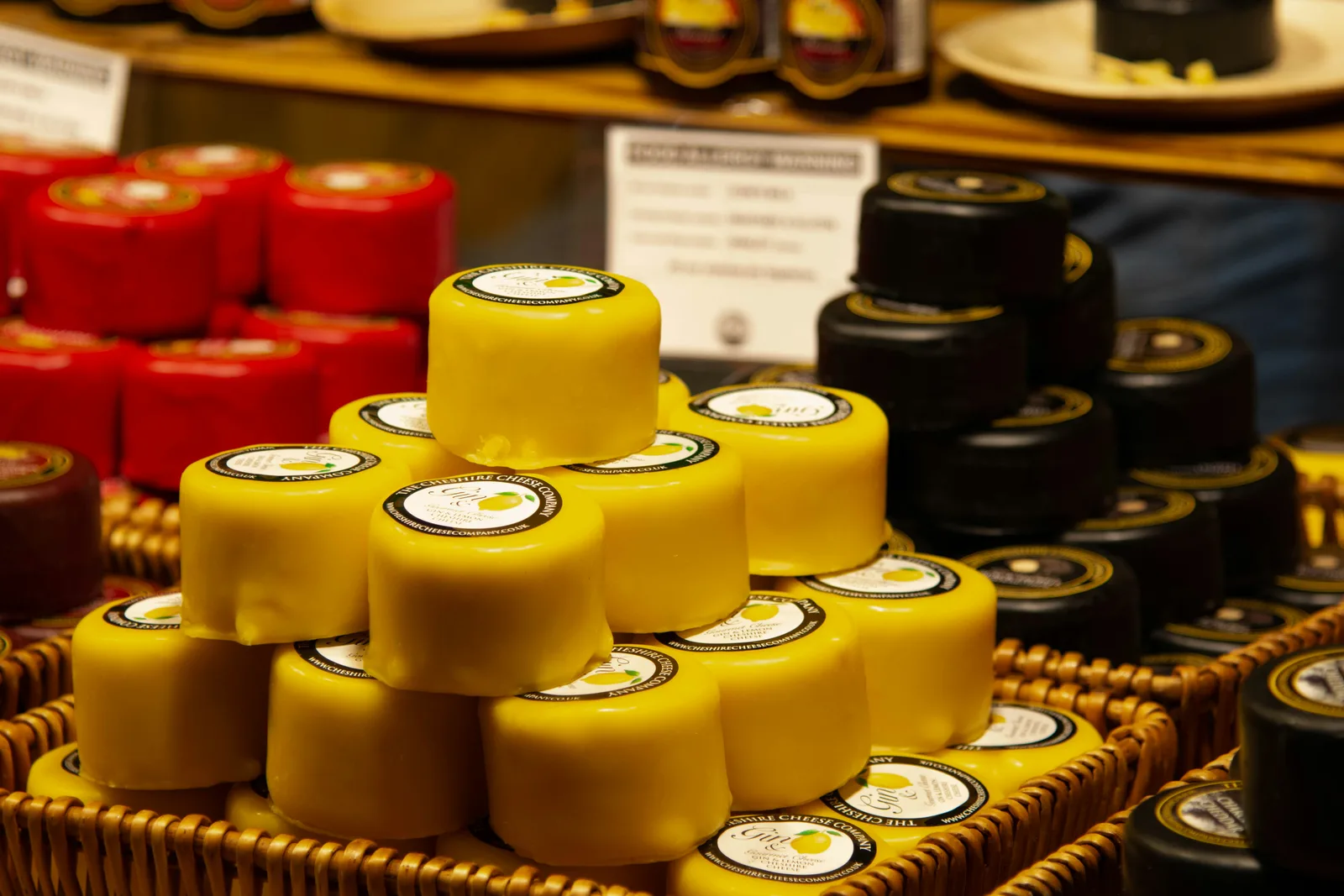
Ploughing Championships food is a day of eating on your feet: food courts, a Food Fayre, picnic areas, cooking demonstrations and producer stands, some of which offer tastes. The National Ploughing Championships, known as the Ploughing, is a large outdoor agricultural show held every September, so the plan that works is to decide where you will eat before you arrive and to dress for the weather.
This guide covers what food you can expect, what to sort out before the day, how to plan your meals around the show, what to pack, how to manage children, groups and dietary needs, and where to eat in the towns around it. The show moves to a new site each year, so no site is named here. Check the organiser's page for this year's location, map and rules.
What is the Ploughing, and what is the food like there?
The Ploughing is an outdoor agricultural show built around a ploughing contest. Around the competition fields sits something much bigger: a tented trade village, live entertainment, fashion shows, a craft village, cooking demonstrations, sheepdog trials and a great deal more. The organiser is the National Ploughing Association, and the show is held on a different site each year.
The food is part of the day, not a side show. The organiser's own information lists picnic areas, food courts and bars on site, and the show has a Food Fayre alongside the machinery and livestock. In practice that means you can eat a hot meal, grab something to carry, taste your way along food stands, or sit down with a flask in a picnic area.
It helps to think of the Ploughing as a country town that appears for a few days. There is plenty to eat, but you are in a field, so queues, weather and distance between stands all shape the meal.
What kinds of food can you expect at the Ploughing?
The range is wide, and it is the sort of food people eat at any big outdoor event, plus a good deal of Irish produce.
- Hot meals from the food courts. Expect the standard outdoor-event menu: burgers, sausages, chips, wraps, rolls, curries and noodle boxes, plus tea and coffee. Food-court queues can be long in the middle of the day.
- Handheld food and snacks. Sandwiches, pastries, cakes, scones, ice cream, sweets and fruit are easy to carry between the stands.
- Food stands and producers. The Food Fayre and the food stands are where you meet Irish producers of cheese, bread, preserves, meat, baking and drinks. Some offer tastes, and many sell to take home.
- Baking and country cooking. The organiser lists the National Brown Bread Baking Finals among the attractions, along with cookery and craft demonstrations.
- Chef and cooking demonstrations. The organiser lists celebrity chefs and cookery demonstrations, a good way to watch a dish made and pick up a recipe.
- Tea, coffee and a sit-down. If you want a proper rest, look for the tea tents and the picnic areas, and keep the flask for the spots where there is no queue.
Treat any list of what will be there as a guide, because the stands change from year to year. The organiser's page and the programme on the day show what is on this time.
Do you need to book or buy anything before you go?
Yes: your ticket, and ideally a plan for the meal that follows. The organiser's FAQ says tickets must be bought online in advance to guarantee entry on your chosen day, that they are valid only for the date you select and that tickets may be available at the gate only if the event is not sold out. Check the organiser's page for current prices and rules, because they change.
A few other things are worth deciding in advance:
- Which day. A ticket is day-specific, so pick a day and keep to it. If you go with friends, agree one day.
- Who is driving. The organiser publishes a traffic plan with colour-coded routes and car parks, says there are no taxi drop-off points and that access after 3pm is not guaranteed, so read the plan the night before and allow extra time to arrive.
- Dogs stay at home. Only guide dogs and assistance dogs are allowed, so arrange care for a family pet.
- Where you will eat after. Whether you want a sit-down meal in a nearby town or a takeaway for the journey home, decide before you go, because the roads out are busy.
If the show runs late into the afternoon and you want dinner nearby, book a table. Where a place takes bookings on Mosey, you can book and get a reminder, and our guide to joining a waitlist for a full restaurant covers what to do when a place is full.
How do you plan a food day at the Ploughing?
Plan the meals first and the stands second. A simple shape works for most visitors:
- Eat something before you go in. Gates and queues take time, and a decent breakfast means you are not hunting for food in the first hour.
- Walk first, eat second. Do the stands you came for while you are fresh. Food courts fill up around the middle of the day, so eat a little earlier or later than the crowd.
- Taste as you go. Food stands and the Food Fayre are built for sampling. Taste, ask questions and note what you want to buy on the way out, not on the way in.
- Sit down once. Find a picnic area or a tea tent and take a proper break. Your feet will thank you.
- Keep a snack for the queue. A piece of fruit or a bar saves a hungry walk back to a food court.
- Plan the journey home. If you have a long drive, eat before you leave so the road is easier.
Do not try to see the whole show. It is too large, and the food stands are spread across it. Choose three or four things you most want to taste, and leave the rest for wandering.
What should you pack and wear for a day of eating there?
The Ploughing is held in September, in a field, and in Ireland that means you plan for rain even when the forecast is kind. Some people swear by wellies and others find good boots or sturdy shoes enough. Either way, wear footwear you do not mind getting muddy.
Pack for the day:
- A waterproof jacket, not just an umbrella, because wind and crowds make umbrellas awkward.
- Layers, because a field is cold in the morning and warm in the sun.
- A refillable bottle and a flask, for the long stretches between food stands.
- Snacks and a small picnic, for children and for the queue. Picnic areas are on site.
- Wet wipes and a bag for rubbish, for sticky fingers and muddy shoes.
- A power bank, because a phone with a flat battery cannot show you your ticket, your map or your list.
- A plan for cash and cards. Check the organiser's page on how payment works at the stands, and keep a little cash in case a stand is cash only.
Keep the bag light. You will be carrying it all day, along with whatever you buy.
How do you eat well with children, a group or a dietary need?
A day outdoors with other people needs a few small decisions made early.
- Children. The organiser describes the show as family friendly, with picnic areas, a playground, a funfair and entertainment, so snacks and a regular meal time stop meltdowns. Agree a meeting point in case anyone gets lost, and keep a snack to hand for the walk between stands.
- Groups. Pick one meeting point and one meal time, and agree what to do if someone is late. A group of friends splitting into pairs to taste different stands and then swapping notes covers far more ground.
- Vegetarian, vegan or dairy-free. Expect to find something at the larger food courts, but choice at a stand can be narrow. Ask what is in a dish before you order, and bring a back-up snack.
- Allergies. A busy stand is not the place to assume. Ask what is in a dish and how it is cooked. If a stand cannot tell you, eat something you have brought. A dish with nothing listed means allergens are not listed, never that it is safe.
- Mobility and rest. The site is large and the ground can be soft. Plan rest points and food stops close together, and check the organiser's page for access information.
- Older relatives. A flask, a folding seat and an early start make the day much easier.
What should you look for at the food stands?
A good stand is easy to spot, and the same signs work at any outdoor food event.
- A short, clear menu. A stand doing a few things carefully usually beats one with a very long board.
- Food made in front of you. Watching a cook work tells you about freshness and about hygiene.
- A producer who can talk about the food. At the Food Fayre, ask where the cheese, meat or bread is made, what is in it and how to keep it.
- A queue that moves. A queue is a good sign if it moves, and a poor one if the line barely shifts.
- Tastes before you buy. Some food producers offer a sample. Take it and ask for the name so you can look the product up later.
- Hot food that is actually hot. Tepid food at a busy stand is a reason to move on.
For a wider guide to choosing well at a market stall, see how to shop at a food market.
Where do you eat before and after in the towns around the show?
The show sits on a site that changes, and the nearby towns can be busy during it. Cafés, pubs and restaurants in the surrounding towns serve people arriving early and heading home late, and the roads between them fill up.
- Before you go. A breakfast in a nearby town is easier than a queue at the gate, but leave time for the traffic.
- After the show. A sit-down meal in a town is a good way to end the day, and it lets the roads clear. Book if you can, because the towns around the show fill up.
- On the road home. If you need something quick, a café or takeaway on the route may be simpler than a restaurant.
Wherever it is held, look for the local food too. Irish farmhouse cheese, soda bread, bacon and cabbage, a good stew and a plate of chips from a chipper are all worth choosing. Our guide to Irish menu words explains what you will see on a board.
How can Mosey help you plan a day of eating at the Ploughing?
A few parts of Mosey are useful before, during and after the day.
- Find somewhere for before and after. Open the map in the Mosey app, move it to the nearby towns and switch on the Open now layer to see which places say they are open right now. A listing the business has not claimed can be out of date, so treat a thin listing as a pointer.
- Look at the dish. Mosey is built around dishes, so you can see photographs of what people actually ordered in the towns around the show and choose a place with a plate you want.
- Use the tags. Tags such as Family Friendly, Kid-Friendly, Vegetarian, Dairy-Free, Group Dining and Outdoor seating help you narrow a list. Tags are a person's own, so check with the place.
- Hide dishes by allergen. The "Hide dishes that list" filter hides dishes with the allergens you want to avoid.
- Make a list for the day. Save a breakfast spot, a dinner and a fallback to a list and share it. Each friend gets their own invite link, because one link works once, for one person. See the lists feature and our guide to making and sharing a list of places.
- Book dinner. Where a place takes bookings on Mosey, the reservations feature lets you book a table and get a reminder.
- Follow friends who know the area. Their picks show on your map as Friends' picks.
- Rate what you eat. After the day, rate a dish, add a note and a photograph and add it to a list. Your Top 3 answers are kept as a private list, and the ranked lists are earned from ratings alone, so nobody pays to rank.
Where do you start?
Buy your ticket for one day, check the organiser's page for this year's site, map and rules, and choose where you will eat before and after. Then open Mosey on the map for the towns nearby, save two or three places to a list and share it with the people you are going with.
For the rest of the Irish food year, see the food festivals planner, and browse the food guides for more.
Questions
Common questions
What food is there at the Ploughing Championships?
The organiser lists picnic areas, food courts and bars on site, and the show has a Food Fayre. Expect hot meals, handheld snacks, baking, tea and coffee, producer stands with tastes and cooking demonstrations. Stands change each year, so check the organiser's page and the programme on the day.
Can I bring my own food to the Ploughing?
The organiser lists picnic areas on site, so a packed lunch or a flask can be part of the plan. Check the organiser's page for the current rules on what you can bring, and pack light because you carry it all day. Keep a snack for the queue and a refillable bottle.
Do I need to book tickets for the Ploughing in advance?
The organiser advises buying tickets online in advance to guarantee entry, and a ticket is valid only for the day you select. Gate tickets may be available only if the event is not sold out. Check the organiser's page for current prices and rules.
Can I bring my dog to the Ploughing?
The organiser says only guide dogs and assistance dogs are allowed, because of the crowds, so arrange care for a family pet. Animals must not be left in cars. Check the organiser's page for the current rules before you travel.
What should I wear to the Ploughing Championships?
Wear footwear you do not mind getting muddy, such as wellies or sturdy boots, and bring a waterproof jacket and layers. The show is held in September in a field, so plan for rain even if the forecast is kind. A power bank is useful for your ticket and map.
How do I eat with a food allergy or dietary need at the Ploughing?
Ask what is in a dish and how it is cooked at each stand, and bring your own food as a back-up. A dish with nothing listed means allergens are not listed, not that it is safe. On Mosey, the "Hide dishes that list" filter and the Vegetarian and Dairy-Free tags help you plan meals nearby.
Where can I eat near the Ploughing before or after the show?
The show moves to a new site each year, so look at the nearby towns. On Mosey, move the map to the area and switch on the Open now layer, check the dish photographs and book where a place takes bookings. Towns around the show fill up, so decide early.
How can I plan a day at the Ploughing with friends?
Choose one day, agree a meeting point and meal time, and save breakfast, dinner and a fallback to a list on Mosey. Send each friend their own invite link, because one link works once, for one person. Taste different stands in pairs and swap notes.
More like this
Read next
Daily food games: Origin and Ingredient explained
Origin and Ingredient are free daily food puzzles. How each one works, how streaks and friends' leagues work, and how to share a result without a spoiler.
Food quiz questions for a pub quiz, with answers
A ready-to-read food round for a pub quiz: thirty-two questions with answers, in four rounds, plus how to run, score and settle it.
Quiet and sensory-friendly places to eat in Ireland
How to find a quiet restaurant or a sensory-friendly cafe in Ireland: what overwhelms people, when rooms are calmer, what to ask and how to plan a meal with fewer surprises.
Accessible restaurants in Ireland: what to check before you book
A guide to finding accessible restaurants in Ireland: what to check at the door, the table and the toilet, what to ask before you book, and what a tag can and cannot tell you.