
Dish guide
Irish lamb and Irish beef on a menu: cuts and words
Mosey · 22 November 2026 · 11 min read
Last updated 22 November 2026
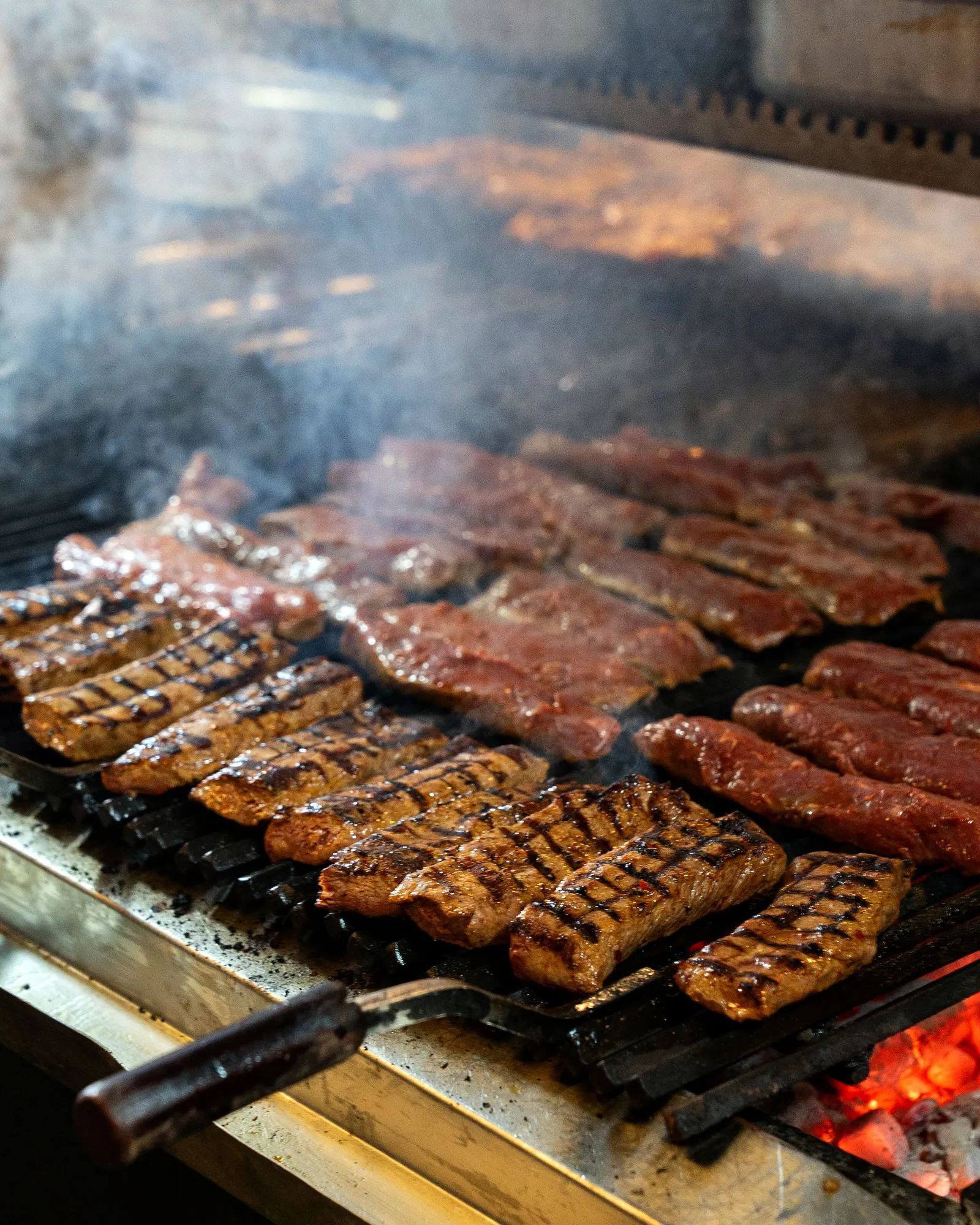
Irish beef and Irish lamb on a menu can mean two things: a plain statement of where the meat came from, or a protected name with rules behind it. Irish Grass Fed Beef and Connemara Hill Lamb are protected names on the EU register, and only meat that meets their rules may use them. Words such as "farmhouse" or "local" are description, so ask.
Much of the confusion at the table is about words, not meat. A ribeye and a sirloin are different cuts, a hogget is not a lamb, and "grass-fed" can be a description or a protected name depending on how it is written. This page sorts the words, the cuts and the ordering, so you can read a menu and ask a sensible question.
What does "Irish beef" mean on a menu?
On its own it is a statement of origin, and it tells you less than you might expect. It says the animal was Irish. It does not say how the animal was fed, how long the beef was aged or how the cut was cooked.
Many Irish cattle graze grass for part of the year, and a menu that says "grass-fed" may be describing that. Look at how the line is written. A plain description is the restaurant's own wording. A protected name, with its exact words, is a legal claim with a specification behind it. The next section shows the difference.
Practical rule: treat "Irish beef" as a reason to ask a follow-up question, not as an answer. A good server can tell you the cut, how it was aged, and where the meat came from.
Which names are protected, and where do you check them?
Two names matter on an Irish menu, and both are Protected Geographical Indications (PGI) under European Union law.
- Connemara Hill Lamb, also registered in Irish as Uain Sléibhe Chonamara. The EU register of geographical indications lists it as a registered PGI for Ireland. Connemara is a region of County Galway.
- Irish Grass Fed Beef. Also a registered PGI, listed for Ireland and Northern Ireland. Bord Bia, the Irish food board, describes the rules: the cattle are born and raised on grass, and finished, slaughtered, chilled and quartered on the island of Ireland, and they must spend a set average number of days each year on grazing pasture. Each animal is assessed against the grass-fed standard, and the schemes behind it are independently audited.
Some points that stop you being misled:
- A protected name is for meat that meets the specification. A menu that says "Connemara-style" is not printing the protected name, so ask what it means.
- If you want to be sure, ask where the meat came from and which supplier.
- Bord Bia's quality assurance is a separate thing from a PGI. It is a scheme of independent farm audits, and a menu or a pack may carry its mark without carrying a protected name.
- The beef name can reach further down the menu than a steak. Bord Bia's rules allow minced beef and mince products made wholly from Irish Grass Fed Beef to carry it, so a burger made that way can use the name too.
- Check a protected name on the EU register of geographical indications, with the Department of Agriculture, Food and the Marine or on Bord Bia's pages, rather than relying on a menu or a social post.
The protected names cover only some of the beef and lamb sold in Ireland. Much of the Irish beef and lamb on menus has no protected name, and that is not a warning sign. It is a different claim.
What are the main cuts of Irish beef on a menu?
Steak menus use a short vocabulary, though a kitchen may use its own names.
- Fillet. The most tender cut, lean and mild. It suits people who like a soft texture and do not want much fat.
- Ribeye. Well marbled with fat, so it is rich and flavourful. Many people who love steak choose it for the taste.
- Sirloin or striploin. A firm, flavourful steak with a strip of fat along one edge. A good all-rounder.
- Rump. A lean, flavourful cut with a chewier bite. Often good value and good with a sauce.
- T-bone and côte de boeuf. Cuts on the bone, often served to share. The bone adds flavour and slows the cooking.
- Flat iron. A thin, tender steak from the shoulder that is often cooked quickly.
- Short rib, brisket and cheek. Slow-cooked cuts, soft and rich when done well. They tend to appear as a main with mash or in a stew, not as a steak.
- Mince. Beef in a burger, a cottage pie or a bolognese. A cottage pie is traditionally made with beef, and a shepherd's pie with lamb.
If a menu offers a steak with no cut named, ask. "A steak" with no name is a missed chance to know what you are paying for.
How do you order a steak the way you like it?
Steak is cooked to a degree, and the words mean slightly different things from kitchen to kitchen, so say what you want in plain terms.
- Blue or very rare. Seared outside, cool and red in the middle.
- Rare. Red and warm in the middle.
- Medium rare. Pink and warm in the middle. A common choice for a steak you want to taste.
- Medium. Pink in the centre, firmer.
- Medium well and well done. Little or no pink. Lean cuts dry out quickly this way, so a fatty cut such as ribeye handles it better.
Three habits help. Say what you mean: "pink in the middle" is clearer than a number or a word that may differ. Ask how the cut is cooked: thin steaks suit a hot, fast cook and thick ones need more time. Let it rest: a steak should sit for a few minutes before it is cut, so the juices stay in the meat and not on the plate.
The usual extras are chips, a salad, onion rings and a sauce. Pepper, mushroom, garlic butter and red wine sauces are common. A sauce that arrives on the side lets you taste the meat first.
If you have a health condition, are pregnant or are cooking for a child, ask the kitchen about how a burger or a steak is cooked. A kitchen can tell you its own practice.
What do aged, grass-fed and "farmhouse" mean?
Three words appear all the time, and none of them means the same as the others.
- Aged, dry-aged or hung. Beef left to mature after slaughter, so it loses some moisture and the flavour deepens. It is a kitchen's choice, not a legal grade, and the time varies. Ask how long and what difference you will notice.
- Grass-fed. On a menu this may be description. As part of the name Irish Grass Fed Beef it is the protected PGI described above. The wording on the menu is the clue.
- Farmhouse, local, pasture-raised. All description. They sound reassuring and prove nothing without a source.
A fair question for any of these is simple: "Can you tell me where this one is from?" You will quickly learn which kitchens know.
What is Irish lamb, and what do lamb, hogget and mutton mean?
Irish lamb is on menus through much of the year, and the word on the menu is looser than you might think. The line between lamb, hogget and mutton is drawn at different ages by different people, so a menu word is a rough guide to age, not a guarantee, and it is fair to ask how old the animal was.
Three words are worth knowing:
- New-season or spring lamb. Young lamb, traditionally associated with Easter. Lamb on an Easter menu is not always new-season lamb, so ask if the difference matters to you.
- Hogget. Older than lamb and younger than mutton. Darker, with more flavour, and often better for slow cooking.
- Mutton. Meat from an older sheep. Strong and rich, and suited to slow cooking. Many cooks rate it highly when it is cooked properly.
If a menu says "spring lamb" and it is not the right time of year, ask what it means. A good kitchen will give an honest answer.
Which lamb cuts and dishes will you meet?
The vocabulary is shorter than beef, and most dishes fall into two kinds: quick-cooked and slow-cooked.
- Rack and cutlets. Small, tender chops from the rib. Served pink, often in a row, and a favourite for a smart dinner.
- Loin and chops. Grilled or pan-fried, with a strip of fat. Many people prefer them pink in the middle.
- Rump. A boneless piece, lean and flavourful, often sliced.
- Leg. Roasted on the bone or boned and rolled. A classic for a Sunday lunch.
- Shoulder. Slow-roasted until it pulls apart. Rich and fatty.
- Shank. A slow-braised cut on the bone, tender when cooked patiently.
- Neck and stewing lamb. The meat for stews.
Our guide to Irish stew explains how lamb, mutton and beef each change the dish. If the starters lean towards the sea, our guide to Dublin Bay prawns and Irish shellfish reads that side of the menu, and Irish menu words covers the rest.
How should lamb be cooked, and how do you order it? Lamb divides into two camps. Tender cuts such as the rack, the loin and the rump suit a pink middle, so say "medium rare" or "pink" when you order. Tougher cuts such as the shoulder, the shank and the neck are slow-cooked until they are soft, so they come well done, and that is correct.
Signs of a good plate:
- A browned outside. A properly seared crust shows a hot pan.
- Fat that has melted, not fat that sits in white strips on the plate.
- A rested piece. The juices stay in the meat and the slices hold their shape.
- Seasoning that supports the lamb. Rosemary, garlic, mint and redcurrant are the classic partners, and the meat should still taste of lamb.
Gravy is often thickened with flour and some sauces include stock or wine, so anyone with a gluten or other allergy should ask what is in the sauce.
What should you ask the server?
You need only a few questions, and they work for beef and lamb alike.
- What cut is this? A named cut tells you texture and price in one go.
- Where is the meat from? A good kitchen can name the source or find out.
- Is this a protected name? If the menu says Connemara Hill Lamb or Irish Grass Fed Beef, ask for the supplier and check it on the register.
- How long was it aged, and how is it cooked? Useful for beef.
- How would you cook it if it were yours? An honest answer is useful advice.
- What does it contain? Sauces, stocks and coatings can hide allergens. A dish with nothing listed on Mosey means allergens are not listed, so ask the place.
How do you find a good steak or a good lamb dish on Mosey?
A menu says "sirloin" and stops there. A photograph of the plate says how thick it was, how pink it was and whether the chips were worth having, which is why Mosey ratings are by the dish. Our page on rating by the dish shows how it works.
When you rate, name the cut and say how it was cooked against how you asked for it. "Ribeye, asked medium rare, came medium" is the most useful line a steak rating can carry. Add tags for the occasion too: Family Friendly for a Sunday roast with children, Celebration for a birthday steak dinner, Business Lunch for a working lunch, so the next person picking for the same kind of table can find it.
Before you choose, start from the ranked lists, which are earned from ratings alone, and nobody pays to rank. Follow the friend who always orders the lamb, and the places they rate show on your map as Friends' picks. When the Top 3 asks you about a kind of meal you know, a family dinner or a birthday meal, name up to three places in order; the answers stay in a private list of your own.
A Sunday roast table goes early in many places, so where a place takes bookings on Mosey, book from its page. If a sauce or a stuffing is the worry, the allergen filter on a place's order page hides dishes that list the allergen you pick, and a dish with nothing listed means ask.
Where do you start?
When a steak or a lamb dish tempts you, ask which cut it is and where it came from, and say in plain words how you want it cooked. Then rate the plate on Mosey with the cut named, and your own record of what you like grows with every dinner. For other Irish dishes, browse the food guides.
Questions
Common questions
Is Connemara Hill Lamb a protected name?
Yes. Connemara Hill Lamb, in Irish Uain Sléibhe Chonamara, is a Protected Geographical Indication under European Union law. A menu that only says Connemara-style is not printing the protected name. Check the EU register of geographical indications, or ask the place who supplies it.
What does Irish Grass Fed Beef mean?
It is a registered EU protected name. Bord Bia describes cattle born and raised on grass, then finished, slaughtered, chilled and quartered on the island of Ireland, with a set average time on pasture each year and each animal assessed against the grass-fed standard. On a menu, "grass-fed" in plain words is description, not the protected name.
What is the difference between ribeye, sirloin and fillet?
Fillet is the most tender and leanest. Ribeye is marbled with fat, so it is rich and full of flavour. Sirloin is firm and flavourful with a strip of fat along the edge. Pick fillet for softness, ribeye for taste and sirloin for a balance. Ask the server if the cut is not named.
How do I order a steak the way I like it?
Say how it should look inside. Rare is red, medium rare is pink and warm, medium is pink in the centre, and well done has little or no pink. Terms vary between kitchens, so describe it in plain words too. A fatty cut such as ribeye copes with well done better than a lean one.
What is the difference between lamb, hogget and mutton?
Lamb is young, hogget is older and darker, and mutton is meat from an older sheep, richer and best cooked slowly. The line between them is drawn at different ages by different people, so a menu word is a rough guide. Ask the kitchen how old the animal was if it matters to you.
Is spring lamb always on the menu at Easter?
Not always in the strict sense. Spring lamb is young lamb traditionally associated with Easter, and the lamb on an Easter menu can be older. If a menu promises spring lamb, ask what the kitchen means by it and how old the animal was. A good kitchen will give you a straight answer.
How can I check a protected food name?
Search the EU register of geographical indications, which lists each protected name and whether it is registered, or ask the Department of Agriculture, Food and the Marine or Bord Bia. You can also ask the place who supplies the meat.
How do I find a good steak or lamb dish on Mosey?
Read ratings of the dish itself, where people name the cut and say how it came out against how they asked for it, and look at the photographs. Start from the ranked lists, which are earned from ratings alone. For a Sunday roast, book from the place's page where it takes bookings on Mosey.
More like this
Read next
Dublin Bay prawns and Irish shellfish: a menu guide
Dublin Bay prawns are langoustines, small pink lobsters eaten for the tail. How to read them on an Irish menu, eat one whole and ask the right questions.
Irish brown bread and the Irish scone, done properly
Irish brown bread is a dense wholemeal loaf and the Irish scone is a light, quick bake. What goes in them, how to judge them and what to eat them with.
Irish smoked salmon: how to order it and what makes it good
Irish smoked salmon is usually farmed Atlantic salmon, cured and smoked. How to order it, what to look for on the plate and what to eat it with.
Curry chips, garlic chips and the 3-in-1: the Irish chipper menu
Curry chips are chips with sauce, garlic chips come with garlic sauce, and a 3-in-1 is chips, rice and curry sauce in one tray. Here is how to order each.