
Dish guide
Dublin Bay prawns and Irish shellfish: a menu guide
Mosey · 22 November 2026 · 10 min read
Last updated 22 November 2026
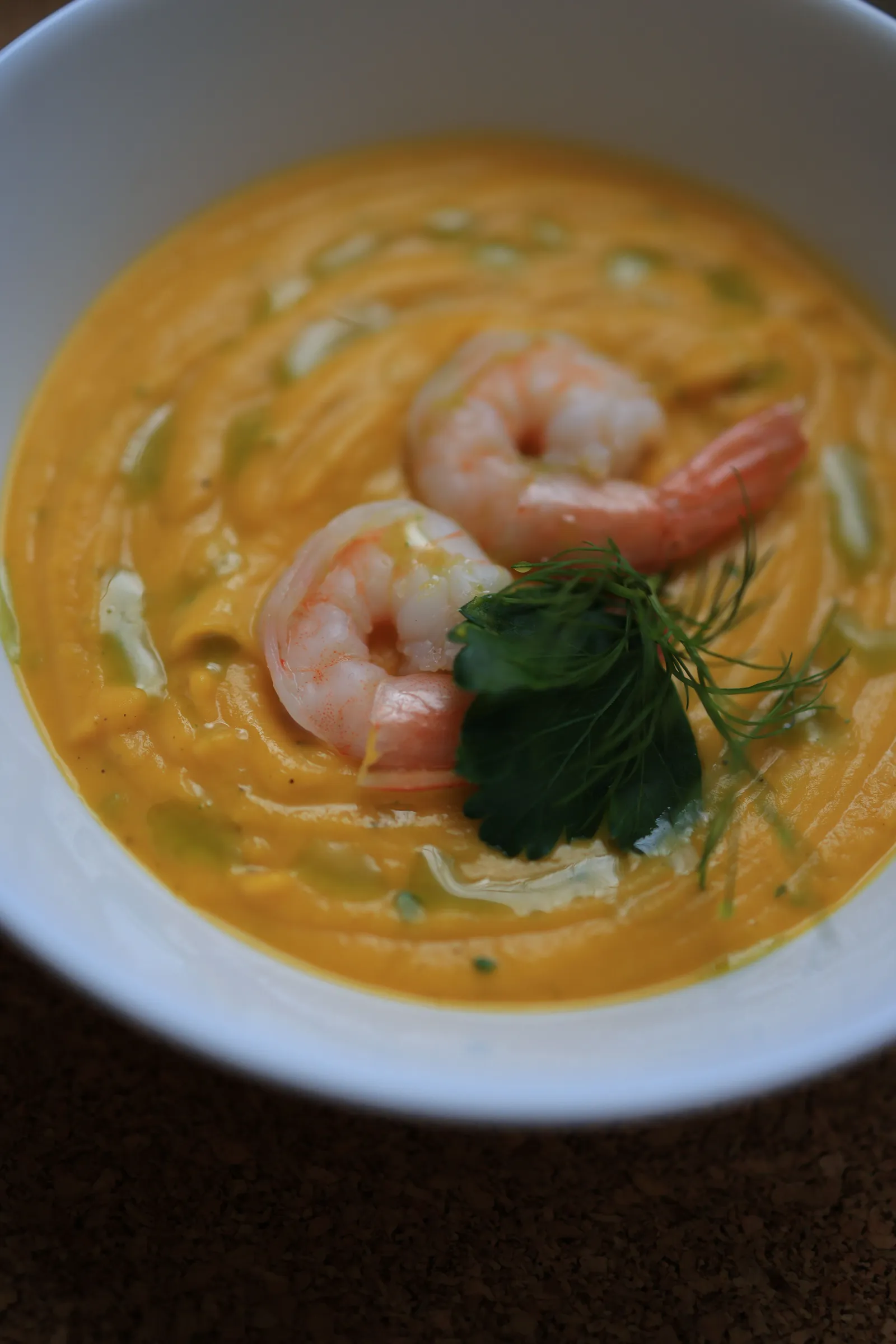
A Dublin Bay prawn is not a prawn in the ordinary sense. It is the langoustine, a slim, orange-pink relative of the lobster, and on an Irish menu the two names mean the same animal. The meat you eat is the sweet tail, boiled or grilled and often served with garlic butter or mayonnaise.
Shellfish menus can look like a code. A plate may say prawns, langoustines, scampi or shrimp, and each word promises something slightly different. The sections below take them one at a time, so you can order with confidence and know what to ask when the menu does not explain itself.
What exactly is a Dublin Bay prawn?
It is a small, slender lobster. Its scientific name is Nephrops norvegicus, and it goes by several common names: Norway lobster, Dublin Bay prawn, langoustine and scampi. It lives in the north-eastern Atlantic, and the part people eat is the muscular tail. The claws hold a little meat, but the tail is the prize.
On the plate it is a coral colour once cooked, with a pair of slim claws and a segmented tail that curls under the body. A whole one looks like a miniature lobster, and that is the clearest way to tell it from the common prawn, which has no claws of this kind and a smoother, more curved shape.
The flavour is sweet and delicate, closer to lobster than to a prawn from a packet. The texture is firm and a little springy when it is cooked well, and soft and mushy when it has been cooked too long or has sat around. Everything else in this guide follows from those two facts: it is a delicate animal, and timing matters.
Why is it called a Dublin Bay prawn?
Researchers at Trinity College Dublin trace the name to the fact that Dublin was where these animals were first regularly landed. They were caught as unwanted extras by trawlers working the northern edge of the Irish Sea, and crews sold the small lobsters to street vendors for extra money. The name stuck to the animal, wherever it is now caught.
That is worth knowing for a practical reason. The name tells you about the history of the dish, not about where your plate came from. A menu that says Dublin Bay prawns is using the trade name, in the same way a menu says Irish stew without promising a particular county. If where it was caught matters to you, ask. A good server will know or will find out.
Are Dublin Bay prawns the same as langoustines and scampi?
They are the same species, sold under different names, and the difference is how the kitchen presents them.
- Dublin Bay prawn. The Irish trade name. You will often see it for the whole animal, boiled or grilled in the shell.
- Langoustine. The French name, and the one more often used in a smarter dining room or on a tasting menu. It means something like little lobster, which is a fair description.
- Scampi. The Italian name, used for the peeled tail meat. In pub and chipper food it is usually coated in breadcrumbs or batter and fried, and served with chips and tartare sauce. Demand for scampi tails once grew so fast that cheaper imitations appeared, so the word on a menu does not always tell you what is under the crumb.
- Norway lobster. The name you meet in a fishmonger's or a science book, rarely on a menu.
So when a menu offers scampi and langoustines side by side, it is usually the same animal in two styles: one peeled and breaded, the other whole and in the shell. For a first taste, the whole animal shows you far more about the flavour than the breaded tail does.
How do you eat a whole Dublin Bay prawn?
Use your hands. This is not a dish for a knife and fork, and nobody in the room will mind.
- Twist the head off from the tail and set it aside. Some people suck out the juices in the head, which is rich and salty. You do not have to.
- Hold the tail and crack the shell along the underside, where it is thinner, or squeeze the sides together until it splits.
- Peel back the shell from the meat, working from the wide end.
- Check for the dark thread running along the back of the tail. It is the gut. Lift it out with a fingertip or the tip of a knife if it is there.
- Dip and eat. Garlic butter, aioli, mayonnaise or a squeeze of lemon all suit the meat. Do not drown it.
- Crack the claws with the back of a knife or a pick if you want the small amount of meat inside.
A plate of whole langoustines is a messy, slow, sociable thing. Ask for a finger bowl or a damp napkin if one does not arrive, and put the shells in the spare dish rather than on the table. If you would rather not do the work, ask whether the kitchen serves the tails already shelled. Many do, and it is a fair question.
What does it taste like, and what goes with it?
The meat is sweet, light and clean, with a mild taste of the sea. It is gentler than crab and less assertive than a mussel. Because it is delicate, the simplest treatments work well, and they leave the animal to speak for itself.
Common ways you will meet it on an Irish menu:
- Boiled and served cold or warm with mayonnaise or aioli and lemon.
- Grilled in the shell with garlic butter and parsley.
- Pan-fried tails in butter, sometimes with white wine.
- In a chowder or bisque, where the shells often flavour the stock. Our guide to Irish seafood chowder explains what a good bowl looks like.
- On a shellfish platter with crab, mussels and other seafood, often chilled.
- Breaded and fried as scampi, with chips.
Brown bread and butter is the classic Irish partner for any cold shellfish, and a salad of leaves or a few boiled potatoes is the usual side. Our guide to Irish soda bread tells you what to look for in the loaf. A crisp white wine or a pint is a common choice if you drink.
What other Irish shellfish will you meet on a menu?
A shellfish list can be long, and it helps to know the family. The exact list depends on the kitchen and the season.
- Crab. Usually brown crab. It may come dressed in its shell, as claws, or as white crab meat in a salad or sandwich. The brown meat has a rich, savoury taste; the white is sweeter.
- Mussels. Cooked in their shells, often in a cream, garlic or white wine broth, and served with bread or chips.
- Oysters. Eaten raw on ice with lemon, or sometimes baked. Our guide on how to eat oysters takes you through your first dozen.
- Scallops. Seared, with a golden crust, often on a purée or with black pudding.
- Prawns and shrimp. In Irish menu language, a prawn is usually the plain pink one. Shrimp is a smaller one, often sold in a cocktail or a sauce.
- Lobster. The larger relative, served grilled, with butter, or cold with mayonnaise.
- Cockles, whelks and periwinkles. Small, chewy shellfish you are more likely to find at a seaside stall or a seafood bar than in a restaurant.
If you want to taste many of these in one go, a shellfish platter or a seafood board is the way to do it. Several people can share one, which also spreads the cost and the work.
For the festivals and market stalls where this food is sold, see our guide to the Galway oyster and seafood festival. Check the organiser's page for this year's dates.
How can you tell a good plate of shellfish from a poor one?
Shellfish forgives very little, so the signs are easy to read once you know them.
- A clean smell. Fresh shellfish smells of the sea, not of ammonia or of fish that has been standing.
- Firm, springy flesh. A langoustine tail should hold together when you peel it. If it is mushy or falls apart, it has been overcooked or has been sitting.
- Bright colour. A cooked tail is coral and glossy. A grey or dull one is a warning.
- A focused list. A kitchen that offers a few shellfish dishes and does them well is often a safer bet than one that offers a long list of them.
- Sauce in a supporting role. Garlic butter should be a coat, not a pool. If the meat is hidden under sauce or crumb, ask yourself why.
- Shells on the plate. A whole animal in its shell is hard to fake. A pile of pre-peeled, uniform pieces in breadcrumbs tells you less.
If something tastes off, say so at once and politely. Shellfish that has gone wrong can make you ill, and a good kitchen would rather swap the plate than have a guest eat it.
What should you ask about sourcing, seasonality and allergies?
Three questions cover most of it.
Where is it from, and is it fresh or frozen? Both are honest answers, and a good kitchen will say which. Fresh is not automatically better if it has travelled badly. Most langoustines are caught by trawling, and some by creels, baited pots set on the seabed. Creel-caught animals tend to arrive in better condition, and creel fishing has been found to have a smaller impact on the seafloor, so a menu that says how its langoustines were caught is giving you something to hold on to.
Is it cooked to order? Shellfish cooked in advance and reheated turns rubbery. Tails should be cooked briefly, and a kitchen that cooks them to order is the one to trust.
What does it contain? Crustaceans, which include prawns, langoustines, crab and lobster, and molluscs, which include mussels, oysters and scallops, are both among the allergens a food business has to declare. Cross-contact is a real risk in a shared fryer or on a shared board, so someone with a shellfish allergy should say so when ordering and ask how the dish is cooked, not just what is in it. A dish with nothing listed on Mosey means allergens are not listed, which is different from safe, so ask the place.
How do you find the shellfish you will actually enjoy on Mosey?
Menus rarely show you the dish, and photographs of a langoustine plate tell you more than a description ever could. On Mosey you can rate a place by the dish, and the photographs people add show you what a plate looks like on the day, not in a brochure. Open a place's page and look for a whole animal in its shell, not a heap of crumb.
- Look at dish photographs and ratings. Search the dish you want and see how people rate it, with their photographs.
- Use the ranked lists. The ranked lists are earned from ratings alone, and nobody pays to rank.
- Follow friends who eat seafood. Their picks appear on your map as Friends' picks.
- Answer Top 3. When a Top 3 question about a favourite comes up, name up to three places in order. Your answers are kept as a private list.
- Hide dishes that list an allergen. If you avoid an allergen, the filter hides dishes that declare it. Where a dish lists nothing, ask the place.
- Book where the place takes bookings. A table for a shellfish platter is worth reserving. Where a place takes bookings on Mosey, you can book from its page. Our reservations page explains how.
Our feature page on rating by the dish explains how a rating and its photographs help the next person who is deciding what to order.
Where do you start?
Pick one: a plate of whole langoustines with garlic butter, or a chowder with langoustine in it. Eat it with brown bread, rate it by the dish on Mosey with a photograph, and add the place to a list so you remember it. Then try the oysters or a crab salad another day. If the meat side of the menu is the puzzle, our guide to Irish lamb and Irish beef on a menu sorts the cuts and the protected names, and Irish menu words covers the rest of the vocabulary.
More in the food guides and the ranked lists.
Questions
Common questions
What is a Dublin Bay prawn?
A Dublin Bay prawn is a langoustine, a slim orange-pink relative of the lobster, known scientifically as Nephrops norvegicus. It is eaten for its sweet tail meat, boiled or grilled in the shell or fried as scampi. On an Irish menu, Dublin Bay prawn and langoustine mean the same animal.
Is a Dublin Bay prawn the same as scampi?
Yes, the same animal. Scampi is traditionally the peeled tail meat, usually breaded and fried in pub and chipper food. Whole langoustines or Dublin Bay prawns are served in the shell. A menu may use both words side by side for two styles of the same shellfish.
Why is it called a Dublin Bay prawn?
The name came about because Dublin was where these animals were first regularly landed, caught as extras by trawlers fishing the northern edge of the Irish Sea. It is a trade name, so it does not tell you where your plate was caught. Ask the server if the source matters to you.
How do you eat a whole Dublin Bay prawn?
Use your hands. Twist the head from the tail, crack the shell along the underside, peel it back, lift out the dark thread if there is one, and dip the meat in garlic butter or mayonnaise. The small claws hold a little meat too. Ask for a finger bowl.
What does a Dublin Bay prawn taste like?
Sweet, light and clean, closer to lobster than to an everyday prawn, with a mild taste of the sea. The tail should be firm and springy. Mushy or rubbery meat usually means it was overcooked or has been sitting, so simple cooking is a good sign.
Is shellfish a common allergen on Irish menus?
Crustaceans, such as prawns, langoustines, crab and lobster, and molluscs, such as mussels, oysters and scallops, are both allergens a food business must declare. Tell the server about an allergy before you order and ask how the dish is cooked. On Mosey, a dish with nothing listed means allergens are not listed, so ask the place.
How do I find good shellfish near me on Mosey?
Look at dish photographs and ratings from people who ordered the dish, check the ranked lists, which are earned from ratings alone, and follow friends so their picks show as Friends' picks. Save the places you trust to a list. Where a place takes bookings, you can reserve a table for a platter.
What other shellfish will I see on an Irish menu?
Expect crab, mussels, oysters, scallops, prawns, lobster and sometimes cockles or whelks. Mussels usually come in a cream, garlic or wine broth. Oysters are eaten raw on ice. Crab may be dressed in its shell. A shellfish platter lets a group taste several at once.
More like this
Read next
Irish lamb and Irish beef on a menu: cuts and words
Which words on an Irish menu are protected, which are only description, the cuts of beef and lamb you will meet, and how to order a steak the way you like it.
Irish brown bread and the Irish scone, done properly
Irish brown bread is a dense wholemeal loaf and the Irish scone is a light, quick bake. What goes in them, how to judge them and what to eat them with.
Irish smoked salmon: how to order it and what makes it good
Irish smoked salmon is usually farmed Atlantic salmon, cured and smoked. How to order it, what to look for on the plate and what to eat it with.
Curry chips, garlic chips and the 3-in-1: the Irish chipper menu
Curry chips are chips with sauce, garlic chips come with garlic sauce, and a 3-in-1 is chips, rice and curry sauce in one tray. Here is how to order each.