
How to
Friends visiting Ireland? How to recommend a local food trip
Mosey · 13 November 2026 · 11 min read
Last updated 22 November 2026
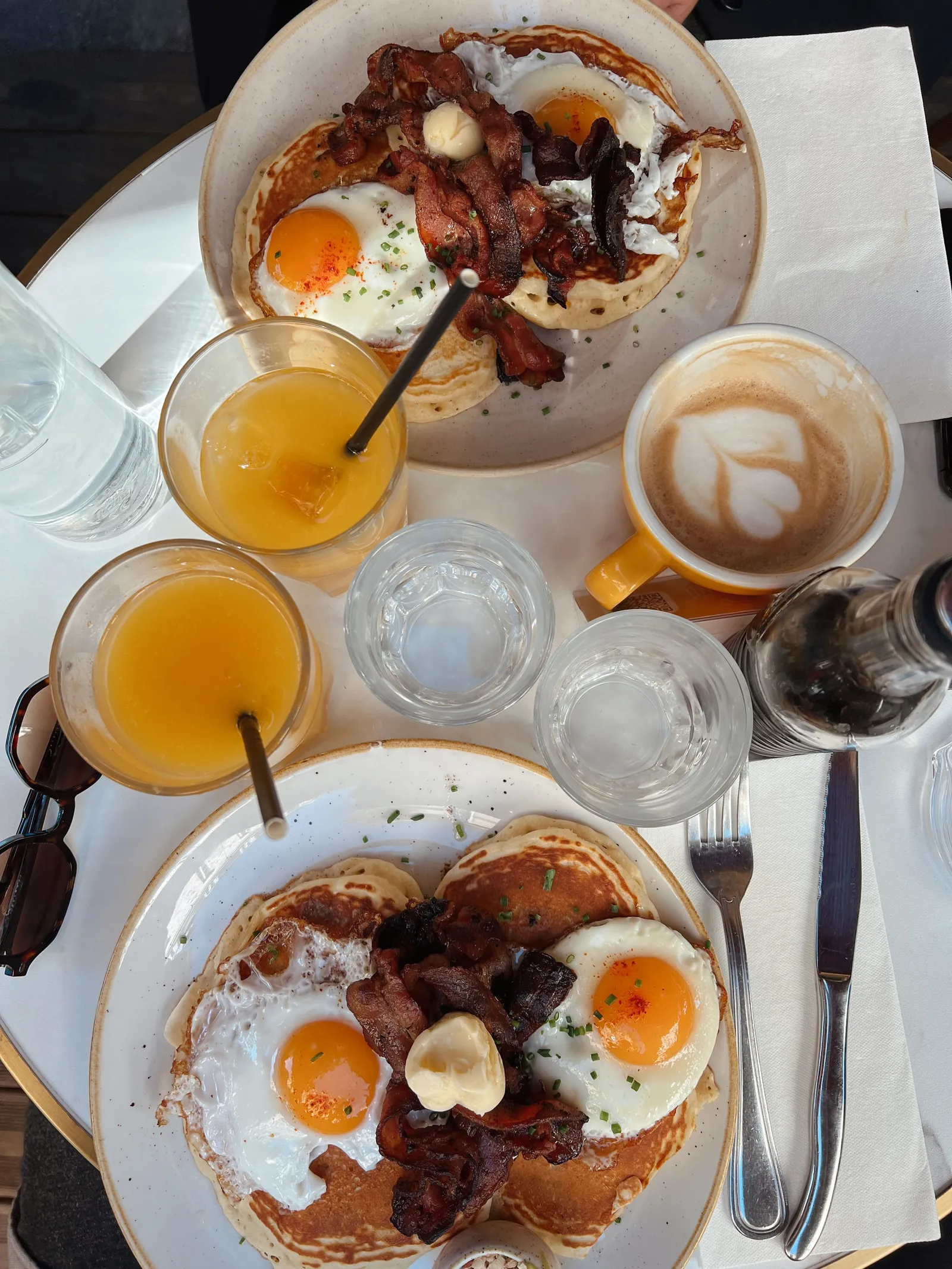
If friends are visiting Ireland and you want to recommend a food trip, do not send a long text. Ask what they like to eat, build a short list of places grouped by day, add the Irish dishes and menu words they will meet, tell them how tipping and booking work, and ask them to rate what they ate. A list beats a paragraph every time.
This guide is for the person who gets the message: "We're coming to Ireland, where should we eat?" It names no restaurants on purpose. Places change, and a recommendation that depends on one table falls apart when it is full. It tells you what to ask, what to explain and how to hand it over, and it shows where Mosey helps.
What do visitors want to eat first in Ireland?
Ask before you answer. Visitors usually want one of three things, and the answer changes the whole list.
- The Irish classics. A full Irish breakfast, a bowl of chowder, a plate of fish and chips, soda bread with butter. They want to taste the country.
- A good meal at a fair price, wherever it is. They are not hunting for the traditional. They want somewhere reliable near where they are staying.
- The local story. A market, a harbour, a producer's stall, a food trail. They want to know why a town is worth eating in.
Most people want a mix, and the mix is worth naming: one or two classics, a few easy meals and one proper night out. Ask four things in one message:
- How many days, and in which towns?
- Anyone with an allergy or a diet?
- Children or no children?
- One meal they would be sorry to miss?
The fourth question is the useful one. It gives you the single booking that matters.
How do you recommend a food trip without writing an essay?
Write a list, not a text. A long message gets read once, on the plane, and lost. A list stays on the phone, sits in the order of the trip and can be added to. We cover the idea in how to tell friends where to eat: send a list, not a long text, and it matters even more for visitors, who are in a country where they know nobody.
On Mosey you can make a list and keep it private, share it with friends or make it public. An invite link lets a friend add to a list, even before they have joined, so a visitor can open your link and put their own finds on it. Our page on lists explains each setting.
Keep the list short. Aim for a handful of places per town, tagged by what they are for, rather than every place you have ever liked. A visitor with twenty options picks none of them.
How do you build a visitor a list by day?
Build it by day, and by place to stay, because that is how visitors move. A visitor who is in one town for a night needs a breakfast, a lunch and a dinner near the same spot, not a ranked tour of the country.
For each day, think in meals, not in sights:
| Part of the day | What to put on the list |
|---|---|
| Breakfast | One place near where they sleep, ideally one that serves a full Irish |
| Lunch | One easy, casual place that is open when they will be hungry |
| Afternoon | A market, a coffee stop or a bakery for a snack |
| Dinner | One place to book, and one walk-in back-up |
| Late | Somewhere to eat after a late arrival or a late show |
Add a back-up for each booked meal. Tables are the first thing to go wrong on a short trip, and a visitor who has a second choice on the same list does not panic.
If they are travelling beyond Dublin, you do not have to plan every town. For the whole country in a week, send them a week of eating around Ireland, then add your own list on top for the towns you know. For a food route on foot, a food trail with stamps gives them a ready-made order for an afternoon; the food trails page explains how they work.
Which Irish dishes and menu words should you explain?
Menu words are where visitors feel lost. A short glossary on the list saves them asking a waiter, and it makes ordering part of the fun. These are the ones worth including.
- Full Irish. A cooked breakfast, part of the wider family of the full breakfast or fry-up served across Britain and Ireland. Typical parts are bacon, sausage, eggs and puddings. It is often available all day in cafés and pubs.
- Rasher. A thin slice of fairly fatty back bacon, which is what goes into a full Irish and into coddle.
- Black pudding. A blood sausage made with blood, fat and a cereal such as oatmeal or barley. Sliced and fried, it is served as part of a full breakfast. Cork has its own variety, drisheen.
- Coddle. A dish of layered sausages and rashers with potatoes and onion, closely associated with Dublin and often made to use up leftovers.
- Boxty. A potato pancake made with finely grated raw potato and fried. It is mostly associated with the north midlands, north Connacht and southern Ulster, and you now see it on menus well beyond those areas.
- Colcannon. Mashed potatoes with cabbage, butter and milk, often eaten on St Patrick's Day.
- Soda bread. A quick bread made with flour, buttermilk, salt and baking soda. In the south it is often called brown bread.
- Irish stew. A meat and vegetable stew. Ask what meat it uses, because versions differ.
- Fish and chips. Cod and haddock are the usual fish in Britain and Ireland, from a chip shop with a water and flour batter.
Put four or five of these on the list, not nine. Pick the ones that match the towns they are visiting: coddle for Dublin, boxty in the north west, drisheen if they are in Cork.
Mark any dish that comes with a catch. Black pudding is a surprise to visitors who do not expect blood in a breakfast, and a friend who has been warned will enjoy it more.
What do visitors need to know about allergies and diets?
Tell them what the law gives them, then tell them to ask. In Ireland a food business must give allergen information in writing for food that is not prepacked, and it must be easy to find before the sale, either next to each menu item or in a clearly visible place. That means a visitor with an allergy should not have to guess.
It does not mean the menu is the end of the conversation. Tell visitors to say so when they order, and to ask again if a dish changes. On Mosey, the "Hide dishes that list" filter hides dishes that declare the allergens a person has chosen. A dish with nothing listed means its allergens are not listed, not that it is safe, so the rule is the same: ask the place.
If a friend follows a diet rather than an allergy, vegetarian, vegan or halal for example, tag the places on your list that handle it well, so they are not searching on arrival. Our ranked lists can also help them see what people rate highly for a dish near where they are staying.
How does tipping work in Ireland?
Tipping in Ireland is a thank-you for good service, not a fixed rule, and the first thing a visitor should check is whether a service charge is already on the bill. Some restaurants add one, so the bill is the answer. If a charge is on it, there is no need to add another tip on top.
Irish law gives visitors something useful to read here. The Workplace Relations Commission explains that under the tips and gratuities Act a business must clearly display its policy on how tips, gratuities and service charges are shared out. Any charge called a "service charge", or worded so a customer would think it pays for service, must go to staff as if it were a tip. The Commission also says workers are legally entitled to electronic tips and that an employer cannot retain a share of them, apart from limited circumstances such as tax or bank charges. Its tips and gratuities page has the current rules.
So a visitor who wonders where a tip goes can look for the notice, and one who prefers to tip by card can do so knowing the rules cover electronic tips.
Say it plainly on the list: "Check the bottom of the bill. If there is a service charge, you are done. If not, tip what you feel the service deserved." A visitor from a country where tips are expected will relax. A visitor from a country where they are not will not feel they have missed something.
Ordering at the bar in a pub is a different habit from a sit-down meal, so tell visitors to watch what the locals do rather than follow a rule. One line on the list is enough.
Which meals should visitors book before they land?
Book the ones that matter and leave the rest. The meal your friend said they would be sorry to miss is the first. After that, book a dinner on the busiest night of the trip, and any meal for a group.
Mosey lets people in Ireland book a table at places that take bookings, join a waitlist and set cancellation alerts for a place that is full. That is useful for a visitor with a fixed night in a town: if the place is full, an alert can tell them when a table opens. For a group meal, group bookings and split deposits help when several people are travelling together and one person should not carry the whole cost of a deposit. Our guide to eating near Dublin airport is worth sending to anyone who lands tired and hungry.
Tell visitors to check what the booking needs. Some places ask for a deposit, some take only walk-ins, and a visitor who knows beforehand has no surprise on the night.
How do you send the list so they actually use it?
Send one link, not several screenshots. With a Mosey list, you send a link and the visitor opens it. If they join Mosey, they can follow you, and your picks show on their map as Friends' picks, so the places you rate are there when they are standing in the street deciding where to eat. That is the difference between advice they have to remember and advice that is in front of them.
A few habits make the list easier to use:
- Name the list for the trip. "Dublin and Galway, five days" is better than "Places to eat".
- Order it by day. Put the first day at the top.
- Tag it with what each place is for. Family friendly, late night, outdoor seating, a celebration. Tags are how a visitor finds the right place at the right moment.
- Say why in a line. "Go for the soda bread" is worth more than a rating alone.
- Leave room. Invite them to add places they find. The list then grows into a record of the trip.
What should the finished message to a visitor look like?
Short. Here is the shape that works, in plain words you can copy:
- One line: how many days you planned for and what you assumed.
- The link to the list, grouped by day.
- Three dishes to try, with the menu word and what it is.
- One line on tipping and one on booking.
- A request: "Rate what you eat, and tell me what you loved."
That is five items and a link. A visitor can read it on a phone in a minute and use it for a week.
How do visitors rate it back to you?
Ask them to rate by the dish, not just the place. On Mosey you rate what you ate, add tags and a photo, and tag the friends you ate with so they can add their own rating. If you eat with your visitors, tag each other, and you both end up with the same meal rated twice, which is a good way to compare how an Irish dish lands for someone who has never had it.
This matters to you as the host. When a visitor goes home and rates the places on your list, you learn which recommendations worked. The dish that surprised them is often a different one from the dish you expected, and that is useful to know before the next group arrives.
It matters to them too. Their ratings build a personal record of the trip. Mosey's food passport stamps where they have rated, by country, town and neighbourhood, so a visitor goes home with the shape of the trip kept in one place. Rating places across counties also moves them towards the counties badge, which starts at five counties of the island.
What if the trip takes them beyond one town?
Then lean on the towns, not the country. Mosey Travel has hubs for towns and cities, so a visitor can look up a place they have not heard of and see where people have rated. Travel questions let people vote on a city, town or country they have been to, such as how good a town was for food, and open answers add up to public travel lists.
Send visitors to the town, then to the list. A town the visitor has never heard of is where a good list is most valuable, because there is nothing else to go on. If you have a friend who knows that town, ask them to add to your list through an invite link, so the advice is local.
For a route through several regions, start from the week-long itinerary linked above, and for a quick start in the capital, see eat in Dublin. All our food guides are in the guides.
Questions
Common questions
What should I recommend to friends visiting Ireland for food?
Ask what they like to eat, then recommend a short mix: one or two Irish classics such as a full Irish breakfast or soda bread, a few easy meals and one proper dinner. On Mosey you can put them in a list, grouped by day, and send one link.
How do I share restaurant recommendations with visitors?
Send one list rather than a long text. On Mosey a list can be private, shared or public, and an invite link lets a friend add to it even before they join. Group the places by day and add a line on why each one is there.
What Irish food should a first-time visitor try?
A full Irish breakfast, soda bread with butter, fish and chips and a bowl of seafood are the usual starting points. Then add the local dish for the town: coddle in Dublin, boxty in the north west, drisheen in Cork. Mark black pudding as a surprise for some.
Do you have to tip in Irish restaurants?
Tipping is a thank-you for good service, not a rule. Check the bill first, because some restaurants add a service charge, and if one is on it there is no need to add another. Irish law says a service charge must go to staff, and a business must display how it shares out tips.
Should visitors book restaurants in Ireland before they arrive?
Book the meal they would be sorry to miss, a dinner on the busiest night and any group meal. On Mosey, people in Ireland can book tables at places that take bookings, join waitlists and set cancellation alerts if a place is full. Leave the other meals loose.
How do I find out what the allergen rules are in Irish restaurants?
In Ireland a food business must give written allergen information for food that is not prepacked, and it must be easy to find before the sale. Tell visitors to say they have an allergy when they order. On Mosey, "Hide dishes that list" filters by declared allergens, and no listing means ask.
How can friends rate the places I recommended?
Ask them to rate by the dish. On Mosey they can rate what they ate, add tags and a photo, and tag friends they ate with, who can add their own rating. Their ratings also fill their food passport by country, town and neighbourhood.
How do I recommend food in a town I do not know well?
Use what people have already rated. Mosey Travel has hubs for towns and cities, and the ranked lists show what people rate highly, with every top spot earned from ratings alone. Then ask a friend who knows the town to add to your list through an invite link.
More like this
Read next
Daily food games: Origin and Ingredient explained
Origin and Ingredient are free daily food puzzles. How each one works, how streaks and friends' leagues work, and how to share a result without a spoiler.
Food quiz questions for a pub quiz, with answers
A ready-to-read food round for a pub quiz: thirty-two questions with answers, in four rounds, plus how to run, score and settle it.
Quiet and sensory-friendly places to eat in Ireland
How to find a quiet restaurant or a sensory-friendly cafe in Ireland: what overwhelms people, when rooms are calmer, what to ask and how to plan a meal with fewer surprises.
Accessible restaurants in Ireland: what to check before you book
A guide to finding accessible restaurants in Ireland: what to check at the door, the table and the toilet, what to ask before you book, and what a tag can and cannot tell you.