
Food culture
Dietary-friendly restaurants in Ireland: vegan, halal, gluten-free
Mosey · 22 September 2026 · 5 min read
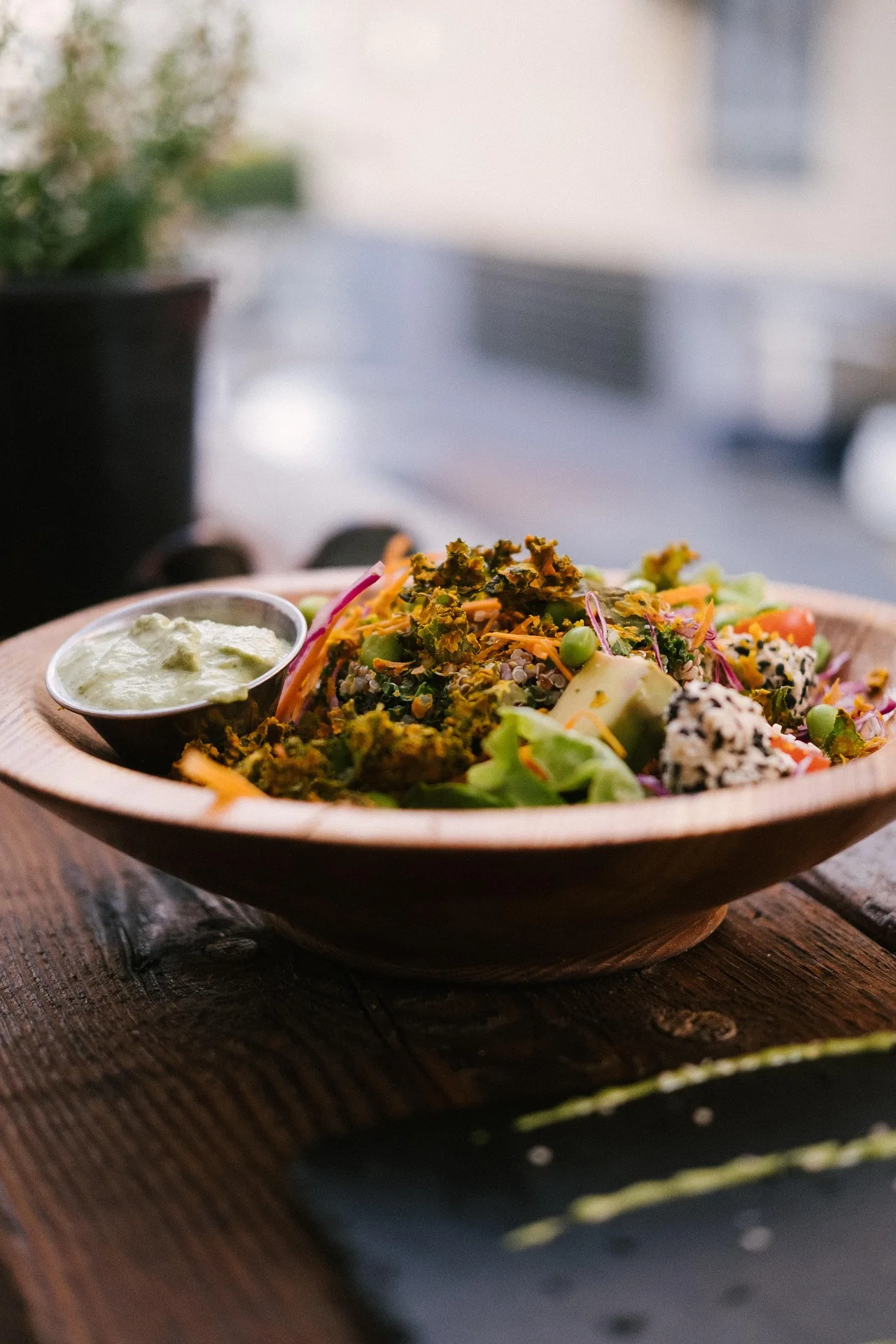
To find places in Ireland that suit a vegan, vegetarian, halal, kosher, gluten-free or dairy-free diet, start with Mosey's dietary filters, which sit first in the filter sheet and draw on what venues declare and what diners tag, then confirm with the place itself. A tag tells you somebody found a place good for that diet. Only the place can tell you how a particular dish is made today.
Which dietary needs can you filter for on Mosey?
The dietary filters cover the needs people most often have to plan around: vegan, vegetarian, gluten-free, dairy-free, halal and kosher. They are placed first because for many people a diet is not a preference but the thing that decides whether a place is possible at all.
Each one draws on two sources. A venue can declare its own dietary options, and diners can tag a place when they rate it. A place with the tag from several different people over time is strong evidence. A place with no tag is not evidence of anything: it may just mean nobody with that diet has rated it yet, which is especially likely outside the cities.
Beyond diets, diners can also tag places for eating well, with follow-up tags for organic produce and natural ingredients, and cafés for alternative milks. Those help with the softer preferences that a strict filter does not cover.
Vegan and vegetarian: what to look for
There are two kinds of good vegan or vegetarian meal out: a place that is entirely plant-based, and a place with a few dishes that were clearly designed rather than adapted. Both can be excellent. What you want to avoid is the menu with one grudging option made by removing the meat.
- Search for the dish, not the label. A search for a vegan burger or a dal shows you that dish at each place, with photographs from people who ate it. You can judge it before you go.
- Ask about the hidden animal products. Stock in soups and risotto, butter on vegetables, egg glaze on pastry, honey in dressings, fish sauce in South East Asian cooking, and cheese that uses animal rennet.
- Check the fryer if you avoid anything cooked alongside meat or fish.
Dublin has its own vegetarian page, and our full guide to vegetarian and vegan food in Ireland goes into much more depth.
How do I find halal food in Ireland?
Use the halal filter as a starting point, then ask, because halal covers more than one question.
- Is all of the meat halal, or only some of it? Some places serve halal chicken and non-halal beef, or the reverse.
- Who supplies or certifies it? A place that takes halal seriously will usually tell you straight away.
- How is it prepared? Whether halal and non-halal meat share grills, fryers or utensils.
- Is there alcohol in the cooking? Wine in sauces and beer in batter are common in many kitchens.
Many Middle Eastern, Turkish, Pakistani and Indian places serve halal meat, but plenty do not, so treat the cuisine as a reason to ask rather than an answer. The same approach applies to kosher food: look for the tag, then ask about supervision and certification.
Gluten-free and coeliac: the questions that matter
"Gluten-free option" and "safe for a coeliac" are not the same thing, and the gap between them is where people get ill. A dish can contain no gluten and still pick it up from a shared toaster, a fryer used for battered fish, a board used for bread, or flour in the air of a kitchen that makes its own pizza or pasta.
Questions worth asking:
- Is this dish made without any gluten-containing ingredients, including the sauce and the stock?
- Is it fried in oil shared with anything breaded or battered?
- Is gluten-free bread toasted in a separate toaster?
- Does the kitchen understand what coeliac disease means, not just "gluten-free"?
Soy sauce, many gravies and some spice mixes contain wheat, so ask about those too. Cereals containing gluten are one of the 14 allergens a food business must be able to tell you about, so you are entitled to a clear answer. For more on asking about allergens, read eating out with allergies.
Dairy-free and other needs
Dairy hides in places people forget: butter on toast and vegetables, milk in some breads, cream finishing a sauce, and whey in processed food. In cafés, look for the alternative milks tag and ask whether the steam wand is cleaned between milks if that matters to you.
For diets without a filter, such as low-carb or a medical diet, read the menu on the place's page, look at photographs of dishes to see what comes with them, and ask about swaps. Most kitchens will change a side or leave off a sauce if you ask, especially at a quiet time.
Eating in a group with different diets
Groups with mixed diets usually settle on the place with one compromise option for everybody. A better approach: start a shared list, ask each person to add places that work for them, and pick the one that appears on the most lists.
For larger occasions booked as a gathering on Mosey, the organiser can share a link so each guest enters their own allergies and requirements, and the kitchen receives one written list rather than a relayed message.
Help the next person with your diet
The dietary tags are only as good as the people who add them. When you rate a place, tag the diet it suited, name what you ate so it appears on the dish page, and add a line about how they handled your needs. That one sentence is exactly what the next vegan, coeliac or halal diner is looking for.
Try it on Mosey
Turn on the dietary filter you need, read the menus and photographs, ask the place directly, and save the ones that got it right.
Questions
Common questions
Can I filter for halal places on Mosey?
Yes. Halal is one of the dietary filters, along with vegan, vegetarian, gluten-free, dairy-free and kosher. Confirm the details with the place, as some serve halal meat for only part of the menu.
Does a gluten-free tag mean a place is safe for coeliacs?
Not necessarily. It means somebody found gluten-free options there. Ask about shared fryers, toasters and preparation before you order.
Where do the dietary tags come from?
From venues declaring their own options and from diners tagging places when they rate them. Tags from several different people are stronger evidence than one.
What if a place has no dietary tag?
It may just mean nobody with that diet has rated it yet. Check the menu and ask the place directly.
Is there a filter for keto or low-carb food?
No. For diets without a filter, read the menu, look at photographs of the dishes, and ask the kitchen about swaps.
How can I find a specific vegan dish near me?
Search for the dish itself. Each dish has a page at each place with photographs from people who ordered it, so you can see it before you go.
How do I plan a meal out for a group with different diets?
Use a shared list so everybody adds places that work for them. For a larger gathering booked on Mosey, guests can each enter their requirements through one shared link.
More like this
Read next
How to choose a restaurant that suits everyone in a group
Allergies, budgets, children and the friend who only eats chips. How to pick one place a whole group will be happy with, and settle it in a day rather than a week.
Autumn eating in Ireland: what to look for on a menu
An autumn menu shows when a kitchen is paying attention. Here is what to look for, what to ask and which dishes suit the cooler months.
Barmbrack and Halloween food in Ireland
Barmbrack is a fruit loaf often eaten around Halloween. Here is what is in it, how to judge a loaf and what else turns up on the table.
Early bird menus explained
An early bird menu is a set offer for early diners. Here is what it usually means, how to check the terms and when it makes sense.
