
How to
The complete guide to finding vegetarian and vegan food in Ireland
Mosey · 22 September 2026 · 9 min read
Last updated 14 November 2026
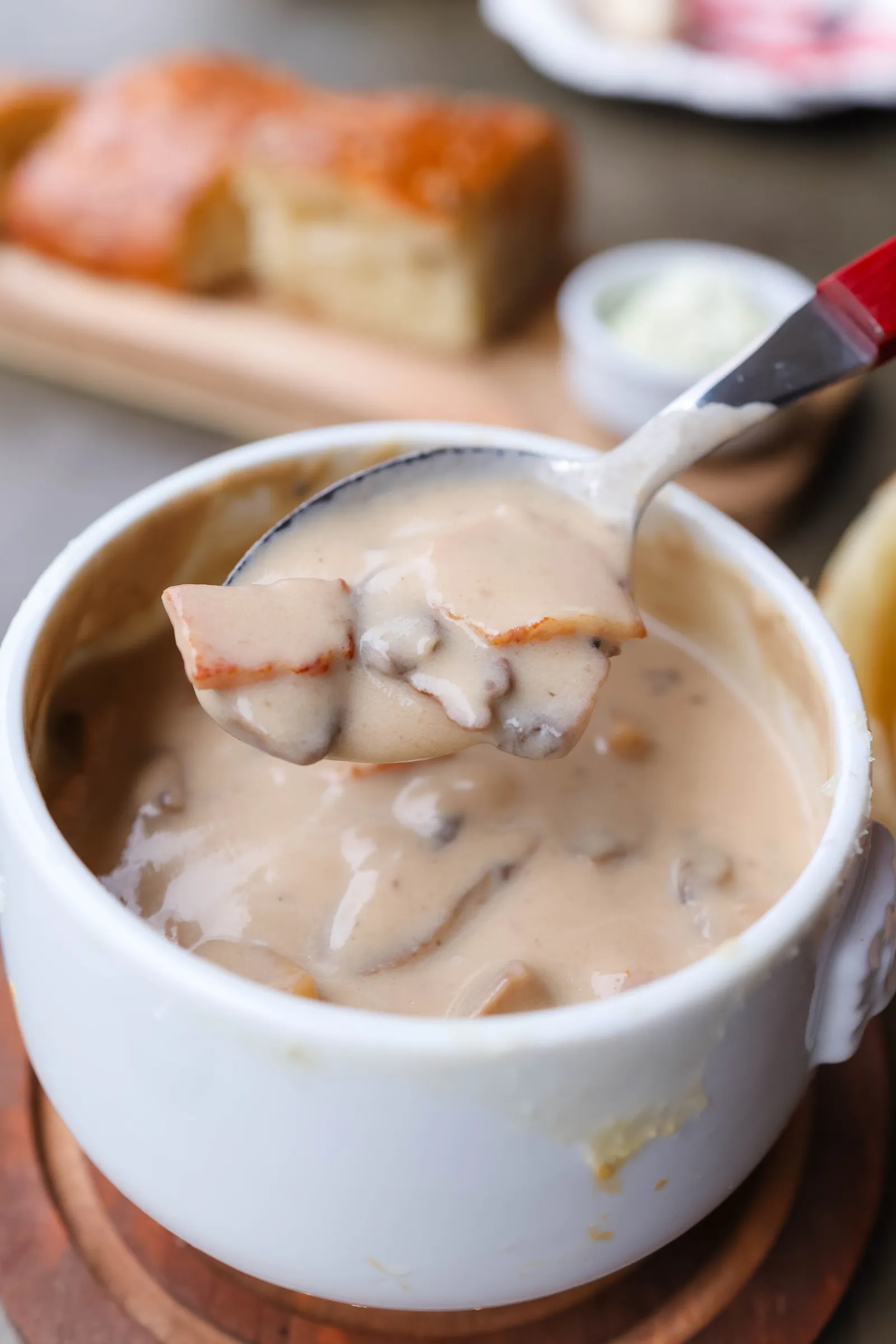
Vegetarians and vegans can eat well across Ireland by looking in a few reliable places: dedicated plant-based kitchens in the cities, cuisines with deep meat-free traditions such as Indian and Middle Eastern, cafés that build vegan dishes into the menu, and country places that cook from their own or nearby farms. Outside the cities, ring ahead or check the menu online, because choice in small towns varies far more than in Dublin, Cork or Galway.
The rest of this guide covers where to look, which Irish dishes adapt well, what to ask, and how to keep it affordable.
How has plant-based eating changed in Ireland?
Not long ago, a vegetarian eating out in Ireland was usually offered one dish, often pasta or a vegetable lasagne. Now plant-based options are a normal part of most city menus, plant milks are standard in specialty cafés, and some chefs treat vegetables as the centre of the plate rather than a substitute for meat.
Two things drive the best of it. Ireland's temperate climate grows excellent vegetables, from spring greens to autumn roots, and the best kitchens build menus around what is in season. And many chefs have close relationships with local growers, which shows on the plate.
The spread is still uneven. The cities have the most choice; smaller towns can range from excellent to very limited.
What kinds of places are best for vegetarians and vegans?
Dedicated vegetarian and vegan kitchens. Everything on the menu is an option, and cross-contamination with meat is not a worry. Most are in the bigger cities.
Mainstream places with real plant-based choice. Many good places now have several vegetarian and vegan mains rather than one. Look for dishes with a proper source of protein: lentils, beans, tofu, tempeh or seitan.
Cafés. Often the most reliable everyday option, especially for breakfast and lunch, with soups, salads, grain bowls and baking.
Country kitchens and farm-led places. Some rural places grow their own vegetables or buy from neighbouring farms, and their vegetable cooking can be the best in the country. Some also offer rooms, which makes them a reason for a weekend away.
Food trucks and markets. Plant-based street food, from falafel to tacos, is common at markets and food truck pitches.
Where to look, region by region
Dublin. The most choice in the country, from fully vegan places to cuisines with long vegetarian traditions. Our guide to vegan and vegetarian food in Dublin goes into detail.
Cork. The English Market has shaped the city's food culture since 1788, and West Cork's artisan producers supply cheese, bread and vegetables to kitchens across the county. Note that much artisan cheese is made with animal rennet, which matters to some vegetarians. See the Cork city page.
Galway. A compact city centre makes it easy to walk between several places, and its café culture has plenty of vegetarian and vegan choice.
Dublin in more detail. The city centre has the densest mix of plant-based kitchens, from quick lunches for a shopping break to calmer rooms for a special occasion or a business dinner. On the southside, Ranelagh, Rathmines and Donnybrook have neighbourhood places that become local institutions, relaxed and consistent. The northside has some of the most inventive cooking, often in spaces that mix food with local art and community. Café culture runs through all of it, with plant-based breakfast and lunch at the centre of the menu rather than at the edge.
Cork in more detail. Cork city's plant-based places are often in characterful buildings, which adds to the evening. The English Market shapes how chefs buy, so seasonal vegetables and good bread are easy to find, and West Cork's artisan producers add cheese, pickles and baking to menus. Along the coast, some kitchens cook with sea vegetables and foraged ingredients alongside the day's produce.
Galway in more detail. The compact centre makes it easy to compare several plant-based places on foot. Some Galway kitchens present Irish dishes in vegetarian and vegan versions, which is a good way to taste local food without compromise, and the city's arts scene means some places pair a plant-based menu with music, art and events.
Smaller towns and the countryside. Choice is patchier. A town page on Mosey shows what people have actually rated there, which helps when you arrive somewhere you do not know. See travel.
Which dishes and cuisines suit plant-based diners?
Irish dishes that adapt well
Traditional Irish food was built on potatoes, vegetables, grains and dairy, so some of it is vegetarian already and some adapts easily.
- Colcannon and champ. Mashed potato with cabbage or kale, or spring onions. Vegetarian as made, usually with butter and milk, so vegans should ask for a plant-based version.
- Boxty. A potato pancake, often vegetarian. Check what it is served with.
- Vegetable soups and broths. A staple on Irish menus, but ask whether the stock is vegetable or meat.
- Vegetarian Irish stew. Mushrooms, root vegetables and a good stock in place of lamb.
- Vegetarian and vegan black pudding. Made by some Irish producers, so a meat-free full Irish is possible in many cafés.
- Soda bread. Traditionally made with buttermilk, so vegetarian but not vegan unless a place makes a vegan version.
Our guide to traditional Irish dishes has more on what each one is.
Cuisines with deep meat-free traditions
- Indian and South Asian. Dal, vegetable curries and paneer are central to many regional cuisines, and many Indian places in Ireland have extensive vegetarian menus.
- Middle Eastern and Mediterranean. Mezze is naturally plant-rich: hummus, falafel, tabbouleh, grilled vegetables.
- Italian. Beyond a basic margherita, many places offer vegetable pasta dishes and regional specialities without meat.
- East and South-East Asian. Tofu and vegetable dishes are common, though fish sauce and shrimp paste appear in many sauces, so vegans should ask.
How do you read an Irish menu as a vegetarian or vegan?
Irish menu language hides a few traps. "Soup of the day" may be made with meat stock, "champ" and "colcannon" are usually finished with butter and milk, "baked" desserts may use butter and egg, and "from the market" tells you nothing about what is in it. Menus also change with the seasons, so a place that was ordinary for vegans in January can be much better in June. Regional specialities, from potato dishes to local cheeses, are often adaptable: ask what the kitchen can do rather than assuming the menu is fixed.
What should you ask when booking or ordering?
Places in Ireland vary a lot in how well they understand vegetarian and vegan needs, so a few direct questions save disappointment:
- Is the stock vegetable? Soups, risottos and sauces often use meat or fish stock.
- Is there butter, cheese, egg or honey in it? The usual hidden ingredients for vegans.
- Is the fryer shared with meat or fish?
- Can you make it without the cheese? A simple change that some kitchens are happy to make.
- For a set menu or group booking, tell the place in advance. Many will prepare a proper plant-based option if they know.
If you also need gluten-free, say so clearly. Many places can do vegan or gluten-free; fewer can do both at once without notice.
Rural, coastal and country-house plant-based eating
Outside the cities, choice runs from excellent to thin. The best rural places grow their own vegetables or buy from neighbouring farms, so their cooking follows the seasons closely. Some country houses and hotels now offer a full vegetarian or vegan tasting menu if you ask a few days ahead. Coastal places may use sea vegetables and foraged ingredients alongside the day's produce, and a clifftop or mountain setting can make a plant-based meal an occasion in itself. In small towns, ring ahead, because a kitchen that knows you are coming can plan a proper dish.
Can you eat a balanced plant-based meal when eating out?
Yes, if you look for variety. Good kitchens combine pulses, tofu, tempeh, nuts, seeds and whole grains with a spread of vegetables rather than relying on pasta or chips. Check the photographs to see whether a dish is built around real ingredients or processed meat alternatives, and choose what suits you. Burgers, tacos, noodle dishes and street-food classics are now often available in plant-based versions, and some places offer raw or gluten-free vegan options too, though advance notice helps with those.
Special occasions, groups and events
Celebrations are easier when you plan. Tell the place when you book that some of the group are vegan or vegetarian, and ask whether the set menu or tasting menu can be adapted. Plant-based pop-ups, cooking classes and tasting evenings run around the country, usually in small numbers and often selling out, so follow the places you like to hear first.
Eating plant-based through the Irish year
Seasons matter more for plant-based cooking than for most. Spring and summer bring the lightest, freshest food: greens, herbs, new potatoes, berries and salads, and many kitchens put on seasonal menus. Autumn and winter favour roots, squash, stews, soups and baking, with hearty warming dishes that vegetarians sometimes find the most satisfying of the year. Holidays and celebrations such as Christmas increasingly come with a plant-based option on the set menu, but it needs notice, so ask when you book.
Eating plant-based on a budget, in any season
- Lunch menus and early evening set menus at better places are often the cheapest way to try their vegetable cooking.
- Cafés offer substantial plant-based breakfasts and lunches for much less than a dinner.
- Markets combine street food with produce stalls, and are often the best value of all.
- Indian and Middle Eastern places tend to offer generous vegetarian dishes at moderate prices.
- Market days. Pairing a farmers' market visit with a nearby lunch shows you the producers behind the menu and is often the best value of all.
- Group meals. Planning a plant-based celebration with a group often unlocks a set or sharing menu at a good price.
- Rewards. Some places run loyalty programmes that suit regular plant-based diners, and some run occasional tasting menus or events that showcase what the kitchen can do.
Using Mosey to find plant-based food
When people rate a place on Mosey, they can tag it, and the dietary tags include Vegetarian, Vegan and Gluten-Free. Because the tag comes from somebody who ate there, it means the menu suited a person eating that way.
Every rating carries photographs of what the person ate, so you can see the vegan option before you order it. You can search for a specific dish rather than a cuisine, which often turns up better options. See dishes. Save the places that got it right to a list, with a note about which dish to order, and rate the next place you eat so the next vegetarian or vegan finds it.
Try it on Mosey
Search for vegetarian or vegan where you are, check the photographs of the dishes, and tag your own ratings so others can find what you found.
Questions
Common questions
Is it easy to eat vegan in Ireland?
In the cities, yes, with fully plant-based places and plenty of choice on mainstream menus. In smaller towns choice varies a lot, so check menus or ring ahead.
Which traditional Irish dishes are vegetarian?
Colcannon, champ and boxty are usually vegetarian, and many places offer vegetarian Irish stew. Check soups for meat stock, and note that soda bread usually contains buttermilk.
Can I get a vegan full Irish breakfast?
Often, yes. Some Irish producers make vegetarian and vegan black pudding, and many cafés offer a plant-based version of the breakfast.
Is Irish cheese vegetarian?
Not always. Some artisan cheese is made with animal rennet, so vegetarians who avoid it should ask.
How can I find vegetarian places on Mosey?
People can tag places as Vegetarian, Vegan or Gluten-Free when they rate them. You can also search for a specific dish and look at the photographs people took.
What should vegans ask when ordering?
Ask whether the stock is vegetable, whether a dish has butter, cheese, egg or honey in it, and whether the fryer is shared with meat or fish.
Can I get vegan and gluten-free food at the same time?
Many places can do one or the other easily, but fewer can do both without notice. Tell the place when you book.
Can I eat a vegan tasting menu or celebrate a birthday as a plant-based diner?
Often, with notice. Tell the place when you book that someone is vegan or vegetarian, and ask whether the set or tasting menu can be adapted. Some country houses and city restaurants offer a dedicated plant-based menu if you ask a few days ahead.
More like this
Read next
How to book a restaurant table online in Ireland, without ringing
Where online bookings live, what to have ready, what a deposit means, and what to do when a place shows as full. Booking a table without picking up the phone.
Communion and confirmation lunch: how to book a table for the family
How to book a communion or confirmation lunch for a big family: when to ask, ordinary booking or group request, deposits, set menus, allergies and a table that suits every age.
Top 3 on Mosey: how to name your favourite places in Ireland
Top 3 on Mosey asks one question at a time, such as coffee or a pub, and you name up to three places in your town, ranked. Your picks become a private list.
Eat your way round all 32 counties of Ireland: a food bucket list
Rate a place to eat in each of the 32 counties of Ireland and the Mosey counties badge keeps count. Here is what counts, how the levels work and how to plan it.