
Food culture
Coffee lovers and matcha drinkers: how Ireland's café and coffee culture has changed
Mosey · 22 September 2026 · 10 min read
Last updated 14 November 2026
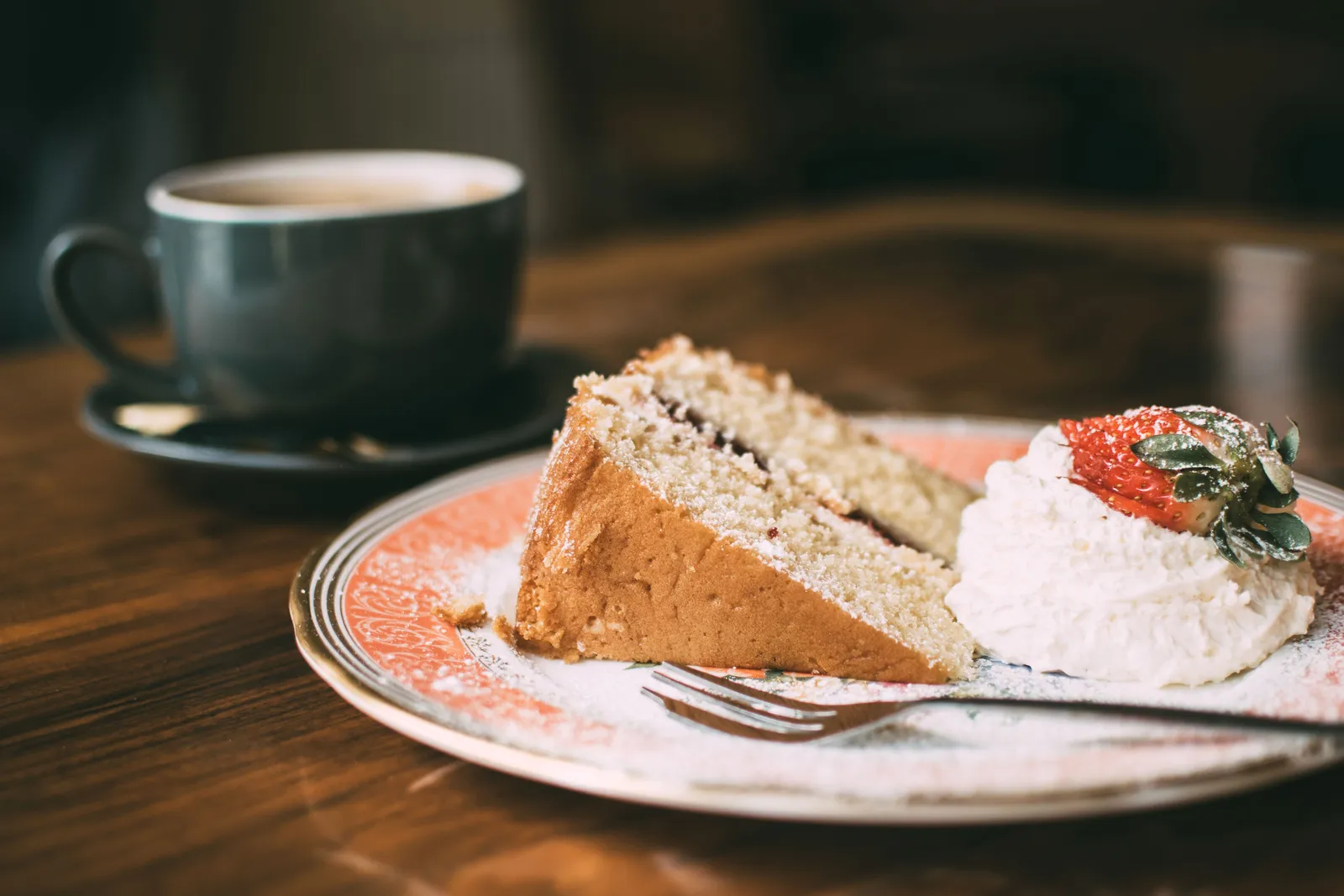
Over roughly the past decade, Ireland has gone from a tea-drinking country where coffee often meant instant to one where specialty coffee is expected in towns of every size. Irish roasters now supply cafés nationwide, the flat white became the everyday order, cafés became places to work and meet as much as to drink, and menus widened to include plant milks, cold brew and matcha.
Tea has not gone anywhere. But the café has become one of the main places Irish people meet, work and spend a morning, and the coffee in it has improved enormously.
From a tea country to a coffee culture
For generations, Ireland was firmly a tea-drinking country. Coffee existed, but at home it was usually instant, and in many towns a good espresso was hard to find.
Several things changed that:
- Travel and migration. Irish people who spent time in Australia, Italy and elsewhere came home expecting better coffee, and people who moved to Ireland brought their own expectations.
- A new generation. Younger people adopted the café as a social space in a way their parents mostly had not.
- Specialty roasters. Irish roasters began buying, roasting and serving coffee with real care, and training the baristas who went on to open their own cafés.
- Remote work. Working from home sent people looking for somewhere else to sit with a laptop for a few hours.
How did Irish specialty coffee grow?
Dublin led the way. A handful of Irish roasters and cafés built the specialty scene in the capital, and their influence spread through training, wholesale and the baristas who learned with them.
It did not stay in Dublin. Roasters in Cork and elsewhere now supply independent cafés across the country, and several run training schools of their own. The result is that good coffee in a county town or a village is no longer a surprise; it is expected.
Specialty coffee reaches the small towns
The biggest change of all may be how far it travelled. A decade ago, a flat white in a village could earn a puzzled look. Today, good coffee in a county town or a village is expected, and the quality gap between Dublin and the rest of the country has narrowed a great deal. Café owners who trained in the cities have opened in their home towns, roasters supply independent cafés nationwide and training has spread beyond the capital. Many of those cafés have also become the place in town where people meet.
What changed about the coffee itself
Specialty cafés now talk about coffee the way wine is talked about:
- Origin. Single-origin coffees named by country, region or farm.
- Tasting notes. Chocolate, berries, citrus.
- Processing. Washed, natural and honey-processed beans taste different.
- Brewing. Espresso, filter, pour-over and batch brew, each suited to different beans.
- Seasonality. Rotating coffees that change with harvests in growing countries.
This has not made coffee snobbish so much as better. Understanding a little about it makes it easier to recognise good coffee wherever you find it.
Cafés as community spaces
As other places to gather became fewer in many towns, the café filled some of the gap. Cafés are now a third space: neither home nor work, but somewhere to meet friends, hold a first date, run a book club or bring a pram.
The atmosphere is different from a pub. You can stay longer, drink one flat white over an hour, and there is no pressure to keep ordering rounds. For daytime socialising, fancy a coffee has replaced fancy a pint for many people.
Independent cafés have leaned into this, with distinctive rooms that reflect their neighbourhood. Some combine coffee with food shopping, an art gallery or a work and meeting space.
Working from cafés
Remote and hybrid work made the café a part-time office for many people. Cafés responded in different ways: some welcome laptops all day, some ask people to keep tables free at lunchtime, and some prefer to stay laptop-free. Some cafés became known as places people work from, with power sockets, good WiFi and seating built for a long stay.
If you work from cafés, the etiquette is simple: buy something every so often, give up a big table when it gets busy, and respect a café that would rather keep lunch for eating.
How did people's expectations of coffee change?
The most dramatic change is not that Ireland drinks more coffee but that people expect more of it.
- From instant to espresso. Instant used to be the default at home: convenient, cheap and good enough. Pod machines, French presses, pour-over kits and home espresso machines became ordinary, especially during the pandemic, and people now know what a good cup tastes like.
- A higher bar for cafés. If your kitchen machine makes a decent espresso, the café has to offer something clearly better to justify the price. Cafés that rose to it thrived; those that did not lost customers.
- Coffee talked about like wine. Single origins, tasting notes, processing methods and brewing methods are now normal subjects at the counter, and curious customers are welcome to ask.
- Seasonal coffees. Specialty cafés rotate what is on the espresso and filter as harvests change, treating coffee as an agricultural product with natural variation, not a commodity that must always taste the same.
- Ethical sourcing as a baseline. Where beans come from and how farmers are paid, once a niche selling point, is now an expectation, and many roasters publish it.
How do chains and independents coexist?
When specialty cafés were few, the big chains were many people's first taste of proper coffee. As independents improved, the chains' strength, predictability, became less of an advantage. Independents now lead on character, quality and community. The usual ways they stand out are their own roast or a close partnership with an Irish roaster, baking made in-house, rooms that reflect the neighbourhood, regulars known by name and the freedom to try pour-over, cold brew and guest coffees. Chains have adapted too, with better beans, trained baristas and plant milks, but their strength remains convenience and prime locations, which suit a grab-and-go order better than a place to linger.
How did the pandemic change Irish cafés?
When cafés could not seat customers in 2020, the ones that survived adapted quickly:
- Takeaway hatches and outdoor collection points
- Beans and brewing equipment sold for home, often with advice on brewing
- Collection and delivery, with ordering ahead becoming normal
Some of that stayed. More cafés have outdoor seating than before. People drink better coffee at home, so café visits are more about the experience, the company and the change of scene. Ordering ahead and paying by phone became ordinary. And many people chose to support local independent cafés during the lockdowns and kept doing so.
The trends that defined the decade
The flat white
Espresso with a thin layer of steamed milk, stronger and less foamy than a cappuccino. It arrived in Ireland's specialty cafés and became the default order, eventually appearing on chain menus too.
Plant milks
Not long ago, soy was the only alternative and often only on request. Now oat, almond, coconut and others are standard, and many people order oat milk by preference rather than need. Baristas have had to learn how each one foams and tastes.
Cold brew and iced coffee
Ireland's weather made cold coffee seem unlikely, but iced lattes and cold brew are now on many menus year-round, especially popular with younger customers.
Is matcha popular in Ireland?
Yes. Matcha, the powdered Japanese green tea, has gone from almost unknown to a regular on café menus around the country, as a latte, iced or in baking. People choose it for a different kind of caffeine, for its taste and for its colour. Good cafés source decent matcha and whisk it properly. Its arrival shows how far the café has moved from being only a coffee shop.
Single origins and the seasons
Specialty cafés rotate their coffees through the year, so the espresso can change as harvests do. Customers have grown comfortable seeing a menu that names the country and tasting notes and says it is available while stocks last. It is a habit borrowed from seasonal cooking.
Latte art and photographs
Hearts and rosettas on flat whites became a sign of a skilled barista, and photographs of beautiful coffee on social media became free advertising for cafés.
Sustainability
Reusable cups, discounts for bringing your own, compostable takeaway cups and more information about where beans come from and how farmers are paid have become normal in specialty cafés.
What are the challenges for Irish cafés?
Café owners face real pressure. Rent, wages and the price of coffee have all risen, many cafés run on thin margins even at premium prices, skilled baristas are hard to hire (especially outside the cities), the number of cafés in the cities is high enough that differentiation is a necessity and cost-of-living worries make some people cut back on a daily takeaway. The cafés that last combine excellent coffee with a loyal local following, and often with another income stream such as events, catering or beans for sale.
Where Irish café culture is going
Nobody can predict it precisely, but the direction is clear:
- More good coffee outside the cities. Experienced baristas who move to the country for lifestyle reasons and roasters who supply nationwide keep narrowing the gap.
- More cafés as work and community spaces, with co-working style layouts, events, book clubs and small retail alongside the coffee.
- More ordering ahead and paying by phone, with loyalty built into the app.
- More attention to where coffee comes from, with shorter supply chains, reusable cups as the norm and a move away from single-use waste.
- More experimental coffee, with new processing methods, filter coffee and competition-level brews becoming easier to find.
- More drinks that are not coffee at all, matcha and plant-based drinks included.
Ireland is not going back to instant coffee and a tea monopoly. It has become, permanently, a coffee culture with its own character: European coffee quality with Irish hospitality, where "fancy a coffee?" is as natural as "fancy a pint?".
Home brewing, cafés and the price of a good cup
Better coffee at home changed what a café is for. Pod machines, pour-over kits and home espresso set-ups became common, so people bring higher expectations to a café and expect something they cannot easily make themselves. That is part of why café visits now centre on the experience, the company and the change of scene, and why people will pay more for an exceptional cup than they once would have for any coffee.
Where to find coffee and matcha near you
If you want a specific thing, search for it. On Mosey you can look for a place by atmosphere (a laptop-friendly café, somewhere quiet or somewhere lively), by cuisine, or by the dish and drink, such as an oat milk flat white, a single-origin filter or a matcha latte. People's photographs and ratings show what arrived on the table, and lists let you keep separate shortlists for work, for weekends and for travelling.
Finding good cafés with Mosey
People on Mosey can tag a place for Specialty Coffee when they rate it, and every rating carries photographs, so you can see the coffee and the baking before you go. Dublin's great coffee page lists the places people tagged most. For the café you visit most, rewards count your visits when you pay through Mosey or tap at the counter, and some cafés run memberships. If you want to learn, some courses cover coffee cupping and barista training.
For more, see our guide to the best cafés in Ireland.
Try it on Mosey
Find the cafés near you that people rate for coffee, join the rewards at your regular, and rate the next flat white or matcha that impresses you.
Questions
Common questions
Is Ireland a tea or coffee country?
Both. Tea is still drunk widely, but specialty coffee has become part of everyday life over roughly the past decade, and good cafés are now found in towns of every size.
Who started the specialty coffee scene in Ireland?
Many people did, but Dublin roasters and cafés such as 3fe, founded by Colin Harmon, and Coffee Angel, founded by Karl Purdy, were important early influences.
What is a flat white?
Espresso with a thin layer of steamed milk, stronger and less foamy than a cappuccino. It became the everyday order in Irish specialty cafés.
Can I get matcha in Irish cafés?
Yes. Matcha lattes and iced matcha are now common in cafés around Ireland, alongside the coffee.
Do Irish cafés offer plant milks?
Most specialty cafés offer oat milk and often several others, such as almond or coconut.
Is it OK to work from a café in Ireland?
Many cafés welcome laptops at quiet times. Buy something every so often and free up big tables when it gets busy.
How can I find good coffee near me?
Look for places people have tagged for Specialty Coffee on Mosey, and check the photographs of the coffee and baking before you go.
Why did Irish people start drinking so much more coffee?
Travel and migration raised expectations, younger people adopted the café as a social space, specialty roasters made better coffee available and remote work sent people looking for somewhere to sit. Better coffee at home raised the bar for cafés too.
More like this
Read next
How to choose a restaurant that suits everyone in a group
Allergies, budgets, children and the friend who only eats chips. How to pick one place a whole group will be happy with, and settle it in a day rather than a week.
Autumn eating in Ireland: what to look for on a menu
An autumn menu shows when a kitchen is paying attention. Here is what to look for, what to ask and which dishes suit the cooler months.
Barmbrack and Halloween food in Ireland
Barmbrack is a fruit loaf often eaten around Halloween. Here is what is in it, how to judge a loaf and what else turns up on the table.
Early bird menus explained
An early bird menu is a set offer for early diners. Here is what it usually means, how to check the terms and when it makes sense.
