
Food culture
Authentic Italian, Indian and Thai food in Ireland: how to find it
Mosey · 22 September 2026 · 5 min read
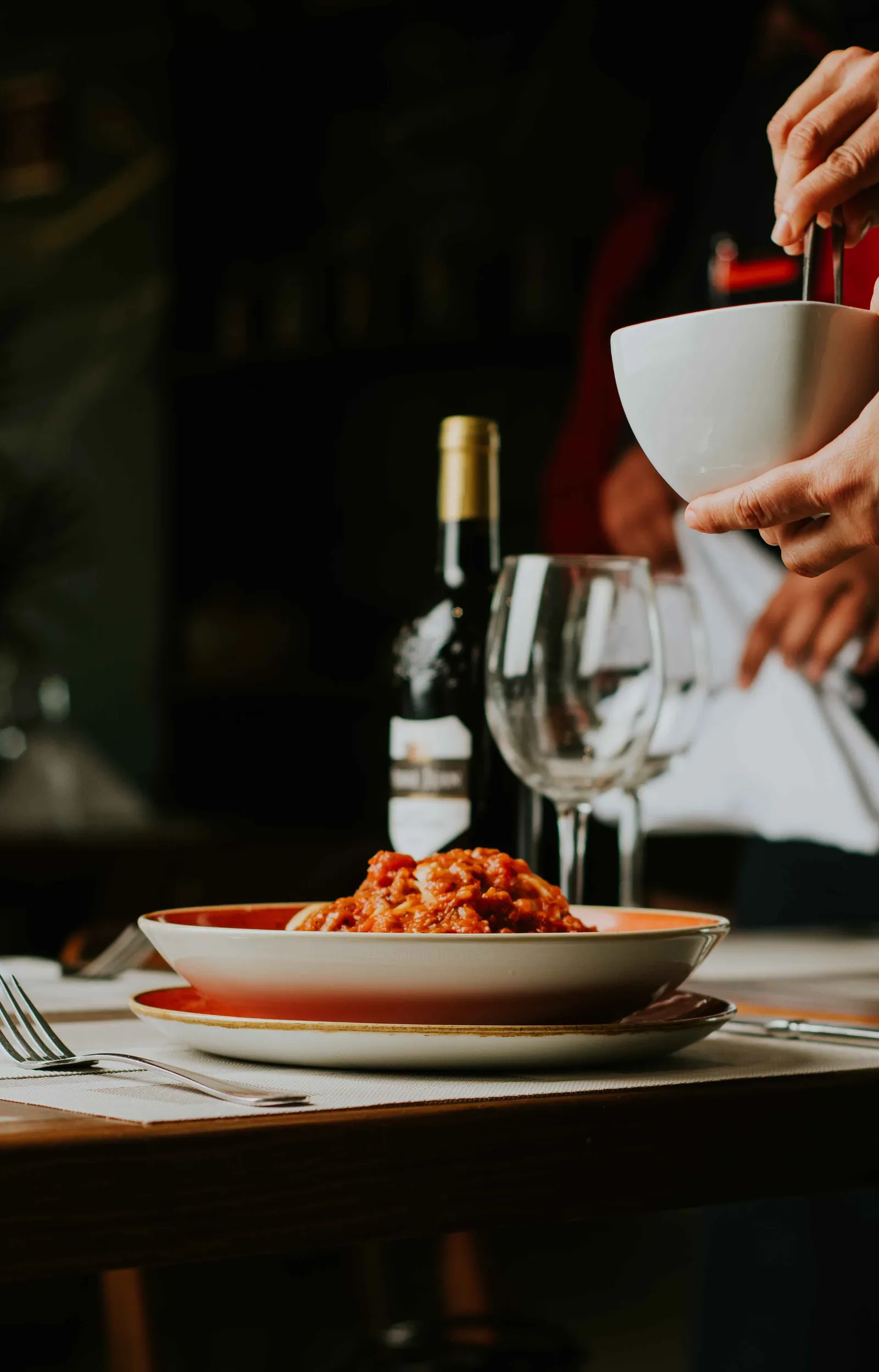
There is no filter for authenticity, so the best way to find authentic Italian, Indian, Thai and other cuisines in Ireland is to search for the specific dishes a kitchen would cook at home, then look at photographs and ratings of those dishes from people who ate them. A short, specific menu and dish photographs that look like somebody's home cooking tell you far more than the word "authentic" on a sign.
What does "authentic" actually mean when you eat out?
It is a slippery word, and it is worth being clear about what you are looking for. Usually people mean one of three things:
- A kitchen cooking its own food. The chef grew up with the cuisine, or trained in it properly, and cooks it the way it is cooked at home.
- Regional rather than generic. Not "Indian food" but the cooking of a particular region, with dishes you will not find on every takeaway menu.
- No shortcuts on the things that matter. Fresh pasta, spices ground and toasted in the kitchen, a curry paste made rather than bought.
What authenticity does not mean is frozen in time. A Thai cook using Irish pork, or an Italian kitchen working with Irish dairy, is doing exactly what cooks everywhere do: cooking their food with what is good locally.
Signs of a kitchen that takes its cuisine seriously
You can usually tell from the menu and the photographs before you ever sit down.
- A focused menu. A kitchen trying to cover four countries usually covers none of them well. A shorter list of dishes from one place is a good sign.
- Regional and specific dishes. Names you have to look up, with a description that explains them, suggest a kitchen cooking for people who know the food.
- Specials that change. A board of dishes that depends on the day's market is a kitchen paying attention.
- Photographs that look like the food, not a stock image. On Mosey, almost all the food photography comes from customers at the table. A dozen plates from a dozen visits shows you what really arrives.
- What people say about one dish. "The best dal I have had outside my mother's kitchen" is worth more than five stars.
Italian: what to search for
Italian food in Ireland ranges from serious regional cooking to garlic bread and a lasagne that has been reheated for three days. The difference shows in a few dishes.
- Pasta made in the kitchen, and pasta dishes that are simple on purpose: cacio e pepe (pecorino and black pepper) or a carbonara made the Roman way with egg, pecorino and guanciale rather than cream.
- A slow-cooked ragù served with the right shape of pasta.
- Neapolitan-style pizza with a soft, blistered crust from a very hot oven, often wood-fired.
Search for those dishes by name and compare the photographs. A carbonara that looks glossy and yellow, rather than white and soupy, tells you a lot about the kitchen.
Indian, Pakistani and Nepalese: look beyond the standard menu
Many places in Ireland serve a familiar list of curries. The kitchens worth seeking out usually also cook something more particular.
- South Indian dishes such as dosa, a large, thin, crisp pancake made from a fermented batter.
- A biryani cooked as a dish in its own right, layered rice and meat or vegetables, rather than rice with curry stirred in.
- A thali, a set of small dishes on one tray, which shows off the range of a kitchen.
- Nepalese momo, steamed or fried dumplings.
Mosey's cuisine filter has Indian, Pakistani and Nepalese as separate options, which is a good start when you want a specific regional tradition.
Thai, Vietnamese, Japanese and Korean
The same approach works across Asian cuisines: search for a dish the takeaways do not all serve.
- Thai: som tam (green papaya salad) or larb (a spiced minced meat salad), both of which need balance between sour, hot, salty and sweet.
- Vietnamese: pho with a clear, long-cooked broth, or a banh mi in a crisp baguette.
- Japanese: ramen with a broth that has clearly been cooked for hours, or sushi from a counter that takes it seriously.
- Korean: bibimbap, or anything cooked at the table.
Each of these is a separate option in the cuisine filter, alongside Malaysian, Indonesian, Filipino and more.
How to search by cuisine and dish on Mosey
Mosey's cuisine filter is grouped by region (European, Asian, Middle Eastern and African, the Americas) and starts with the dishes people are hungriest for, such as pizza, burgers and sushi. Pick a cuisine to narrow a city or town, then switch to searching for a dish.
Searching for the dish is often the better question. Each dish has its own page at each place, with photographs from people who ordered it and, where they said, what they paid. The best version of a dish near you is frequently somewhere that does not describe itself the way you would have searched. See finding a place by the dish, and browse the best dishes in Ireland to see which plates people rate highest.
Diners can also tag places for unique flavours, which is a useful signal when you want something you have not eaten before.
Do not forget Irish food
Authentic cooking in Ireland includes Irish cooking. Seafood straight off the boats in coastal towns, brown bread, a proper stew and a full Irish are as worth seeking out as any import. Read our guide to traditional Irish dishes to try for where to start.
Try it on Mosey
Pick a dish you love from a cuisine you trust, search for it, and compare the photographs before you choose.
Questions
Common questions
Is there an authentic restaurant filter on Mosey?
No. Authenticity cannot be filtered for, so the best approach is to search for specific dishes and judge them from photographs and ratings by people who ate them.
How can I tell if an Italian restaurant is authentic?
Look for pasta made in the kitchen, a focused menu, and dishes cooked the traditional way, such as carbonara with egg and pecorino rather than cream. Photographs of those dishes tell you a lot.
Can I filter by a specific cuisine, like Nepalese or Vietnamese?
Yes. The cuisine filter includes individual cuisines such as Indian, Pakistani, Nepalese, Thai, Vietnamese, Japanese and Korean, grouped by region.
Can I search for a dish instead of a cuisine?
Yes, and it is often the better search. Each dish has a page at each place with photographs from people who ordered it.
Are the dish rankings paid for?
No. Dish pages and rankings come from ratings by people who ate there, and a place cannot write them or pay to change them.
What does a dish page show?
Photographs of that dish at that place from people who ordered it, what they thought, and what they paid where they said.
What if nobody has rated the dish I want?
Then you get to be first. Naming what you had when you rate a place builds the dish page for everybody after you.
More like this
Read next
How to choose a restaurant that suits everyone in a group
Allergies, budgets, children and the friend who only eats chips. How to pick one place a whole group will be happy with, and settle it in a day rather than a week.
Autumn eating in Ireland: what to look for on a menu
An autumn menu shows when a kitchen is paying attention. Here is what to look for, what to ask and which dishes suit the cooler months.
Barmbrack and Halloween food in Ireland
Barmbrack is a fruit loaf often eaten around Halloween. Here is what is in it, how to judge a loaf and what else turns up on the table.
Early bird menus explained
An early bird menu is a set offer for early diners. Here is what it usually means, how to check the terms and when it makes sense.
