
How to
Vegetarian and vegan eating out: how to choose a place
Mosey · 23 October 2026 · 4 min read
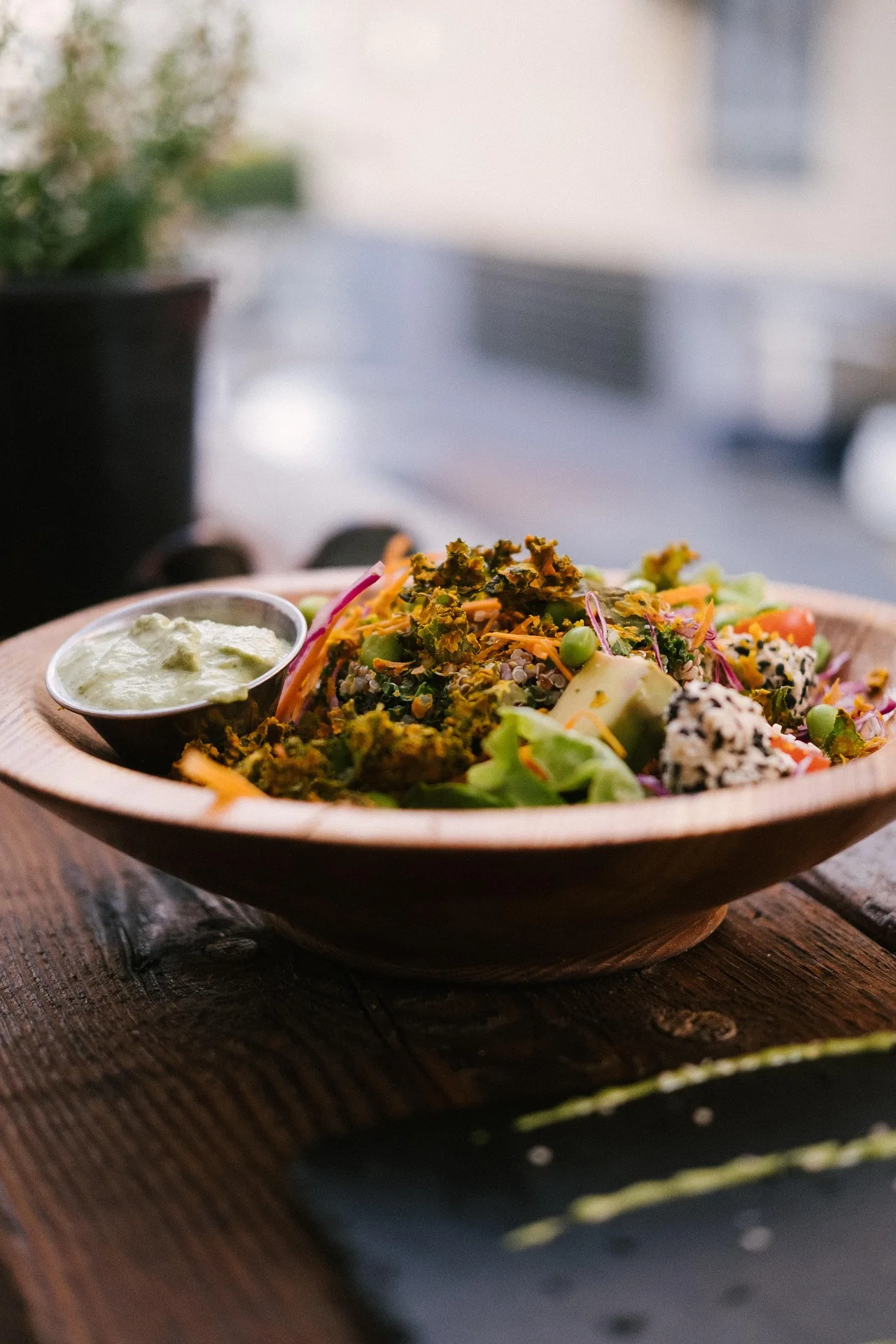
To eat well as a vegetarian or vegan, look past the menu label and check how the kitchen cooks. A dish marked vegetarian can still contain meat stock, fish sauce or animal fat, and a "vegan" option may be cooked on a shared surface. A clear answer from the kitchen matters more than a symbol on a menu.
Start with the menu
Read the menu before you go. Count the options. A place with one vegetarian dish and four sides is not building a meal for you. A place with several dishes where vegetables are the point is a better bet. Look at whether the dishes sound like a plan or an afterthought.
Look at photographs
Photographs from recent diners show you what the dishes look like. A vegetarian plate that is generous and colourful is a good sign. A plate of plain side vegetables is less so.
On Mosey, raters tag places for vegetarian food. Look at the tag and read what raters say. Note that the tag reflects what diners said, not a guarantee from the kitchen.
Ask the kitchen
Questions to ask:
- Is it cooked with meat, fish or animal stock?
- Is it cooked in butter, lard or dripping, if you are vegan?
- Does it contain egg, dairy or honey?
- Is it cooked on a shared surface or fryer?
- Can the dish be adapted?
A good server will go and check. If they cannot answer, ask them to find out.
Stricter or looser
People mean different things by vegetarian and vegan. Some avoid cross contact strictly, others do not. Decide what matters to you and say so.
Vegan desserts and drinks
Check desserts, sauces, bread and drinks. Some wines and beers use animal products in processing. Ask if it matters to you.
Booking and groups
If you are part of a mixed group, choose a place where everyone can eat well. Tell the place about the vegetarians and vegans when you book. Where a place takes bookings on Mosey, you can add notes.
What a good plant-based plate looks like
A good vegetarian or vegan main has a centre: a dish built around a vegetable, a grain or a pulse with its own sauce and texture. It does not look like a meat dish with the meat removed. Look for contrast between soft and crisp, a sauce with depth and a portion that fills you. If the menu describes cooking methods and flavours, the kitchen has thought about it. If it only lists ingredients, ask.
Smaller towns and short menus
Smaller towns may have fewer vegetarian-focused places. Look at menus in advance, save two or three options and consider ringing.
Allergies are different
A dietary choice is not an allergy. If you have an allergy, say so clearly and treat it separately. Our guide to eating out with allergies explains.
A worked example for a group dinner
Suppose you are a vegan joining five friends who eat meat. Look at the menu before the booking is made, and suggest two or three places where you can eat well. Tell the place about your needs when the booking is made, and ask what the kitchen can do. On the night, order early and confirm the dish with the server. The aim is a meal where you eat properly and the table does not feel it had to compromise.
Learning a kitchen's habits
Over time you will learn which kitchens take your diet seriously. Notice whether a server can describe a dish confidently, whether the menu marks dietary options clearly and whether the answer to a question is specific. A kitchen that does well by you once is likely to do so again, so save it to a list and go back.
After the meal
If a place did well, rate it and mention what you ate. It helps other vegetarians and vegans.
Questions
Common questions
Can a vegetarian dish contain meat stock?
Yes. Always ask about stock, sauces and cooking fats.
How do I find vegetarian friendly places?
Look for the vegetarian tag on a place's page, read ratings and look at photographs.
What should I ask the kitchen?
Ask about meat, fish, animal fats, egg, dairy, honey and shared surfaces or fryers.
Is vegan the same as allergy safe?
No. A dietary choice is different from an allergy. Say clearly which applies.
Is a salad a vegan main?
It can be, if it is built to be a meal. A small side salad is not. Ask what is in it and how substantial it is.
Are chips vegan?
Not always. The oil or the seasoning may not be. Ask the kitchen how they are cooked.
More like this
Read next
How restaurant deposits and cancellation policies work in Ireland
Why places ask for a deposit, when you get it back, what a card hold means, and what to do when plans change. Restaurant deposits from the diner's side of the table.
Bank holiday weekend eating out: how to avoid disappointment
Bank holiday weekends are busy and hours change. Here is how to book, check opening times and find a table when you are caught out.
Coeliac and gluten free eating out: what to ask
Eating out gluten free depends on the kitchen's answers. Here are the questions that matter and how to read what you are told.
Easter weekend eating out: planning tips
Easter weekend means changed hours and busy rooms. Here is how to check, book and keep a backup for a family meal.
