
How to
Coeliac and gluten free eating out: what to ask
Mosey · 23 October 2026 · 4 min read
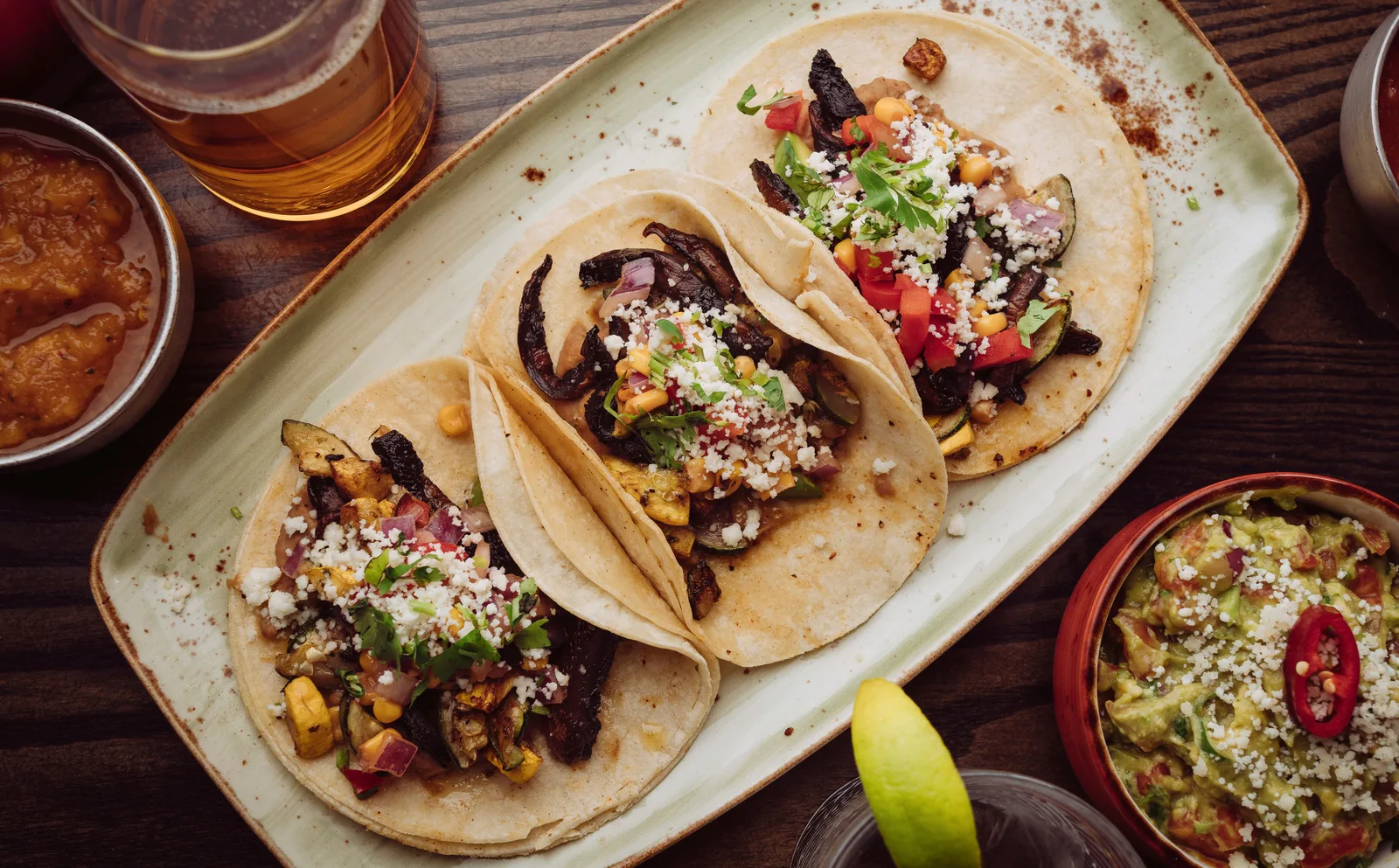
If you are coeliac or avoid gluten, the most important thing is not the label on the menu but what the kitchen tells you when you ask. A dish marked gluten free is a starting point, not a promise. Questions about ingredients, shared surfaces and fryers matter, and a good kitchen welcomes them.
This is not medical advice. If you have coeliac disease or an allergy, follow your doctor's guidance.
Say it first
Tell the person who takes your booking and the server that you need to avoid gluten, and say whether it is for medical reasons. It changes how a kitchen handles your order. Saying coeliac is clearer than saying you are avoiding wheat.
The questions to ask
- Which dishes can be made without gluten, and how?
- Are the ingredients, including sauces, stocks and seasonings, free of gluten?
- Is the dish cooked on a shared surface, in shared oil or with shared utensils?
- Is there a separate area or fryer?
- Who in the kitchen can confirm this?
If a server cannot answer, ask them to check with the kitchen. Do not accept a guess.
Hidden gluten
Gluten hides in many places: thickened sauces, stock, soy sauce, batter, some spices, malt vinegar, some drinks and shared chips. A salad can arrive with croutons. A grilled dish can be marinated in something containing wheat.
Read the menu label with care
A gluten free symbol shows intent. It does not always mean the kitchen can prevent cross contact. Ask about it. A place that says openly that it cannot guarantee a gluten free dish is being honest, and you can decide.
Photographs and ratings
On Mosey, raters tag places and mention dietary experiences. Read recent ratings with care. One person's good experience is not a guarantee for you. Use it as a lead to follow up.
Book ahead
Tell the place about your need when you book, so that the kitchen can prepare. This is especially useful for groups and for set menus.
Bakeries and cafes
Bakeries are hard because flour is in the air. Cafes may have a shared toaster. Ask about the surfaces and what is done to avoid cross contact.
What a good answer sounds like
A confident answer is specific. It names the dishes that can be adapted, says what will be swapped and describes how the kitchen separates the order. "Yes, that is fine" with no detail is less reassuring than "we use a separate pan and a clean board, and the chef will bring it out himself". If you hear a hesitant or vague answer, treat it as a no.
You can also ask how often the kitchen cooks for coeliacs. A kitchen that does it every day usually has a routine. One that has never done it may mean well but have no system.
Eating out in a new town
In a new town, save a few places in advance and ring ahead. Do not leave it to the last minute when you are hungry.
A worked example for a first visit
Suppose you are going to a new place for lunch. A day or two before, look at the menu, ring the place and say you need to avoid gluten for medical reasons. Ask what the kitchen can offer and how it prevents cross contact. If you are not satisfied with the answer, choose somewhere else. If you are, book and note the name of the person you spoke to. On the day, repeat your needs to the server and ask them to confirm with the kitchen. This takes a few minutes and saves a bad evening.
Looking after yourself
Carry anything you rely on, such as a medicine or a snack, and do not eat anything you are not sure of. It is better to leave hungry than to be ill. A good place understands this, and a place that does not is not worth your time.
Trust your own judgement
If something does not feel right, you can decline and leave. A good place will understand. Our guide to eating out with allergies covers the wider picture.
Questions
Common questions
Is a gluten free label enough?
It is a starting point. Ask about shared surfaces, fryers and sauces.
Where does hidden gluten come from?
Thickened sauces, stock, soy sauce, batter, some spices, malt vinegar and some drinks.
Should I tell the place when I book?
Yes. It lets the kitchen prepare and gives you a better meal.
Is this medical advice?
No. Follow your doctor's guidance if you have coeliac disease or an allergy.
Is it rude to ask so many questions?
No. A good kitchen would rather answer them than risk making you ill.
What if the server is unsure?
Ask them to speak to the kitchen or the manager, and do not order until you have a clear answer.
More like this
Read next
How restaurant deposits and cancellation policies work in Ireland
Why places ask for a deposit, when you get it back, what a card hold means, and what to do when plans change. Restaurant deposits from the diner's side of the table.
Bank holiday weekend eating out: how to avoid disappointment
Bank holiday weekends are busy and hours change. Here is how to book, check opening times and find a table when you are caught out.
Easter weekend eating out: planning tips
Easter weekend means changed hours and busy rooms. Here is how to check, book and keep a backup for a family meal.
Eating out at Christmas in Ireland: how to plan
Christmas tables go early. Here is how to plan eating out in December, from booking and deposits to dietary needs and a backup plan.
