
City guide
Where to eat in Ireland, county by county
Mosey · 22 September 2026 · 7 min read
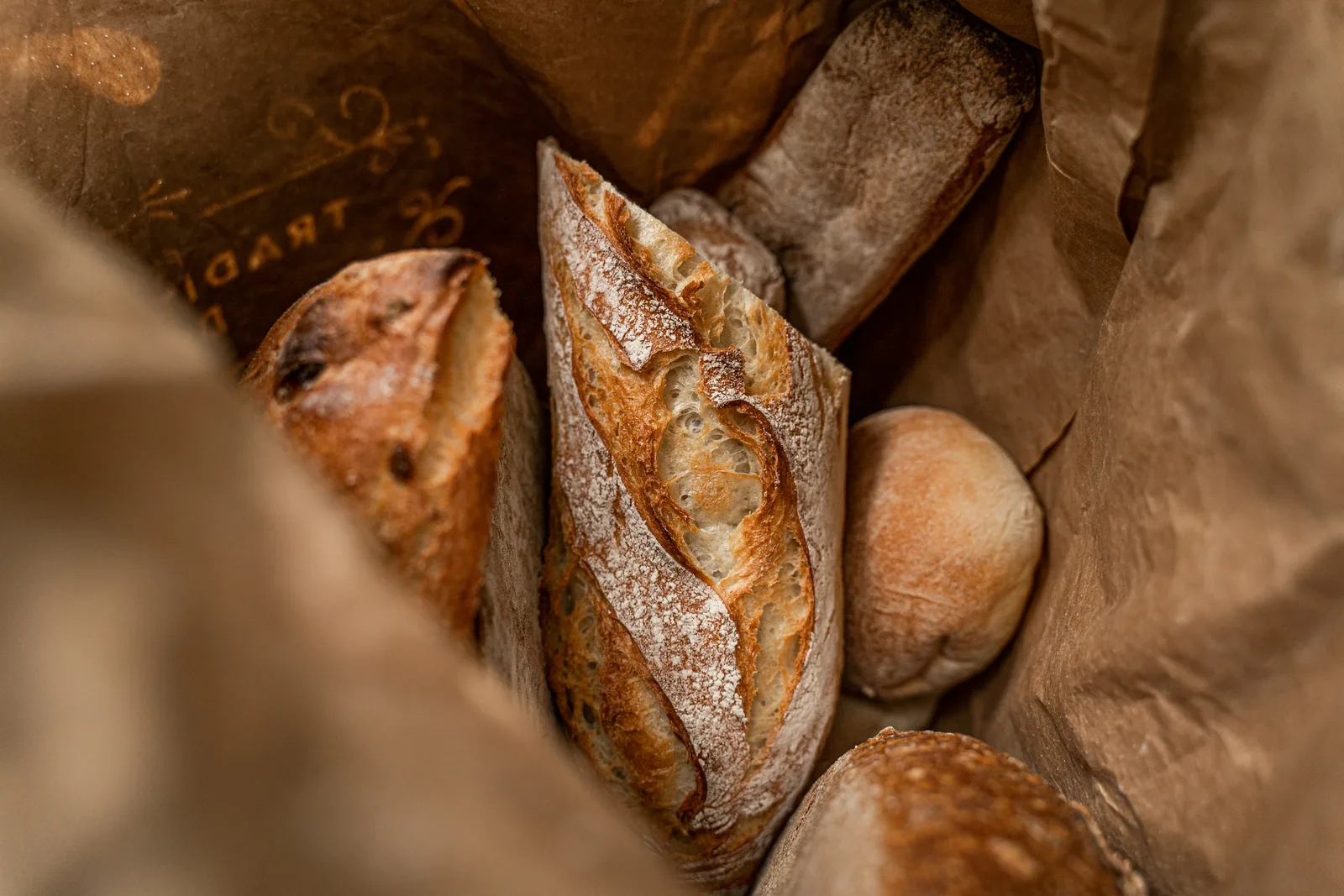
Every Irish county has good food, but it is rarely where a visitor first looks. The reliable approach anywhere is the same: head for the main town or the busiest food town, eat what the county is known for (seafood on the coast, beef, lamb and dairy inland, local baking everywhere), and look at what people have actually rated and photographed there rather than whatever is nearest when you get hungry.
Below is what each county is known for and where to start, followed by how to find the good places once you arrive.
How to find good food in any Irish county
A few rules that hold from Donegal to Wexford:
- Start in the main town, then go out. County towns and market towns usually have the widest choice. Smaller villages may have one excellent place and little else.
- Eat what is local. On the coast, seafood. Inland, beef, lamb and dairy. Almost everywhere, a local café with its own baking.
- Do not ignore the casual places. A good chipper, a food truck at a festival or a café counter is often where a town's best food is.
- Check opening hours out of season. In tourist areas, many places shorten their hours or close in winter.
- Look the night before, not on the street. Deciding while tired and hungry is how everybody ends up somewhere ordinary.
On Mosey, every city and town has a page showing what people have rated there and which dishes come up repeatedly, which is exactly what you need somewhere you do not know. See travel.
Munster: Waterford, Kerry, Limerick and Tipperary
Waterford
Ireland's oldest city, founded by the Vikings, with its historic centre in the Viking Triangle beside the River Suir. Waterford's food signature is the blaa, a soft, floury bread roll found on café and deli menus across the county. The county's coastline, including the Copper Coast, means seafood is a good bet, and its farmland supplies beef and dairy to local menus. Our guide to eating in Waterford goes into detail.
Kerry
Kerry sits on the Wild Atlantic Way, and its food follows the coast. Dingle is the county's best-known food town, a harbour town with a strong seafood reputation, and Kenmare and the towns around the Ring of Kerry are worth stopping in. Killarney has the most choice for visitors, especially in summer. Kerry lamb and beef appear on menus throughout the county. See our guide to eating around Dingle.
Limerick
The Treaty City has a growing food scene, with a mix of traditional and newer places in the city centre and a café culture shaped partly by the University of Limerick. The Milk Market is the obvious first stop for anyone interested in local food. See our guide to Limerick and the Milk Market.
Tipperary
Tipperary is farming country, with the fertile Golden Vale running through it, and beef, lamb and dairy (including farmhouse cheese) are the county's strengths. Clonmel, its largest town, has the most choice; Nenagh, in the north of the county near Lough Derg, is another good base. Agricultural shows and local festivals bring food stalls through the summer.
Connacht and the north-west: Galway, Mayo, Sligo and Donegal
Galway
Galway city combines a strong café culture with seafood from Galway Bay, whose oysters are celebrated each year at the Galway Oyster Festival. The Latin Quarter has the densest concentration of places to eat, and Salthill, along the seafront, suits families. The city's festival calendar, including the Galway International Arts Festival, brings food trucks and stalls, and the Gaeltacht regions to the west are close by.
Mayo
Westport is the centre of Mayo's food scene, a town with plenty of restaurants, cafés and pubs around its streets, popular with visitors to Clew Bay and Croagh Patrick. Achill Island is the place for seafood with a view. Atlantic seafood and hill-farmed lamb are the county's strengths, and coastal cafés cater well to walkers and cyclists along the Wild Atlantic Way.
Sligo
Sligo is Yeats Country, with a town centre that has a good spread of cafés and places to eat and a coastline that supplies seafood to local menus. Sligo's surf and walking spots mean cafés along the coast are used to people arriving hungry and windswept.
Donegal
Ireland's most northerly county has a long Atlantic coastline and Gaeltacht areas where Irish is spoken day to day. Letterkenny, the largest town, has the widest choice, while coastal villages are where to find seafood. Distances are long and places can be far apart, so planning ahead matters more here than anywhere.
Leinster beyond Dublin: Louth, Meath, Westmeath, Kildare and Wicklow
Louth
Ireland's smallest county packs in two large towns. Drogheda sits on the River Boyne, close to the Boyne Valley's historic sites, and Dundalk is a large regional centre with a mix of Irish and international places. The Cooley Peninsula, with Carlingford, is worth a detour.
Meath
The Royal County, linked to the ancient High Kings at the Hill of Tara. Trim, with its medieval castle, makes a good stop for lunch, and Navan is the county's largest town. Meath's Boyne Valley farmland supplies beef, lamb and vegetables, and its closeness to Dublin means a good range of cafés and places to eat.
Westmeath
In the middle of the country, Westmeath is a crossroads. Athlone, on the River Shannon beside Lough Ree, has the most choice and is a natural stop on a journey east to west. Lakes and rivers make the county popular with boaters and families in summer.
Kildare
The Thoroughbred County, home to Ireland's horse racing heartland. Naas has a strong spread of places to eat, and Maynooth, a university town, has a busy café scene. Race days bring crowds and food stalls to the courses.
Wicklow
The Garden of Ireland, just south of Dublin. Bray has a seafront with cafés and places to eat, Avoca is a well-known village stop, and the Wicklow Mountains mean plenty of cafés catering to walkers. A good choice for a day out from the city with a meal at the end.
The south-east: Kilkenny and Wexford
Kilkenny
The medieval Marble City, with a compact centre that is easy to explore on foot and restaurants and cafés in many of its old buildings. Kilkenny Arts Festival brings extra food and crowds in summer. See our guide to eating around Kilkenny.
Wexford
The sunny south-east is known for Wexford strawberries, sold from roadside stalls in summer, and for seafood from its harbours and long coastline. Wexford town has the most choice, with Gorey and Enniscorthy good inland options.
Chippers, food trucks and festivals
In every county, some of the best food is not in a restaurant at all.
- Chippers. A good fish and chip shop is a fixture of almost every Irish town, and on the coast the fish may well be local.
- Food trucks. Common at festivals, markets, agricultural shows, race meetings and popular walking spots, especially in summer.
- Markets. Farmers' markets and food markets are the best way to see what a county produces and often the best-value lunch.
- Cafés. In smaller towns, the café with its own baking is often the best place to eat all day.
Using Mosey on the road
Each county and town has its own page on Mosey, showing what people have rated there, with photographs of the food. A few habits help:
- Save places to a list before you go, one list per trip, and add notes as you hear about places.
- Search for the dish, such as chowder, oysters or a blaa, rather than a cuisine.
- Treat the rankings as a starting point. They come from ratings, not from who paid, and a place with a few good ratings may just be new.
- Rate where you eat. Small towns are where a single rating with a photograph helps the next visitor most.
Try it on Mosey
Pick the county you are heading to, open its town pages, and build a list of places to try before you set off.
Questions
Common questions
Which Irish county is best for food?
It depends on what you like. Coastal counties such as Kerry, Galway, Mayo and Wexford are strong for seafood, while Tipperary, Meath and Kildare are known for beef, lamb and dairy. Every county has good places if you know where to look.
What is a Waterford blaa?
A soft, floury bread roll that is a speciality of Waterford, found in cafés and delis across the county.
Where is the best food town in Kerry?
Dingle is Kerry's best-known food town, a harbour town with a strong seafood reputation. Kenmare and Killarney are also worth visiting.
Are restaurants in tourist areas open in winter?
Not always. Many places in coastal and tourist towns shorten their hours or close for part of the winter, so check before you travel.
How do I find good places to eat in a small Irish town?
Look at what people have rated there and which dishes they photographed, and ask locals. Mosey has a page for each town showing what has been rated there.
Are Mosey's rankings paid for?
No. Places are ranked by what people rated, and nothing a business pays for moves it up a page.
When are Wexford strawberries in season?
In the summer months, when they are sold from roadside stalls across the county as well as in shops and cafés.
More like this
Read next
A day of eating in Dublin, neighbourhood by neighbourhood
Dublin eats best when you pick a neighbourhood rather than a restaurant. Here is how to plan a day around one or two of them, from first coffee to a late table.
A food-lover's plan for a day in Kilkenny
Kilkenny is small enough to walk, so a day of eating is mostly about pacing. Here is how to plan breakfast, lunch and dinner around a short walk.
A weekend of eating in Waterford
Waterford rewards a little planning. Book one meal that matters, leave the others flexible and use photos and recent ratings to choose.
Eating around Limerick: a practical guide
Limerick is easy to eat in once you know how to choose. Start with the Milk Market, then pick lunch and dinner by what you are doing.
