City guide
Best places to eat in Dublin, Cork, Galway and beyond
Mosey · 22 September 2026 · 6 min read
Last updated 14 November 2026
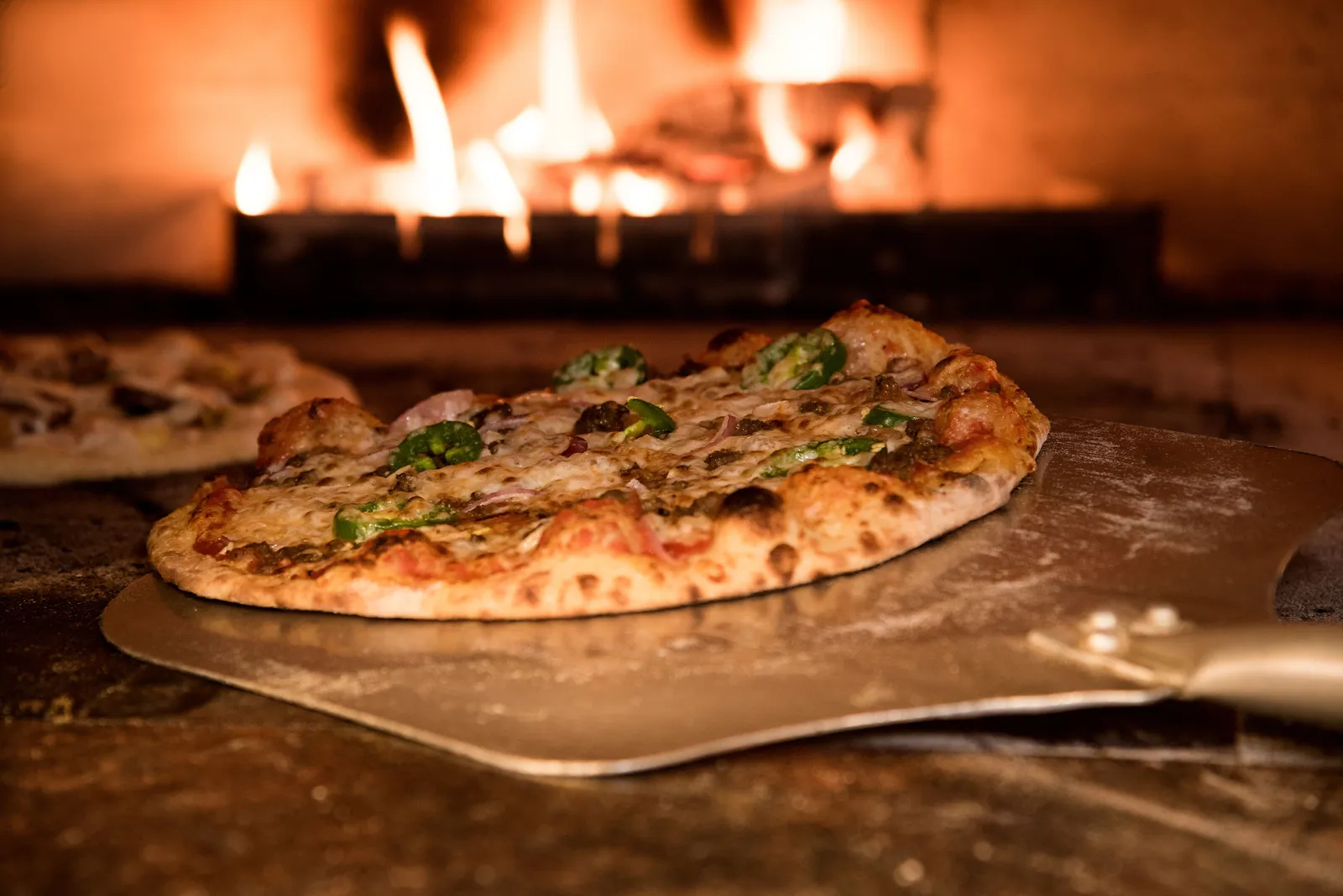
The best places to eat in Ireland's cities are usually a street or two away from where visitors first look. In Dublin, try neighbourhoods like Camden Street, Rathmines, Ranelagh and Stoneybatter; in Cork, start at the English Market and the streets around it; in Galway, eat seafood and explore beyond the Latin Quarter into Salthill. In every city, look at what people have rated and photographed recently, and favour places that locals return to over places that only visitors find.
Here is what each city does best and where to begin.
Dublin: where to eat beyond the obvious
Dublin has the widest choice in the country, and the gap between a good meal and a tourist one can be a single street.
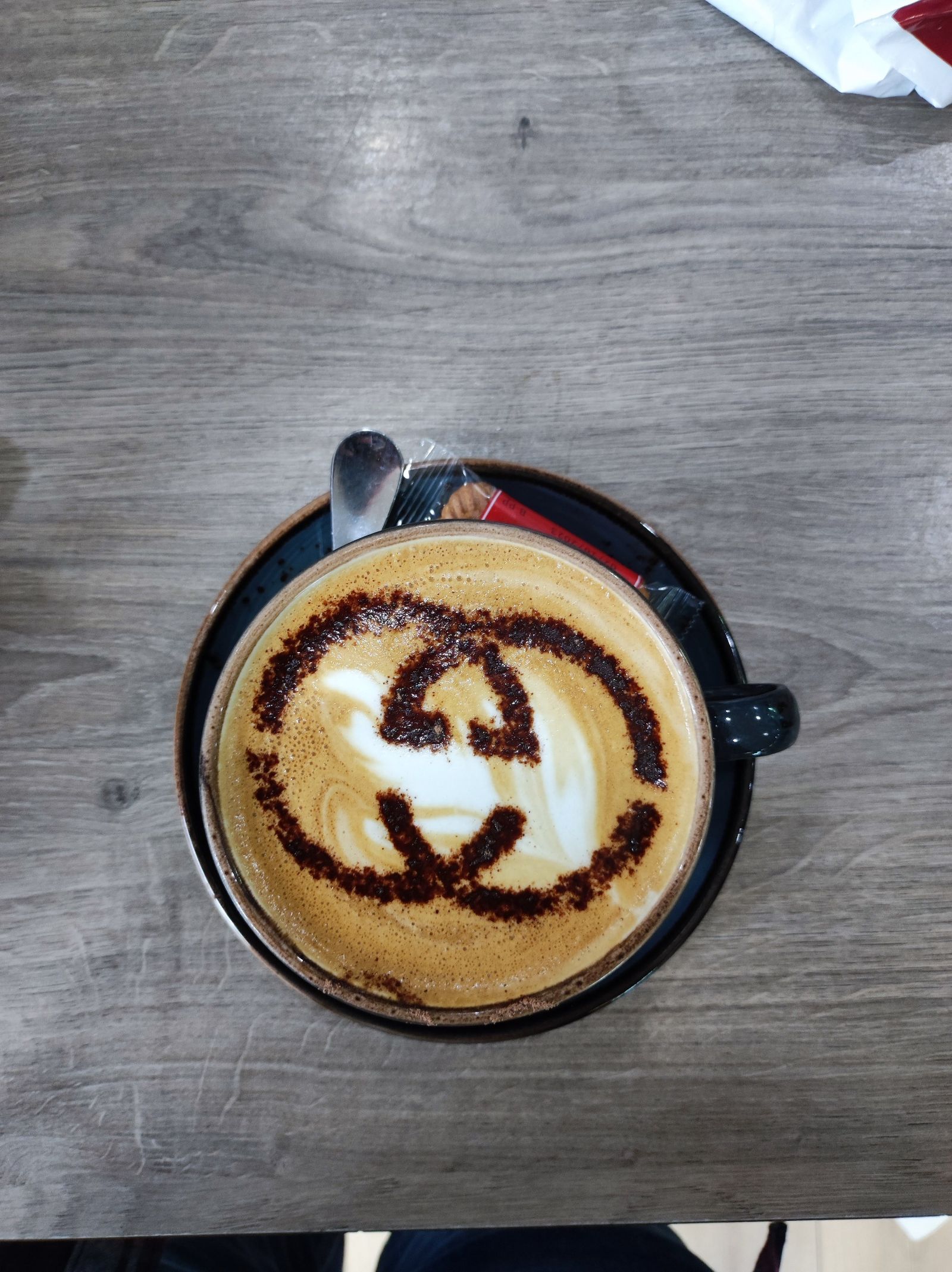
Coffee. Dublin's specialty coffee scene has grown into one of the best in Ireland, with independent cafés and roasters across the city, from the centre to the Liberties. Look for cafés that name their roaster and take their flat white seriously.
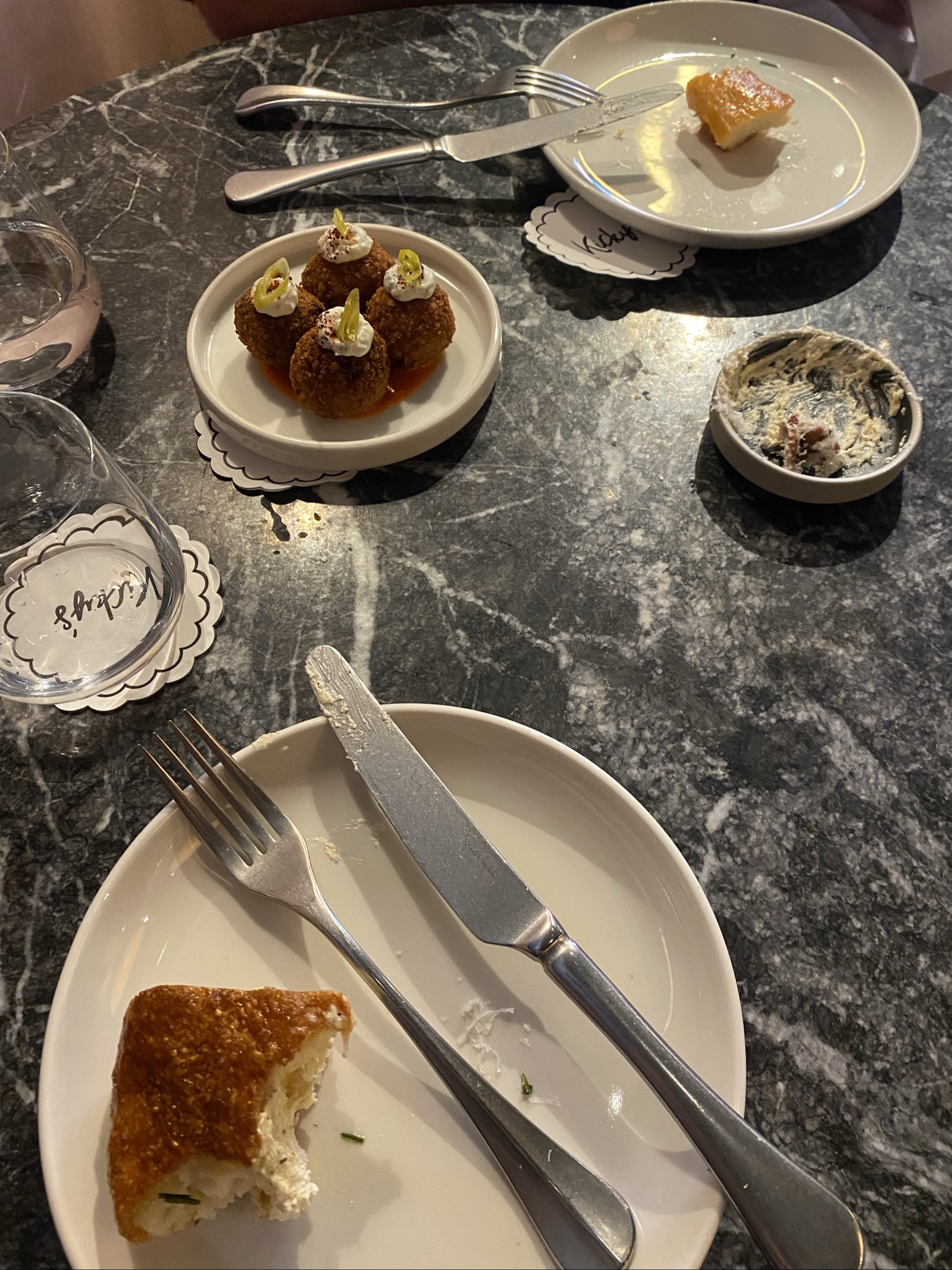
Neighbourhood dining. Camden Street, Rathmines and Ranelagh on the southside, and Stoneybatter, Smithfield and Capel Street on the northside, are rich in places serving modern Irish food and dishes from all over the world. Many cook with produce from Wicklow, the Garden of Ireland, just south of the city.
The centre. Around Temple Bar and Grafton Street, it pays to look past the places aimed at visitors and find the pubs and dining rooms Dubliners actually use.
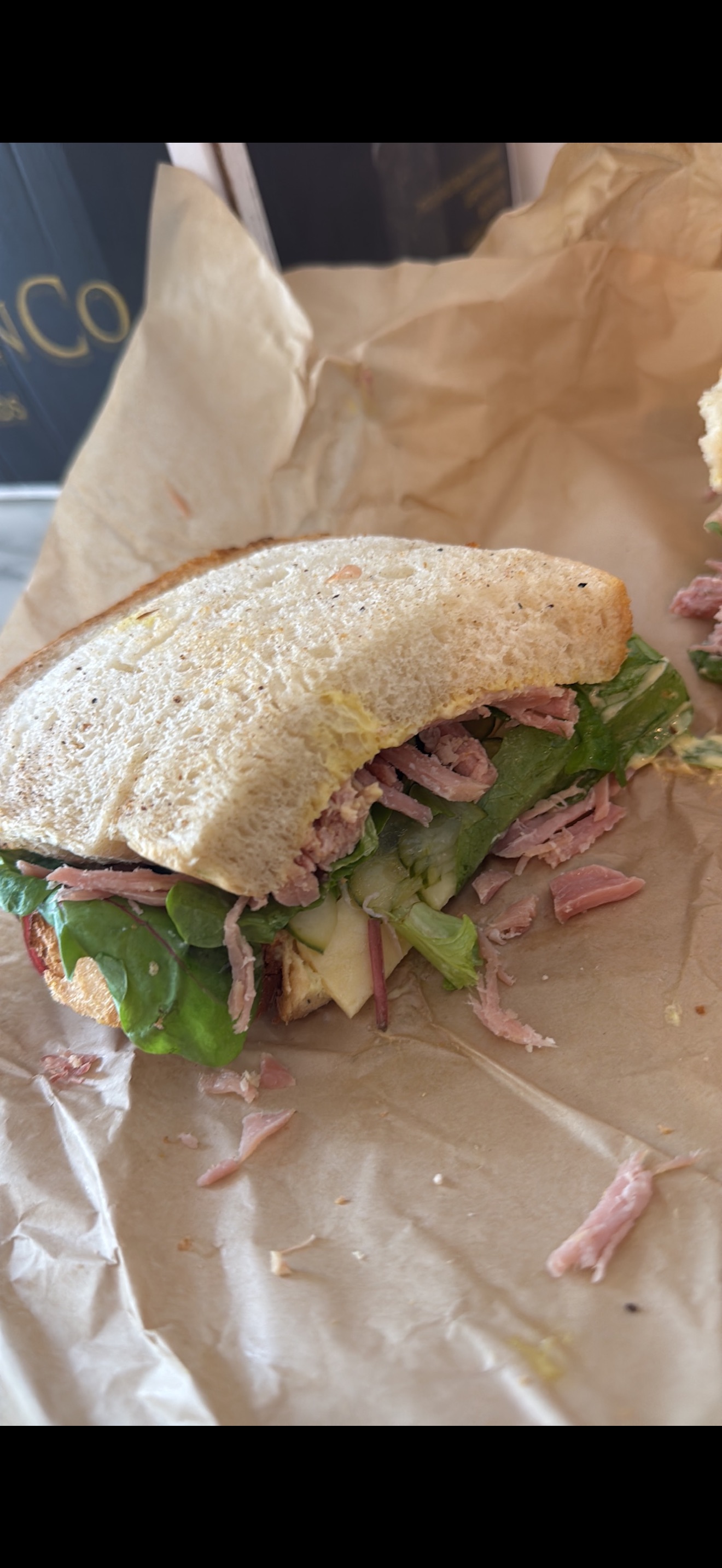
Quick food. Chippers, sandwich shops and delis doing a proper breakfast roll, plus kebab shops, Asian takeaways and pizza places that locals recommend. Dublin's mix of people from all over the world shows most clearly in its cheap eats.
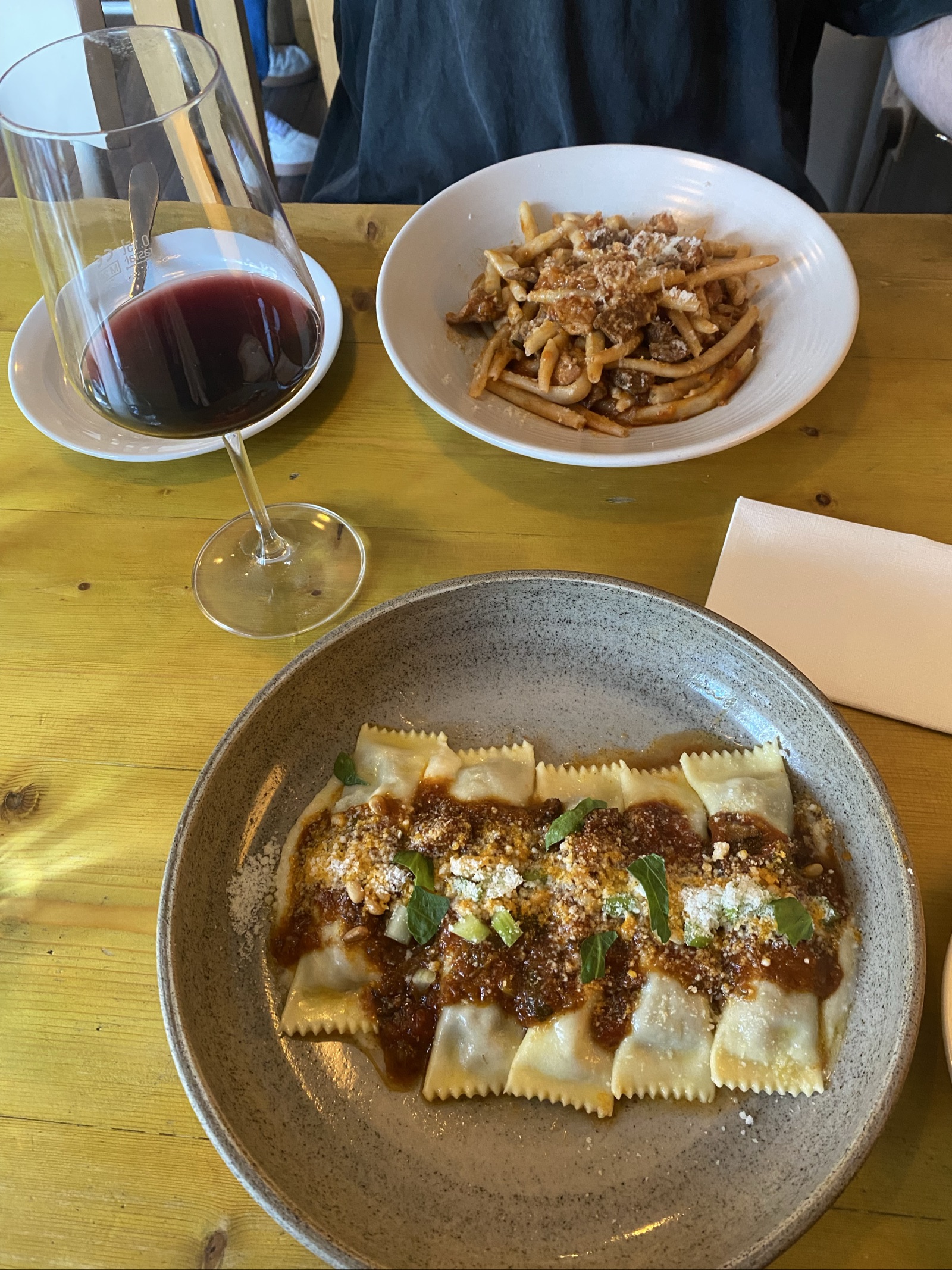
The Dublin city page shows what people have rated across the city, and the best dishes in Dublin shows the individual plates people rate most highly.
Cork: the food capital
Cork is often called Ireland's food capital, and the English Market, trading since 1788, is the reason why: it supplies many of the city's kitchens and is the best first stop for anybody who cares about food.
Local producers. West Cork's artisan producers make cheese, cured meats and drinks that appear on menus all over the city and county. Many places proudly name their suppliers.
Cafés. Cork's coffee scene is strong, with independent cafés in the city centre and in neighbourhoods such as Blackrock and Douglas, often with their own baking.
Restaurants. From traditional pub food to ambitious cooking, often built around local fish, beef and seasonal vegetables.
Markets and trucks. Farmers' markets in and around the city, and food trucks that move between locations through the week.
See the Cork city page.
Galway: seafood and atmosphere
Galway's position on the west coast makes seafood the obvious choice, including oysters from Galway Bay. Many places and pubs have traditional music in the evenings.
Cafés. A strong independent café culture, shaped by the city's arts scene and large student population, with plenty of vegetarian and vegan choice.
Quick food. Traditional chippers, some serving fish from Galway Bay, and food trucks with food from around the world.
Where locals eat. Look in the Latin Quarter, out along the seafront in Salthill, and in the quieter neighbourhoods beyond them rather than only the busiest streets.
See the Galway city page.
Kilkenny and Limerick
Kilkenny. A medieval city with many places to eat in historic buildings, and menus built on Kilkenny beef, local vegetables and drinks from local producers. Its compact centre is easy to explore on foot.
Limerick. A growing food scene with new places opening alongside traditional ones, a café culture shaped by the University of Limerick, and the Milk Market as the natural starting point.
Beyond the cities
Some of the best food in Ireland is in the counties:
- Kerry. Seafood along the Wild Atlantic Way, with Dingle the best-known food town and Killarney the busiest for visitors.
- Waterford. Ireland's oldest city, known for the Waterford blaa, a soft bread roll found in cafés across the county.
- Wicklow. The Garden of Ireland, with country pubs and cafés that make the most of the scenery.
- Mayo and Donegal. Atlantic seafood and traditional cooking in coastal settings, with Westport and Letterkenny the main towns.
- Tipperary and Meath. Farming counties with excellent beef, lamb and dairy, and plenty of good places within reach of Dublin in Meath's case.
How do you find where locals eat?
A few signs that hold in any Irish city:
- Ratings spread over months, from repeat visitors, rather than a burst from one weekend.
- Photographs of the same few dishes, which tells you what the kitchen is known for.
- Busy at lunch on a weekday, when visitors are thinner on the ground.
- One street back from the main route.
Our guide to finding where locals eat goes into more detail.
Planning a food trip around Ireland
- City breaks. Pick a neighbourhood, build a list of a few places for breakfast, lunch and dinner, and book dinner ahead for a weekend.
- Touring several counties. Keep one list per stop, with notes about what to order.
- Exploring your own county. The places you have never tried near home are often the most rewarding.
On Mosey, every city and town has a page showing what people have rated there and which dishes come up again and again, with photographs taken at the table. Rankings come from ratings, not from who paid, so they are a fair starting point in a place you do not know.
Food markets and street food in Irish cities
Markets and food trucks are the quickest way into a city's cooking. Dublin has weekend farmers' markets and street food that gathers near offices and busy nightlife streets, Cork's markets sit alongside the English Market, and Galway and Limerick have their own market days with prepared food from local producers. Trucks move around, so check where they are today before you walk. A market lunch is usually good value, and a good way to meet the producers behind the menus you will see in the city's kitchens.
Which city for which kind of trip?
- Dublin for the widest choice: coffee, neighbourhood dining and every cuisine, in one compact city.
- Cork for produce: the market, West Cork's cheeses and cured meats and a strong café scene.
- Galway for seafood and atmosphere, with music in the evenings and a cultural mix.
- Kilkenny for a medieval setting with local beef and artisan producers.
- Limerick for a growing food scene with a university crowd and a good market.
How does Mosey help you find the best places to eat in Ireland?
- Dishes, not just places. Ratings are by the dish, with photographs from the table, so you can see what a kitchen does well.
- Tags from people who ate there, such as Specialty Coffee, Date Night or Great Value, which narrow a long list quickly.
- Lists for every stop. Make one per city or county, add a note about what to order and share it with whoever you are travelling with.
- Follow people whose taste you trust, and see where they eat.
- Town and city pages that show what has been rated near you, so a food trip is planned from what people actually ordered.
Every rating and list also helps Irish food businesses of every size, from independent roasters to family-run restaurants and trucks, be found by the next visitor.
Try it on Mosey
Open the city you are heading to, look at what people photographed, save a short list, and rate where you eat so the next visitor finds it.
On Mosey now
Where to eat in Dublin
These come from what people have rated on Mosey, and change as more do. They are not a paid placement.
Questions
Common questions
Where should I eat in Dublin if I want to avoid tourist traps?
Try neighbourhoods such as Camden Street, Rathmines, Ranelagh, Stoneybatter and Capel Street, and look past the places aimed at visitors in the very centre.
Why is Cork called Ireland's food capital?
Largely because of the English Market, trading since 1788, and the artisan producers of West Cork, whose cheese, meat and drinks appear on menus across the county.
What food is Galway known for?
Seafood, especially oysters from Galway Bay, along with a strong independent café culture.
What is the best food town in Ireland outside the cities?
Dingle, Kinsale and Kilkenny are each well known for having far more good places than their size would suggest.
How does Mosey rank places?
By what people rated after eating there. Nothing a business pays for moves it up a page.
How do I keep track of places I want to try?
Save them to a list on Mosey, with a note about what to order. You can keep a list private or share it with friends.
Where can I find food markets and street food in Ireland?
Dublin, Cork, Galway and Limerick all have markets with prepared food, and food trucks gather near offices and nightlife areas. Check each market's days before you go and look at what people have rated on the city page.
Which Irish city is best for a food weekend?
It depends on what you like: Dublin for choice, Cork for produce and its English Market, Galway for seafood and atmosphere, Kilkenny for history and artisan producers, Limerick for a growing scene. Build a list of a few places for each meal and book dinner ahead.
More like this
Read next
Dublin food markets by day: Temple Bar, Dún Laoghaire and Marlay Park
A guide to Dublin's weekend food markets: Temple Bar on Saturdays, the People's Park in Dún Laoghaire on Sundays and Marlay Park at weekends.
Where to eat near Dublin Airport: a plan for landing or flying
How to eat well when you land at or leave from Dublin Airport: eating inside the terminals, the areas worth a short trip out, and how to plan a tired family's first meal.
A day of eating in Dublin, neighbourhood by neighbourhood
Dublin eats best when you pick a neighbourhood rather than a restaurant. Here is how to plan a day around one or two of them, from first coffee to a late table.
Best brunch in Dublin: how to find it and get a table
How to find Dublin's best brunch by the dish you actually want, and how to get a seat on a weekend morning without standing in the rain.
Keep going
Where to eat in Dublin