
For businesses
Why your restaurant, café or food truck should offer collection
Mosey · 27 August 2026 · 6 min read
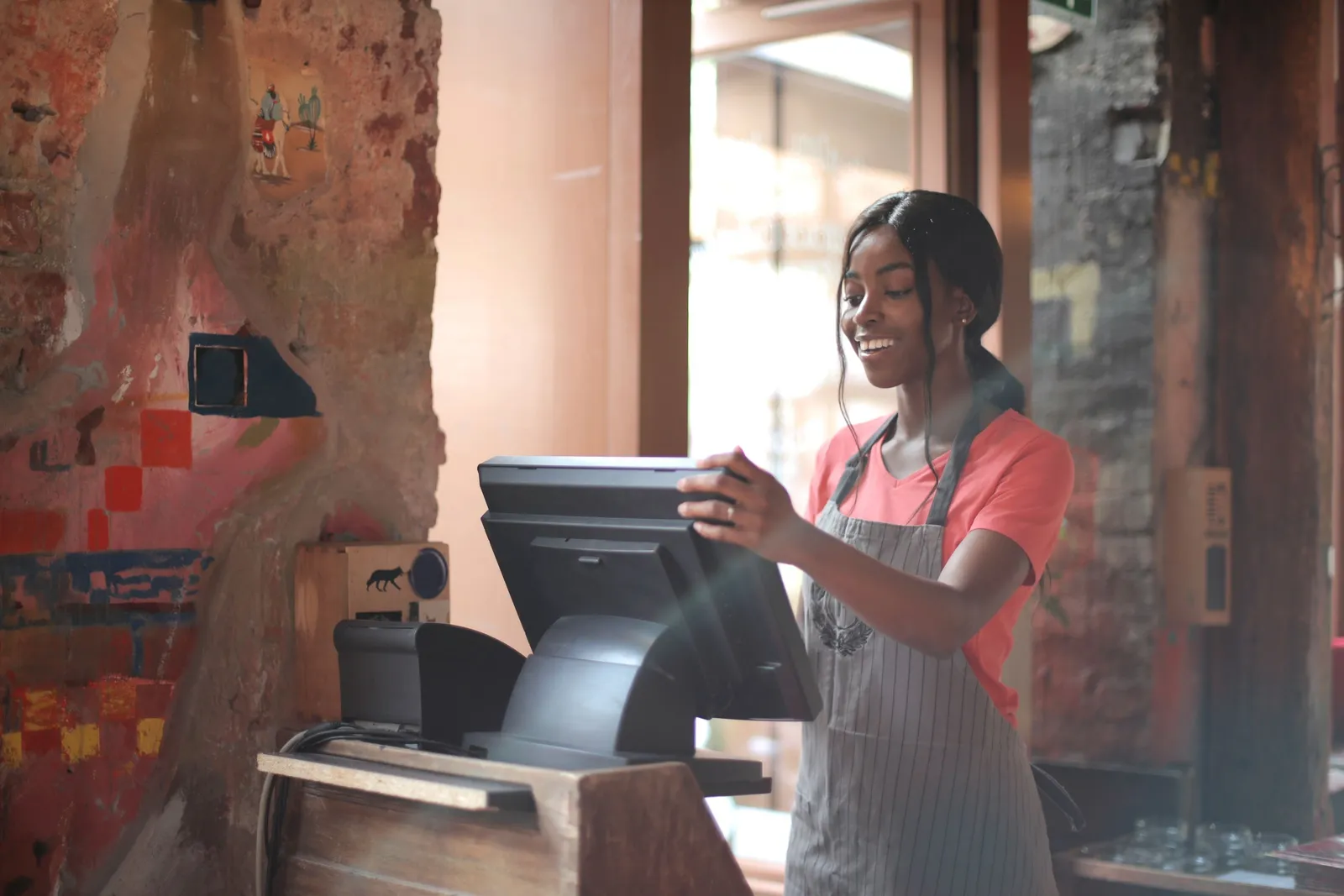
Collection orders let customers order and pay ahead, then pick up at a set time, so you sell more without more tables, more servers or a courier. They fill the gaps in quiet services, keep trading when the weather empties the dining room, and cost far less to run than delivery: no driver, no zones, and food handed over at its best. Set up with capped pickup slots and a low commission, collection is usually the most profitable extra channel a restaurant, café or food truck can add.
A customer browses your menu on their phone, orders, pays and picks a pickup time. The ticket reaches your kitchen, the customer is told when it is ready, and they collect from the counter or the car. It is different from walk-in takeaway because the order and the money arrive before the customer does, and from a phone order because nobody has to stop work to answer.
How collection adds sales without adding tables
Your dining room has a ceiling. Collection does not use a seat.
Say you do 60 covers on a weeknight and add ten collection orders at €30. That is €300 more in sales that night from the same kitchen and the same ingredients you were buying anyway, with no extra table turned and no server on the floor. It is sales, not profit (food and packaging still cost money), but the rent, the heat and most of the wages were already paid.
Collection also reaches different occasions. The family who comes in once a month for dinner might collect from you on busy weeknights in between.
Fill the quiet stretches
Collection helps most where the room is weakest:
- Early-week evenings, when tables sit empty but the kitchen is staffed.
- The afternoon gap between lunch and dinner.
- Bad weather, when people still want dinner but not the walk.
- The off-season, when visitors thin out and locals carry you.
Pair it with a quiet-hours offer if you want to push it: a lower price on chosen items at set times makes collection the obvious choice for a Tuesday.
Why collection is cheaper to run than delivery
- No courier. No driver wages, no shared-driver fee, no delivery zones.
- Less front-of-house time. A dine-in table needs greeting, seating, serving, clearing and a bill. A collection order needs bagging and a handover.
- Food at its best. It leaves your pass and goes straight to the customer, not on a twenty-minute journey that turns chips soft.
- A low commission. Delivery apps commonly charge around 30%, often on collection too, even though there is no courier. On Mosey, Order Ahead (collection) is 1.5% commission, the cheapest way to take a paid order there.
Set it up so the kitchen is not swamped
The risk with collection is not too few orders; it is too many at once on top of a full room.
- Offer collection in set windows. Lunch and evening are typical, matched to when your kitchen can absorb it.
- Use pickup slots with a cap. On Mosey you set fixed slots and a maximum number of orders for each. A full slot hides itself, and the cap holds even when two customers check out at the same moment, so a rush cannot land on one window.
- Set an honest prep time. It sets the pickup estimate the customer sees. Promising fifteen minutes and delivering thirty costs you a rating.
- Keep scheduled orders off the board until it is time. Customers can order up to seven days ahead; those tickets appear on the kitchen display at fire time, not on Monday morning.
- Decide who bags and who hands over, and where. One person at the pass is faster than three.
- Set kitchen hours separately if the kitchen closes before the door does.
Orders arrive on the kitchen display, and when the last item is ready the customer gets a message automatically.
Make collection quick for the customer
Customers chose collection for speed. Deliver on it.
- A clear collection point, signed, near the door and away from the queue for tables.
- Orders bagged and named before the customer arrives.
- Curbside, if you have parking. On Mosey the customer taps to say they have arrived, you are notified, and their car description shows on the order so a runner can find them. It opens you up to parents with sleeping children and anyone who cannot park and queue.
- Tell people when it is ready, and tell them early if you are running late.
Price it properly
Collection should make money on every order, not just keep the kitchen busy.
- Charge your menu price. You are not covering a large commission, so there is no reason to inflate it.
- Cost the packaging into each dish, the same way you cost the ingredients. Good containers cost more and are worth it: leak-proof for sauces, vented for anything that steams, a bag that does not split.
- Think about a minimum order if very small orders are not worth the slot.
- Build meal deals that raise the average order without giving away the margin.
The menu price calculator helps you price each dish with VAT included.
VAT, food safety and records
VAT. Since 1 July 2026, food and hot drinks from restaurants, cafés and hot takeaways are charged at 9% VAT, and alcohol and soft drinks at 23%. Other items can differ, so agree the treatment of your menu with your accountant.
Food safety. The same rules apply as for food eaten in: temperature control, suitable packaging, your HACCP-based procedures, and accurate allergen information for every dish.
Records. Digital orders create a record of every sale. Reconcile your payouts with your sales each month. On Mosey, money goes to your own Stripe account, commission is deducted as the sale happens, and every fee is itemised.
Mistakes that sink collection
- Not telling anyone. Customers assume you do not offer it unless told repeatedly: on receipts, bags, table cards, your window and your social bios.
- Using a high-commission app for collection. Paying a courier-sized commission on an order with no courier wipes out the point.
- Cheap packaging that leaks or goes soggy, and gets you the rating.
- No slot caps, so the kitchen drowns at 7pm on Friday.
- Not tracking it. Know how many orders you get, when, the average value and the most popular items, then adjust the menu and the slots.
Turn collection customers into regulars
A collection customer is a customer you can keep.
- Loyalty counts automatically. On Mosey each Order Ahead order counts as a loyalty visit with no action from staff.
- Vouchers, promotions and membership benefits apply at checkout.
- Saved carts: a customer interrupted mid-order can come back to their basket within 24 hours.
- A thank-you after the order, sent automatically, is also the moment a rating is most likely.
- Invite them in. Put a card in the bag about your dining room. People who love your food at home book a table for the occasion.
Your four-week plan
Week 1: decide your windows and slot caps, get your menu online (photograph the printed menu and the scanner reads it), cost the packaging.
Week 2: set up the collection point, brief staff, place test orders and walk them through the kitchen display.
Week 3: tell existing customers in the room, on receipts and online. Adjust slots and prep times from what you see.
Week 4 onwards: promote it everywhere, watch what sells and when, and tune the menu and the slots.
For the full setup, see Order Ahead collection ordering. Claim your business free, or see pricing first.
Questions
Common questions
What is the difference between collection and takeaway?
Collection is ordered and paid for ahead, with a pickup time, so the kitchen knows before the customer arrives. Walk-in takeaway is ordered at the counter, and the customer waits.
Is collection worth it for a small café or food truck?
Usually yes. It needs no extra seats or drivers, and capped pickup slots stop it overwhelming a small kitchen. A queue-skipping morning coffee order is the kind of thing customers choose you for.
What does Mosey charge on collection orders?
Order Ahead (collection) is 1.5% commission, plus VAT on Mosey's fee. Tips carry no commission, and customers pay a small booking fee that scales with the order.
How do I stop collection orders swamping the kitchen?
Offer collection in set windows and cap the number of orders per pickup slot. On Mosey a full slot hides itself automatically, even when customers check out at the same moment.
Can customers order collection days in advance?
Yes. On Mosey customers can schedule an order up to seven days ahead, and it appears on the kitchen display only when it is time to start.
What VAT applies to collection orders?
Since 1 July 2026, food and hot drinks from restaurants, cafés and hot takeaways are at 9%, and alcohol and soft drinks at 23%. Check each menu item with your accountant.
Do collection orders count towards loyalty?
On Mosey, yes. Each Order Ahead order counts as a loyalty visit automatically, with nothing for staff to do.
Can a customer cancel a collection order?
On Mosey a customer can cancel within two minutes of ordering and is refunded automatically. After that, any refund is your decision.
More like this
Read next
How to run a supper club or tasting night that sells out
A supper club is a fixed menu, a fixed number of seats and a fixed night, sold as tickets paid in advance. Here is how to cost it, sell it and make it a habit.
How to add catering to your restaurant or café
Office lunches, platters and parties, quoted properly, with a deposit up front, the balance before the day and a prep sheet for the kitchen.
How to make a quiet Monday or Tuesday pay
First decide whether the quiet day should open at all. If it should, shrink it to the hours that trade and give it a reason to come that only exists on that day.
How to get more ratings and reviews for your restaurant, honestly
Ask, at the right moment, every customer, and make it easy. Never offer anything in return. A steady stream of honest ratings is worth more than any burst you could buy.
Get started
Claim your business free
Free to list, no set-up fee, and Order Ahead is 1.5% commission when you start taking orders.