
For businesses
Grow your Irish restaurant: marketing, bookings and loyalty
Mosey · 27 August 2026 · 6 min read
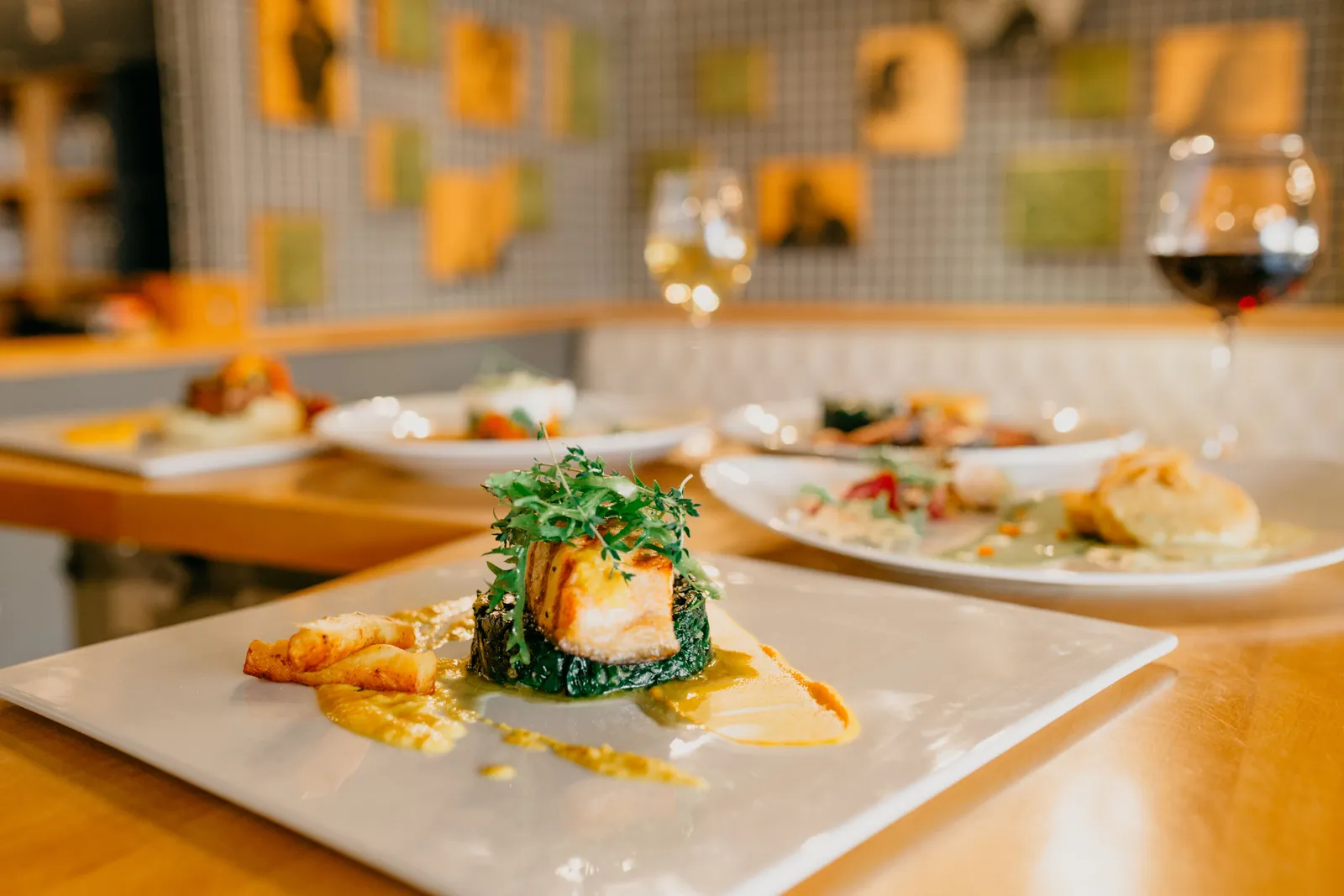
An independent restaurant or café in Ireland grows in four ways: more people find you at the moment they are choosing where to eat, more of the people who book actually turn up, your quiet hours earn something, and first-time customers come back. Each has a cheap, practical fix, and none of them needs a large advertising budget. Work through them in that order, because each one makes the next cheaper.
Where do new customers actually come from?
Mostly from someone deciding where to eat in the next hour or the next week, and looking at what is near them. They are reading menus, looking at photographs of food and checking what other people thought. They are not reading your ads.
So the first job is to make sure that when someone looks, there is something worth finding:
- A complete listing everywhere people look. Your Google listing, your own website if you have one, and your Mosey profile. Same hours, same menu, same phone number. Wrong hours lose you a customer and a rating in one go.
- A real menu, not a PDF. On Mosey your menu is something people browse and order from. If typing it in is what has stopped you, photograph your existing menu and the scanner reads the items, prices and sections for you to check.
- Photographs of your actual dishes. Start with your six best plates. On Mosey, individual dishes are rated and found on their own, so someone searching for the thing they want to eat can find your plate without knowing your name.
- Ratings, answered. Ask the people who enjoyed it to rate it, and reply to what they say, good and bad. A calm reply to a complaint is read by everyone deciding after it.
Being on Mosey is free, and you appear in your town's page automatically. Mosey Gold, the quality mark on the best-rated places, is earned from ratings alone. Nobody can pay for it, which is exactly why customers trust it.
Should an independent still have a website?
Yes, if you can keep it current. A website you own is the one place no platform can change the rules on. It does not need to be elaborate: your menu, your hours, how to find you and a way to book. A booking widget on your own site takes reservations without the diner needing an app or an account, which matters because every extra step between Instagram and a confirmed table costs you covers.
What a website will not do on its own is bring people to it. That is what the discovery work above is for.
Protect the bookings you already have
A no-show on a busy night is the most expensive empty table you will have all week, because you turned somebody else away for it. Before chasing new bookings, stop losing the ones you take.
Most no-shows are people who forgot rather than people who decided. Three layers handle almost all of it:
- Reminders and a confirmation. A reminder the day before catches most of the forgetting.
- A deposit or a card hold on the covers you cannot afford to lose. Large parties and peak nights first, not every booking.
- A clear, fair cancellation policy, written once and shown at the moment of booking.
Mosey reservations are free up to a monthly booking allowance, then €79.99 or €169.99 a month, with no per-cover charge at any level. Deposits carry no Mosey commission: they go to your own Stripe account in full. The no-show cost calculator shows what your empty tables are costing before you decide how firm to be.
Fill the quiet hours on purpose
Every place has hours it would rather not have: the room is open, the staff are paid, and almost nobody is in. The mistake is discounting the wrong window.
Find the real quiet period first. Most owners can name theirs and a good number are wrong about it. It is usually narrower than remembered, or a different day, or the gap between lunch and dinner rather than the whole afternoon. Look at your own sales by hour before you change a price.
Then pick one tool and point it at that window:
- An early-bird offer on the first sitting. A glass on arrival or a dessert usually works better than a percentage off: it costs you less, feels like more, and does not teach people to wait for a discount. On Mosey it is badged on the booking slot itself, where it can still change someone's mind.
- A time-limited price on chosen items. Deal Hours lowers the price of the items you pick, on the days and hours you pick, and switches itself on and off. Choose items that use what you have already prepped, not your bestsellers.
- A message to people who already like you. Your followers and regulars are far cheaper to bring in than strangers.
Turn first visits into regulars
A regular is worth more than any new customer, and most places do nothing deliberate to make one.
- Run a loyalty programme. On Mosey it is free on every tier, with no commission on the spend it rewards. Reward visits if your ticket is small and the habit is the business, as in most cafés; reward spend if visits are occasional and the bill is large. Make the first reward reachable.
- Message the ones who have gone quiet. A win-back message to someone who has not been in for a couple of months is the cheapest revenue most places never chase. Mosey's automations can find them and send it, on a schedule you approve first.
- Thank people after an order. A short follow-up a couple of days later is also the moment a rating is most likely.
Keep more of every order
If you sell for collection or delivery, the commission rate decides whether those orders make money or just keep the kitchen busy. Delivery apps commonly charge around 30%, which on a food business's margins can turn a delivery order into a loss.
Taking orders directly changes that. On Mosey, Order Ahead (collection) is 1.5% commission and delivery is 6%, with tips passed to you in full. The customer is ordering from you, in an app where your business has its own profile, ratings and loyalty programme, so you can reach them again. Run your own numbers in the delivery app commission calculator rather than taking anyone's word for it.
Collection is usually the place to start: no drivers, no zones, food handed over at its best.
Bring money in before the meal
Gift vouchers, ticketed events and paid promotions all put money in your account before you cook anything. A voucher bought in December is cash in December for a meal in January; an event that sells out three weeks ahead tells you exactly how many to buy for.
Treat that money as owed until it is redeemed, not as profit. On Mosey, vouchers are 4.5% commission and event tickets 4%, plus 23% VAT on the fee, with no monthly charge for either.
What to do this month
- Correct your hours, menu and phone number everywhere you are listed.
- Photograph your six best dishes and put them on your menu.
- Ask every happy table to rate you, and reply to every rating.
- Turn on reminders, and a deposit for large parties and peak nights.
- Find your genuinely quiet window and try one offer on it.
- Start a loyalty programme with a first reward people can actually reach.
- Price up your delivery and collection on a direct channel against what you pay now.
Mosey puts the listing, bookings, ordering, loyalty and messages in one login, and costs nothing until you sell. Claim your business free, or see pricing first.
Questions
Common questions
What is the cheapest way to advertise a restaurant locally in Ireland?
Start with what is free: an accurate Google listing, photographs of your food, ratings you have replied to, and a complete menu wherever people look. Paid reach works best once those are in place, and reaching your own followers and regulars costs far less than reaching strangers.
How can an independent compete with chains?
By being specific. A chain cannot be the place that does the best version of one dish on your street, know its regulars by name, or change its menu this week. Make that visible in your dish photographs, your ratings and your replies.
Do I need a subscription to use Mosey?
No. Being listed, your menu, ratings and loyalty are free. Ordering, vouchers, events and promotions are commission only. Reservations has paid plans once you go past a monthly booking allowance.
How do I reduce no-shows without putting people off?
Send reminders first, because most no-shows are people who forgot. Then ask for a deposit or a card hold only on the covers you cannot afford to lose, such as large parties and peak nights, and state your cancellation policy at the moment of booking.
How do I sell gift vouchers online?
List them where your customers already are, set a minimum amount and your terms, and consider a little bonus credit to lift the value people buy. The money is taken at purchase, so treat it as owed to the customer until they redeem it.
Is a loyalty scheme worth it for a small café?
Usually yes, if the first reward is reachable and it costs you nothing to run. A visit-based reward suits most cafés, because the habit is the business and the ticket is small.
Can I run several venues from one account?
Yes. Several venues can sit under one login, and a loyalty programme can count visits across all of your sites if you switch that on.
More like this
Read next
How to run a supper club or tasting night that sells out
A supper club is a fixed menu, a fixed number of seats and a fixed night, sold as tickets paid in advance. Here is how to cost it, sell it and make it a habit.
How to add catering to your restaurant or café
Office lunches, platters and parties, quoted properly, with a deposit up front, the balance before the day and a prep sheet for the kitchen.
How to make a quiet Monday or Tuesday pay
First decide whether the quiet day should open at all. If it should, shrink it to the hours that trade and give it a reason to come that only exists on that day.
How to get more ratings and reviews for your restaurant, honestly
Ask, at the right moment, every customer, and make it easy. Never offer anything in return. A steady stream of honest ratings is worth more than any burst you could buy.
Get started
Claim your business free
Free to list, no set-up fee, and Order Ahead is 1.5% commission when you start taking orders.