
For businesses
Starting a food business in Ireland: a practical guide
Mosey · 27 August 2026 · 7 min read
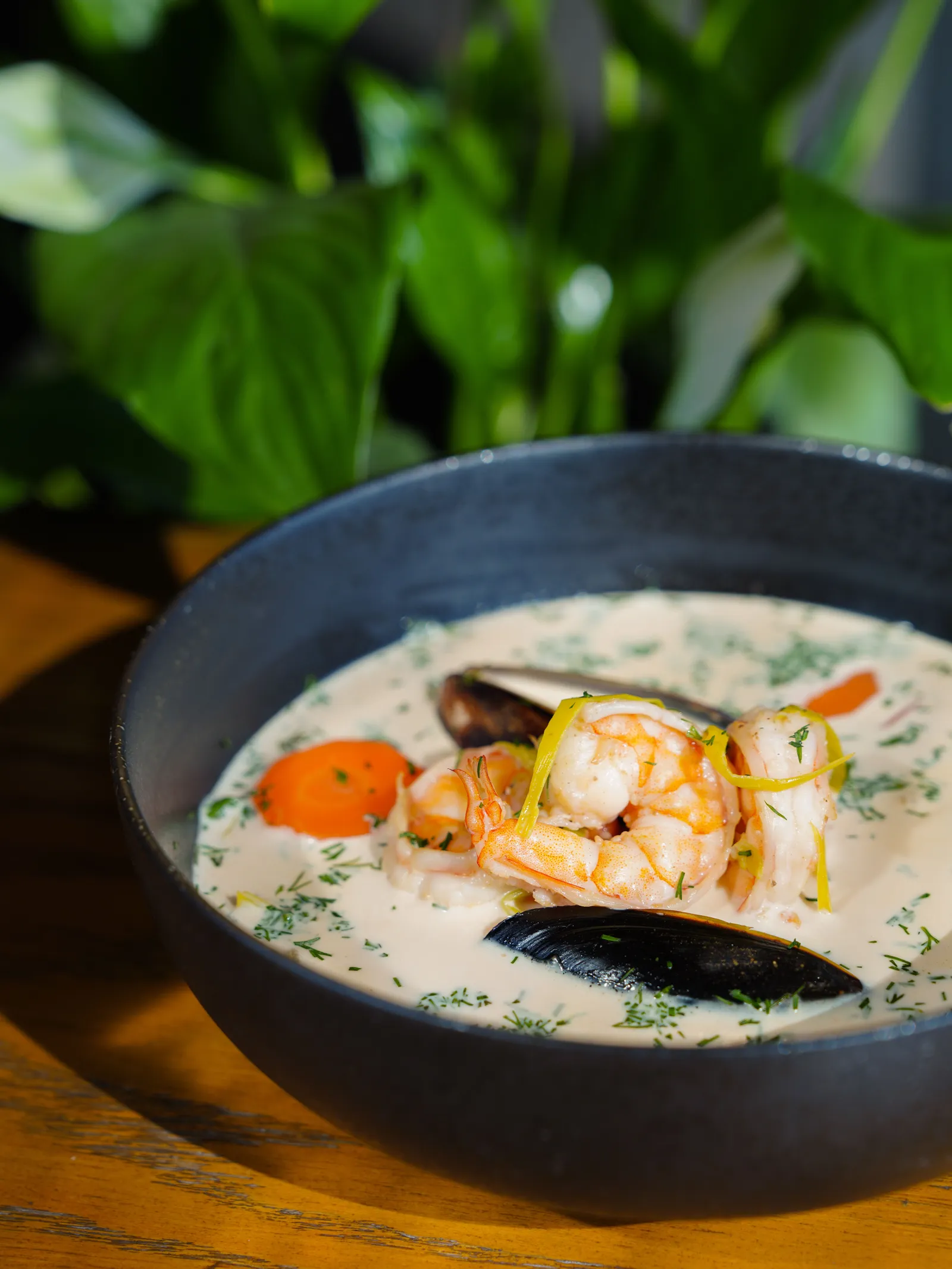
To start a food business in Ireland you need to choose the format that fits your money and your skills, register the business with the authority that will inspect it before you trade, run a written food safety system based on HACCP principles, be able to tell customers about the 14 allergens, sort out tax and VAT with Revenue, and price your menu so every dish earns its place. Then you need customers, which is a separate job from cooking well and deserves the same planning. This guide walks through each step in the order you will meet it.
Which kind of food business should you start?
Each format trades start-up cost against capacity and risk.
- A restaurant has the highest fit-out cost and fixed overheads, and the highest ceiling. Rent, staffing and a full kitchen commit you before the first cover.
- A café usually needs less kitchen and fewer staff, but depends on volume and on regulars coming back daily. Location matters enormously.
- A food truck or market stall costs less to start and lets you test a menu and an area before committing to a lease. You trade on permits, weather and pitches, and you have to be findable where you actually are on a given day.
- Catering or a home-based business has low overheads but depends on bookings, and the kitchen you use still has to meet food hygiene rules.
- A bakery or small producer can sell through your own counter, other cafés and markets, which spreads risk.
Many good businesses start small (a stall, a pop-up, a residency) and move to premises once the food has proved itself.
What do you need to register before you trade?
Requirements depend on what you do and where, so treat this as the checklist to work through with the authorities and your accountant, not as the final word.
- Register your food business before you start trading. For most restaurants, cafés and takeaways that means the HSE Environmental Health Service; some businesses, such as certain meat and dairy operations, are supervised by other authorities. The Food Safety Authority of Ireland (FSAI) publishes the rules and guidance and is the place to start reading.
- Set up your business structure. Trading as a sole trader, a partnership or a company changes your tax and liability. A company is registered with the CRO, and so is a business name that is not your own.
- Register for tax with Revenue, including VAT once your business requires it, and as an employer for PAYE before you pay staff.
- Check planning and premises. A change of use, signage, extraction and seating outside can all need permission. Talk to the local authority before you sign a lease, not after.
- Get the licences your format needs. Selling alcohol needs a licence. Trading from a street pitch or a market needs permission from the local authority or the market operator.
- Insure the business, including public liability and, once you employ people, employer's liability.
Food safety and allergens: the non-negotiables
Every food business must have a food safety management system based on the principles of HACCP. In plain terms: work out where things could go wrong (temperatures, cross-contamination, storage, cooling), decide how you control each one, check it, and write it down. The FSAI's guidance and templates are written for small businesses and are the sensible starting point.
Staff handling food must be supervised, instructed or trained in food hygiene to a level that matches what they do. Keep a record of it.
For food that is not prepacked, which is most of what a restaurant or café serves, you must be able to give customers accurate information about the 14 allergens listed in law: celery, cereals containing gluten, crustaceans, eggs, fish, lupin, milk, molluscs, mustard, tree nuts, peanuts, sesame, soya, and sulphites. That means a reliable record for every dish, kept up to date when a recipe or supplier changes, and staff who know where to find it.
Expect an inspection. The inspector is checking your system and your records as much as the kitchen on the day.
Which VAT rate applies to what you sell?
Since 1 July 2026, food and hot drinks served by restaurants, cafés and hot takeaways are charged at 9% VAT. Alcohol and soft drinks are charged at 23%. Other items can fall into other rates, so a menu mixing food, drinks and retail products needs care.
Agree with your accountant how each line on your menu is treated before you set prices, and make sure your till records the rate for each item. Getting it wrong is expensive to unpick.
Price your menu so every dish earns its place
Most new food businesses underprice. Start from the cost of each dish, not from what the place down the road charges.
- Cost the plate. Every ingredient, at the price you actually pay, including the garnish and the portion of oil.
- Choose a target food cost. A common rule of thumb puts food at roughly 25-35% of the price before VAT; cafés selling coffee often run lower on drinks and higher on food. Pick a figure that covers your wages and rent.
- Work out the price. A dish costing €4 at a 30% target needs about €13.33 before VAT. Add 9% VAT and it is roughly €14.53 on the menu. Round to a price that reads well.
- Check the whole menu, not only single dishes. A few low-margin favourites are fine if the rest carry them.
The menu price calculator does this sum for you, including VAT.
Keep cash for the first months
Revenue builds slowly while costs start on day one. Before you open, know your monthly fixed costs (rent, insurance, base wages, loan repayments, utilities) and keep enough cash to cover several months of them while you find your customers. Selling gift vouchers and tickets for an opening night can bring some money in early, but it is money you owe in meals, not profit.
Staff: hire for attitude, train for the job
Hiring is constant in hospitality, so build a simple process early: a clear role, an honest salary, a quick interview and a proper first week. Register as an employer before you pay anyone, give written terms, and keep training records for food hygiene and allergens.
Posting a role on Mosey Jobs is free, with no listing fee and no commission on a hire. See staff, hiring and training.
Get your first customers before you open
A good kitchen nobody knows about closes. Start this before the doors open.
- Get listed everywhere people look: your Google listing, your own website or a single page with the menu, and Mosey. On Mosey your business may already be listed; claiming it is free.
- Put a real menu online. Photograph your printed menu and Mosey's scanner reads items, prices and sections for you to check.
- Photograph your dishes. On Mosey individual dishes are rated and found on their own, so a good plate can bring in people who have never heard of you.
- Make it easy to order and book. Order Ahead (collection) on Mosey is 1.5% commission, and reservations are free up to a monthly allowance.
- Turn first visits into regulars with a loyalty programme, which is free to run on Mosey.
- Ask for ratings from people who enjoyed it, and reply to what they say.
Your opening checklist
- Choose the format and test the food small if you can.
- Register the food business and read the FSAI guidance.
- Set up the business structure, tax, VAT and employer registration.
- Check planning, licences and insurance before signing anything.
- Write your HACCP-based food safety system and allergen records.
- Cost every dish and price the menu with VAT included.
- Keep a cash buffer for the first months.
- Get listed, put the menu and photographs online, and start a loyalty programme.
Claim your business free and have your menu, dishes and ordering ready for opening day.
Questions
Common questions
Do I need to register my food business in Ireland?
Yes. Food businesses must register with the authority that will supervise them before they start trading, which for most restaurants, cafés and takeaways is the HSE Environmental Health Service. The FSAI publishes the guidance.
What is HACCP and do small businesses need it?
HACCP is a method for identifying where food could become unsafe and controlling those points. Every food business, including small ones, needs a food safety management system based on its principles, scaled to what it does.
Which allergens must I tell customers about?
The 14 allergens listed in law: celery, cereals containing gluten, crustaceans, eggs, fish, lupin, milk, molluscs, mustard, tree nuts, peanuts, sesame, soya and sulphites. You must be able to give accurate information for food that is not prepacked.
What VAT rate applies to food in a café or restaurant?
Since 1 July 2026, food and hot drinks served by restaurants, cafés and hot takeaways are at 9%, while alcohol and soft drinks are at 23%. Check the treatment of each menu item with your accountant.
Can I start a food business from home?
Some people do, especially in catering and baking, but the kitchen must meet food hygiene rules and the business must still be registered. Talk to the authority that would supervise you before you start.
Do I need a licence to run a food truck?
You need to register as a food business like any other, and you need permission to trade from each pitch, usually from the local authority or the market operator.
How should I price my menu?
Cost each dish, pick a target food cost that covers your wages and rent, work out the price before VAT and then add VAT. A menu price calculator does the sum for you.
Does Mosey cost anything when I am starting out?
Being listed, your menu and a loyalty programme are free. You pay commission only when you sell through Mosey, such as an order or a voucher.
More like this
Read next
How to run a supper club or tasting night that sells out
A supper club is a fixed menu, a fixed number of seats and a fixed night, sold as tickets paid in advance. Here is how to cost it, sell it and make it a habit.
How to add catering to your restaurant or café
Office lunches, platters and parties, quoted properly, with a deposit up front, the balance before the day and a prep sheet for the kitchen.
How to make a quiet Monday or Tuesday pay
First decide whether the quiet day should open at all. If it should, shrink it to the hours that trade and give it a reason to come that only exists on that day.
How to get more ratings and reviews for your restaurant, honestly
Ask, at the right moment, every customer, and make it easy. Never offer anything in return. A steady stream of honest ratings is worth more than any burst you could buy.
Get started
Claim your business free
Free to list, no set-up fee, and Order Ahead is 1.5% commission when you start taking orders.