
City guide
Long Island North Fork guide: wineries, farm stands and Greenport
Mosey · November 11, 2026 · 5 min read
The North Fork of Long Island is a long, narrow peninsula of farms, vineyards and small harbor towns, about 100 miles east of New York City. It is a classic weekend escape for New Yorkers, and it is also an agricultural area that has changed from potato fields to vineyards over the last fifty years. One road, Route 25, runs most of its length, and summer weekend traffic is the main challenge. With a little planning, you can eat and drink well.
What is the North Fork?
The North Fork is the northern of Long Island's two eastern prongs, running from Riverhead east to Orient Point, with Long Island Sound on one side and Peconic Bay on the other. The North Fork viticultural area has about 40 wineries, and other sources give higher counts, so check a current map. Many families run their wineries, so the person pouring your glass is often the winemaker or the owner. Farm stands, pie shops, oyster farms and breweries sit between the wineries.
Winemaking took off in the 1970s, when farmers began to convert potato fields to vineyards. Riverhead's farming roots in potatoes are still visible in farm museums and in the land around the town.
Which towns should you visit?
- Riverhead: the gateway, with big farm stands and pie makers. A farm in Riverhead is known for pies, and another pastry shop in nearby Jamesport is a quieter alternative.
- Jamesport and Aquebogue: vineyard and farm country, flanked by both Peconic Bay and the Sound.
- Mattituck: home to family-run wineries and a large family farm with a vegetable stand and fall activities such as pumpkin picking.
- Southold and Peconic: more wineries and a historic village.
- Greenport: the main village, with a harbor, restaurants, shops, a ferry to Shelter Island and a carousel. A waterfront winery in the area is the only one on the water.
- Orient: a quiet village at the end of the peninsula, with a state park and a ferry to Connecticut.
How do the wineries work?
A tasting room pours small samples for a fee. Many are open daily in summer and on weekends in the off-season. On busy weekends, reservations are often needed, especially for groups, and some wineries sell timed tickets for outdoor lawns and bring-your-own-picnic areas. The wine style is cool-climate: Merlot, Cabernet Franc, Chardonnay, sparkling wine and rosé. Many wineries have food menus or hire food trucks, and some offer cheese and charcuterie. Ask about food before you go, as the area has fewer restaurants than you might expect.
What are the farm stands?
Farm stands are a feature of the North Fork from late spring through fall. You can buy tomatoes, corn, berries, peaches, potatoes, flowers and baked goods, often on an honor system at the roadside. Fall brings pumpkins, apples and cider donuts, and some farms host weekend festivals. Cash is useful, since small stands may not have card readers.
What seafood is local?
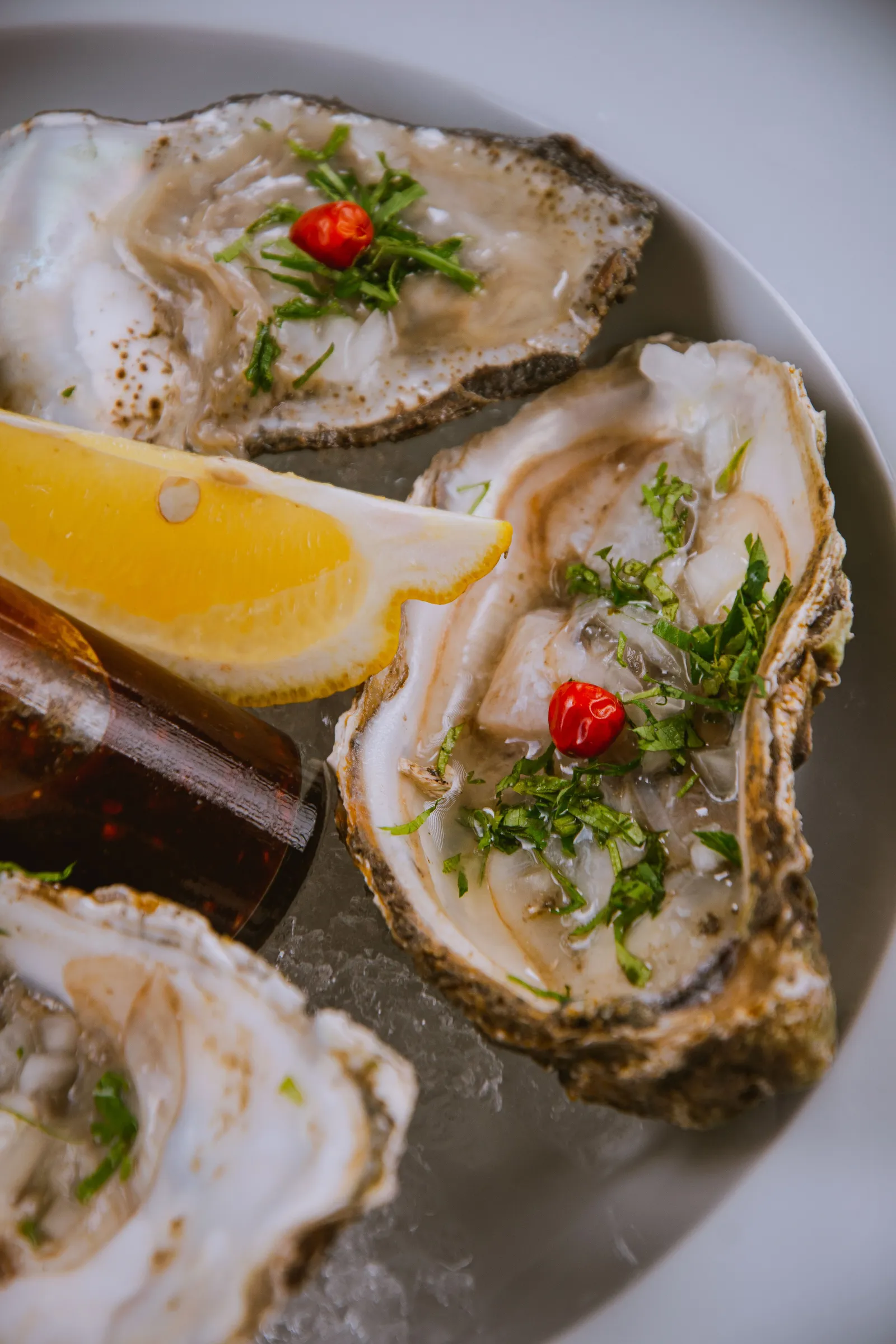
The North Fork is a seafood area. Oysters are grown in the bays and sold at raw bars and farms. Clams, fluke and striped bass are local, and Peconic Bay scallops, harvested in the colder months, are prized. Duck was a major regional farm product, and Long Island duckling remains a local menu item. Ask your server what is local. Raw bar menus list the origin of each oyster, so you can compare the flavor of ones grown in different bays.
When is the best time to visit?
Summer weekends are the busiest, with long lines at wineries, crowded restaurants and heavy traffic on Route 25 and the Long Island Expressway. If you can, go on a weekday or come in the shoulder season, in May, June, September or October. The harvest season in September and October is the highlight for many visitors. Winter is quiet; many restaurants close or reduce their hours, but the wineries welcome fewer visitors who can talk with the staff.
How do you get around?
A car is the most practical way, though the Long Island Rail Road runs to Greenport, but ride-share and taxi availability is limited. If you plan to taste wine, arrange a driver or take a tour. Bicycle rentals in some villages are a pleasant alternative on a calm day. Road shoulders are narrow, so ride in daylight and stay on the quieter roads. Ferries to Shelter Island and Connecticut run from the end of the peninsula, which adds a boat ride to a day trip.
What will it cost?
Prices are high in summer and lower in the shoulder seasons. New York State and Suffolk County sales taxes apply to restaurant meals, so the total on the check will be higher than the menu price. Tipping is typically 18 to 20 percent. A tasting fee is separate from a tip, and a small tip for the pourer is common. On Mosey you can keep lists of the wineries and farm stands you want to visit, which helps when you find a dozen along a single road.
Plan the day around the drive. The roads of the North Fork are slow on summer weekends, and a long lunch is better than hurrying between tasting rooms. Eat something substantial before you start tasting, drink water between stops, and decide who is driving before the first pour. Farm stands often work on an honor system or take cash, so keep small bills in the car, and call ahead if you want a table at a busy winery on a weekend. Many places reduce their hours outside the main season, so check before you set out.
More guides to read next:
- Rochester and Syracuse food: garbage plates, white hots and salt potatoes
- Wilmington and the Cape Fear coast: Riverwalk seafood and beach towns
- Harrisburg and the Lehigh Valley: Pennsylvania food day trips
More in the US food guides and the ranked lists of places.
Questions
Common questions
How far is the North Fork from New York City?
About 100 miles, or two to three hours by car, longer on summer weekend afternoons.
How many wineries are on the North Fork?
Counts vary, with about 40 in the viticultural area and higher numbers elsewhere. Check a current map.
Do North Fork wineries need reservations?
Often on weekends and for groups. Check each winery.
Can I get to Greenport by train?
The Long Island Rail Road runs to Greenport. Check the current schedule.
When are farm stands open?
Mostly late spring through fall. Some stands operate on an honor system, so bring cash.
When is the least crowded time to visit?
Weekdays and the shoulder seasons of May, June, September and October.
More like this
Read next
Long Island seafood guide: Montauk, the South Shore and clam bars
How to eat seafood on Long Island: the state's Seafood Cuisine Trail, Montauk and South Fork clam bars, Greenport, oysters, lobster rolls and the best times to go.
Food Worth a Drive in Alabama: Barbecue to the Gulf
Food worth a drive in Alabama, from white sauce chicken in Decatur to ribs in Tuscaloosa and Gulf oysters in Mobile, with three routes and tips for each stop.
Food Worth a Drive in Alaska: Seward Highway and Homer
A guide to food worth a drive in Alaska: Anchorage restaurants, Girdwood on the Seward Highway, fresh fish in Homer and where to stop in Seward.
Capital Region food: Albany, Troy and Saratoga Springs
A guide to eating around Albany, Troy and Saratoga Springs: the Troy waterfront farmers market, Saratoga race-season reservations, Albany neighborhoods and how far ahead to book.
